Best Medications for Anxiety (2026 Guide): What Works, Side Effects & Safer Options

Anxiety is a unique experience for each individual, and its treatment should reflect that. In my years of clinical practice, I have seen patients walk into my office exhausted by the “noise” of their minds, often asking for the single best medications for anxiety.
The truth is that while the pharmacological landscape in 2026 has become more refined, the goal remains the same: stabilizing brain chemistry to allow lifestyle and therapy to take root. Medication is a bridge, not always a destination.
Choosing the right path requires understanding that your biology is unique. What brings peace to one person might cause restless nights for another. This guide explores the most prescribed options, the science behind them, and how we find the balance between efficacy and side effects.
Before we explore specific prescriptions, we must understand the ultimate goal of treatment. Understanding what mental wellness is crucial because it’s not just the absence of anxiety; it is about achieving a state of emotional balance where you can function at your best. Medication is simply a bridge to help you reach that state.
What Medicine Is Most Prescribed for Anxiety?
In contemporary psychiatry, the most frequently prescribed medications for long-term anxiety management are Selective Serotonin Reuptake Inhibitors (SSRIs). These are considered “first-line” treatments because they are non-addictive and have a well-documented safety profile over decades of use.
I often tell my patients that these drugs don’t add anything to their brains; they help them use their existing serotonin better. Serotonin is the neurotransmitter responsible for mood, sleep, and emotional stability.
Selective Serotonin Reuptake Inhibitors (SSRIs)
SSRIs are the gold standard for Generalized Anxiety Disorder (GAD),preferred treatmenter, and Social Anxiety. The most common names you will hear in a clinical setting include:
- Sertraline (Zoloft): Frequently used due to its versatility and safety in various age groups.
- Escitalopram (Lexapro): Known for being “cleaner” in terms of drug-to-drug interactions.
- Fluoxetine (Prozac): Often chosen for its long half-life, which is helpful for patients who might occasionally miss a dose.
Serotonin-Norepinephrine Reuptake Inhibitors (SNRIs)
SNRIs are a close second and are particularly effective if your anxiety is accompanied by physical pain or extreme lethargy. They work by increasing both serotonin and norepinephrine. Common SNRIs include:
- Venlafaxine (Effexor XR): Highly effective but requires a strict dosing schedule.
- Duloxetine (Cymbalta): Often the top choice if a patient also suffers from chronic muscle tension or fibromyalgia.
Comparison of First-Line Anxiety Medications
| Drug | Class | Typical Onset | Common Side Effects |
| Escitalopram | SSRI | 2–4 Weeks | Nausea, dry mouth, drowsiness |
| Sertraline | SSRI | 4–6 Weeks | GI upset, insomnia, tremors |
| Venlafaxine | SNRI | 2–4 Weeks | Increased blood pressure, sweating |
| Paroxetine | SSRI | 3–6 Weeks | Weight gain, significant sedation |
What Is the “Magic Pill” for Anxiety? (Myth vs Reality)

Many patients come to me searching for what they’ve heard described as the famous pill for anxiety or a “magic” fix. Usually, they are referring to Benzodiazepines like Alprazolam (Xanax) or Diazepam (Valium).
These drugs are “magic” in the sense that they work within 30 minutes to shut down a panic attack. However, in the medical community, we view them with extreme caution. They do not fix the underlying anxiety; they simply mute the central nervous system temporarily.
The reality is that there is no magic pill. True recovery usually involves a combination of neurochemical support and cognitive behavioral therapy (CBT). I once had a patient, a high-level executive, who insisted on Xanax for daily stress.
Within months, his tolerance grew, and his “rebound anxiety”—the anxiety that returns when the pill wears off—was worse than his original condition. We eventually transitioned him to a daily SSRI, which provided a stable floor rather than a temporary trapdoor.
What Are 5 Signs You Have Anxiety? (The Diagnostic Threshold)
Before starting medication, it is vital to distinguish between everyday stress and a clinical disorder. Stress is a response to a threat; anxiety is a reaction to the idea of a threat.
In my clinic, I look for these five definitive signs that suggest a patient’s nervous system is stuck in “high alert”:
- Persistent Excessive Worry: You find it difficult to control your worry about everyday things for more than six months.
- Physical Tension: This often manifests as a clenched jaw, tight shoulders, or unexplained digestive issues.
- Sleep Disturbance: You may have trouble falling asleep because your brain won’t “shut off,” or you wake up feeling unrefreshed.
- Irritability and Restlessness: Feeling “on edge” or having a short fuse with loved ones without an obvious trigger.
- Cognitive Fog: Finding it nearly impossible to concentrate because your mind is preoccupied with “what if” scenarios.
Recognizing these symptoms is the first step, but understanding the “why” is equally important. To find the right treatment, a doctor must evaluate the factors that influences mental wellness in your specific case, such as your genetic history, daily environment, and brain chemistry. This holistic view ensures we aren’t just treating symptoms but addressing the root cause.
If you recognize these signs, it is time to discuss a structured treatment plan with a professional.
Top 10 Medications for Anxiety and Depression
Because anxiety and depression are two sides of the same coin, many of the best antidepressants for anxiety are also the top choices for dual diagnosis. Here are the most effective options grouped by their clinical utility.
The Reliable SSRI Group
- Sertraline: The most balanced option for “anxious depression.”
- Escitalopram: Preferred for those who want the fewest side effects.
- Fluoxetine: Excellent for those struggling with low energy and “flat” moods.
The Energy-Boosting SNRIs
- Venlafaxine: A powerhouse for severe cases that haven’t responded to SSRIs.
- Duloxetine: Best for patients where physical pain is a major depressive symptom.
Atypical and Secondary Support
- Mirtazapine: A unique antidepressant that is highly sedating; perfect for those who can’t eat or sleep due to anxiety.
- Buspirone: Not an antidepressant, but often “stacked” with one to boost its anti-anxiety effects without adding sexual side effects.
- Bupropion (Wellbutrin): Excellent for depression and focus, but I use it cautiously, as it can occasionally increase jitteriness in highly anxious people.
- Vortioxetine (Trintellix): A newer medication that helps with the “cognitive” symptoms of depression, like memory and focus.
- Vilazodone (Viibryd): Often tolerated well by those who experienced weight gain on other medications.
Top Medications for Anxiety and Sleep
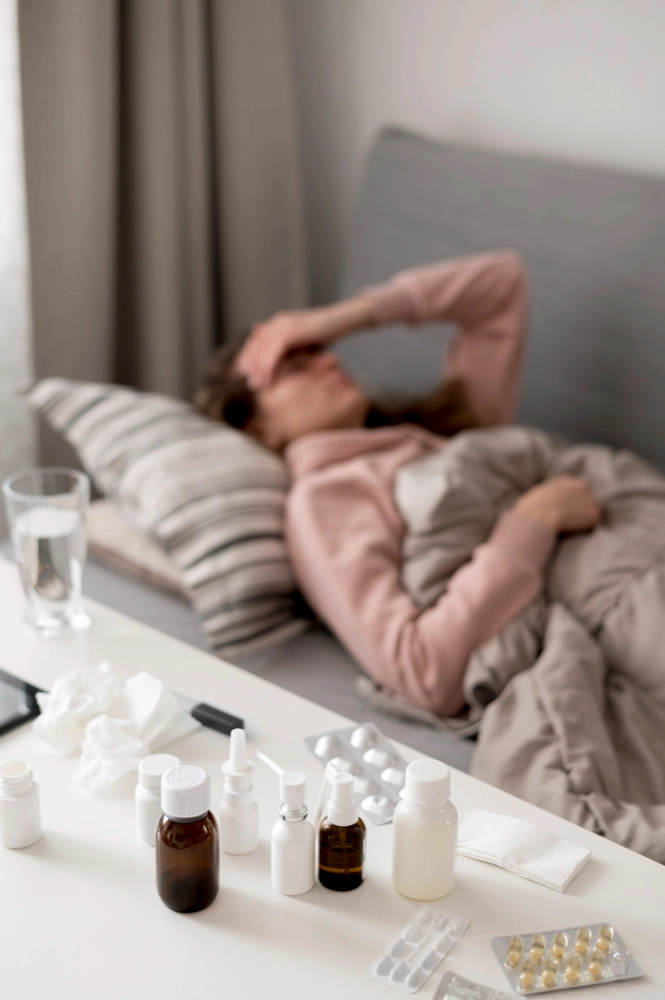
Insomnia is the fuel that feeds anxiety. If you aren’t sleeping, your amygdala—the brain’s fear center—becomes hyper-reactive. Finding the top 10 medications for anxiety and sleep often means looking at “off-label” options that are safer than traditional sleeping pills.
I rarely recommend benzodiazepines for sleep because they disrupt the quality of REM cycles. Instead, we look for medications that provide sedation as a secondary benefit to anxiety relief.
- Hydroxyzine: An antihistamine that is surprisingly effective at calming the physical symptoms of anxiety before bed.
- Trazodone: An older antidepressant used almost exclusively today in low doses for sleep. It is non-habit-forming.
- Mirtazapine: In very low doses, the drug is one of the most potent sleep-inducers available for anxious patients.
- Quetiapine: Occasionally used in very low doses for treatment-resistant insomnia, though we monitor for metabolic side effects.
Choosing a sleep-focused anxiety med requires balancing next-day grogginess. My goal for patients is “alert by 8 AM, calm by 10 PM.”
Top Over-the-Counter (OTC) Options for Anxiety
In my clinic, patients frequently ask about what the top 10 medications for anxiety over the counter. It is important to clarify that while these are “natural” or available without a script, they still interact with your brain chemistry.
OTC options are generally best suited for mild, situational stress rather than severe clinical disorders. However, for those looking to avoid prescriptions, these supplements have the most clinical backing in 2026.
Evidence-Based Supplements
- Magnesium Glycinate: This is the “calming” form of magnesium. It supports the GABA system, which acts as the brain’s natural brake.
- L-Theanine: Found in green tea, this amino acid promotes “alert relaxation” without causing the grogginess associated with antihistamines.
- Ashwagandha (KSM-66): An adaptogen that helps lower cortisol levels over time. I usually recommend a 60-day trial to see full results.
- Silexan (Lavender Oil): Some European studies suggest that specific preparations of lavender oil can be as effective as low-dose lorazepam for mild GAD.
Cautions with OTC Use
“Natural” does not mean “risk-free.” For instance, St. John’s Wort can cause life-threatening interactions with SSRIs. I always tell my patients to treat their supplement list as part of their medical record.
Always check for third-party testing (like USP or NSF) to ensure the bottle actually contains what the label claims.
Hydroxyzine for Anxiety (Deep Dive)
If you are looking for what are the top 10 medications for anxiety hydroxyzine, you are likely interested in a “fast-acting” but “non-addictive” option. Hydroxyzine (Vistaril or Atarax) is technically a first-generation antihistamine.
Unlike Benadryl, hydroxyzine has a unique affinity for the serotonin (5-HT2) receptors. This gives it a genuine anti-anxiety (anxiolytic) effect that most other antihistamines lack.
Why Physicians Choose Hydroxyzine
I often prescribe this for patients who have a history of substance abuse or those who are terrified of “getting hooked” on benzodiazepines. It works within 30 to 60 minutes and is excellent for physical symptoms like hives, itching, or heart palpitations caused by panic.
The Downside of Antihistamine Use
The primary drawback is significant sedation. I recently treated a student who took hydroxyzine before an exam; while her anxiety vanished, she fell asleep halfway through the test. It is a “rescue” medication, not a long-term cure for the root cause of anxiety.
Anxiety Pills With the Least Side Effects
When we talk about anxiety pills with the least side effects, we are usually weighing three factors: sexual dysfunction, weight gain, and “emotional blunting.” No medication is completely side-effect-free, but some are much better tolerated than others.
Top Tolerable Options
- Escitalopram (Lexapro): This remains a favorite because it is highly selective. It rarely interferes with other medications and has a lower rate of nausea than sertraline.
- Buspirone (Buspar): This is unique because it doesn’t cause weight gain or sexual side effects. However, it is a “gentle” med and may not be strong enough for severe panic.
- L-Theanine (Supplemental): If we are looking purely at side-effect profiles, high-quality L-Theanine has almost none, though its potency is lower.
In my experience, the “best” medication is the one where the benefits to your quality of life far outweigh the minor inconveniences of dry mouth or mild fatigue.
Best Medicine for Stress and Anxiety
There is a clinical difference between being “stressed” about a job and having a “generalized anxiety disorder.” When searching for the best medicine for stress and anxiety, we first look at the duration of your symptoms.
If your stress is situational—like moving houses or a temporary work project—we might use short-term beta-blockers. Propranolol, for example, is excellent for the physical “shaking” and “racing heart” of stress without affecting your mind.
For chronic, clinical anxiety that persists regardless of external circumstances, we return to the daily SSRI/SNRI protocols mentioned earlier. The goal is to lower your baseline reactivity so that a small stressor doesn’t feel like a catastrophe.
Medications That Can Cause Anxiety
Sometimes, the “anxiety” a patient feels is actually a side effect of another medication. If you feel a sudden surge in panic after starting a new script, check for these common culprits:
- Stimulants: ADHD medications like Adderall or Ritalin can trigger the “fight or flight” response.
- Corticosteroids: Prednisone is notorious for causing “steroid-induced anxiety” or even mania in sensitive individuals.
- Asthma Meds: Albuterol inhalers can cause a racing heart that feels exactly like a panic attack.
- Decongestants: Pseudoephedrine acts as a mild stimulant and can keep you awake and jittery.
If you suspect your medication is the cause, never stop it abruptly. Discuss a “taper” or an alternative with your doctor.
How to Choose the Right Medication
Choosing a medication is a collaborative process. In my practice, I use a decision framework based on your “secondary” symptoms. Your lifestyle should dictate the drug, not the other way around.
Selection Framework Table
| If your main issue is… | Consider… | Why? |
| Panic Attacks | SSRI + Hydroxyzine | SSRI for long-term, Hydroxyzine for “rescue.” |
| Anxiety + Weight Loss | Mirtazapine | Stimulates appetite while calming nerves. |
| Anxiety + Focus Issues | SNRI (Venlafaxine) | Norepinephrine helps with “brain fog.” |
| Physical Tension/Pain | Duloxetine | Treats both nerve pain and anxiety. |
| Social Phobia | Propranolol | Stops the physical “shaking” in public. |
Safety, Side Effects & When to See a Doctor
This is the most critical section of this guide. All medications that alter brain chemistry require respect and medical supervision.
The Black Box Warning
SSRIs and SNRIs carry a warning regarding increased suicidal thoughts in young adults (under 25) during the first few weeks of treatment. This is often because the medication gives a patient the “energy” to act before it fully lifts their mood.
Withdrawal and Tapering
Never stop an anxiety medication “cold turkey.” Doing so can cause “brain zaps,” extreme dizziness, and a rebound of symptoms far worse than the original anxiety. This is known as Discontinuation Syndrome.
When to Seek Emergency Care
If you experience a high fever, severe muscle rigidity, or confusion while taking these meds, seek immediate help. These could be signs of Serotonin Syndrome, a rare but life-threatening reaction.
Frequently Asked Questions
What medicine is most prescribed for anxiety?
SSRIs like Sertraline and Escitalopram are the most prescribed due to their non-addictive nature and safety. They are effective for long-term symptom management.
What is the magic pill for anxiety?
There is no “magic pill,” but Benzodiazepines are often mistaken for one because they work instantly. However, they carry a high risk of dependency and are not a cure.
What are 5 signs you have anxiety?
The five signs include persistent worry, physical tension (like jaw clenching), sleep disturbances, irritability, and difficulty concentrating or “brain fog.”
What is the best medicine for stress and anxiety?
For clinical anxiety, an SSRI combined with therapy is best. For situational stress, a beta-blocker like Propranolol can help manage physical symptoms like a racing heart.
What are the top 10 medications for anxiety over the counter?
The most effective OTC options include Magnesium Glycinate, L-Theanine, Ashwagandha, and Silexan (Lavender oil). Always consult a doctor before mixing these with prescriptions.
Conclusion
Ultimately, the journey to finding the right anxiety treatment is a marathon, not a sprint. Whether you choose an SSRI, a fast-acting antihistamine like hydroxyzine, or a combination of lifestyle and OTC supplements, the goal is to reclaim your life from fear.
As a physician, I have seen thousands of patients find their “balance.” It often takes 4 to 8 weeks to see the full benefit of a new regimen, so patience is your greatest ally. Work closely with your healthcare provider, be honest about side effects, and remember that you are not alone in this process.
Authoritative References:
Related Posts






MORE from Author
Read More As a physician specializing in exercise science and public health, I regularly consult patients who feel completely lost in the…
 Just last week, a 34-year-old patient named Clara sat in my clinic, feeling entirely overwhelmed by the modern fitness industry.…


 Hello, I am Dr. Kenji Sato, MD, specializing in sports medicine and performance optimization. In my sports clinic, I constantly…
- In my clinical practice as a physician focused on exercise science, I often tell patients that mastering fitness bench workouts…