
Kidney-Healthy Diet: Foods, Meal Plan & What to Avoid (Doctor-Backed Guide)
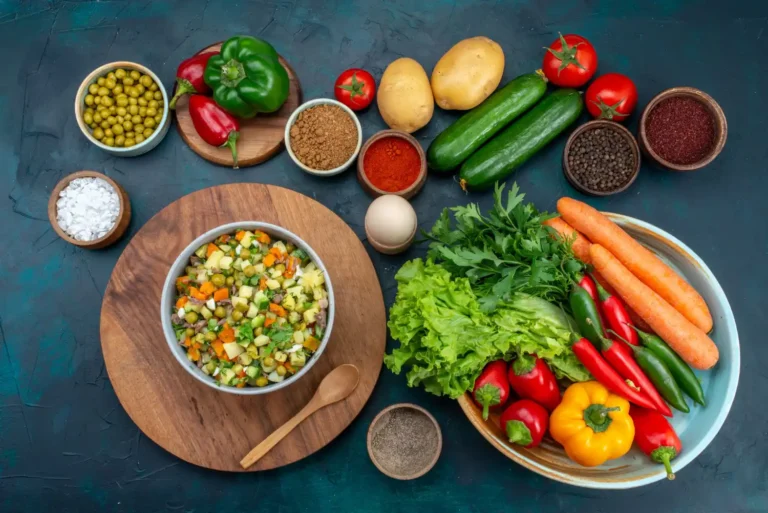
In my clinical practice, I frequently encounter patients who are entirely overwhelmed by a recent renal diagnosis and desperately seeking actionable medical guidance. Consequently, I always emphasize that immediately adopting a strict kidney-healthy diet is the absolute most critical step in preserving your remaining organ function.
Therefore, utilizing this highly specialized nutritional protocol actively reduces the severe metabolic workload placed on your compromised filtration system. Many individuals severely underestimate the direct, immediate impact that their daily dietary choices have on their internal metabolic stability.
However, compromised nephrons simply cannot process massive amounts of excess sodium or dietary protein without suffering permanent, irreversible scarring. Furthermore, adhering to a highly proactive nutritional strategy actively prevents the dangerous accumulation of uremic toxins within your systemic bloodstream.
Successfully traversing the complicated landscape of renal nutrition requires strictly relying on scientifically validated, peer-reviewed medical guidelines.
Specifically, we will systematically explore the exact clinical strategies and food modifications designed to aggressively protect your long-term physical health. Let’s finally take a close look at these fundamental biological procedures so you can start stabilizing your metabolic baseline with confidence right now.
TL;DR: Quick Overview
- A kidney-healthy diet limits sodium, potassium, and phosphorus depending on your current kidney function.
- You must focus on fresh foods, lean protein, and adequate, controlled hydration.
- Patients should strictly avoid heavily processed foods and excess dietary salt.
- Individual nutritional needs vary drastically, so always consult your healthcare provider.
What Is a Kidney-Healthy Diet?
In my years of clinical practice, I frequently meet patients who are entirely overwhelmed by a recent renal diagnosis. Consequently, they desperately need a clear, actionable nutrition plan to protect their remaining organ function.
Therefore, I always start by explaining that a kidney-healthy diet is a specialized nutrition plan designed specifically to reduce strain on the kidneys. It achieves its goal by strictly controlling the intake of certain nutrients like sodium, potassium, phosphorus, and protein.
Furthermore, this approach is not a generic, one-size-fits-all weight loss program. Instead, it is a highly targeted medical intervention used to manage waste buildup in your bloodstream.
Specifically, when your renal function declines, your body cannot efficiently filter out excess minerals from the food you consume. Ultimately, adhering to this specialized eating pattern is the most critical step you can take to delay disease progression.
Why Diet Matters for Kidney Health

Historically, many patients severely underestimate the direct, immediate impact their daily meals have on their internal organs. However, your kidneys are essentially highly advanced biological filters that process blood 24 hours a day.
Everything you eat eventually passes through these microscopic filtration units, known clinically as nephrons.
Chronic kidney disease (CKD) permanently damages these delicate nephrons, reducing their filtering efficiency.
Consuming high amounts of sodium or protein forces these compromised filters to work incredibly hard, accelerating their destruction. Additionally, this excessive workload eventually leads to dangerous accumulations of toxins and fluids within your bodily tissues.
Utilizing targeted nutrition acts as a protective shield for your renal system. Specifically, by deliberately eating foods that produce minimal metabolic waste, you grant your overworked organs a desperately needed rest.
Therefore, a proper nutritional approach is just as vital as any prescribed medication in my clinical toolkit.
Kidney-Healthy Diet Foods (What to Eat)
Transitioning to a new way of eating requires focusing on the abundance of delicious foods you can actually safely enjoy. Primarily, you should prioritize low-potassium fruits, which provide essential vitamins without dangerous mineral spikes. For instance, apples, berries, and grapes are generally excellent, safe choices for most renal patients.
Integrating specific, low-potassium vegetables is absolutely critical to sustaining adequate daily fiber intake. Specifically, cabbage, cauliflower, and onions are fantastic staples that add volume and flavor without overburdening your system.
You must select high-quality, lean protein sources, but always in carefully measured, medically approved portions. Moreover, incorporating healthy fats is vital for maintaining cellular energy and reducing systemic inflammation.
Consequently, olive oil and naturally derived plant fats are vastly superior to heavily processed trans fats. Ultimately, preparing these fresh, whole ingredients at home allows you to maintain total control over your sodium intake.
Foods to Avoid for Kidney Health
Conversely, protecting your renal function requires the immediate, strict elimination of highly damaging dietary components. Primarily, heavily processed foods are the absolute worst offenders, as they are typically loaded with hidden sodium and chemical phosphorus additives.
Fast food, frozen dinners, and canned soups will cause immediate, dangerous spikes in your blood pressure.
Furthermore, you must actively avoid dark-colored sodas and sugary drinks. Consequently, these beverages contain highly absorbable phosphorus additives that your failing kidneys simply cannot filter out, leading to severe bone disease.
Excessive consumption of red meat generates massive amounts of metabolic acid, which severely strains your delicate nephrons.
Certain naturally occurring foods that are otherwise healthy can be highly dangerous for advanced renal patients. For example, bananas, avocados, and potatoes are incredibly high in potassium and must often be strictly limited.
Ultimately, learning to carefully read ingredient labels is a non-negotiable, lifesaving skill for anyone with a renal diagnosis.
Renal Diet Food List (Quick Reference)
To simplify daily meal planning, I often provide my patients with a structured, easy-to-read reference list. Therefore, you can use this generalized framework to guide your initial grocery shopping trips.
Allowed Foods (Generally Safe): First, stock up on white rice, pasta, and unenriched breads, as they contain far less phosphorus than whole-grain alternatives.
Furthermore, lean poultry, egg whites, and fresh seafood are excellent, safe protein choices when portioned correctly. Additionally, fruits like apples, cranberries, and peaches should be your primary sweet snacks.
Limited Foods (Portion Control Required): Conversely, dairy products like milk and cheese must be strictly limited due to their massive phosphorus and calcium loads. Moreover, beans and nuts are healthy but incredibly dense in potassium, requiring very careful, infrequent consumption. Consequently, always measure these items precisely with kitchen scales.
Avoid Foods (High Risk): Finally, you must completely eliminate processed meats like bacon, hot dogs, and deli meats from your home.
Furthermore, completely bypass canned vegetables unless they are thoroughly rinsed, and avoid high-potassium fruits like oranges and bananas. Ultimately, staying away from packaged snack foods will drastically reduce your accidental sodium intake.
What Foods Help Repair Kidneys?
In clinical practice, I frequently hear patients ask exactly which superfoods will magically cure their organ damage. However, medical clarity is absolutely essential here: there is currently no food, herb, or supplement that physically “repairs” damaged kidney tissue. Once a nephron is permanently scarred, it cannot biologically regenerate itself.
Furthermore, this does not mean that your nutritional choices are futile. Consequently, while food cannot reverse existing scarring, specific dietary patterns aggressively protect the remaining healthy tissue from further destruction. Specifically, eating a highly controlled, anti-inflammatory diet drastically slows the progression of the underlying disease.
Ultimately, by strictly managing your blood pressure and utilising targeted nutrition to lower blood sugar, you give your surviving nephrons the best possible environment to function. Therefore, you must view your diet as a powerful preservation tool, rather than a magical cure.
Foods That Support Kidney & Liver Health
In my clinical practice, I frequently treat patients who suffer from simultaneous renal and hepatic metabolic dysfunction. Consequently, protecting both of these vital filtration organs requires a highly targeted, antioxidant-rich nutritional approach.
Therefore, I strongly advise my patients to consume foods that actively reduce systemic inflammation and oxidative stress across both systems.
Specifically, cruciferous vegetables like broccoli and cabbage contain powerful glucosinolates that assist the liver in neutralizing harmful environmental toxins.
Furthermore, by optimizing your liver’s detoxification pathways, you indirectly reduce the metabolic workload placed directly on your fragile renal system. Ultimately, consuming a diet rich in fresh, anti-inflammatory plant compounds creates a highly supportive environment for your body’s entire waste management infrastructure.
Kidney-Healthy Diet Plan (Sample Day)
Creating a sustainable daily menu often feels entirely overwhelming for newly diagnosed patients facing severe dietary restrictions.
Therefore, I always provide a simple, highly structured sample day to demonstrate how delicious and fulfilling this protocol can be. Primarily, this foundational template focuses on strict portion control while maintaining incredibly low levels of sodium and potassium.
For breakfast, you might enjoy a warm bowl of refined cream of wheat topped with fresh blueberries and a splash of rice milk. Furthermore, a highly satisfying lunch could include a grilled chicken salad using crisp iceberg lettuce, cucumbers, and a zero-sodium olive oil dressing.
Consequently, dinner might consist of a small, carefully weighed portion of baked salmon alongside steamed green beans and a serving of white rice.
Moreover, if you require snacks between meals, you must select incredibly low-mineral options to prevent dangerous blood spikes. Specifically, unsalted popcorn, fresh apple slices, or a small handful of plain rice crackers are generally excellent, safe choices. Ultimately, preparing your meals at home is the only guaranteed method for meticulously tracking your daily mineral consumption.
Diet for Kidney Patients with High Creatinine
When laboratory blood tests reveal elevated creatinine levels, it clinically indicates that your renal filtration rate has significantly declined. Therefore, adopting a highly specialized diet for kidney patients with high creatinine becomes an urgent, life-saving medical necessity. Specifically, creatinine is a chemical waste product generated by normal muscle metabolism and the digestion of dietary meat.
Consequently, when your nephrons fail, this toxic waste rapidly accumulates in your bloodstream, causing severe lethargy and systemic nausea. Thus, the most critical nutritional intervention is an immediate, medically supervised reduction in your daily dietary protein intake.
Furthermore, by strictly limiting foods like beef, pork, and heavily processed meats, you instantly lower the metabolic burden on your failing organs.
Moreover, I constantly remind my high-creatinine patients that plant-based proteins often produce significantly less metabolic waste than animal proteins.
For instance, carefully integrating small amounts of tofu or specific grains can maintain your muscle mass without overloading your renal clearance. Additionally, meticulous fluid management becomes absolutely crucial at this advanced stage to prevent dangerous fluid buildup in your lungs and extremities.
Ultimately, you must never attempt to severely restrict your protein intake without the direct, ongoing supervision of a registered renal dietitian. Consequently, improper restriction can lead to severe clinical malnutrition and incredibly dangerous muscle wasting.
Therefore, maintaining a delicate, highly monitored biological balance is the ultimate goal of managing elevated creatinine through nutrition.
Heart and Kidney-Healthy Diet

Clinically speaking, your cardiovascular system and your renal system are deeply, inextricably linked by your blood pressure. Consequently, understanding methods to improve heart health through a combined heart and kidney healthy diet is absolutely essential, as hypertension is a leading cause of renal failure.
Therefore, I frequently recommend a highly modified DASH (Dietary Approaches to Stop Hypertension) protocol for my dual-diagnosis patients.
This approach strictly limits daily sodium intake to less than 1,500 milligrams to prevent dangerous vascular constriction. Furthermore, replacing saturated animal fats with heart-healthy olive oil dramatically improves your cholesterol profile while protecting your fragile nephrons.
Ultimately, what is medically beneficial for your cardiac muscle is almost universally protective for your renal filtration system.
Nutrition Comparison Table
Understanding the specific metabolic limits of key nutrients is essential for preventing accidental dietary toxicity. Therefore, frequently reference this clinical guide to maintain your daily biochemical balance.
| Nutrient | Daily Clinical Limit | Why It Matters |
| Sodium | Under 1,500 mg | Prevents severe hypertension and tissue edema. |
| Potassium | Varies by lab results | Prevents dangerous cardiac rhythm abnormalities. |
| Protein | Medically supervised | Reduces toxic waste buildup and high creatinine. |
| Phosphorus | Under 800-1,000 mg | Prevents vascular calcification and brittle bones. |
Common Mistakes in Kidney Diets
Even highly motivated patients frequently make critical dietary errors that actively accelerate their biological decline. Primarily, consuming far too much hidden sodium from seemingly “healthy” canned soups or salad dressings is a massive, frequent mistake. Consequently, this hidden salt completely negates the effectiveness of your prescribed blood pressure medications.
Furthermore, heavily over-consuming protein, particularly popular high-protein fitness snacks, severely overwhelms your compromised filtration system.
Moreover, actively ignoring your doctor’s advice and relying on internet-viral detox diets frequently leads to acute renal emergencies. Ultimately, strict adherence to your individualized, physician-prescribed plan is absolutely non-negotiable for long-term survival.
Tips to Maintain Kidney Health Long-Term
Sustaining your remaining organ function requires a lifetime commitment to rigorous, highly disciplined daily habits. Specifically, you must meticulously monitor your blood pressure at home, as unchecked hypertension silently destroys fragile renal capillaries.
Furthermore, staying adequately hydrated, strictly within the fluid limits prescribed by your doctor, ensures optimal clearance of daily metabolic waste.
Consequently, remaining fiercely consistent with a healthy diet, specifically your balanced, low-sodium protocol, is the most powerful preventative tool you possess. Moreover, attending every single scheduled laboratory blood draw allows your medical team to catch and correct minor metabolic shifts immediately.
Ultimately, taking a highly proactive, organized approach to your daily lifestyle guarantees the best possible clinical outcome.
Frequently Asked Questions
What is a kidney-healthy diet?
Clinically, it is a highly specialized nutritional protocol designed to minimize the metabolic workload placed on compromised renal organs. Specifically, it achieves this by strictly limiting the daily intake of sodium, potassium, phosphorus, and excess dietary protein.
What foods help kidney health?
To actively support your renal function, you must focus heavily on fresh, low-potassium fruits like berries and apples. Furthermore, incorporating low-mineral vegetables like cauliflower, alongside carefully measured portions of lean protein, drastically reduces systemic biological stress.
What foods should kidney patients avoid?
Patients must eliminate highly processed foods, dark-colored sodas, and heavily cured meats from their daily consumption. Consequently, these dangerous foods contain massive amounts of chemical phosphorus and hidden sodium that rapidly destroy remaining nephron tissue.
Can diet improve kidney function?
While nutrition cannot physically regenerate deeply scarred or dead nephron tissue, it is the most powerful tool for preservation. Ultimately, a strict diet significantly slows disease progression, manages severe symptoms, and aggressively protects your remaining healthy organ function.
Conclusion
Ultimately, managing chronic renal conditions requires an unwavering, daily commitment to disciplined, science-backed nutritional choices. By strictly controlling your intake of sodium, protein, and dangerous minerals, you actively shield your vital organs from severe metabolic exhaustion.
Furthermore, because every patient’s laboratory values are entirely unique, you must always partner closely with a registered renal dietitian. Therefore, embrace these dietary modifications not as restrictive punishments but as powerful, life-saving medical tools for securing your long-term health.
Evidence-Based References:
- National Institute of Diabetes and Digestive and Kidney Diseases (NIH) – Eating, Diet, & Nutrition for Kidney Disease
- Cleveland Clinic – What Are the Best Foods for Kidney Health?
- National Kidney Foundation—Keep Your Kidneys Healthy: 5 Foods To Avoid
- American Heart Association – High Blood Pressure and Your Kidneys
Related Posts






MORE from Author
Read More As a physician specializing in exercise science and public health, I regularly consult patients who feel completely lost in the…
 Just last week, a 34-year-old patient named Clara sat in my clinic, feeling entirely overwhelmed by the modern fitness industry.…


 Hello, I am Dr. Kenji Sato, MD, specializing in sports medicine and performance optimization. In my sports clinic, I constantly…
- In my clinical practice as a physician focused on exercise science, I often tell patients that mastering fitness bench workouts…