
Liver Healthy Diet: Foods, Fatty Liver Plan & What to Avoid (Doctor Guide)
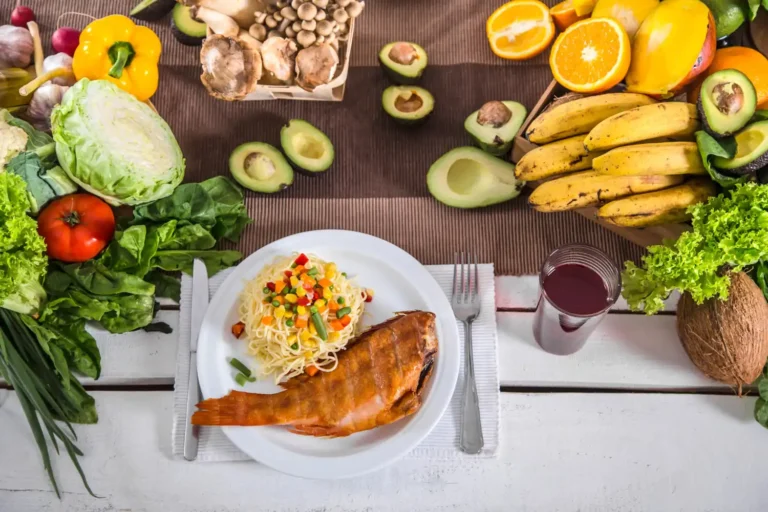
In my clinical practice, I frequently encounter patients suffering from profound metabolic exhaustion who urgently require targeted medical intervention. Consequently, I always emphasize that immediately adopting a strict, liver-healthy diet is the absolute most critical step in reversing this dangerous cellular damage.
Therefore, utilizing this highly specialized nutritional protocol actively reduces the severe inflammatory workload placed on your compromised filtration system.
Many individuals severely underestimate the direct, immediate impact that their daily dietary choices have on their internal hepatic stability.
Your delicate liver cells simply cannot process massive amounts of excess refined sugars or toxic trans fats without suffering severe, irreversible scarring. Furthermore, adhering to a highly proactive nutritional strategy actively prevents the dangerous accumulation of harmful lipids within your vital organs.
Successfully navigating the complex landscape of hepatic recovery requires strictly relying on scientifically validated, peer-reviewed medical guidelines.
Specifically, we will systematically explore the exact clinical strategies, food lists, and actionable health tips designed to protect your metabolic health. Finally, let us thoroughly dive into these foundational biological protocols so you can confidently stabilize your internal baseline starting today.
TL;DR: Quick Overview
- A liver-healthy diet strongly focuses on whole foods, healthy fats, and drastically reduced sugar and alcohol intake.
- Key healing foods include fresh vegetables, antioxidant-rich fruits, lean proteins, and complex whole grains.
- Patients must strictly avoid highly processed foods, excess dietary sugar, and all forms of alcohol.
- Ultimately, diet plays a massive, primary role in the clinical management and reversal of fatty liver disease.
What Is a Liver-Healthy Diet?
A liver-healthy diet is a highly specialized nutrition plan that supports optimal hepatic function by actively reducing dangerous fat buildup, systemic inflammation, and unnecessary toxin exposure.
Specifically, this approach is not a temporary weight-loss fad but rather a lifelong medical protocol designed to protect your body’s primary metabolic engine. Consequently, by prioritizing whole foods and strictly limiting processed sugars, you provide your hepatic cells with the exact micronutrients required for cellular repair.
Furthermore, this dietary protocol focuses heavily on managing insulin resistance, which is a primary driver of modern hepatic disease. Therefore, integrating complex carbohydrates and lean proteins ensures your blood sugar remains incredibly stable throughout the entire day.
Ultimately, adopting this protective eating pattern is the most effective clinical strategy for preventing the onset of advanced hepatic fibrosis.
Why Diet Matters for Liver Health (Medical Overview)
Biologically speaking, your liver is essentially a massive, highly advanced chemical processing plant that filters every single substance you ingest.
Consequently, when you consume excessive amounts of refined carbohydrates and saturated fats—or fail to recognise the severe signs of dehydration—you severely overwhelm these delicate metabolic pathways. Therefore, this constant nutritional overload directly causes microscopic fat droplets to aggressively accumulate within the hepatic tissue.
Moreover, this pathological fat accumulation leads to a highly dangerous medical condition known clinically as non-alcoholic fatty liver disease (NAFLD).
Subsequently, if left completely unchecked, NAFLD triggers a massive cascade of systemic inflammation that slowly destroys healthy, functioning hepatic cells. Furthermore, this ongoing cellular destruction eventually leads to irreversible scarring, which physicians refer to as cirrhosis.
Ultimately, everything you eat either actively heals your hepatic tissue or deliberately contributes to its biological destruction. Therefore, utilizing a targeted medical diet acts as a powerful biological shield, actively preventing harmful lipids from infiltrating your vital internal organs.
Liver Healthy Diet Foods (What to Eat)

Transitioning to a restorative eating pattern requires focusing on the abundance of nutrient-dense ingredients that actively facilitate biological healing.
Primarily, you must heavily prioritize leafy greens like spinach and kale, which are absolutely packed with potent cellular antioxidants. Consequently, these specific vegetables assist your body in neutralizing harmful free radicals that constantly damage fragile hepatic membranes.
Furthermore, integrating a wide variety of fresh fruits, particularly dark berries, provides essential vitamins without causing dangerous insulin spikes.
Additionally, you must select high-quality whole grains, such as quinoa and steel-cut oats, to ensure a slow, steady release of digestive energy. Therefore, these complex carbohydrates actively prevent the rapid fat storage associated with heavily refined, white flour products.
Moreover, consuming adequate amounts of lean protein, like skinless poultry and plant-based legumes, is absolutely vital for structural tissue repair. Ultimately, incorporating healthy fats, particularly extra virgin olive oil, drastically lowers systemic inflammation and protects your cardiovascular system simultaneously.
Best Foods for Liver Health
When constructing a clinical nutrition plan, I constantly highlight a specific group of scientifically validated superfoods for my patients.
First and foremost, regular consumption of black coffee is clinically proven to reduce the accumulation of harmful hepatic fat and lower liver enzymes. Consequently, this simple morning beverage acts as a powerful protective agent against the progression of advanced fibrosis.
Secondly, fatty fish such as salmon and mackerel provide massive amounts of omega-3 fatty acids that actively suppress cellular inflammation.
Therefore, consuming these specific proteins twice a week significantly reduces hepatic lipid levels and improves overall metabolic function. Thirdly, leafy greens contain inorganic nitrates that prevent dangerous fat buildup while simultaneously lowering systemic blood pressure.
Furthermore, berries like blueberries and cranberries are incredibly rich in anthocyanins, which physically protect hepatic cells from severe oxidative stress.
Similarly, nuts, particularly walnuts, offer a highly beneficial combination of amino acids and healthy fats that improve liver enzyme profiles. Additionally, using cold-pressed olive oil as your primary culinary fat directly reduces harmful hepatic fat levels while improving insulin sensitivity.
Moreover, fresh garlic contains unique sulfur compounds that actively stimulate your body’s natural enzymatic detoxification pathways.
Consequently, these potent compounds help your body efficiently flush out environmental toxins that would otherwise severely burden your hepatic system.
Ultimately, drinking unsweetened green tea provides high levels of catechins, which are antioxidants specifically known to reduce dangerous fat deposits.
Foods Bad for Liver (What to Avoid)
Conversely, protecting your hepatic function requires the immediate, strict elimination of highly toxic dietary components that accelerate cellular death. Primarily, excess alcohol consumption is absolutely devastating, as it directly poisons hepatic cells and rapidly induces severe inflammatory scarring.
Consequently, even moderate alcohol intake can completely halt the biological regeneration of already compromised hepatic tissue.
Furthermore, you must actively avoid heavily processed sugary foods, especially those containing high-fructose corn syrup. Specifically, your body metabolizes massive amounts of fructose directly into harmful triglycerides, which are then aggressively stored inside your hepatic cells.
Additionally, consuming deep-fried foods forces your digestive system to process highly oxidized, damaged fats that trigger massive systemic inflammation.
Moreover, processed meats like bacon, sausage, and deli cuts are typically loaded with toxic chemical preservatives and massive amounts of sodium. Ultimately, routinely consuming these dangerous items severely exhausts your metabolic pathways and directly accelerates the progression of hepatic disease.
Fatty Liver Food List (Quick Reference)
To significantly reduce mealtime anxiety, I frequently provide my newly diagnosed patients with a highly structured, easy-to-read reference list. Therefore, you can confidently utilize this clinical framework to guide your weekly grocery shopping and meal preparation.
Foods to Eat (Healing Ingredients): First, fill your cart with fresh cruciferous vegetables like broccoli, Brussels sprouts, and cauliflower to support deep cellular detoxification.
Furthermore, heavily stock up on omega-3-rich proteins, particularly wild-caught salmon and sardines, alongside unsalted walnuts and chia seeds. Additionally, ensure you purchase antioxidant-rich beverages like organic green tea and high-quality, dark roast coffee.
Foods to Limit (Careful Consumption): Conversely, naturally occurring saturated fats found in high-fat dairy and red meat must be strictly limited to prevent lipid accumulation.
Moreover, tropical fruits that are exceptionally high in natural sugars, such as mangoes and pineapples, should only be eaten occasionally. Consequently, you must always measure these specific items meticulously to prevent accidental carbohydrate overloading.
Foods to Avoid (High Risk): Finally, you must completely banish sugary sodas, commercial baked goods, and artificially sweetened fruit juices from your household entirely.
Furthermore, completely bypass the frozen food aisle to avoid highly processed, sodium-heavy microwave dinners and deep-fried appetizers. Ultimately, eliminating alcohol completely is the absolute most important step you can take to halt active hepatic damage.
Can Diet Improve Liver Function?
In my examination room, highly anxious patients frequently ask if their current metabolic damage is a permanent, lifelong sentence. Fortunately, I can confidently explain that the liver is a biologically unique organ possessing incredible, natural regenerative capabilities.
Therefore, if you catch the disease in its early stages, changing your nutritional habits can absolutely improve and restore lost function.
Specifically, when you completely remove toxic dietary stressors like alcohol and high-fructose syrup, your hepatic cells immediately begin to heal.
Consequently, adhering strictly to an anti-inflammatory diet actively reduces cellular swelling and allows healthy tissue to systematically regenerate over time. Furthermore, this biological recovery process frequently normalizes elevated liver enzymes and drastically improves your overall systemic energy levels.
Ultimately, while highly advanced cirrhosis is generally irreversible, early-stage fatty liver is entirely treatable through aggressive lifestyle modifications. Therefore, you must view your daily dietary choices as highly effective, preventative medicine that actively supports your body’s profound healing mechanisms.
Fatty Liver: A Healthy Diet (Complete Guide)
In my clinic, the most frequent metabolic crisis I manage is advanced NAFLD, which demands a highly structured, medically sound protocol. Consequently, I always explain that losing just ten percent of your total body weight drastically reduces harmful hepatic fat deposits.
Therefore, targeting your cellular insulin resistance by eliminating refined sugars and heavily processed carbohydrates is an absolute medical necessity.
Furthermore, actively transitioning to a comprehensive, healthy fatty liver diet instantly halts the progression of systemic metabolic inflammation. Specifically, this restorative protocol requires a massive increase in complex, water-soluble dietary fiber from vegetables and legumes.
Moreover, fiber actively binds to excess cholesterol within your digestive tract, preventing it from ever reaching your vulnerable internal organs.
Ultimately, successfully embracing a liver-healthy diet fatty liver plan guarantees your overworked cells finally receive the biological rest they require. Therefore, you must view this dietary shift not as a temporary punishment but as a permanent, life-saving metabolic intervention.
Liver Healthy Diet Plan (Sample Day)
Transitioning to a completely new culinary lifestyle requires a highly practical, easy-to-follow daily roadmap to ensure absolute clinical success.
Therefore, executing a liver-healthy diet plan heavily relies on preparing simple, nutrient-dense meals entirely from scratch. For breakfast, you might consume a warm bowl of steel-cut oatmeal generously topped with fresh blueberries and raw, unsalted walnuts.
Furthermore, a highly restorative, energy-boosting lunch could consist of a massive spinach salad paired with grilled chicken breast.
Consequently, dressing this salad strictly with cold-pressed olive oil and apple cider vinegar provides an incredible dose of anti-inflammatory fats. Moreover, if mid-afternoon hunger strikes, snacking on a crisp, green apple or a small handful of plain almonds provides safe, steady energy.
Ultimately, your dinner should feature a generous portion of baked, wild-caught salmon alongside steamed broccoli and a small side of quinoa. Therefore, utilizing this healthy liver diet plan template guarantees you remain entirely full while meticulously controlling your metabolic inputs.
Fatty Liver Diet Plan (7-Day Overview)
Building a highly sustainable, weekly culinary routine alongside other healthy lifestyle habits is the absolute key to conquering metabolic disease without experiencing constant psychological deprivation.
Therefore, your fatty liver diet plan must heavily rotate various lean proteins like turkey, white fish, and lentils throughout the week. Specifically, I highly recommend designating at least three days entirely for plant-based dinners to massively increase your protective antioxidant intake.
Furthermore, spending your Sunday afternoon prepping large batches of roasted cruciferous vegetables ensures you always have safe, anti-inflammatory side dishes available.
Consequently, having pre-cooked quinoa and chopped greens readily accessible completely eliminates the dangerous temptation of ordering heavily processed takeout food. Moreover, a structured fatty liver healthy diet plan aggressively stabilizes your blood glucose, entirely preventing those intense, late-night sugar cravings.
Ultimately, consistency is the true biological driver of cellular healing when dealing with severe metabolic dysfunction. Therefore, strictly adhering to your weekly meal outline is arguably the most powerful medical tool in your entire recovery arsenal.
Heart- and Liver-Healthy Diet
Medically speaking, severe cardiovascular disease and advanced hepatic dysfunction almost always coexist because they share identical, root metabolic causes.
Consequently, adopting a combined heart and liver-healthy diet is absolutely crucial for protecting your entire vascular system simultaneously. Therefore, I highly recommend adhering strictly to a clinical Mediterranean-style dietary approach, which naturally eliminates dangerous saturated animal fats.
Furthermore, by heavily substituting inflammatory butter with extra virgin olive oil, you actively improve your vascular cholesterol profile almost immediately.
Specifically, this targeted nutritional adjustment drastically reduces hepatic lipid accumulation while simultaneously clearing dangerous plaque from your coronary arteries. Ultimately, what is biologically restorative for your cardiac muscle is universally protective for your highly delicate hepatic filtration system.
Liver Healthy Diet Recipes
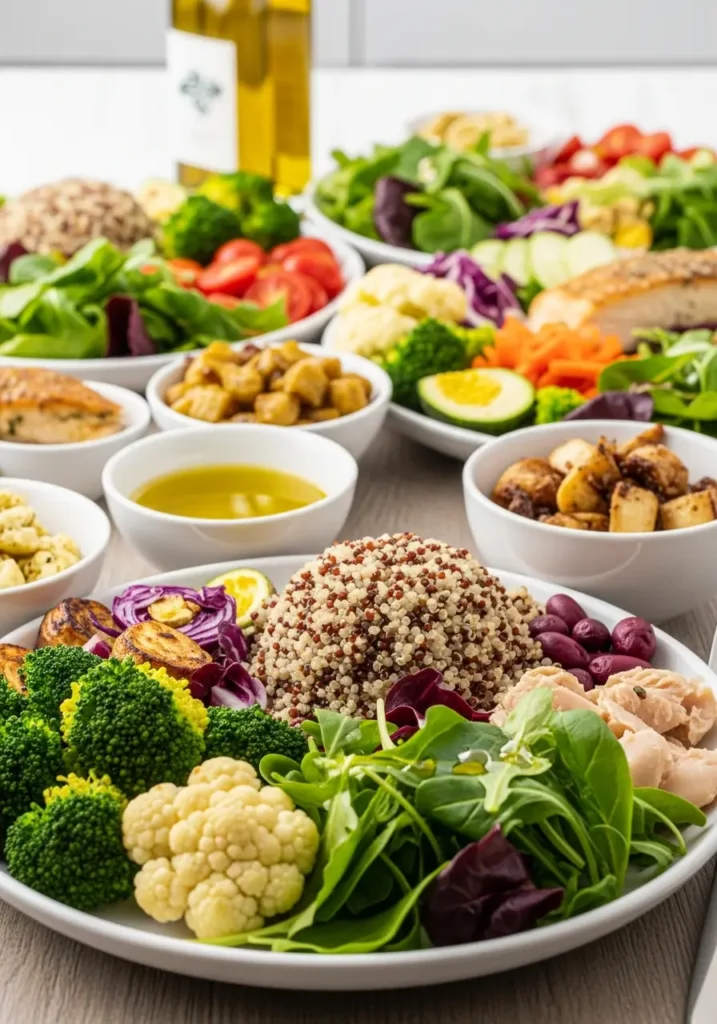
Many newly diagnosed patients falsely assume that strict medical eating protocols must be completely devoid of flavor and culinary enjoyment.
However, preparing delicious, liver-healthy diet recipes simply requires utilizing potent, antioxidant-rich spices instead of relying on toxic trans fats. For example, baking chicken breasts coated heavily in fresh turmeric, black pepper, and garlic creates a highly savory, profoundly anti-inflammatory main dish.
Furthermore, sautéing dark, leafy greens in a splash of low-sodium vegetable broth and fresh lemon juice yields a vibrant, nutrient-dense side. Consequently, roasting chopped sweet potatoes with a light drizzle of olive oil and cinnamon satisfies carbohydrate cravings without triggering massive insulin spikes.
Ultimately, mastering these incredibly simple, low-fat cooking techniques ensures your long-term dietary compliance without ever sacrificing your love for great food.
Nutrition Comparison Table
Understanding exactly how specific macronutrients impact your internal organs is essential for maintaining strict, daily dietary compliance. Therefore, you should frequently reference this simple clinical table to keep your nutritional goals completely aligned with your medical recovery.
| Nutrient | Clinical Recommendation | Primary Biological Benefit |
| Refined Sugar | Extremely Low to Zero | Actively prevents new fat droplets from aggressively accumulating inside hepatic cells. |
| Dietary Fat | High in Unsaturated Fats | Drastically reduces systemic tissue inflammation and naturally improves cellular insulin sensitivity. |
| Lean Protein | Moderate to High | Provides the essential amino acids heavily required for structural, biological tissue repair. |
| Complex Fiber | High (Vegetables/Grains) | Actively binds to toxins in the gut and ensures incredibly steady blood glucose levels. |
Common Mistakes That Harm Liver Health
Even highly dedicated, well-intentioned patients frequently fall into dangerous dietary traps that actively sabotage their biological healing process.
Primarily, consuming hidden, heavily refined sugars found in “healthy” commercial smoothies or protein bars causes immediate, massive spikes in hepatic triglycerides. Consequently, this accidental sugar loading completely negates the metabolic benefits of your prescribed, daily medical diet.
Furthermore, attempting to “detoxify” your body using unregulated, internet-viral herbal supplements frequently causes severe, acute chemical toxicity within the organ.
Moreover, leading a completely sedentary lifestyle, despite eating perfectly, fails to burn the visceral fat aggressively choking your internal systems. Ultimately, strict adherence to your individualized, physician-prescribed plan requires total honesty regarding your daily lifestyle habits.
Tips to Maintain a Healthy Liver
Achieving long-term clinical remission requires powerfully combining your strict nutritional protocol with aggressive, daily lifestyle interventions. First, you must remain adequately hydrated by drinking plenty of pure water to constantly assist in flushing water-soluble metabolic toxins.
Furthermore, engaging in daily cardiovascular exercise directly burns stored visceral fat and massively improves your overall cellular insulin resistance.
Consequently, maintaining a highly active lifestyle prevents the stagnation of metabolic waste within your systemic bloodstream.
Moreover, meticulously tracking your caloric intake to maintain a healthy body weight is the single most powerful preventative measure against future flare-ups. Ultimately, treating your body with immense biological respect guarantees your filtration system will effectively serve you for decades.
Frequently Asked Questions
What is a liver-healthy diet?
A liver-healthy diet is an anti-inflammatory nutrition plan focused on reducing fat buildup in the liver. It emphasizes eating nutrient-dense whole foods while strictly eliminating refined sugars and heavily processed items.
What foods are best for liver health?
The best foods for your liver include antioxidant-rich leafy greens, berries, and cruciferous vegetables like broccoli. Healthy fats from extra virgin olive oil and fatty fish are also excellent for reducing inflammation.
What foods damage the liver?
To protect your liver, you should completely avoid alcohol, high-fructose corn syrup, deep-fried foods, and heavily processed meats. These foods increase liver inflammation and contribute to harmful fat accumulation.
Can diet reverse fatty liver?
Yes, early-stage fatty liver can often be completely reversed through diet. Eliminating refined carbs, eating whole foods, and losing excess weight can remove liver fat and restore normal function.
Conclusion
Ultimately, successfully managing and reversing hepatic metabolic dysfunction requires an unwavering, daily commitment to disciplined, science-backed nutritional choices.
By strictly controlling your intake of refined sugars, toxic trans fats, and alcohol, you actively shield your vital organs from severe cellular exhaustion.
Because every patient’s baseline metabolic health is entirely unique, you must always partner closely with a registered clinical dietitian.
Therefore, deeply embrace these profound dietary modifications not as restrictive punishments but as the most powerful, life-saving medical tools available to secure your long-term vitality.
Evidence-Based References:
Related Posts






MORE from Author
Read More As a physician specializing in exercise science and public health, I regularly consult patients who feel completely lost in the…
 Just last week, a 34-year-old patient named Clara sat in my clinic, feeling entirely overwhelmed by the modern fitness industry.…


 Hello, I am Dr. Kenji Sato, MD, specializing in sports medicine and performance optimization. In my sports clinic, I constantly…
- In my clinical practice as a physician focused on exercise science, I often tell patients that mastering fitness bench workouts…