
What to Eat When Blood Sugar Is Low (Fast Relief Guide for Hypoglycemia)

Experiencing sudden weakness, uncontrollable shakiness, profuse sweating, and mental confusion are classic, terrifying signs of a sudden drop in glucose. As an endocrinologist, I see patients completely panicked by these episodes, desperately trying to figure out what to eat when blood sugar is low.
Just last week, I sat down with a patient named Robert, who had recently experienced a severe drop while driving.
Robert told me he frantically ate three candy bars and a large soda, which sent his glucose dangerously high an hour later. This rollercoaster is a common mistake. Knowing exactly what to eat when blood sugar drops below 70 mg/dL requires a strategic, measured approach rather than a kitchen raid.
In this comprehensive guide, I will share the exact, fast-acting protocols I give my patients. Whether you need safe guidance for diabetes, non-diabetic hypoglycemia, or sudden nighttime drops, you will learn exactly what to do when blood sugar is low to stabilize safely and quickly.
Quick Answer: Emergency Hypoglycemia Relief
If you are experiencing symptoms right now and need to know what to eat when blood sugar is low, follow these immediate steps:
- Consume Fast Sugar: Take 4 glucose tablets, or drink 4 ounces (1/2 cup) of fruit juice or regular soda.
- Wait and Recheck: Wait exactly 15 minutes, then check your blood sugar again.
- Follow-Up Snack: Once your sugar is above 70 mg/dL, eat a snack combining complex carbs and protein, like whole-grain toast with peanut butter.
- Avoid High-Fat Foods: Do not eat chocolate, baked goods, or ice cream to treat an immediate low, as fat severely delays sugar absorption.
What is hypoglycemia?
Hypoglycemia is the clinical term for blood sugar that has fallen below normal, healthy levels. For most individuals, including those with diabetes, a reading below 70 mg/dL constitutes a hypoglycemic event.
When your brain is deprived of glucose, it triggers an adrenaline release, which causes the classic hypoglycemia symptoms: racing heart, anxiety, trembling, and sweating.
It is crucial to understand what level of low blood sugar is dangerous. If your blood sugar drops below 54 mg/dL, it is considered clinically significant and requires immediate, aggressive action to prevent fainting or seizures.
Understanding these warning signs is your first line of defense. Ignoring these symptoms can lead to severe cognitive impairment, making it impossible for you to treat yourself safely.
The 15-15 Emergency Treatment Rule
The absolute gold standard in endocrinology for treating a low is the “15-15 Rule.” If you are wondering what to do if your blood sugar is low, this is the exact protocol you must memorize.
The rule dictates that you consume 15 grams of fast-acting carbohydrates to raise your blood sugar and then wait 15 minutes to check it again. If it is still below 70 mg/dL, you repeat the process with another 15 grams of carbs.
This measured approach answers the critical question of what to do when blood sugar drops below 70. It prevents the “rebound high” that Robert experienced. Consuming massive amounts of sugar out of panic will only create another metabolic crisis an hour later.
What to Eat When Blood Sugar Is Low
This is the most critical section for your daily management. Knowing what to eat to get blood sugar up is divided into two distinct phases: the immediate rescue phase and the sustained recovery phase.
Fast-Acting Foods for Immediate Relief
When you are in the danger zone (under 70 mg/dL), you need pure, simple carbohydrates that require almost zero digestion. You must avoid foods with fat or fiber during this phase. If you are asking what to eat or drink when blood sugar is low, here are the best options for exactly 15 grams of fast carbs:
- 4 glucose tablets (the most reliable and precise method).
- 1 tube of glucose gel.
- 4 ounces (half a cup) of apple, orange, or grape juice.
- 4 ounces of regular (non-diet) soda.
- 1 tablespoon of pure honey, sugar, or corn syrup.
- 5 to 6 hard candies (like LifeSavers or jelly beans—chew them quickly).
These foods enter the bloodstream rapidly, usually providing noticeable relief within 10 to 15 minutes. Always keep at least one of these options in your car, your purse, and on your nightstand.
Sustained Recovery Foods
Once you have used fast-acting sugars and your reading is safely above 70 mg/dL, you cannot simply stop eating. The fast sugars will burn off quickly, putting you at risk for a secondary crash. You must follow up with a sustained recovery snack.
What is best to eat when blood sugar low stabilization is achieved? You need a combination of complex carbohydrates (for slow-release energy) and protein or healthy fat (to anchor the blood sugar). The best food to eat for low blood sugar levels post-crash includes:
- One slice of whole-grain toast with two tablespoons of peanut butter.
- A handful of whole-grain crackers with a slice of cheese.
- Half a sandwich with turkey or ham.
- A small apple paired with a handful of almonds.
- Half a cup of plain Greek yogurt with a few berries.
This two-step process—rescue with simple carbs, anchor with complex carbs and protein—is the ultimate formula for smooth, safe glucose recovery.
Night-Time Low Blood Sugar

Waking up in a cold sweat at 3:00 AM with a racing heart is a terrifying experience. Knowing what to eat when blood sugar is low at night is crucial because you need a solution that works fast but sustains you until morning.
Waking up confused makes it difficult to make smart food choices, which is why preparation is vital.
Treat the immediate low with a small juice box kept directly on your nightstand. Once your sugar is safely above 70 mg/dL, you must consume low blood sugar emergency snacks designed for overnight endurance. A small glass of milk with a few graham crackers, or half a banana with peanut butter, is a perfect choice.
These combinations provide a small amount of immediate carbohydrate mixed with protein, which slowly digests over several hours. This prevents the dreaded secondary crash while you are asleep.
Diabetes-Specific Guidance
For my patients managing active diabetes, treating a low requires strict precision. When discussing diabetes, what to eat when blood sugar is low, I continually warn against the “eat everything in sight” urge. The panic of hypoglycemia naturally triggers a binge-eating reflex, which inevitably leads to severe hyperglycemia an hour later.
If you need to know what to eat when blood sugar is low with type 2 diabetes, you must trust the 15-15 rule discussed earlier. Treat the low with exactly 15 grams of pure glucose and verify the rise with your glucose meter.
Once stabilized, anchor your blood sugar with a small protein snack, like a piece of string cheese or a handful of almonds. Avoid massive overcorrection to maintain your overall glycemic control.
Non-Diabetic Hypoglycemia
You do not need a formal diabetes diagnosis to experience debilitating crashes. Reactive hypoglycemia often occurs when your body overproduces insulin in response to a heavy, carbohydrate-rich meal. A few hours later, your blood sugar plummets, leaving you shaky and exhausted.
If you are wondering what to eat when blood sugar is low for a non-diabetic, the immediate rescue protocol is identical: use fast-acting sugars like juice or honey. However, your long-term focus must be heavily shifted toward prevention.
To stop these episodes, you must focus on balanced carbohydrate intake and eating small, frequent protein-rich meals every three hours. Avoid large bowls of pasta or sugary drinks on an empty stomach, as these are the primary triggers for reactive lows.
Pregnancy Section
Gestational changes can make blood sugar wildly unpredictable, even for women who have never had metabolic issues. Expectant mothers frequently sit in my office, anxiously asking what to eat when blood sugar is low in pregnancy without harming their developing baby.
If you experience a sudden drop, always reach for 4 ounces of fruit juice first to safely and rapidly bring your levels up. Avoid artificial sweeteners or diet sodas during this time.
Once your numbers stabilize, follow this with whole-grain snacks, like a piece of whole-wheat toast with almond butter. Please note that frequent hypoglycemic episodes during pregnancy require immediate medical supervision to adjust your dietary plan.
Morning Low Blood Sugar
Waking up with low glucose sets a remarkably difficult tone for the rest of the day. If you need to know what to eat when blood sugar is low in the morning, you must resist the urge to pour a massive bowl of sugary cereal or drink a large glass of orange juice.
Instead, stabilize the immediate low with a measured 4 ounces of juice, then sit down for a highly structured, protein-heavy breakfast. A fruit and protein combo, such as a scrambled egg with a small side of berries, is ideal.
Never skip breakfast if you are prone to morning crashes. Fasting will only force your liver to dump emergency stores of glucose, leading to erratic blood sugar swings throughout the afternoon.
Foods That Raise Blood Sugar Quickly
When a true metabolic crisis hits, you must instinctively know what foods increase blood sugar quickly. You need simple, unobstructed carbohydrates that do not require complex digestion.
Keep a mental checklist of what foods help raise blood sugar quickly: hard candies (like LifeSavers), pure fruit juice, honey, and commercial glucose gel. Because these items lack fiber and fat, the glucose enters your bloodstream through your stomach lining almost instantly.
What NOT to Eat When Blood Sugar Is Low
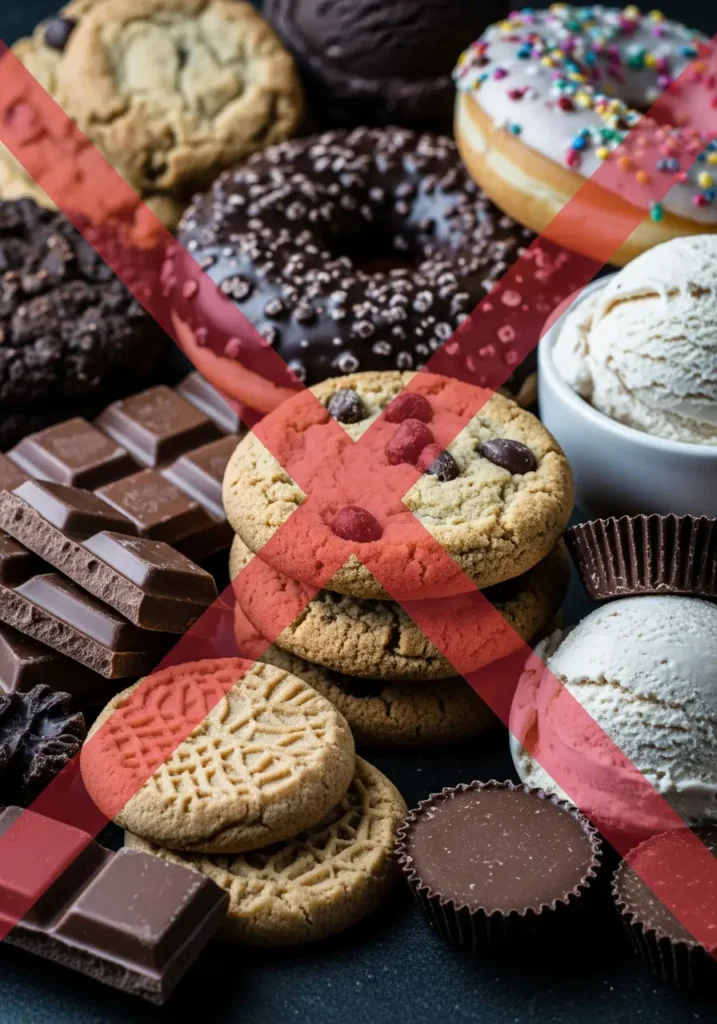
This is perhaps the most vital piece of advice I give my clinic patients. Knowing what not to eat when blood sugar is low can literally save you from a severe medical emergency. When you are crashing, you must avoid fat at all costs.
Never use chocolate bars, donuts, cookies, peanut butter cups, or ice cream as a rescue food. The high fat content in these indulgent foods severely delays stomach emptying.
Because the fat traps the sugar in your stomach, it can take over an hour for the glucose to actually reach your bloodstream. During that hour, you remain in a dangerous hypoglycemic state, risking fainting or seizures.
Hypoglycemia Meal Plan Section
To truly prevent these terrifying episodes, you should adopt a 7-day meal plan for hypoglycemia. The primary goal is absolute metabolic stability, which is achieved by eating perfectly balanced meals every three to four hours. You cannot skip meals on this regimen.
Focus heavily on foods that help with hypoglycemia, such as lean chicken, fish, lentils, steel-cut oats, and healthy fats like avocado. Your daily diet should be packed with complex, slow-digesting ingredients.
By eating the right foods to eat when hypoglycemic prone, you prevent the massive insulin spikes that ultimately lead to the severe crashes. Consistency is your best medicine.
Low Blood Sugar Emergency Snacks
Preparedness is your most effective medical intervention. You should have designated emergency snack stations in your car glovebox, your office desk, your gym bag, and your bedside table.
- Immediate Rescue Snacks: Small apple juice boxes, tubes of glucose gel, rolls of glucose tablets, or small packets of pure honey.
- Sustained Anchor Snacks: Pre-packaged peanut butter crackers, small bags of trail mix, or protein bars. (Remember, these are only to be eaten after the initial rescue sugars have stabilized your numbers).
Lifestyle Prevention Section
Fixing a low is necessary, but preventing one entirely is the ultimate goal. Eat regular meals at the exact same times every day to train your body’s insulin response. Erratic eating schedules confuse your pancreas.
If you exercise regularly, monitor your glucose closely. Physical activity actively drains blood sugar from your bloodstream. You may need to eat a small complex carbohydrate snack, like half an apple with peanut butter, 30 minutes before working out to prevent a sudden drop.
Frequently Asked Questions
What is the best snack for low blood sugar?
The best approach is actually a two-part system. First, consume 15 grams of fast-acting carbs (like half a cup of juice) for immediate rescue. Once stable, follow up with a stabilizing combo of protein and complex carbs (like cheese and whole-grain crackers).
What should I eat if I feel shaky and weak?
Immediate shakiness requires fast-acting, fat-free sugar. Drink half a cup of regular soda, chew four glucose tablets, or swallow a tablespoon of honey. Sit down immediately, wait 15 minutes, and recheck your levels.
How to increase sugar level immediately?
The fastest clinical way to raise your glucose is by utilizing commercial glucose gel or tablets. They are formulated purely for this purpose and are absorbed directly through the mucosal tissues in your mouth and stomach without needing complex digestion.
What foods are good for low blood sugar?
For daily prevention, lean proteins, high-fiber grains, and healthy fats are excellent for keeping sugar stable. However, for treating an active low blood sugar emergency, you need pure, simple sugars like fruit juice or hard candies.
What should I do if my blood sugar is low?
Stop whatever you are doing immediately (especially if you are driving). Consume 15 grams of fast carbohydrates, wait exactly 15 minutes, recheck your glucose levels, and follow up with a solid protein snack once your numbers are above 70 mg/dL.
Conclusion
Experiencing low blood sugar is alarming, but being equipped with the right knowledge transforms a panicked emergency into a manageable moment. Knowing what to eat when blood sugar is low empowers you to respond quickly, safely, and effectively without triggering a massive rebound spike.
Remember the 15-15 rule, prioritize fast-acting, fat-free sugars for immediate rescue, and always anchor your recovery with a solid protein snack.
Take Action Today: Build your emergency snack kits for your car, desk, and nightstand right now. Track your glucose levels carefully, and if you experience frequent hypoglycemic episodes, consult your healthcare provider immediately to adjust your medical or dietary plan.
Medical References:
- American Diabetes Association (ADA) – Hypoglycemia (Low Blood Glucose) & The 15-15 Rule
- Centers for Disease Control and Prevention (CDC) – Low Blood Sugar (Hypoglycemia)
- National Institute of Diabetes and Digestive and Kidney Diseases (NIDDK) – Low Blood Glucose (Hypoglycemia)
- Mayo Clinic – Hypoglycemia: Symptoms, Causes, and Treatment
- Diabetes Care (Peer-Reviewed Medical Journal by the ADA) – Domain Link
Related Posts



MORE from Author
Read More As a physician specializing in exercise science and public health, I regularly consult patients who feel completely lost in the…
 Just last week, a 34-year-old patient named Clara sat in my clinic, feeling entirely overwhelmed by the modern fitness industry.…


 Hello, I am Dr. Kenji Sato, MD, specializing in sports medicine and performance optimization. In my sports clinic, I constantly…
- In my clinical practice as a physician focused on exercise science, I often tell patients that mastering fitness bench workouts…