
Blood Sugar Levels Explained: Normal, High, Low & Charts by Age (2026 Guide)
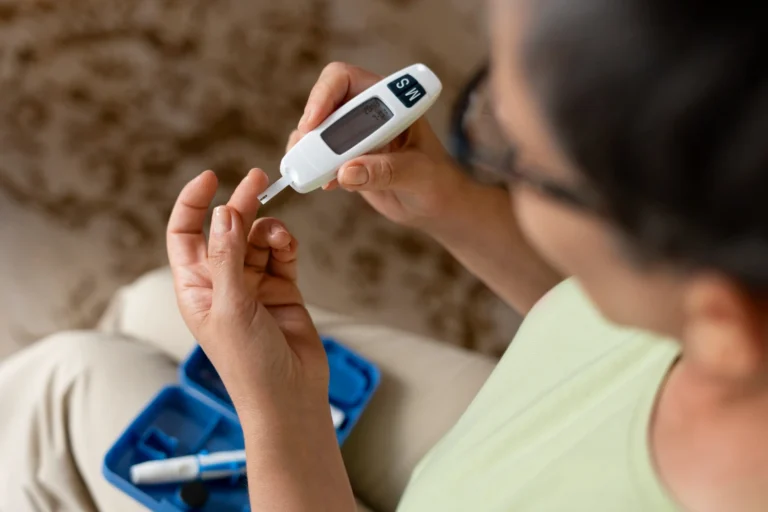
In my clinical practice, I often see patients confused about what their blood sugar readings actually mean for their health. Understanding blood sugar levels is one of the most important parts of metabolic health, yet many people panic over a single number because they don’t know what normal blood sugar levels look like throughout the day.
I recently spoke with a patient named John who was extremely anxious about a post-dinner reading of 135 mg/dL.
After explaining that glucose naturally rises after meals and reviewing a clear blood sugar levels chart with him, he realized his reading was well within a normal range. Situations like this are very common, and they highlight how important proper education is.
In this guide, I’ll walk you through normal versus dangerous blood sugar levels, explain daily fluctuations, and outline what to do if your numbers fall outside the recommended range so you can manage your metabolic health with confidence.
Quick Answer: Normal Target Ranges
If you need a fast reference for a normal blood sugar level, here are the standard medical benchmarks for a healthy adult without diabetes:
- Fasting (before eating): 70–99 mg/dL
- Two hours after eating: Less than 140 mg/dL
- HbA1c (3-month average): Less than 5.7%
Maintaining your numbers within this normal blood sugar level range is the key to preventing long-term metabolic complications.
What Are Blood Sugar Levels?
When doctors discuss what blood sugar levels are, they are referring to the concentration of glucose circulating in your bloodstream. Glucose is a simple sugar derived from the carbohydrates you eat, serving as the primary energy source for your brain, muscles, and organs.
Your body regulates these levels using insulin, a hormone produced by the pancreas. When you ask what normal blood sugar levels are, you are essentially asking if your pancreas and cells are communicating effectively. If this system breaks down, glucose builds up in the blood, leading to metabolic dysfunction.
What Are Normal Blood Sugar Levels?
Understanding what blood sugar levels should be depends entirely on when you measure them. Blood glucose is highly dynamic, shifting constantly based on your meals, stress, sleep, and physical activity. Normal blood sugar levels for adults are categorized into two main states: fasting and post-prandial (after eating).
Patients often ask what good blood sugar levels to aim for daily. The goal is not a single static number, but rather a healthy, controlled range that avoids extreme peaks and devastating crashes throughout a 24-hour cycle.
Normal Fasting Blood Glucose Range
Your fasting blood sugar levels are measured after you have not eaten for at least eight hours, typically first thing in the morning. For a healthy individual, a normal fasting blood glucose range falls strictly between 70 and 99 mg/dL.
Readings consistently between 100 and 125 mg/dL indicate prediabetes, signaling a need for lifestyle intervention.
Blood Sugar Levels After Eating
It is perfectly normal for your glucose to rise after a meal. Blood sugar levels after eating (post-prandial) should peak about an hour after your meal and then steadily decline.
To be considered within the normal blood sugar levels after eating range, your reading should drop back below 140 mg/dL two hours after your first bite of food.
Blood Sugar Levels Chart
To make tracking easier, medical professionals use standardized benchmarks. Reviewing a normal blood sugar levels chart helps you instantly categorize your daily readings. The following blood sugar levels chart for adults outlines the clinical thresholds for normal metabolism, prediabetes, and clinical diabetes.
| Condition | Fasting Target | 2 Hours After Eating |
| Normal | 70–99 mg/dL | Less than 140 mg/dL |
| Prediabetes | 100–125 mg/dL | 140–199 mg/dL |
| Diabetes | 126 mg/dL or higher | 200 mg/dL or higher |
Using this blood sugar level chart range allows you to monitor your progress objectively. I advise patients to print this chart and keep it near their testing kits.
Normal Blood Sugar Levels Chart by Age
Metabolic efficiency naturally shifts as we grow older. While the diagnostic criteria for diabetes remain the same, target goals may be slightly adjusted for older adults to prevent dangerous low-sugar events. When looking at a normal blood sugar level chart by age, pediatric targets differ slightly from geriatric targets.
For adults over 60 with existing health conditions, physicians sometimes adopt less stringent targets. For example, a blood sugar level chart by age 60 goals might allow a fasting glucose up to 100-110 mg/dL.
Strict control in older, frail patients can sometimes lead to severe hypoglycemia. Always consult your endocrinologist to determine your specific normal blood sugar by age targets.
High Blood Sugar Levels (Hyperglycemia)
When your body cannot produce enough insulin or becomes resistant to it, glucose becomes trapped in the bloodstream. Consistently high blood sugar levels (hyperglycemia) act like slow-moving shards of glass, damaging blood vessels, nerves, and major organs over time.
Patients often miss the early warning signs that their blood sugar levels are high. If you are wondering what 5 signs your blood sugar is too high are, look for excessive thirst, frequent urination (especially at night), chronic fatigue, blurred vision, and slow-healing cuts.
High blood sugar symptoms and treatment requires immediate dietary adjustments, hydration, and often medical intervention.
Low Blood Sugar Levels (Hypoglycemia)
Conversely, a sudden drop in glucose is an acute medical event. Low blood sugar levels (hypoglycemia) occur when your reading falls below 70 mg/dL. This deprives your brain of its primary fuel, triggering a massive adrenaline release as your body enters panic mode.
If you are unfamiliar with what low blood sugar levels are, the symptoms are sudden and severe. A low blood sugar levels chart will list warning signs such as uncontrollable shaking, cold sweats, profound confusion, irritability, and rapid heartbeat. Immediate treatment with fast-acting carbohydrates is required.
What Level of Blood Sugar is Dangerous?
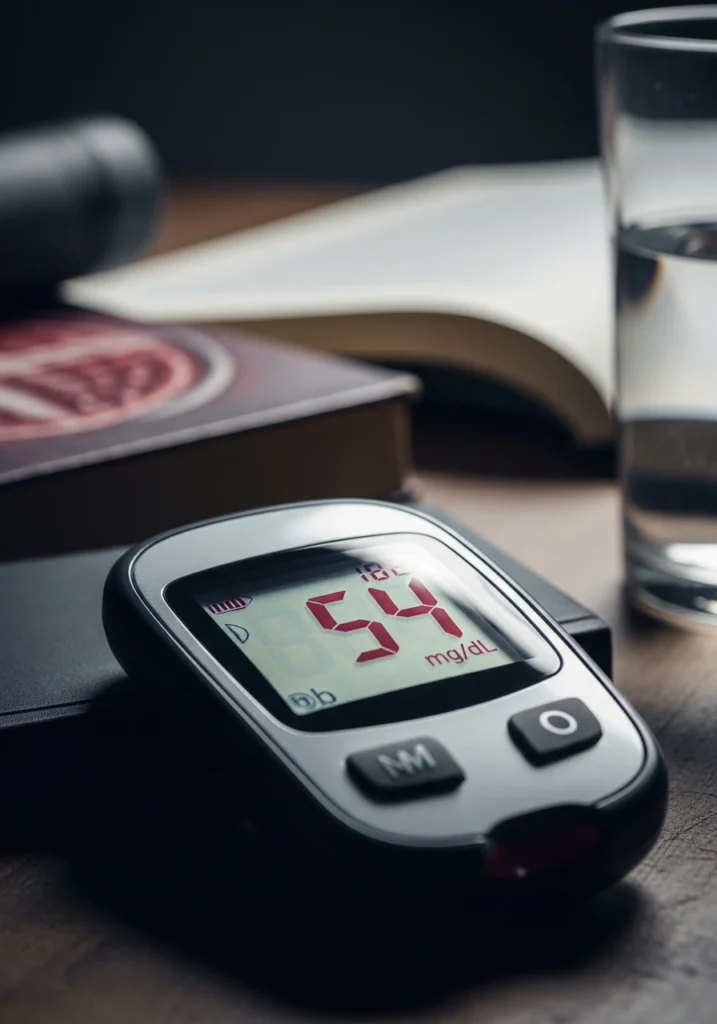
It is crucial to know when home management is no longer safe. What is a worrisome blood sugar level? Any reading below 54 mg/dL is considered severe hypoglycemia and can lead to seizures or a coma. You must consume pure sugar instantly and seek help.
On the high end, a reading above 250 mg/dL, especially when accompanied by ketones in the urine, shortness of breath, or vomiting, indicates a life-threatening emergency known as diabetic ketoacidosis (DKA). This requires immediate emergency room treatment.
Diabetes Blood Sugar Levels
When a patient is formally diagnosed, the clinical targets shift slightly to balance safety with realistic metabolic control. For those actively managing the condition, diabetic blood sugar level targets are generally more forgiving than those of a person without the disease.
The American Diabetes Association recommends a fasting target of 80 to 130 mg/dL for non-pregnant diabetic adults.
I frequently remind his newly diagnosed patients not to chase perfection at the expense of their sanity. For instance, type 2 diabetes blood sugar levels should ideally remain below 180 mg/dL two hours after a meal.
Pushing targets too low too quickly with aggressive medication can often trigger dangerous hypoglycemic episodes, which are far more immediately life-threatening than a mild spike.
How to Check Blood Sugar Levels
Knowing how to check blood sugar levels at home is the cornerstone of metabolic management. You cannot fix what you do not measure.
Traditionally, patients use a standard glucometer, which requires a small finger prick to draw a drop of blood onto a test strip. This provides an instant snapshot of your glucose concentration at that exact second.
In recent years, the technology has evolved dramatically. Now I heavily advocate for the use of a continuous blood sugar level monitor (CGM) for patients requiring tight control.
A CGM uses a tiny sensor inserted under the skin of the arm or abdomen, sending real-time data to your smartphone every five minutes and showing you exactly how certain foods impact your unique physiology.
How to Read Blood Sugar Levels
Depending on where you live or what medical articles you read, you will encounter two different units of measurement, which can cause significant confusion.
In the United States, glucose is measured in milligrams per deciliter (mg/dL). However, in the UK, Canada, and much of Europe, it is measured in millimoles per liter (mmol/L).
Patients sometimes search online in a panic regarding a blood sugar level of 150 to 200 mmol meaning. This is almost certainly a mix-up of units. A reading of 150 to 200 mg/dL means your sugar is elevated, typical of a post-meal spike or uncontrolled diabetes.
If a reading were truly 150 mmol/L, it would be medically impossible and fatal. To convert mmol/L to mg/dL, simply multiply by 18.
How to Manage Blood Sugar Levels
Learning how to control blood sugar levels requires a multifaceted lifestyle approach rather than relying solely on medication. I emphasized to my clinic patients that medication acts as a bridge, but lifestyle modifications build the foundation.
Knowing how to balance blood sugar levels requires mastering three core pillars: nutrition, movement, and stress reduction.
Dietary Strategies
Your daily food choices dictate the immediate rise and fall of your glucose. To prevent aggressive spikes, you must prioritize low-glycemic index (GI) foods. These include high-fiber vegetables, lentils, beans, and whole grains like quinoa. Soluble fiber slows down gastric emptying, allowing sugar to drip slowly into your bloodstream rather than flooding it all at once.
Exercise Routines
Physical movement is arguably the most potent non-pharmaceutical tool for metabolic health. When you engage in cardiovascular exercise or resistance training, your muscles require energy.
During active contraction, your muscles can pull glucose out of your bloodstream without requiring insulin, instantly improving your cellular insulin sensitivity and lowering circulating sugar.
Sleep and Hormonal Balance
Poor sleep directly destroys metabolic stability. If you sleep less than six hours, your body produces excess cortisol (the stress hormone) the following day.
Cortisol signals your liver to dump emergency glucose stores into your blood, causing unexplained spikes even if you are eating perfectly. Prioritizing seven to eight hours of deep sleep is mandatory for glycemic control.
How to Lower Blood Sugar Levels
When you see a high number on your meter, knowing exactly what lowers blood sugar levels fast can prevent panic. If you are asking how to lower blood sugar levels during an acute spike, immediate hydration is your first step.
Drinking 16 to 24 ounces of plain water dilutes the sugar in your blood and forces your kidneys to excrete the excess through urination.
Following hydration, engage in 15 to 20 minutes of brisk walking. Avoid any further carbohydrate consumption until your numbers return to baseline. If you rely on insulin, administer your correction dose precisely as prescribed by your endocrinologist.
How to Raise Blood Sugar Levels
Conversely, if your meter reads below 70 mg/dL, you must act instantly to raise it. Do not attempt to fix a low with high-fat foods like chocolate or ice cream, as the fat drastically delays the absorption of sugar. You need pure, unobstructed carbohydrates.
Consume 15 grams of fast-acting glucose, such as four glucose tablets, four ounces of fruit juice, or a tablespoon of pure honey. Wait exactly 15 minutes and recheck your levels. If you are still below 70 mg/dL, repeat the process. Once stabilized, eat a small snack containing complex carbs and protein to anchor the sugar.
What Does Chicken Do to Blood Sugar Levels?
Patients frequently ask specific dietary questions, such as: What does chicken do to blood sugar levels? Because chicken is a pure, lean protein with zero carbohydrates, it does not cause any immediate spike in blood glucose. In fact, it is an excellent stabilizing food.
When you pair a lean protein like chicken with a complex carbohydrate (like a sweet potato), the protein physically slows down the digestion of the carbohydrate. This blunts the glycemic impact, resulting in a smooth, gentle rise in glucose rather than a sharp, dangerous spike.
Healthy Blood Sugar Levels

Ultimately, maintaining healthy blood sugar levels is about minimizing extreme glycemic variability. A healthy metabolism is not one that stays perfectly flat—it is natural for glucose to rise gently after a meal. Good blood sugar levels look like rolling hills on a graph, rather than aggressive, jagged mountain peaks and deep valleys.
By utilizing the blood sugar level charts provided, partnering with your healthcare provider, and committing to daily habits that support insulin sensitivity, you can achieve long-lasting metabolic stability.
Frequently Asked Questions
What is a normal blood sugar target?
For a healthy adult without diabetes, a normal fasting target is strictly between 70 and 99 mg/dL. Two hours after beginning a meal, your levels should naturally drop back below 140 mg/dL as your insulin effectively clears the glucose from your bloodstream.
What causes normal blood sugar levels?
Normal levels are maintained by a perfectly balanced feedback loop between your pancreas, which secretes insulin to lower sugar, and your liver, which releases stored glucose when you need energy. Consistent sleep, a balanced diet, and regular exercise keep this hormonal communication functioning smoothly.
What is high blood sugar & low blood sugar?
High blood sugar (hyperglycemia) occurs when glucose builds up in the blood due to a lack of insulin or insulin resistance, typically diagnosed above 126 mg/dL fasting. Low blood sugar (hypoglycemia) occurs when glucose drops below 70 mg/dL, starving the brain of immediate fuel and causing shakiness and confusion.
What is a normal count of blood sugar?
A “normal count” is highly dependent on when you last ate. Fasting counts should be under 100 mg/dL. However, a normal count one hour after eating a heavy meal might temporarily reach 130 to 140 mg/dL before returning to baseline, which is a perfectly healthy metabolic response.
Conclusion
Understanding your blood sugar levels is the first, most vital step in taking absolute control of your long-term health. Whether you are actively managing diabetes, trying to reverse prediabetes, or simply aiming for optimal metabolic function, knowing your numbers removes the fear and guesswork from the equation.
By tracking your normal ranges, recognizing the symptoms of extreme highs and lows, and implementing sustainable lifestyle habits, you dictate your metabolic future.
Check your levels regularly, strictly follow a balanced, low-glycemic diet, and always consult your healthcare provider to tailor these targets to your unique physiology.
Medical References:
- American Diabetes Association (ADA) – Diagnosis and Classification of Diabetes: Standards of Care in Diabetes—2026
- Centers for Disease Control and Prevention (CDC) – Treatment of Low Blood Sugar (Hypoglycemia)
- Mayo Clinic – Type 2 Diabetes: Diagnosis and Treatment
- National Institute of Diabetes and Digestive and Kidney Diseases (NIDDK) – Managing Diabetes and Knowing Your Numbers
- Centers for Disease Control and Prevention (CDC) – Get Active and Manage Blood Sugar
Related Posts






MORE from Author
Read More As a physician specializing in exercise science and public health, I regularly consult patients who feel completely lost in the…
 Just last week, a 34-year-old patient named Clara sat in my clinic, feeling entirely overwhelmed by the modern fitness industry.…


 Hello, I am Dr. Kenji Sato, MD, specializing in sports medicine and performance optimization. In my sports clinic, I constantly…
- In my clinical practice as a physician focused on exercise science, I often tell patients that mastering fitness bench workouts…