Blood Sugar Monitor: Complete 2026 Guide to Devices, Accuracy, and Needle-Free Options
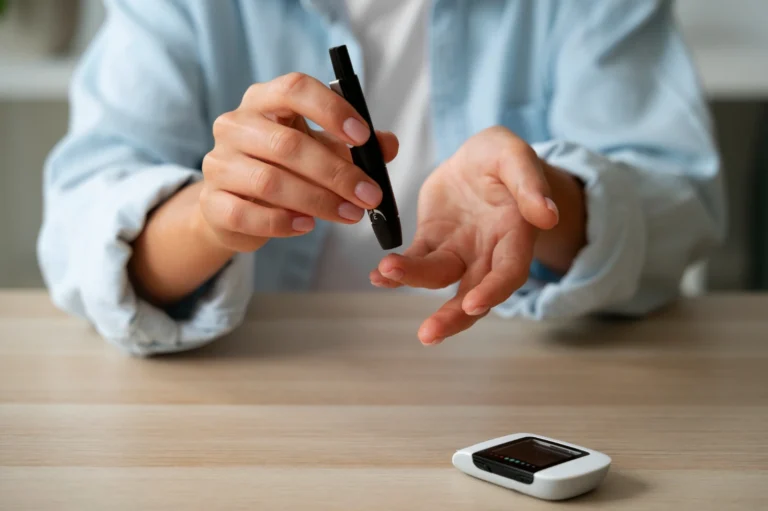
In my clinical practice, I’ve found that effectively managing diabetes or prediabetes begins with one essential tool: a reliable blood sugar monitor. Years ago, checking glucose required frequent finger pricks, which often led to discomfort, frustration, and poor long-term compliance among patients.
Today, glucose monitoring technology has advanced significantly. From continuous glucose monitoring (CGM) systems to newer options designed to reduce or eliminate routine finger pricks, patients now have more convenient and user-friendly choices.
I recently treated a patient named David who felt overwhelmed by his diagnosis and had a strong fear of needles. After transitioning him to a continuous glucose monitor, his anxiety decreased, and his consistency with daily tracking improved dramatically.
In this guide, I’ll walk you through the best blood sugar monitor options available today, including emerging non-invasive technologies. You’ll also learn about accuracy, cost considerations, and how to choose a device that fits your specific health needs and lifestyle.
What Is a Blood Sugar Monitor?
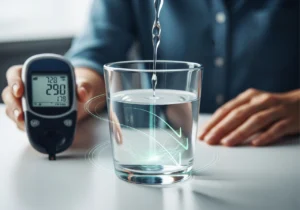
A blood sugar monitor, clinically known as a blood glucose meter, is a compact medical device used to measure the approximate concentration of glucose in the blood.
For anyone managing metabolic conditions, this device acts as a daily compass. It tells you exactly how your body responds to food, stress, exercise, and medication.
Many patients frequently ask me in my clinic, “What is the best blood sugar monitor?” or “What is the most accurate blood sugar monitor?”
The truth is, the right answer depends entirely on your lifestyle, insurance coverage, and medical requirements. Understanding the basic mechanisms is the first step in making an informed choice.
Types of Blood Sugar Monitors
- Traditional glucometer: Requires a small blood drop from a finger prick.
- Continuous glucose monitoring devices: Use a tiny under-skin sensor for real-time tracking.
- Non-invasive blood sugar monitor: Emerging technology aiming to read glucose without breaking the skin.
Types of Blood Sugar Monitors Explained
The medical device industry has seen rapid innovation leading up to 2026. Here is a detailed breakdown of the different types of monitors currently available to patients, highlighting how they work and who they are best suited for.
Finger-Prick Glucometers
The traditional glucometer remains the most widely used device globally. It requires you to prick your fingertip with a lancet, place a small drop of blood on the blood sugar monitor test strips, and insert them into the meter to get a reading.
While highly affordable and historically reliable, the main drawback is patient discomfort. However, for those learning how to use a blood glucose meter correctly, modern lancets are much thinner, making the process significantly less painful.
If you need to know how to use blood sugar monitor devices on a budget, this is still the gold standard.
Continuous Glucose Monitoring (CGM Devices)
CGM technology has absolutely revolutionized endocrinology. Instead of individual blood drops, these devices use a tiny sensor inserted just under the skin to measure interstitial fluid glucose every few minutes. This provides a real-time, continuous blood sugar monitor experience.
Popular systems like the Dexcom G7 Continuous Glucose Monitor transmit data directly to your smartphone. A constant blood sugar monitor allows patients to see trends and alarms for dangerous lows.
For patients on insulin, a Dexcom blood sugar monitor or similar CGM is practically a medical necessity today.
Wearable & Patch Monitors
These are essentially a subcategory of CGMs but are heavily marketed for their physical convenience. A blood sugar monitor patch or a blood sugar monitor on the arm is designed to be waterproof, unobtrusive, and easy to wear during sports, sleeping, or swimming.
This type of wearable blood sugar monitor typically lasts between 10 and 14 days before the sensor needs replacing. They are excellent for highly active individuals who do not want a bulky device interfering with their daily routines.
Non-Invasive Blood Sugar Monitors (No Needles)
The holy grail of diabetes care is a completely prickless blood sugar monitor. Technologies utilizing radio-frequency waves, optical spectroscopy, and electromagnetic sensors are rapidly developing in lab settings.
While many online ads claim to offer a blood sugar monitor without finger pricks, true medical-grade noninvasive blood sugar monitor devices are still navigating rigorous FDA approvals. Be cautious of cheap, unverified devices claiming 100% accuracy without any skin penetration.
Smartwatch & App-Based Monitoring
Tech enthusiasts constantly ask Dr. Sato about the best smartwatch with blood sugar monitor capabilities. Many patients specifically ask, “Can the Apple Watch monitor blood sugar?” or “Which Apple Watch can monitor blood sugar?”
As of 2026, while smartwatches can integrate with CGM apps to display your readings, a standalone blood sugar monitor watch that accurately measures glucose directly through the wrist does not exist for medical dosing.
Does the Apple Watch monitor blood sugar on its own? No, it still requires a paired skin sensor to pull the clinical data.
How to Monitor Blood Sugar at Home: Step-by-Step Guide
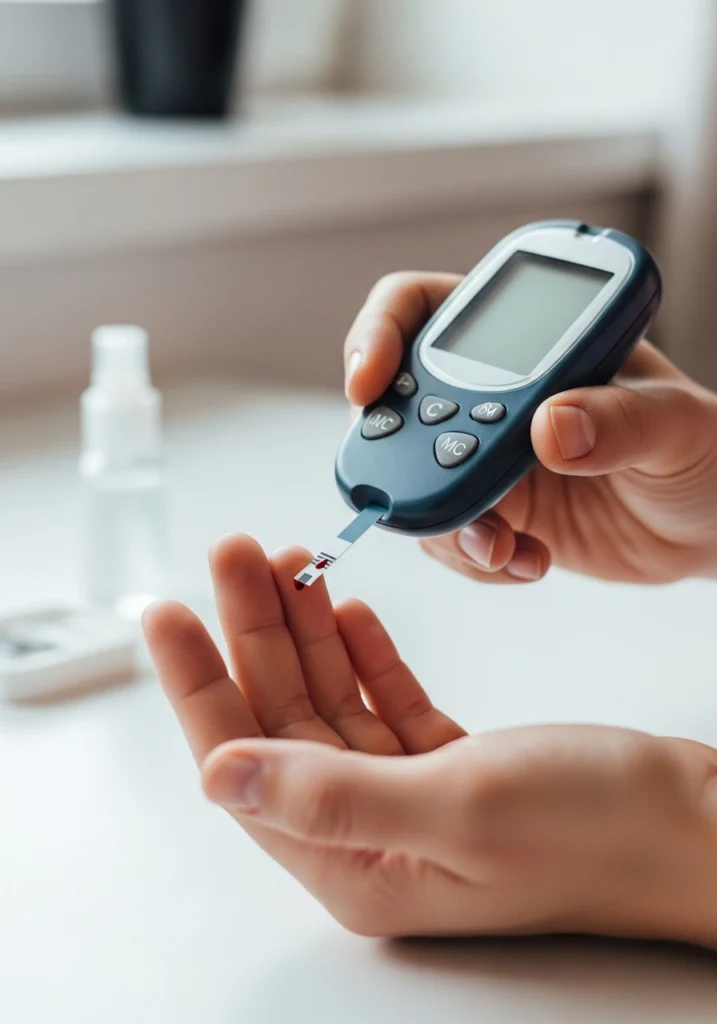
Knowing how to monitor blood sugar levels accurately is vital for safe diabetes management. Poor technique can lead to false readings, which might cause you to take the wrong dose of insulin. Here is Dr. Sato’s clinical protocol for home testing.
Using a Traditional Glucometer
If you are wondering how to monitor your blood sugar with a traditional device, start by washing your hands with warm water and soap. Dirt, sweat, or residual food on your fingers will drastically skew the results.
Next, insert a fresh test strip into the meter. Prick the side of your fingertip (it has fewer nerve endings than the pad) and gently squeeze to form a drop. Apply the blood to the strip. Knowing how to monitor blood sugar at home properly ensures you get an accurate, actionable reading every single time.
Using a Continuous Glucose Monitor
Applying a CGM is much simpler but requires proper site rotation to avoid scar tissue. Clean the back of your arm or your abdomen with an alcohol swab and let it dry completely. Use the provided applicator to quickly stamp the sensor onto your skin.
Once applied, you simply pair the device to your smartphone via Bluetooth. Learning how to monitor blood sugar with a CGM primarily involves setting up your app alerts correctly, ensuring your phone warns you before a severe high or low occurs.
Blood Sugar Monitor Without Finger Pricks — Do They Work?
The clinical demand for a blood sugar monitor without finger pricks is incredibly high. Patients want to know: how does a blood sugar monitor without finger pricks work, and is it medically safe? Currently, CGMs are the closest approved option, eliminating daily pricks for up to two weeks at a time.
If you are searching for the best blood sugar monitor without finger pricks, devices like the FreeStyle Libre 3 or Dexcom G7 are the current clinical gold standards. While they require an initial tiny filament insertion, true non-invasive optical clips are still in trials and should not be used for medical decisions yet.
Best Blood Sugar Monitors in 2026
Navigating the medical device market can be overwhelming for newly diagnosed patients. When patients ask Dr. Sato for recommendations, he customizes his advice based on their technological comfort and budget. Here is a clinical breakdown of the top picks across different categories for 2026.
Best Overall: Dexcom G7 Continuous Glucose Monitor
For absolute precision and user-friendly features, the Dexcom G7 is currently unmatched. It is a fully integrated wearable sensor that requires zero finger-prick calibrations. It sends alerts directly to your smartphone before you even experience a dangerous low, making it incredibly safe for insulin-dependent patients.
Best for Budget: Contour Next One
If you need a highly accurate traditional meter that will not break the bank, the Contour Next One is excellent. Its test strips are relatively inexpensive, and it features a smart light system that immediately indicates if your reading is within the target.
Best “Non-Invasive” (CGM): FreeStyle Libre 3 Glucose Monitoring System
For those wanting the best blood sugar monitor without finger pricks for daily checks, the FreeStyle Libre 3 is phenomenal. It is the size of two stacked pennies and provides a constant stream of glucose data directly to an app, eliminating the need to physically scan the sensor.
Best for Beginners: Accu-Chek Guide
This traditional meter features a spill-resistant test strip vial and a bright, backlit display. Dr. Sato often recommends this for older patients who struggle with handling tiny test strips, as the physical design is heavily optimized for ease of use.
What Is the Most Accurate Blood Sugar Monitor?
Accuracy is the most critical factor when choosing a device, as your medication dosing depends directly on these numbers. If you are asking what the most accurate blood sugar monitor is, you must look for devices that meet strict ISO 15197:2013 or FDA standards. This means the device must be within 15% of a lab result 95% of the time.
Traditional finger-prick glucometers, specifically models like the Contour Next Gen, often boast the highest point-in-time accuracy because they test capillary blood directly. However, determining what the best blood sugar monitor for overall glycemic control is often leans toward CGMs.
While a CGM measures interstitial fluid (which has a slight 5-to-10-minute lag behind blood), the massive volume of data it provides is clinically superior. Seeing the trend of your glucose is usually much more valuable to your endocrinologist than a single, perfectly accurate pinprick number.
Blood Sugar Monitor Cost & Insurance Coverage
Financial considerations play a massive role in diabetes management. Patients frequently abandon testing simply because the supplies become too expensive. Understanding the blood sugar monitor price landscape helps you budget effectively for your long-term health.
How Much Does a Blood Sugar Monitor Cost?
Traditional glucometers are remarkably cheap upfront, often ranging from $15 to $30 for the meter itself. The true cost lies in the test strips, which can run between $0.50 and $1.00 per strip. For a patient testing four times a day, this adds up quickly.
If you are asking how much a blood sugar monitor costs when upgrading to a CGM, expect higher expenses. Systems like Dexcom or FreeStyle Libre can cost between $100 and $300 per month out-of-pocket for the sensors, though patient assistance programs are widely available in 2026.
Over-The-Counter Availability
Many patients wonder, “Can you buy a blood sugar monitor over the counter?” The answer is absolutely yes. You do not need a prescription to purchase a traditional finger-prick meter or test strips.
Furthermore, can I buy a blood sugar monitor over the counter if I want a CGM? Yes, as of recent FDA changes, specific over-the-counter continuous monitors (like the Dexcom Stelo) are now available without a prescription for non-insulin users.
Does Insurance Cover Blood Sugar Monitors?
Insurance coverage typically depends on your exact diagnosis and your insulin dependency. Medicare and most private insurers will fully cover standard glucometers and test strips for anyone diagnosed with diabetes.
Coverage for CGMs is more stringent. Usually, you must prove you are taking multiple daily injections of insulin or have a history of severe hypoglycemic events to get a CGM fully covered. Always call your provider’s durable medical equipment (DME) department to verify.
Where to Buy a Blood Sugar Monitor
Accessibility is no longer an issue for diabetes supplies. If you need to know where to buy blood sugar monitor devices quickly, your local pharmacy is the best starting point. Most major chains keep a large supply of starter kits right on the shelves.
You can easily find a blood sugar monitor in the Walmart section or grab a CVS blood sugar monitor kit while picking up groceries. For bulk test strip purchases or specialized CGMs, ordering through verified online medical suppliers or directly from the manufacturer often yields the best discounts.
Blood Sugar Monitor Apps & Digital Tracking
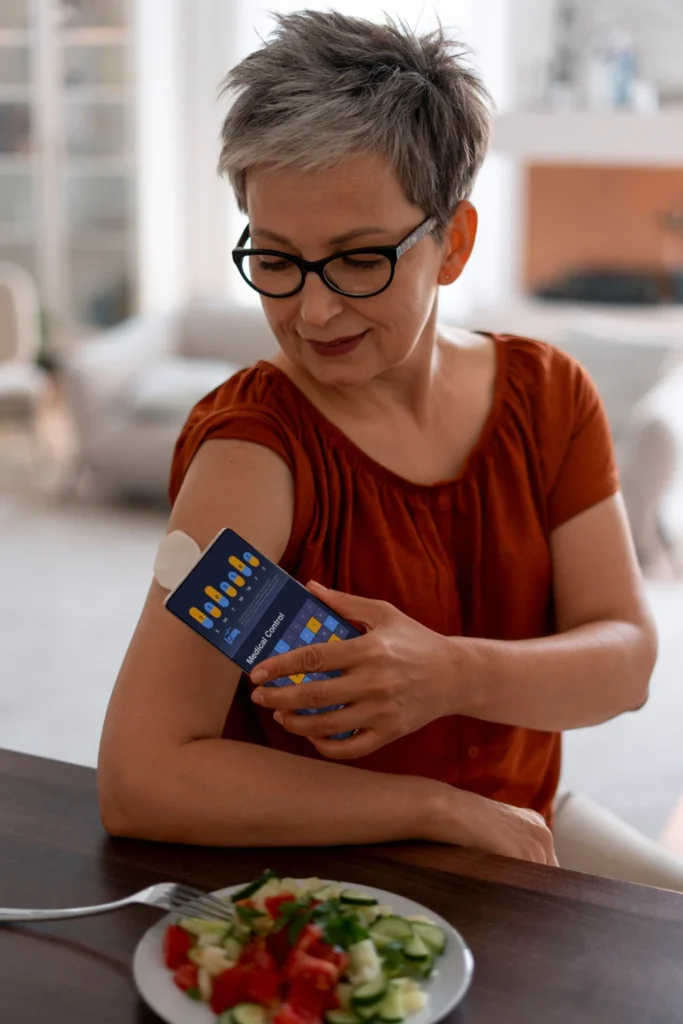
We have officially moved past the era of writing glucose numbers in a paper logbook. A dedicated blood sugar monitor app is now a fundamental part of analyzing your metabolic health. These apps sync directly with your device via Bluetooth to graph your daily trends.
In 2026, the market exploded with health-focused wearables for non-diabetics as well. The Lingo blood sugar monitor system and the Stelo blood sugar monitor app are specifically designed for people looking to optimize their general health, diet, and sports performance without needing a clinical diabetes diagnosis.
Blood Sugar Monitoring Chart & Target Levels
Having a high-tech monitor is useless if you do not understand what the numbers mean. Dr. Sato insists every patient keep a physical blood sugar monitoring chart on their refrigerator. This helps you quickly reference whether your reading is dangerous or perfectly normal.
A standard blood sugar monitor chart will show that fasting levels should be between 70 and 99 mg/dL for a non-diabetic and 80 and 130 mg/dL for someone with diabetes. Two hours after a meal, readings should ideally drop back below 140 mg/dL (or under 180 mg/dL for diabetic patients).
Who Needs a Blood Sugar Monitor?
While historically reserved for those with Type 1 or advanced Type 2 diabetes, the demographic utilizing these devices has broadened significantly. Anyone diagnosed with prediabetes should absolutely own a meter to track how dietary changes are reversing their condition.
Women diagnosed with gestational diabetes during pregnancy require rigorous monitoring to protect fetal development. Furthermore, biohackers and high-performance athletes are increasingly using CGMs to perfect their nutritional timing and enhance physical recovery.
Signs You Should Check Your Blood Sugar
Do not wait for your scheduled testing time if your body is sending you distress signals. Recognizing acute symptoms can prevent a medical emergency.
What are 5 signs your blood sugar is too high?
- Unquenchable thirst (polydipsia).
- Frequent urination, especially waking up multiple times at night.
- Suddenly, overwhelming physical fatigue after a meal.
- Blurred vision or difficulty focusing your eyes.
- A persistent, dull headache that doesn’t respond to water.
If you experience these simultaneously, use your meter immediately.
Pros and Cons of Blood Sugar Monitoring
Pros: Daily tracking provides absolute clarity on how specific foods impact your body. It allows for immediate correction of dangerous highs or lows, dramatically reducing your risk of long-term complications like nerve damage or vision loss.
Cons: The financial cost of test strips and CGM sensors can be a significant burden. Additionally, some patients experience “data fatigue” or severe anxiety from constantly looking at their numbers, which requires careful management by their healthcare team.
Future of Blood Sugar Monitoring: 2026 and Beyond
The future of endocrinology is rapidly moving toward completely non-invasive optical sensors. Tech giants are currently refining smartwatch lasers capable of reading glucose through the skin via spectroscopy.
Furthermore, AI-powered predictive algorithms are being integrated into CGM apps. These systems will soon alert you that your blood sugar will crash in 45 minutes, allowing you to eat a preventative snack long before the emergency actually occurs.
Frequently Asked Questions
Can I check my blood sugar without pricking my finger?
Yes. Continuous Glucose Monitors (CGMs) like the FreeStyle Libre or Dexcom allow you to check your glucose continuously by scanning a sensor or viewing an app, eliminating daily finger pricks. However, completely non-invasive, skin-surface tech is still not clinically approved for dosing.
What’s the most accurate blood sugar monitor?
Top-tier traditional meters like the Contour Next One provide the most accurate point-in-time capillary blood readings. However, for overall pattern accuracy and safety, FDA-approved CGMs offer superior clinical value by showing directional trends.
Which organ is most affected by diabetes?
The pancreas is directly involved as it fails to produce sufficient insulin. However, chronic high blood sugar severely damages the blood vessels, heavily affecting the kidneys (nephropathy), eyes (retinopathy), and the heart.
Conclusion
Consistent monitoring is the absolute foundation of successful diabetes and prediabetes management. Without accurate data, you are essentially flying blind. Whether you rely on an affordable finger-prick meter or invest in a cutting-edge wearable CGM, the key is consistent, daily engagement with your health.
Dr. Sato reminds all his patients that a blood sugar reading is just information—it is not a grade on your self-worth. Choose the device that fits your budget and lifestyle, compare top monitors with your doctor, and start tracking today to take back control of your metabolic future.
Medical References:
Related Posts





MORE from Author
Read More As a physician specializing in exercise science and public health, I regularly consult patients who feel completely lost in the…
 Just last week, a 34-year-old patient named Clara sat in my clinic, feeling entirely overwhelmed by the modern fitness industry.…


 Hello, I am Dr. Kenji Sato, MD, specializing in sports medicine and performance optimization. In my sports clinic, I constantly…
- In my clinical practice as a physician focused on exercise science, I often tell patients that mastering fitness bench workouts…