How to Reduce Anxiety Immediately: 15 Fast-Acting Techniques That Work
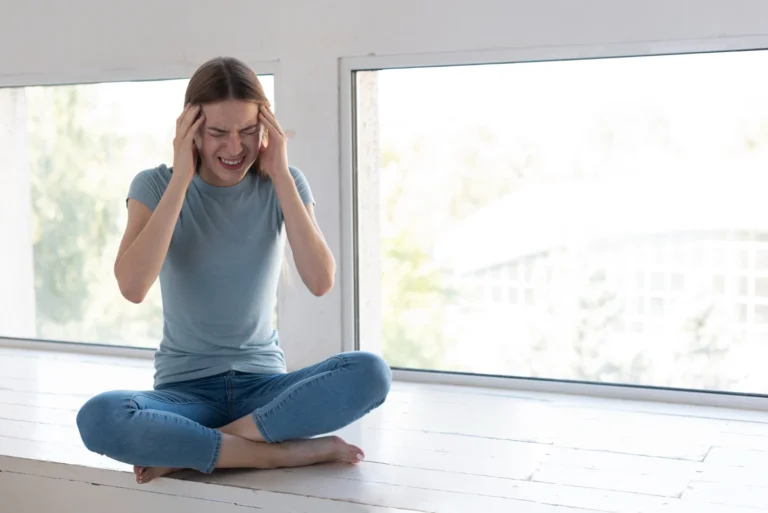
In my years of clinical practice, the most urgent question patients ask is how to reduce anxiety immediately when the walls feel like they are closing in. It is terrifying when your heart races, your chest tightens, and your mind spins out of control.
I remember sitting with a patient, David, who described his sudden panic spikes as feeling like he was “plugged into an electric socket.”
During our sessions, David and I worked on practical, rapid-response tools that he could use anywhere, whether he was on a crowded train or alone in his bedroom. You do not have to be entirely at the mercy of your nervous system when an attack hits.
This comprehensive guide is built on evidence-based mental health tips and practices to help you regain control. Whether you need to calm a sudden panic spike or soothe a racing mind, these actionable steps will help you anchor yourself back into the present moment safely and effectively.
TL;DR Summary
✔ Deep breathing: Use the 4-7-8 method to lower your heart rate.
✔ Cold water technique: Splash ice water on your face to trigger the dive reflex.
✔ Grounding exercise: Use the 5-4-3-2-1 sensory method to exit your racing thoughts.
✔ Movement: Shake out your limbs or walk quickly to burn off excess adrenaline.
Why Anxiety Feels So Intense and Sudden
To understand how to deal with anxiety, you first need to understand what is happening inside your brain. Anxiety is not a character flaw; it is a profound biological response. Your brain’s threat center, the amygdala, has falsely identified a life-threatening danger.
When this happens, your body enters a “fight-or-flight” state. It immediately dumps massive amounts of adrenaline and cortisol into your bloodstream. This chemical surge causes your heart to pound, your breathing to become shallow, and your muscles to tense up, preparing you to run or fight.
According to the National Institute of Mental Health, this biological response is highly adaptive if you are facing a physical predator. However, when you are simply sitting at your desk or lying in bed, this intense surge feels overwhelming.
Learning how to overcome anxiety in the moment means learning how to signal to your brain that the immediate environment is safe, effectively shutting off the adrenaline valve.
How to Reduce Anxiety Immediately at Home
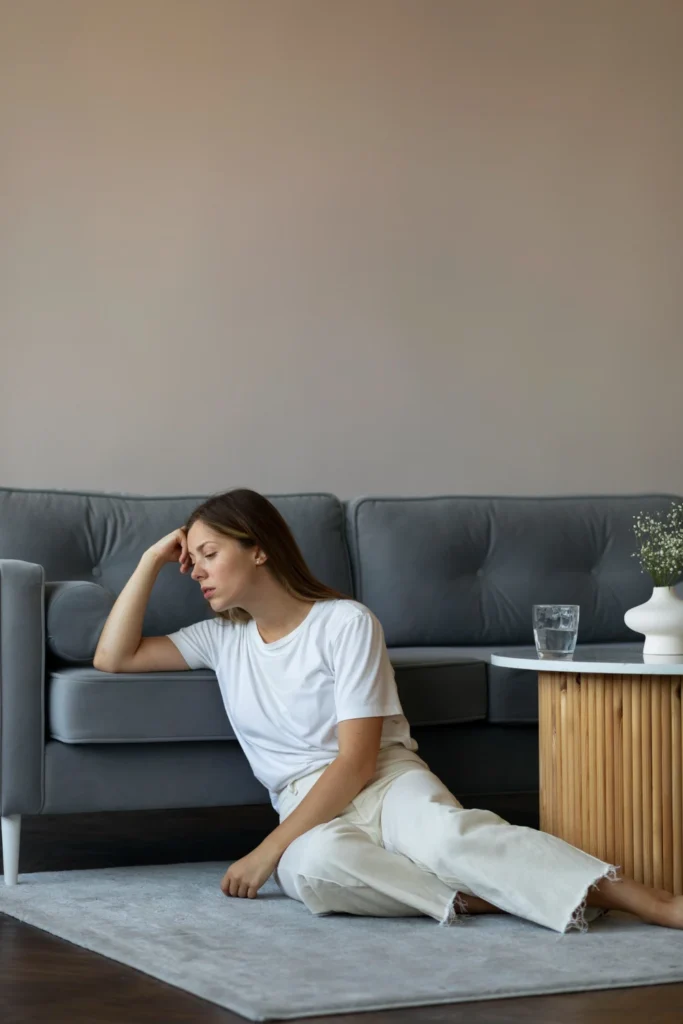
When you are in a safe environment but your nervous system is in overdrive, knowing how to reduce anxiety immediately at home is essential. Your home gives you access to physical tools that can rapidly alter your physiology.
By manipulating your physical state, you can trick your brain into calming down.
If you want to learn how to reduce stress and anxiety immediately, you must rely on somatic (body-based) interventions rather than trying to “think” your way out of it.
The American Psychological Association highlights that physical relaxation techniques are among the most effective rapid interventions. Here are the most effective home remedies.
Deep Breathing Technique
Breathing is the fastest way to access your autonomic nervous system. When you are anxious, you take shallow, rapid breaths from your chest, which signals panic to the brain. By shifting to deep, diaphragmatic breathing, you stimulate the vagus nerve, which acts as a brake on your stress response.
Try the 4-7-8 method: Inhale deeply through your nose for 4 seconds, hold your breath for 7 seconds, and exhale forcefully through your mouth for 8 seconds. The extended exhale is the key to this technique, as it physically slows your heart rate. Repeat this cycle at least four times until you feel the adrenaline begin to subside.
Cold Water Reset
This is one of the most powerful biological hacks available to you. Fill a bowl with ice water or grab a cold gel pack from the freezer. Hold your breath and submerge your face in the water, or press the cold pack firmly against your eyes and cheekbones for 15 to 30 seconds.
This triggers the “mammalian dive reflex.” Your brain immediately assumes you are submerged in cold water and forces your heart rate to drop rapidly to conserve oxygen. It instantly interrupts the panic cycle and brings your physiological arousal back to baseline.
Grounding Exercise (5-4-3-2-1)
Anxiety forces your mind to project into a catastrophic future. Grounding pulls you violently back into the present reality. Look around your room and name 5 things you can see, like a lamp or a picture frame.
Next, touch 4 things around you, noticing their texture. Listen for 3 distinct sounds, such as the hum of the refrigerator. Identify 2 things you can smell, and finally, 1 thing you can taste. This heavy sensory load distracts the amygdala, forcing your brain to process current reality rather than imagined threats.
Muscle Relaxation
Progressive muscle relaxation involves intentionally tensing and then releasing muscle groups. Start at your toes: curl them tightly for five seconds, then let them go completely limp. Move up to your calves, your thighs, your stomach, your shoulders, and finally your face.
By intentionally creating tension and then forcing a release, you train your body to recognize the difference between stress and relaxation. This physical release sends a feedback loop to the brain, confirming that the physical danger has passed.
How to Reduce an Anxiety Attack Immediately
A full-blown panic attack is a terrifying experience. Patients often end up in the emergency room because the physical symptoms mimic a heart attack. Knowing how to reduce an anxiety attack immediately requires a specific, structured response because your cognitive brain is largely offline during an attack.
If you want to know how to stop anxiety attacks in their tracks, you must first stop fighting the panic. Resistance creates more friction, which generates more adrenaline. Instead of trying to force the panic away, acknowledge it. Tell yourself, “I am having an anxiety attack, but I am not in physical danger.”
To understand how to control an anxiety attack, follow these targeted steps.
Recognize Panic Symptoms
The first step is clinical observation. Notice your racing heart, the tingling in your fingers, and the shortness of breath. Label these symptoms neutrally: “My chest is tight because of adrenaline.” By acting as an observer of your own body, you create psychological distance from the panic, which reduces its power over you.
Slow Breathing Method
During an attack, hyperventilation causes a massive imbalance of oxygen and carbon dioxide, leading to dizziness and numbness. Do not take deep, gasping breaths. Instead, cup your hands over your mouth and nose and breathe normally, or use paper bag breathing. This helps rebalance your blood gases and immediately reduces the dizzy, lightheaded feelings.
Self-Soothing Statements
Your internal monologue during an attack is usually catastrophic. You must replace it with anchoring statements. Repeat phrases like “This is uncomfortable, but it is not dangerous” or “This adrenaline will burn out in a few minutes.” ” Your brain is listening to your internal narrative, so keep it firm, soothing, and grounded in biological facts.
How to Reduce Anxiety Immediately at Night
Nighttime anxiety is particularly cruel because the distractions of the day are gone. When you are alone in the dark, every racing thought is magnified. If you are struggling with how to reduce anxiety immediately at night, you must break the association between your bed and panic.
First, if you have been tossing and turning for more than 20 minutes, get out of bed. Remaining in bed while panicking trains your brain to view the bed as a stress zone. Move to a dim room and engage in a low-stimulation activity, like reading a technical manual or doing a gentle puzzle, until you feel sleepy.
Knowing how to deal with anxiety when alone also involves cognitive offloading. Keep a journal on your nightstand. If your brain is spinning with tomorrow’s worries, write them all down. Tell your brain, “The thoughts are safely stored on this paper; we do not need to hold onto them until morning.”
How to Reduce Severe Anxiety Immediately
There is a distinct difference between mild nervousness and severe, incapacitating anxiety. When looking at how to reduce severe anxiety immediately, standard deep breathing might not be enough. The physical arousal is simply too high.
In these moments, you need intense physical redirection. Sprint in place for 60 seconds, do jumping jacks, or shake your arms and legs vigorously like a wet dog.
You have a massive buildup of stress hormones designed for physical action; the fastest way to process them is to use them up through intense movement.
Additionally, employ sensory shocks. Bite into a raw lemon or hold an ice cube tightly in your hand until it melts. The intense sensory input commands your brain’s attention, pulling it away from the severe emotional distress and forcing it to focus on the physical sensation in the present moment.
How to Reduce Social Anxiety Immediately
Social situations can trigger intense self-monitoring and fear of judgment. If you need to know how to reduce social anxiety immediately while in the middle of a crowd or a meeting, discreet tools are essential. You cannot simply drop to the floor and do progressive muscle relaxation at a dinner party.
Instead, practice external focus shifting. Social anxiety makes you hyper-focus inward on your own heartbeat or blushing face. Force your attention outward. Look at the person speaking and try to identify the exact color of their eyes, or silently count the number of blue objects in the room.
This redirects your brain’s processing power from internal threat-monitoring to external observation. You can also press your feet firmly into the floor, focusing entirely on the pressure of your soles against your shoes, grounding yourself physically without anyone noticing.
How to Reduce Caffeine Anxiety Immediately
Coffee culture is booming, but excessive caffeine can mimic the exact physiological symptoms of a panic attack. If you drank too much espresso and need to know how to reduce caffeine anxiety immediately, you must focus on metabolizing the stimulant and hydrating your system.
First, drink a large glass of water. Caffeine is a diuretic, and dehydration exacerbates feelings of anxiety and heart palpitations. Second, if you have access to it, take an L-theanine supplement. L-theanine is an amino acid found in green tea that promotes relaxation without drowsiness, and it is scientifically proven to take the “jittery” edge off caffeine.
Avoid consuming any more sugar or stimulants, and engage in light, steady exercise like a brisk walk. Do not sit still, as the trapped physical energy will manifest as severe mental agitation.
How to Reduce Anxiety Immediately With Medication
While behavioral tools are powerful, biological interventions are sometimes necessary. When patients ask how to reduce anxiety immediately, medication is often a valid part of the conversation. It is crucial to understand what medications are prescribed to help with anxiety and how they function.
Benzodiazepines
For acute, immediate panic relief, doctors may prescribe benzodiazepines (such as Xanax, Ativan, or Klonopin). According to the Mayo Clinic, these central nervous system depressants work rapidly—often within 30 minutes—by enhancing the effect of GABA, a calming neurotransmitter in the brain.
They act like a chemical brake on a runaway nervous system. However, they carry a high risk of dependency and tolerance, making them suitable only for short-term or emergency use.
Beta-Blockers
Originally designed for heart conditions, beta-blockers (like propranolol) are highly effective for performance or situational anxiety. They do not alter your brain chemistry; instead, they block the physical receptors for adrenaline.
This stops your heart from racing, your hands from shaking, and your voice from trembling. They are incredibly useful for public speaking or severe social anxiety because they keep your body calm while your mind remains sharp.
SSRIs and SNRIs
While they do not reduce anxiety immediately in an acute crisis, Selective Serotonin Reuptake Inhibitors (like Lexapro or Zoloft) are the gold standard for long-term anxiety management. They alter the baseline chemistry of your brain over several weeks, raising your threshold for panic so that sudden attacks become rare and manageable.
Foods That Reduce Anxiety Fast
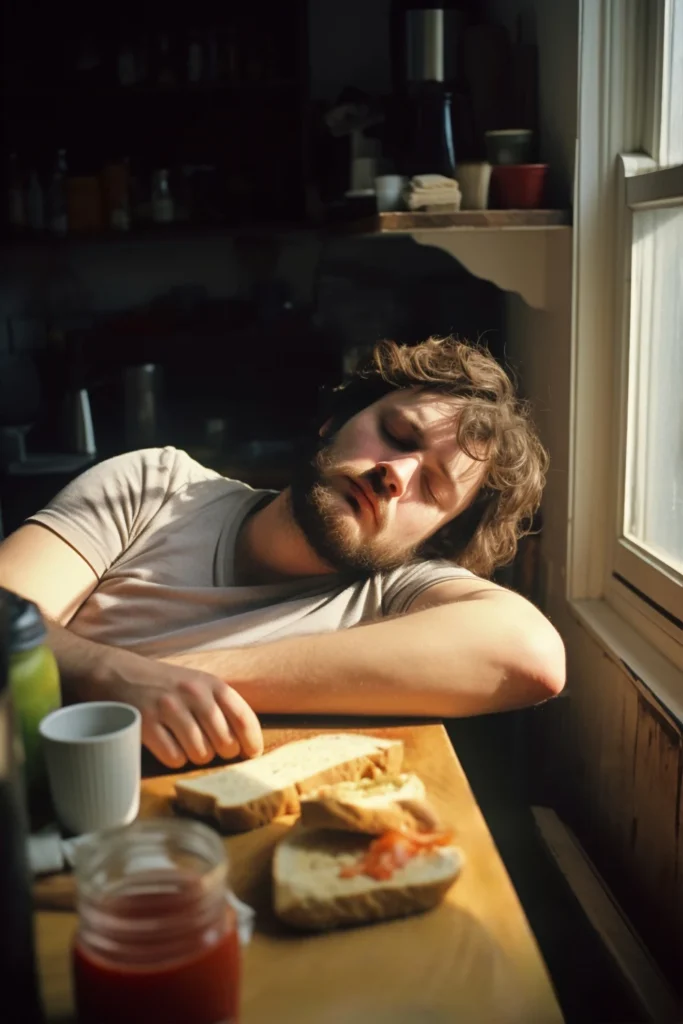
While a diet overhaul takes time, certain nutrients can acutely impact your nervous system. If you are looking for foods that reduce anxiety fast, focus on items that stabilize blood sugar and provide immediate neurological support.
Magnesium-rich foods act as a natural relaxant for the nervous system. A handful of pumpkin seeds or almonds can provide a quick magnesium boost to help ease muscle tension. Similarly, dark chocolate (70% cacao or higher) contains antioxidants and anandamide, a compound that temporarily boosts mood and reduces stress.
Herbal teas are also potent immediate remedies. Chamomile tea contains apigenin, an antioxidant that binds to the same brain receptors as anti-anxiety medications, promoting immediate relaxation. Peppermint and lemon balm teas are also excellent for soothing an anxious, upset stomach.
Frequently Asked Questions
How can I calm down my anxiety fast?
The fastest way to calm anxiety is to change your physical state. Splash ice water on your face to trigger the mammalian dive reflex, or practice 4-7-8 deep breathing to force your heart rate to slow down.
How do you calm down a panic attack?
Acknowledge the attack without fighting it. Use grounding techniques like naming 5 things you can see, breathing normally into cupped hands to balance oxygen levels, and remind yourself that the adrenaline will pass shortly.
How to self-soothe anxiety?
Self-soothing involves activating your parasympathetic nervous system. Try progressive muscle relaxation, drink a warm cup of chamomile tea, or apply gentle, firm pressure to your chest or wrist acupressure points.
How to reduce anxiety naturally?
Natural reduction relies on consistent lifestyle habits. Prioritize daily exercise to burn off excess adrenaline, reduce caffeine and alcohol intake, and maintain a consistent sleep schedule to keep your nervous system resilient.
Conclusion
Anxiety is an overwhelming force, but it does not have to dictate your life. By understanding the biological mechanics of your panic and equipping yourself with fast-acting physical and mental tools, you can weather the storm.
Whether you use the dive reflex, grounding techniques, or appropriate medical interventions, the key is to take action the moment you feel the adrenaline spike. Practice these techniques when you are calm, so they become second nature when you truly need them.
Authoritative References:
- Cell Reports Medicine (via PMC): Brief structured respiration practices enhance mood and reduce physiological arousal
- Temperature (via PMC): Body thermal responses and the vagus nerve
- Journal of Physiological Anthropology (via PubMed): Effects of L-theanine or caffeine intake on changes in blood pressure under physical and psychological stresses
- Pharmacotherapy of anxiety disorders: Guideline-conform treatment and new developments
Related Posts

MORE from Author
Read More As a physician specializing in exercise science and public health, I regularly consult patients who feel completely lost in the…
 Just last week, a 34-year-old patient named Clara sat in my clinic, feeling entirely overwhelmed by the modern fitness industry.…
 Hello, I am Dr. Kenji Sato, MD, specializing in sports medicine and performance optimization. In my sports clinic, I constantly…
- In my clinical practice as a physician focused on exercise science, I often tell patients that mastering fitness bench workouts…