
Does Alcohol Raise Blood Sugar? Effects, Risks, and Best Choices for Diabetics (2026 Guide)
Hello, I am Dr. Kenji Sato, MD. In my years of clinical practice, I have helped thousands of patients navigate the confusing intersection of diet, lifestyle, and diabetes management. If you’ve ever checked your glucose after a drink and seen unexpected spikes—or crashes—you are certainly not alone.
Just last month, I sat down with a patient named Mark. He had enjoyed a couple of beers at a weekend barbecue and woke up the next morning feeling dizzy and confused. Looking at his continuous glucose monitor data, he asked me a question I hear every single week in my office: Does alcohol raise blood sugar?
The truth is that alcohol has complex, bidirectional effects on your metabolism. Depending on multiple variables, it can both raise AND lower your glucose. This guide will break down the evidence-based facts so you can make the safest choices for your health.
TL;DR: The Quick Facts
- Alcohol can initially raise blood sugar, especially if you consume sugary drinks like beer or sweet cocktails.
- Conversely, it can dangerously lower blood sugar hours later by suppressing liver glucose production.
- For people with diabetes, this creates a severe risk of delayed hypoglycemia, particularly overnight.
Does Alcohol Raise Blood Sugar?
The short answer is yes—alcohol certainly can raise blood sugar levels. However, it is rarely the alcohol itself that causes the immediate spike. Instead, the increase is usually tied to what you are drinking alongside it.
You will typically see a sharp rise in glucose when consuming drinks mixed with heavy syrups, sodas, or juices. Additionally, consuming large quantities of carbohydrate-heavy beverages like beer will naturally drive your numbers up.
People frequently ask, does alcohol raise your blood sugar permanently? No, the spike is temporary. In fact, the much larger concern for medical professionals is the severe drop in blood sugar that often follows.
How Does Alcohol Affect Blood Sugar?
To truly understand this process, we need to look at how your body digests and metabolizes liquids. When you consume a drink, it introduces a complex metabolic puzzle for your organs to solve. The effects unfold in three distinct phases over a 24-hour period.
Immediate Effects (Blood Sugar Spike)
When patients ask me, does drinking alcohol raise blood sugar, I always ask them what exactly they drank. The immediate spike in your glucose levels comes entirely from the carbohydrates and sugars in your glass.
For instance, a standard beer is brewed from grains and is loaded with fast-digesting carbohydrates. Sweet cocktails like margaritas or piña coladas are essentially liquid desserts. Even dessert wines contain high amounts of residual sugar.
These liquid carbohydrates hit your bloodstream almost instantly. Because liquids require very little digestion, they can cause a sharper, faster glucose spike than solid food. Therefore, if you monitor your levels, you will likely see a rapid increase within the first hour of drinking.
Delayed Effects (Blood Sugar Drop)
This is the phase that catches most patients off guard. Hours after your initial drink, you might experience a significant drop in glucose. People often wonder, does alcohol lower or raise blood sugar? The dangerous reality is that it can do both in the same evening.
Your liver acts as your body’s emergency glucose reservoir. Normally, it steadily releases sugar into your blood to keep your levels stable between meals. However, your liver views alcohol as a toxin and prioritizes clearing it from your system above all other jobs.
While your liver is busy processing the alcohol, it completely stops releasing its stored glucose. If you take diabetes medications like insulin or sulfonylureas, this pause in liver function can lead to severe hypoglycemia (low blood sugar) hours after your last drink.
Next-Day Effects
The metabolic chaos does not stop when you go to sleep. Many patients want to know, does alcohol raise blood sugar the next day? You might experience rebound glucose fluctuations well into the following afternoon.
Alcohol severely disrupts your normal sleep architecture. Poor sleep triggers a surge of stress hormones in your body, which naturally increases insulin resistance.
Consequently, you might find that your blood sugar is unusually stubborn and runs high the entire next day. This makes managing your standard meals and medication timing incredibly difficult.
Why Does Alcohol Raise Blood Sugar?
The primary reason for the initial increase is the sugar content hiding in your drinks. Mixers, syrups, and the natural carbohydrates in fermented beverages provide a rapid dose of glucose directly to your bloodstream.
Furthermore, drinking temporarily increases your body’s insulin resistance. Your cells become less responsive to the insulin you naturally produce or inject, leaving more sugar stranded in your blood.
Finally, alcohol consumption triggers a hormonal response. It can cause your body to release stress hormones like cortisol and adrenaline. These hormones naturally signal your body to elevate glucose levels, compounding the problem.
Does Alcohol Raise Blood Sugar in Diabetics?
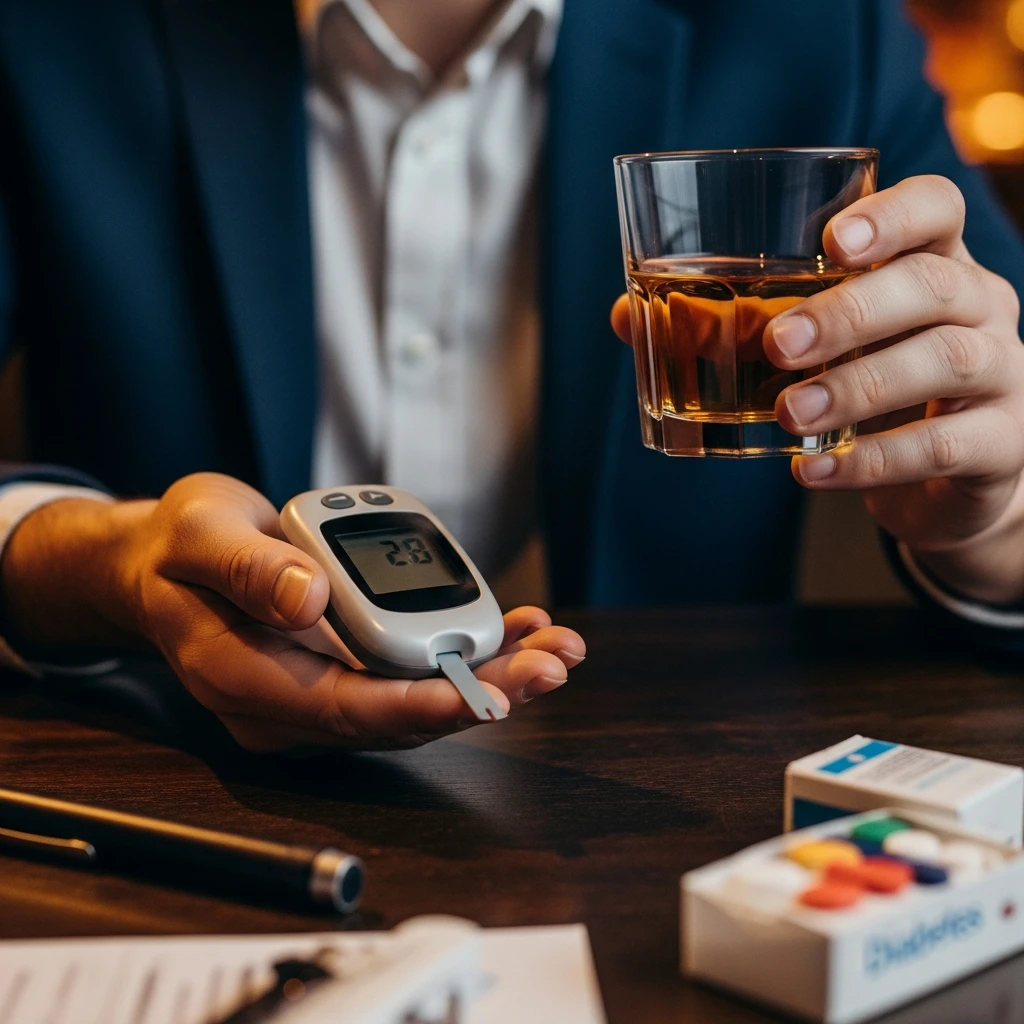
Having diabetes fundamentally changes the rules of alcohol consumption. Whether you manage Type 1 or Type 2, your body lacks the natural autoregulation needed to handle the metabolic stress of drinking easily.
Type 2 Diabetes Risks
Patients often ask, does alcohol raise blood sugar in type 2 diabetes? Yes, and it carries a dual threat. First, the extra liquid calories and carbohydrates can cause dangerous, prolonged spikes.
Second, many Type 2 medications force the pancreas to release more insulin. When combined with a liver that has stopped releasing backup glucose, the risk of delayed hypoglycemia becomes a severe medical concern.
Type 1 Diabetes Risks
For those with Type 1 diabetes, drinking is significantly more dangerous due to total insulin dependence. Because you must manually inject insulin, matching your dose to the unpredictable carbohydrate-to-alcohol ratio is incredibly difficult.
If you do for the carbs in a beer, but your liver stops producing glucose two hours later, your active insulin can cause a fatal crash. Nighttime hypoglycemia is a primary risk for Type 1 patients who consume alcohol.
Does Alcohol Raise Blood Sugar in Non-Diabetics?
A common question from concerned family members is, “Does alcohol raise blood sugar in non diabetics?” Yes, the underlying biological mechanisms remain exactly the same for everyone.
However, a non-diabetic body can compensate much better. A healthy pancreas and liver will communicate effectively to release just enough insulin to manage the spike, and then reduce insulin production to prevent a crash.
Even so, non-diabetics can still experience the negative side effects of these internal swings. Temporary spikes followed by sudden energy crashes are incredibly common after a night of heavy drinking, leading to fatigue and cravings the next day.
How Much Does Alcohol Raise Blood Sugar?
The exact impact on your glucose readings varies dramatically from person to person. How much alcohol raises blood sugar ultimately depends on four main factors. These include the type of drink, portion size, whether you ate food, and your unique metabolism.
For instance, sipping a single glass of dry wine with dinner will barely register on most glucose monitors. Conversely, drinking three beers on an empty stomach will cause a significant and measurable spike.
Here is a clear breakdown of how different beverages typically impact your glucose immediately after consumption.
| Drink Type | Blood Sugar Impact | Why It Happens |
| Beer (Standard) | Moderate to High Spike | High carbohydrate content from grains. |
| Wine (Dry Red/White) | Minimal Impact | Very little residual sugar after fermentation. |
| Sweet Cocktails | Severe Spike | Loaded with syrups, juices, and pure sugar. |
| Pure Spirits (Vodka, Gin) | Minimal Immediate Effect | Zero carbohydrates or sugars. |
Does Sugar Alcohol Raise Blood Sugar?
Many patients see “sugar alcohol” on a nutrition label and panic, assuming it is actual liquor. Does sugar alcohol raise blood sugar? No, it generally does not cause significant spikes.
Sugar alcohols, like erythritol or xylitol, are low-calorie sweeteners used in sugar-free products. They are not the same as the ethanol found in adult beverages.
Because your body cannot fully digest sugar alcohols, they pass through your system with minimal glucose impact. However, consuming them in large amounts can cause severe digestive upset, so use them sparingly.
Which Alcohol Does NOT Raise Blood Sugar?
This is often the most important section for my patients. If you choose to drink, knowing what alcohol does not raise blood sugar is crucial for your safety. We must focus on beverages that are naturally free of carbohydrates and residual sugars.
Pure Distilled Spirits
Pure spirits are generally the safest option regarding immediate glucose spikes. Vodka, gin, whiskey, rum, and tequila contain absolutely zero carbohydrates. Therefore, they will not directly raise your blood sugar when consumed neat or on the rocks.
However, the danger lies entirely in the mixers. If you mix vodka with regular cranberry juice or regular tonic water, you have instantly created a high-sugar beverage. To keep spirits safe, you must mix them with club soda, sparkling water, or zero-calorie diet sodas.
Dry Wines
Dry wines are another excellent choice for those managing diabetes. During the fermentation process, the yeast consumes nearly all the natural grape sugars. A standard glass of dry red wine (like Cabernet Sauvignon or Pinot Noir) contains less than 4 grams of carbohydrates.
Dry white wines, such as Sauvignon Blanc or Pinot Grigio, are equally safe. Keep in mind that a standard pour is only 5 ounces. Pouring a massive glass easily doubles or triples your carbohydrate intake without you realizing it.
Hard Seltzers
In recent years, hard seltzers have become incredibly popular. Brands that use sparkling water, clear alcohol, and natural flavoring typically contain only 1 to 2 grams of carbs per can. These are an excellent, portion-controlled alternative to beer.
As a physician, I advise my patients that “low carb” does not mean “risk-free.” Even if these drinks do not raise your sugar, they still force your liver to stop producing backup glucose. You must still monitor your levels to prevent a delayed hypoglycemic crash.
Does Alcohol Turn Into Sugar in the Body?
A very persistent myth I hear in my clinic is that your body converts liquor directly into glucose. Does alcohol turn into sugar in the body? No, it does not.
Your body processes ethanol through a completely different metabolic pathway. The liver breaks it down into a toxic compound called acetaldehyde, and then into harmless acetate.
It is never converted into glucose. The spikes you experience come entirely from the carbs mixed into the drink, not the ethanol itself.
Blood Sugar After Drinking Alcohol
Understanding the timeline of blood sugar after drinking alcohol helps you anticipate dangerous swings. We view this in two distinct metabolic windows.
0–2 Hours After Drinking: This is the spike window. If you consume carbs, your glucose will rise. Normal blood sugar after drinking alcohol in this window should still stay below 180 mg/dL if your diabetes is well-managed.
4–12 Hours After Drinking: This is the danger window. The liver has shut down glucose production to clear the toxins. This is when severe, life-threatening drops (hypoglycemia) occur, often while the patient is fast asleep.
Can You Drink Alcohol With Type 2 Diabetes?
Can you drink alcohol with type 2 diabetes safely? Yes, but it requires strict adherence to medical guidelines. You cannot drink casually without a plan.
The American Diabetes Association recommends a moderate intake. This means no more than one drink per day for women, and no more than two drinks per day for men.
Furthermore, you must never drink on an empty stomach. Eating a meal containing protein and healthy fats before you drink slows the absorption of ethanol. This gives your liver a fighting chance to maintain stable glucose levels.
Risks of Alcohol for Blood Sugar Control
The risks extend beyond just a single night of drinking. Chronic alcohol consumption derails long-term blood sugar control in several ways.
First, alcohol is incredibly calorie-dense. Regular drinking often leads to rapid weight gain, which directly increases your cellular insulin resistance.
Second, intoxication leads to poor medical adherence. Patients who have been drinking often forget to take their evening medications or fail to check their glucose before bed, leading to severe morning complications.
Does Alcohol Raise Blood Pressure or Cholesterol?
Diabetes rarely exists in a vacuum. I often treat patients for overlapping metabolic conditions. Does alcohol raise blood pressure and cholesterol? Yes, it absolutely can.
Heavy drinking constricts your blood vessels, leading to chronic hypertension. Furthermore, your liver processes excess alcohol into triglycerides, a type of fat in your blood. High triglycerides drastically increase your risk of heart attacks and strokes.
What Are the Worst Drinks for Blood Sugar?
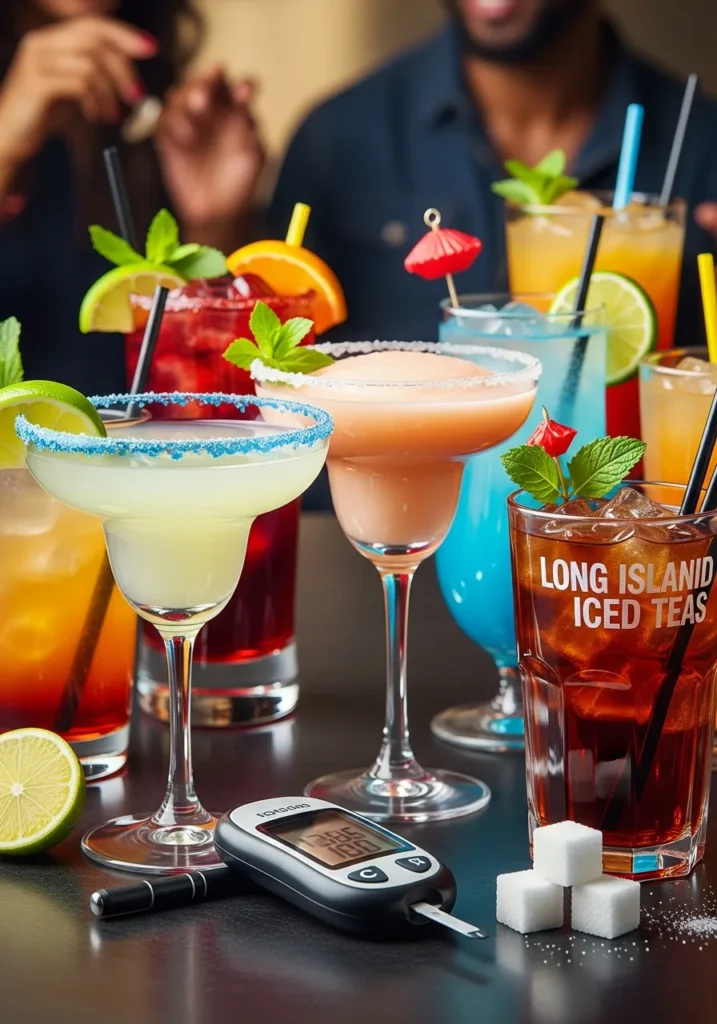
To protect your health, you must know what to avoid. If you are wondering what the three worst drinks for blood sugar are, here is the definitive list.
- Sugary Cocktails: Margaritas, daiquiris, and Long Island Iced Teas can contain upwards of 40 to 60 grams of pure sugar per glass.
- Regular Beer: Craft IPAs and heavy stouts are essentially liquid bread, packed with fast-acting carbohydrates.
- Sweet Wines: Ports, sherries, and dessert wines have massive amounts of residual sugar that will spike your glucose instantly.
Will Quitting Alcohol Lower Blood Sugar?
Many patients consider giving up drinking entirely to improve their health. Will quitting alcohol lower blood sugar? For many patients, the answer is a resounding yes.
Removing empty liquid calories often results in effortless weight loss. Losing just 5% of your body weight significantly improves your insulin sensitivity.
Furthermore, without the constant stress of processing toxins, your liver can regulate your fasting glucose much more effectively. Most patients see a noticeable drop in their morning blood sugar within weeks of quitting.
Frequently Asked Questions
Does alcohol raise or lower blood sugar?
It actually does both. Sugary mixers, cocktails, and beer cause an immediate spike in glucose. However, as your liver works to clear the alcohol, it stops releasing backup sugar, which can cause a dangerous drop (hypoglycemia) several hours later.
How long does alcohol affect my glucose levels?
The metabolic disruption can last for up to 24 hours. Because your liver prioritizes processing alcohol over stabilizing your blood sugar, you may experience unpredictable fluctuations well into the next day.
What is the safest alcohol choice for diabetics?
The best options are distilled spirits (vodka, gin, whiskey) mixed with club soda or dry wines (Cabernet, Pinot Grigio). These have the lowest amount of sugar and carbohydrates, minimizing the initial glucose spike.
Is it safe to drink on an empty stomach?
No. Drinking without eating is highly dangerous for diabetics. It significantly increases the risk of a severe hypoglycemic crash because your liver is too busy processing toxins to maintain your blood sugar levels.
Does alcohol turn into sugar once digested?
This is a common myth. Alcohol is metabolized into acetate, not glucose. The “sugar” people associate with alcohol comes from the grains in beer or the syrups in cocktails, not the ethanol itself.
Practical Tips to Drink Safely
If you choose to enjoy a drink, you must implement safety protocols. Never consume a beverage without eating a substantial meal first.
Always choose low-carb options like dry wine or spirits mixed with zero-calorie soda. Most importantly, you must check your blood glucose right before you go to sleep.
If your reading is below 100 mg/dL before bed, eat a small snack containing complex carbohydrates and protein. This will protect you from a dangerous overnight crash while your liver is occupied.
The Expert Conclusion
As a medical doctor, my goal is never to strip away the joys of life, but rather to help you navigate them safely. Alcohol is not inherently forbidden for those with diabetes, but it commands a high level of respect and caution.
The biggest risk is not the initial sugar spike, but the delayed hypoglycemia that strikes when you least expect it. Moderation, smart drink choices, and vigilant glucose monitoring are your best defenses.
By understanding the science behind the glass, you can protect your metabolic health while still enjoying social occasions.
Medical References:
- National Institutes of Health (NIH) / PubMed: Alcohol Consumption and the Risk of Type 2 Diabetes
- American Diabetes Association (ADA): Alcohol and Diabetes
- National Institute on Alcohol Abuse and Alcoholism (NIAAA): Medical Complications: Common Alcohol-Related Concerns
- Mayo Clinic: Alcohol – Does it affect blood pressure?
Related Posts



MORE from Author
Read More As a physician specializing in exercise science and public health, I regularly consult patients who feel completely lost in the…
 Just last week, a 34-year-old patient named Clara sat in my clinic, feeling entirely overwhelmed by the modern fitness industry.…


 Hello, I am Dr. Kenji Sato, MD, specializing in sports medicine and performance optimization. In my sports clinic, I constantly…
- In my clinical practice as a physician focused on exercise science, I often tell patients that mastering fitness bench workouts…