Can You Survive a Heart Attack? Survival Rates, Risks, and What to Do

As an emergency medicine physician, one of the most urgent questions I hear from terrified patients and their families is: “Can you survive a heart attack?” When chest pain strikes, the immediate fear of death is overwhelming and completely understandable.
Heart attacks are indeed a leading cause of death globally, but the reality is that survival is absolutely possible. In fact, due to modern medical advancements, the vast majority of people who reach a hospital in time go on to live long, fulfilling lives.
However, a heart attack is the ultimate time-sensitive medical emergency. Survival depends heavily on the speed of treatment, the severity of the blockage, and your underlying health.
Asking “Can you survive a heart attack alone?” or “How long can you survive a heart attack?” reveals a critical truth: time is your greatest ally or your worst enemy.
In this comprehensive guide, I will draw on my clinical experience to explain your survival chances, the dangerous realities of being alone during an episode, untreated outcomes, and the critical steps you must take to ensure recovery.
Key Takeaways
- Yes, survival is highly possible—but it depends entirely on the speed of medical treatment to reopen the blocked artery.
- Being alone increases your risk, but taking immediate action by calling 911 and unlocking your door can save your life.
- Silent heart attacks exist and cause permanent damage, even without classic chest pain symptoms.
- Never attempt to “wait out” chest pain or use internet myths like “cough CPR.” Immediate professional medical intervention is the only definitive way to survive.
What Happens During a Heart Attack?
To understand your chances of survival, you must first understand the mechanics of a myocardial infarction, which is the medical term for a heart attack.
A heart attack occurs when the blood flow that brings oxygen to the heart muscle is severely reduced or cut off completely. This typically happens because the coronary arteries that supply the heart become narrowed from a buildup of fat, cholesterol, and other substances (plaque).
When a plaque inside a coronary artery ruptures, a blood clot quickly forms around the rupture. If the clot is large enough, it completely blocks the flow of blood.
Without oxygen-rich blood, the heart muscle begins to starve and die. This damage begins within minutes of the blockage. The longer the artery remains blocked, the greater the irreversible damage to the heart muscle.
This oxygen deprivation can easily lead to a severe arrhythmia (an irregular heartbeat). The most dangerous of these is ventricular fibrillation, which causes the heart to quiver uselessly instead of pumping blood, leading directly to sudden cardiac arrest.
Can You Survive a Heart Attack Without Help?
Many patients wonder, “Can you survive a heart attack without medical attention or treatment?” The clinical answer is yes, but it is an incredibly risky gamble with your life.
If the blockage in the coronary artery is only partial, or if the clot naturally dissolves on its own before catastrophic damage occurs, a person might survive the initial event. Furthermore, some individuals have robust “collateral circulation”—a network of tiny blood vessels that bypass the blocked artery.
However, surviving without help leaves you vulnerable to massive complications. Even if you live through the initial pain, the untreated oxygen deprivation causes permanent necrosis (tissue death) in the heart muscle.
This dead tissue turns into scar tissue, which does not pump effectively. As a result, surviving a heart attack without treatment often leads to severe, chronic heart failure. Furthermore, the damaged tissue is highly prone to generating fatal electrical short-circuits, meaning a deadly arrhythmia could strike days or weeks later.
Can You Survive a Heart Attack Alone or at Home?
I recently treated a 55-year-old patient named Mark who suffered a myocardial infarction while working late in his home office. He lived alone and experienced crushing chest pressure. Mark’s quick thinking saved his life.
Can you survive a heart attack alone? Yes, but it requires immediate, decisive action. If you suspect you are having a heart attack while alone at home, your absolute first step must be to call emergency services (911).
Never try to drive yourself to the hospital, and do not attempt to “wait it out” to see if the pain subsides. Once you have called for help, unlock your front door so paramedics can enter easily if you lose consciousness.
If you are not allergic and have been directed by a doctor or dispatcher, chew a standard aspirin (160–325 mg). Chewing it helps it absorb faster, preventing the blood clot from growing larger while you wait for the ambulance.
How to survive a heart attack if you’re alone comes down to calling for professional help immediately, not relying on self-treatment.
Can You Survive a Heart Attack in Your Sleep?
It is a terrifying thought, but some heart attacks do occur during sleep. Can you survive a heart attack in your sleep? The answer depends heavily on the severity of the event and whether the symptoms are strong enough to wake you up.
Often, nocturnal heart attacks are associated with severe sleep apnea, where drops in blood oxygen levels put immense stress on the cardiovascular system. If the heart attack causes a fatal arrhythmia like ventricular fibrillation while the person is asleep, they may pass away without ever waking.
However, many patients do wake up experiencing a cold sweat, severe shortness of breath, or a sensation of heavy pressure on their chest. If the pain wakes you, survival depends on taking immediate action and calling emergency services, just as you would during the day.
Can You Have a Heart Attack and Not Know It?
In my ER experience, I frequently diagnose patients with previous heart damage who had absolutely no idea they suffered an infarction. Can you survive a heart attack without knowing? Absolutely.
These are medically known as “silent heart attacks” or silent ischemia. They are particularly common among individuals with diabetes, as diabetic neuropathy can dull the pain receptors in the chest and heart.
Instead of crushing chest pain, a silent heart attack might present with mild or atypical symptoms. A patient might feel sudden, profound fatigue, a mild bout of indigestion, or slight shortness of breath that they brush off as simply being “out of shape.”
Even though you do not feel the classic symptoms, a silent heart attack still causes permanent damage to the heart muscle. Can you survive a heart attack and not know it? Yes, but you are left with a weakened heart and a significantly higher risk of a future, much more severe cardiac event.
How Long Can You Survive a Heart Attack?
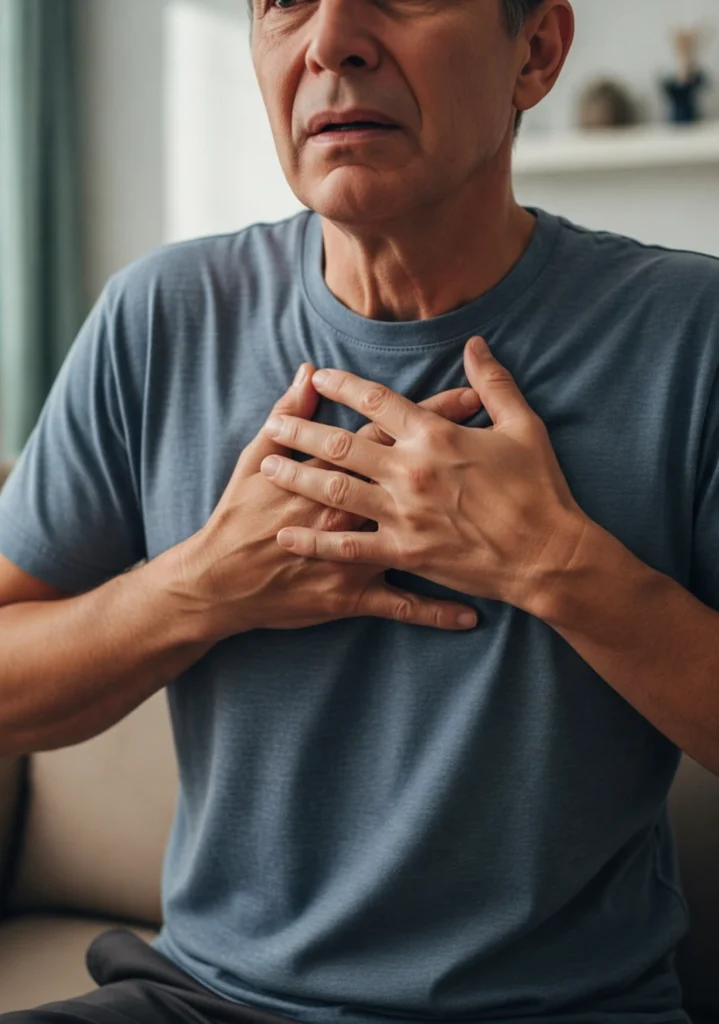
When asked how long you can survive a heart attack, cardiologists use a common phrase: “Time is muscle.” The timeline of a heart attack is aggressive and unforgiving.
The First 10 Minutes
The first ten minutes are critical. This is the window where the risk of a fatal arrhythmia is at its absolute highest. Many sudden deaths from heart attacks occur in this very brief initial period before paramedics can even arrive.
30 to 60 Minutes
If you survive the initial onset, the next 30 to 60 minutes are crucial for saving the heart muscle. During this time, significant muscle damage begins to occur as the cells suffocate. How long can you survive a heart attack untreated? You may survive the hours that follow, but your heart is actively dying.
Hours to Days
As hours pass without reperfusion therapy (opening the blocked artery), the irreversible injury progresses. After roughly 12 hours of total blockage, the affected portion of the heart muscle is typically considered completely dead. You may survive the physical event, but your quality of life will be permanently altered.
Can You Survive a Massive or Widowmaker Heart Attack?
Certain blockages are far more dangerous than others. The term “widowmaker” refers to a massive heart attack caused by a 100% blockage in the left anterior descending (LAD) artery.
The LAD artery supplies a massive amount of blood to the front and main pumping wall of the heart. Can you survive a massive heart attack or a widowmaker heart attack? Yes, but the odds are heavily stacked against you if intervention is delayed.
Because the LAD supplies so much of the heart, a complete blockage causes massive, rapid tissue death. Survival is absolutely possible, but it requires near-instantaneous medical intervention, usually involving emergency angioplasty and stent placement to reopen the artery before the heart stops entirely.
How Many Heart Attacks Can a Person Survive?
Patients who have survived one event often ask, how many heart attacks can a person survive? There is no fixed number or magical limit.
I have treated patients who have survived three or four mild heart attacks over a span of two decades. However, how many heart attacks one can survive depends entirely on how much cumulative damage the heart sustains.
Every single heart attack, no matter how small, kills a portion of your heart muscle. This creates scar tissue. As more scar tissue forms over successive attacks, the heart’s pumping ability plummets, eventually leading to end-stage heart failure.
Therefore, preventing the next attack is far more important than counting how many you can endure.
What Happens If You Survive a Heart Attack?
Surviving the acute emergency is only the first step. What happens if you survive a heart attack involves a long-term commitment to cardiac recovery and lifestyle changes.
Hospital Stabilization
Initially, you will remain in the hospital for a few days for stabilization. Doctors will monitor you for arrhythmias, initiate blood-thinning and blood pressure medications, and assess the overall damage using an echocardiogram.
Cardiac Rehabilitation
How do I recover from a heart attack? The gold standard is cardiac rehabilitation. This is a medically supervised program designed to improve your cardiovascular health through exercise training, education on heart-healthy living, and counseling to reduce stress.
Long-Term Complications
Survivors must be vigilant. Possible complications include chronic heart failure, where the heart cannot pump enough blood for the body’s needs, and ongoing rhythm disturbances. You will likely be on medications like beta-blockers, statins, and antiplatelet drugs for the rest of your life.
Life Expectancy After a Heart Attack
Life expectancy after a first heart attack varies wildly based on age, the severity of the damage, and treatment adherence.
Generally, younger patients who receive prompt stent placement and adhere to a strict diet and exercise regimen can expect a near-normal life expectancy. However, life expectancy after a heart attack decreases with age for older adults, particularly those over 65 who suffer from comorbidities like diabetes or kidney disease.
The 3rd heart attack survival rate is significantly lower than the first, as the heart is already severely compromised. Fortunately, general survival improvements with modern cardiovascular care have extended life expectancies by years, provided patients strictly follow their cardiologist’s advice.
Heart Attack Survival Rate
When looking at a heart attack survival rate chart, the statistics paint a clear picture: early intervention equals life.
According to the American Heart Association, the overall survival rate for heart attacks has improved dramatically over the last few decades. The vast majority of people—well over 90%—who make it to the hospital in time survive the initial event.
However, survival rates drop drastically for those who experience cardiac arrest outside of a hospital setting. This reinforces why calling emergency services at the very first sign of chest pain is the single most important factor in your survival.
Does “Cough CPR” Work?
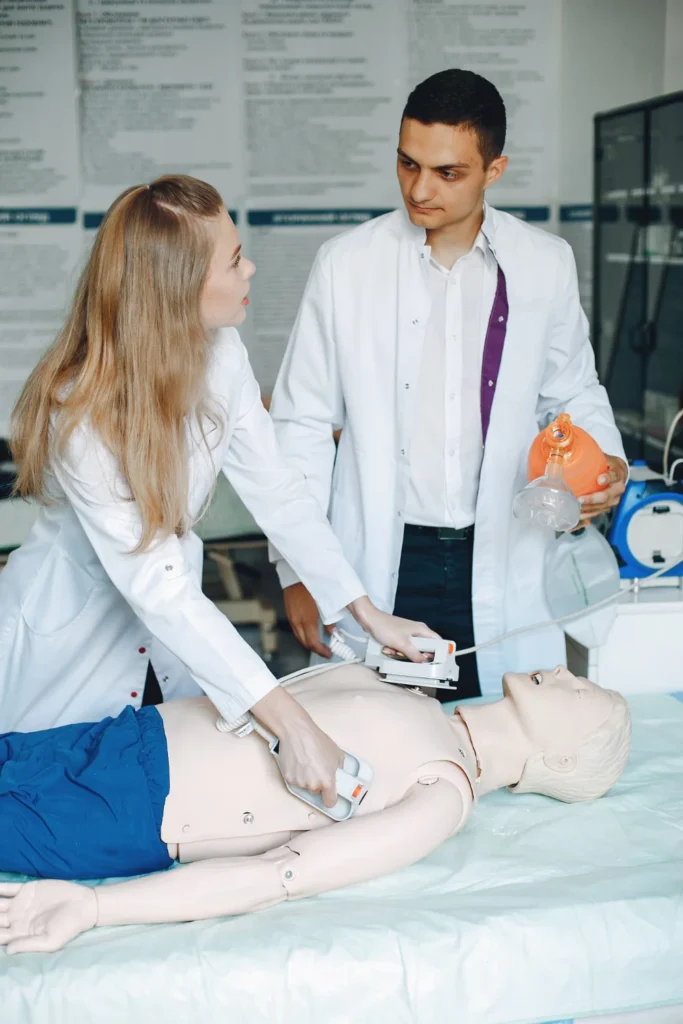
A persistent internet myth suggests that you can survive a heart attack by coughing vigorously. This is commonly referred to as “cough CPR.”
As a medical professional, I must clarify that this is a dangerous myth in most public settings. While a forceful cough can briefly increase pressure in the chest and theoretically maintain blood flow to the brain for a few extra seconds during a specific type of arrhythmia, it is not recommended outside of monitored medical settings.
Attempting to cough your way through a heart attack instead of calling 911 wastes precious time and can actually increase the strain on your dying heart muscle.
What Stops a Heart Attack Fast?
People often search for what stops a heart attack fast, hoping for a quick home remedy. The truth is, no home remedy can stop a heart attack.
Emergency medical interventions are the only things that can physically stop an infarction. First responders will administer aspirin to prevent clot growth and oxygen to ease the heart’s workload.
Once at the hospital, definitive treatments like thrombolytic drugs (clot busters) or a percutaneous coronary intervention (angioplasty with a stent) are used to physically reopen the blocked artery. The fastest way to stop a heart attack is to get to a catheterization lab as quickly as humanly possible.
How to Survive a Heart Attack
If you or someone nearby experiences sudden chest pain, radiating jaw pain, or severe shortness of breath, follow these action steps immediately:
- Call Emergency Services Immediately: Dial 911. Do not drive yourself. Paramedics can begin life-saving treatment the moment they arrive.
- Chew Aspirin (If Safe): If you are not allergic and do not have a bleeding disorder, chew one adult aspirin (325 mg) or two to four baby aspirins (81 mg each).
- Stay Calm and Seated: Panic increases your heart rate and oxygen demand. Sit on the floor or in a comfortable chair, resting your knees bent to ease blood flow.
- Unlock the Door: If you are learning how to survive a heart attack if you’re alone, ensure responders can get inside if you pass out.
- Avoid Exertion: Do not walk around, do not try to gather belongings, and do not attempt to finish a task. Rest completely.
How to Prevent a Heart Attack
Survival is great, but prevention is far better. How to prevent heart attack events relies heavily on managing your risk factors long before the arteries clog.
A heart-healthy diet rich in lean proteins, vegetables, and whole grains is foundational. Regular cardiovascular exercise (at least 150 minutes a week) keeps the heart muscle strong and blood vessels flexible.
Absolute smoking cessation is critical; smoking damages the artery linings and drastically accelerates plaque buildup. Finally, aggressive blood pressure control and managing cholesterol through medication (like statins) can stabilize plaques and prevent them from rupturing.
Frequently Asked Questions
Can you survive a heart attack alone?
Yes, but you must act immediately. Call emergency services right away, unlock your front door, chew an aspirin if you are not allergic, and sit down to rest while waiting for the paramedics. Do not attempt to drive yourself to the hospital.
Can you survive a heart attack in your sleep?
Yes, it is possible. Many people wake up from the severe discomfort or shortness of breath. However, if the heart attack triggers a fatal arrhythmia during sleep, it can lead to sudden cardiac death without the person ever waking.
How long can you survive a heart attack untreated?
Without treatment, a heart attack causes permanent muscle damage within 30 to 60 minutes. While you might survive the initial event, leaving it untreated drastically increases your risk of death from sudden arrhythmias or severe, long-term heart failure.
Can you survive a heart attack without knowing?
Yes. These are known as “silent heart attacks.” They often present with mild symptoms like fatigue or indigestion, particularly in people with diabetes. Even without severe pain, they still cause permanent damage to the heart muscle.
What happens after surviving a heart attack?
After surviving, you will undergo hospital stabilization, potentially receive stents, and begin cardiac rehabilitation. You will also need to adopt significant lifestyle changes and take lifelong medications to prevent a second heart attack.
Conclusion
As an emergency room physician, I can confidently answer the question, “Can you survive a heart attack?” with a resounding yes. Modern cardiovascular medicine is nothing short of miraculous, but our advanced tools are entirely dependent on you getting to the hospital in time.
The most tragic outcomes I witness are not from massive, untreatable blockages, but from hesitation. Patients often tell me they waited hours to call 911 because they did not want to be an inconvenience or convinced themselves it was just severe heartburn.
Please remember that when it comes to your heart, time is muscle. Every single minute you delay seeking treatment, irreversible damage is actively occurring to the tissue that keeps you alive.
Whether you are home alone, waking up from sleep, or experiencing atypical “silent” symptoms, never ignore what your body is telling you. Survival is not just about luck; it is about recognizing the emergency, staying calm, and dialing 911 immediately. Your quick action is the absolute best medicine.
Authoritative Medical References:
- American Heart Association (AHA) – About Heart Attacks
- Centers for Disease Control and Prevention (CDC) – Heart Attack Symptoms, Risk, and Recovery
- Mayo Clinic – Heart attack – Symptoms and causes
- National Center for Biotechnology Information (NCBI) – Acute Myocardial Infarction
- Cleveland Clinic – Heart Attack (Myocardial Infarction)
Related Posts

MORE from Author
Read More As a physician specializing in exercise science and public health, I regularly consult patients who feel completely lost in the…
 Just last week, a 34-year-old patient named Clara sat in my clinic, feeling entirely overwhelmed by the modern fitness industry.…

 Hello, I am Dr. Kenji Sato, MD, specializing in sports medicine and performance optimization. In my sports clinic, I constantly…
- In my clinical practice as a physician focused on exercise science, I often tell patients that mastering fitness bench workouts…