
How to Treat Low Blood Sugar (Hypoglycemia): Fast, Safe & Effective Steps
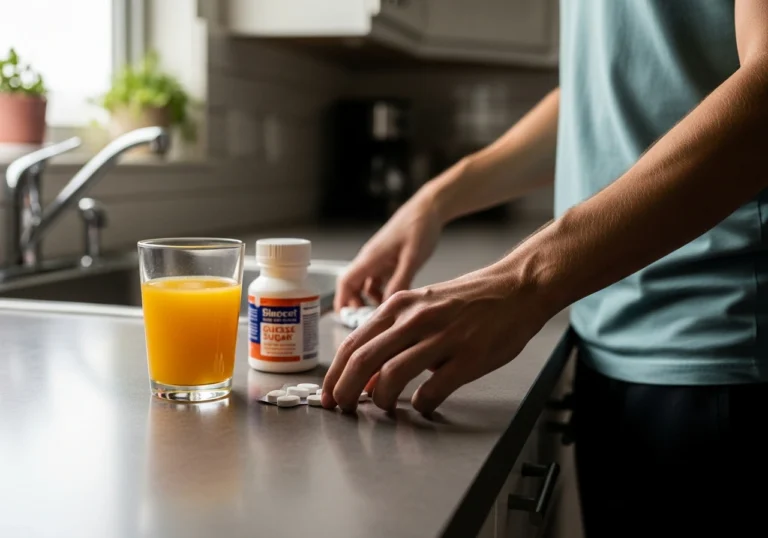
Recently, a patient named Mark collapsed in his kitchen because he didn’t know how to treat low blood sugar properly. He felt dizzy, panicked, and ate a huge bowl of ice cream, not realizing the fat would trap the sugar in his stomach.
As an endocrinologist, I see these terrifying, entirely preventable emergencies far too often in my clinic. When your glucose crashes, every single second counts, and you need a precise clinical strategy.
You must have a fast, medically sound plan to restore your brain’s energy without overcorrecting into dangerous hyperglycemia.
TL;DR: Quick Clinical Overview
- Low blood sugar (hypoglycemia) is typically defined as a reading below 70 mg/dL (3.9 mmol/L).
- Immediate treatment is the 15–15 rule: consume 15g of fast-acting carbs, then recheck in 15 minutes.
- Severe cases with loss of consciousness require emergency glucagon or immediate medical care.
- Early recognition of physical symptoms is critical to prevent severe neurological complications.
What Is Low Blood Sugar (Hypoglycemia)?
Hypoglycemia occurs when the concentration of glucose in your bloodstream drops below the level required to sustain normal cellular function. Your brain relies entirely on glucose for fuel, making this a medical emergency. When levels drop, your body enters a state of physiological panic.
Clinically, the threshold for this condition is very specific and universally recognized. In the United States, doctors define hypoglycemia as any blood glucose reading below 70 mg/dL.
In Canada, the UK, and countries using the international standard, the danger threshold is anything below 3.9 mmol/L. Recognizing this numerical boundary is the first step in protecting your metabolic health and avoiding sudden physical collapse.
Is 3.9 Low Blood Sugar?
Quick Answer: Yes, a reading of 3.9 mmol/L (which converts to exactly 70 mg/dL) is considered the absolute lower limit of normal blood sugar.
Any reading below this exact threshold means you have officially entered clinical hypoglycemia. If your meter reads 3.8 mmol/L or lower, you must initiate emergency treatment immediately.
Hypoglycemia Symptoms Chart
Recognizing the warning signs before your numbers bottom out can save your life. I advise all my patients to print this list and keep it on their refrigerators.
Early Warning Signs:
- Shaking or Tremors: Uncontrollable physical jitteriness.
- Sweating: Sudden, cold clamminess not related to heat.
- Confusion: Brain fog or an inability to articulate thoughts.
- Rapid Heartbeat: Palpitations or a racing pulse.
- Severe Hunger: An intense, sudden craving for carbohydrates.
Low Blood Sugar Levels Chart (US & Canada)
Understanding your numbers is critical for international travelers or those reading medical studies from other regions. Below is the clinical conversion chart we use to categorize glucose emergencies.
| Category | US Measurement (mg/dL) | Canada/UK Measurement (mmol/L) |
| Normal Fasting | 70–140 | 3.9–7.8 |
| Low (Hypoglycemia) | < 70 | < 3.9 |
| Severe / Dangerous | < 54 | < 3.0 |
How to Treat Low Blood Sugar Fast
When a patient’s blood sugar plummets, panic is the enemy of effective treatment. The human instinct is to consume massive amounts of food until the shaking stops. This is a massive clinical mistake that leads to extremely high blood sugar hours later.
Treating this condition requires surgical precision, not a kitchen binge. We use a highly structured, scientifically proven protocol to safely raise glucose levels back to a functional baseline.
The 15–15 Rule (Gold Standard)
The 15-15 rule is the absolute cornerstone of immediate hypoglycemic care. It is endorsed by every major endocrinology board worldwide. First, you must consume exactly 15 grams of fast-acting carbohydrates.
Do not consume 30 or 50 grams, even if you feel ravenously hungry. The goal is to provide a precise, measured dose of medical-grade energy to your vascular system.
Second, you must set a timer and wait exactly 15 minutes. It takes time for the carbohydrates to pass through your stomach lining and enter your bloodstream. If you eat more food during this waiting period, you will inadvertently cause a massive glucose spike later.
After 15 minutes have passed, use your glucometer to recheck your levels. If your reading is still below 70 mg/dL (3.9 mmol/L), you must repeat the entire process. Consume another 15 grams of carbs, wait another 15 minutes, and test again. You continue this controlled loop until your numbers stabilize in a safe zone.
Best Fast-Acting Carbohydrates
Not all carbohydrates are created equal during an emergency. You need pure, unadulterated simple sugars that require zero digestion. The absolute best option is clinical glucose tablets, as they are pre-measured to exactly 4 grams per tablet (meaning you take 4 tablets to hit 15 grams).
If you do not have tablets, liquids are the next best choice. Four ounces (half a cup) of regular, non-diet soda or apple juice works perfectly. Liquids absorb into the stomach lining incredibly fast.
Alternatively, one tablespoon of pure honey or corn syrup rubbed directly onto the gums provides immediate vascular absorption. Avoid chocolate, cookies, or baked goods, as they contain heavy fats that block rapid digestion.
Suitable Immediate Treatment for Hypoglycemia
The treatment must always match the severity of the crash. For a mild episode (between 55 and 69 mg/dL), oral glucose, such as juice or tablets, is the perfect, suitable immediate treatment for hypoglycemia.
For a moderate episode, where the patient is conscious but highly confused, you may need to assist them in drinking the juice and closely monitor their 15-minute retest.
However, in severe cases where the patient cannot safely swallow or has lost consciousness, never force liquids into their mouth due to the risk of choking. This requires an immediate glucagon injection or nasal spray, followed by a 911 call.
Treating Low Blood Sugar at Home
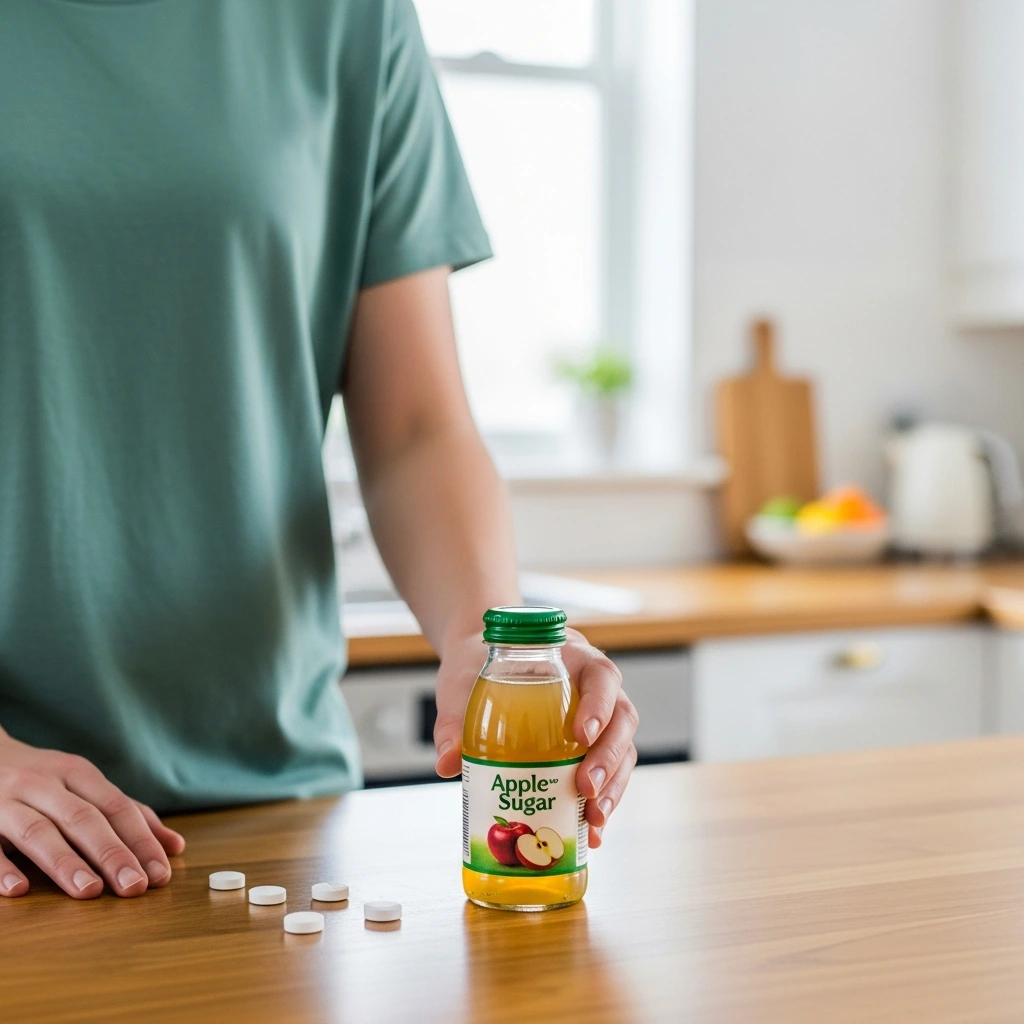
Managing this condition safely at home requires extreme proactive preparation. You cannot wait until you are shaking to figure out where the apple juice is.
Always carry quick carbs in your pocket, and stash glucose tablets in your nightstand, your car glovebox, and your desk at work. Proximity is safety.
Furthermore, you must avoid overcorrection. The psychological fear of being low often drives patients to eat hundreds of calories. Trust the 15-15 rule, and always monitor your levels closely for two hours after an episode.
Severe Hypoglycemia: When to Seek Emergency Help
Sometimes, home treatment is simply not enough. If blood sugar drops below 54 mg/dL (3.0 mmol/L), brain function begins to shut down rapidly.
If a patient experiences a complete loss of consciousness, you are witnessing a life-threatening medical emergency. Do not attempt to wake them with food.
Similarly, if the patient begins experiencing active seizures or exhibits an absolute inability to swallow safely, bypass the kitchen entirely. Administer emergency glucagon if available, and immediately dispatch paramedics.
Is a Peanut Butter Sandwich Good for Low Blood Sugar?
Many patients reach for a peanut butter sandwich during a crash, thinking it is a healthy option. However, this is a terrible choice for an immediate emergency.
Peanut butter is extremely dense in dietary fat and complex proteins. Fat acts like a roadblock in your digestive system, drastically slowing down the absorption of the bread’s carbohydrates.
While it fails as an emergency rescue, a peanut butter sandwich is an exceptional follow-up snack. Once your sugar is above 70 mg/dL, eating half a sandwich will stabilize your levels and prevent another sudden crash.
How to Prevent Low Blood Sugar
The best treatment for hypoglycemia is ensuring it never happens in the first place. You can dramatically reduce your risk by adhering to strict daily habits.
Eat regular, perfectly timed meals to keep a constant supply of energy in your system. Never skip breakfast, especially if you take basal insulin.
Furthermore, you must master your medication timing. Taking rapid-acting insulin without food directly in front of you is a guaranteed path to a severe crash. Monitor your glucose frequently to catch downward trends early.
Best Devices to Monitor Blood Sugar
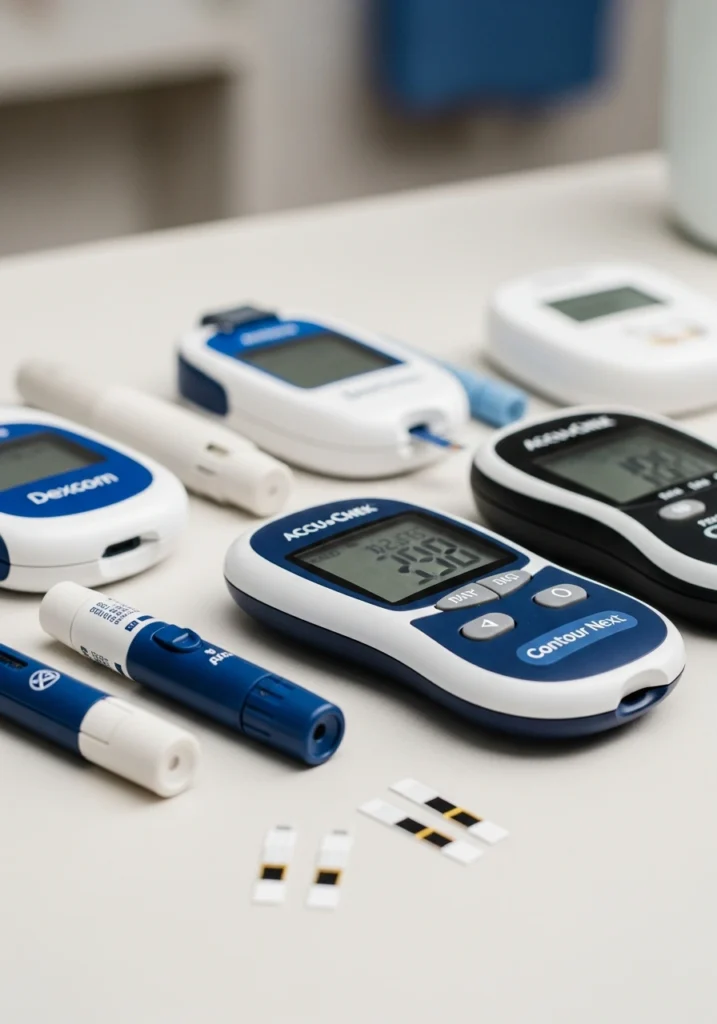
To prevent dangerous lows, you need a highly reliable warning system. The medical technology landscape offers several fantastic options for patients in 2026.
What Is the Most Accurate Blood Sugar Test Device?
Laboratory venous blood draws remain the gold standard for pure accuracy. However, modern home devices are remarkably close.
Among portable tech, traditional, FDA-approved finger-prick glucometers are the most accurate blood sugar test devices for immediate, spot-on readings during a suspected emergency.
Best Blood Sugar Monitor Without Finger Pricks
For patients looking to avoid needles, Continuous Glucose Monitors (CGMs) are the absolute best choice. Brands like Dexcom and FreeStyle Libre dominate this space.
These devices provide life-saving predictive trend arrows, alerting you that a low is approaching long before you actually feel the physical symptoms.
Best Blood Sugar Monitor With Finger Pricks
If you prefer traditional methods, basic glucometers are incredibly affordable and reliable. Brands like Accu-Chek and Contour Next are industry leaders.
They remain the best choice for patients on a budget who only need to spot-check their levels a few times a week.
Best Glucose Monitor for Type 2 Diabetes & Prediabetes
The ideal device depends on your treatment plan. A CGM is the best glucose monitor for type 2 diabetes patients who are actively taking daily insulin injections.
Conversely, the best glucose monitor for prediabetes is usually a simple, traditional finger-prick device, as prediabetics rarely experience severe, life-threatening drops requiring constant surveillance.
Which Organ Is Most Affected by Diabetes?
Understanding how your body processes sugar requires looking at the organs involved. The pancreas is the primary organ affected, as it completely loses the ability to produce adequate insulin.
However, when blood sugar swings wildly from high to low, the secondary damage is vast. The vascular networks feeding your nerves, kidneys, and eyes are systematically degraded over time.
Protecting these vital organs is the primary clinical reason why endocrinologists push so hard for strict, stable glucose control.
Frequently Asked Questions
How do you treat low blood sugar quickly?
The fastest and safest method is to immediately utilize the 15-15 rule. Consume 15 grams of fast-acting, simple carbohydrates—such as 4 ounces of fruit juice or 4 medical glucose tablets—and recheck your levels after exactly 15 minutes.
What is considered low blood sugar?
In clinical medicine, hypoglycemia is universally defined as any blood glucose reading that falls below 70 mg/dL (or 3.9 mmol/L in Canada and the UK). Anything below this threshold requires immediate corrective action.
Can low blood sugar be dangerous?
Yes, it is extremely dangerous. Because the brain relies entirely on glucose for survival, untreated hypoglycemia can rapidly progress from confusion and trembling to severe seizures, loss of consciousness, and even a coma.
What should I eat after treating hypoglycemia?
Once the 15-15 rule has successfully raised your glucose above 70 mg/dL, you must stabilize it. Eat a small, balanced snack containing complex carbohydrates and a healthy protein/fat, such as half a turkey sandwich or an apple with a slice of cheese.
Should I use chocolate to fix low blood sugar?
No. Chocolate contains a high volume of fat, which severely delays the emptying of your stomach. The sugar in the chocolate will take far too long to enter your bloodstream, leaving your brain starved for energy during the critical emergency window.
The Expert Conclusion
Managing hypoglycemia is not just about reacting to a crisis; it is about absolute, uncompromising preparation. When Mark, the patient from my introduction, learned the 15-15 rule, it completely transformed his approach to diabetes management.
He stopped fearing the sudden crashes because he finally had a medically sound, actionable plan to protect his brain and body.
The human brain is incredibly resilient, but it cannot survive without a steady supply of glucose. Whether you use a cutting-edge continuous monitor or a traditional glucometer, your medical technology is only as good as your emergency response plan.
Keep those glucose tablets in your pocket, educate your family on emergency protocols, and never ignore the early physical warning signs.
A severe low blood sugar event is terrifying, but with the right clinical knowledge, it is entirely manageable. Please do not wait for a sudden collapse to figure out your strategy. Take ten minutes today to build your medical safety net so you can live your life with confidence.
Medical References:
- Centers for Disease Control and Prevention (CDC) – Manage Blood Sugar: Low Blood Sugar (Hypoglycemia)
- Mayo Clinic – Hypoglycemia: Symptoms, Causes, and Emergency Treatment
- National Institute of Diabetes and Digestive and Kidney Diseases (NIDDK) – Low Blood Glucose (Hypoglycemia)
- National Center for Biotechnology Information (NCBI) – Hypoglycemias
Related Posts




MORE from Author
Read More As a physician specializing in exercise science and public health, I regularly consult patients who feel completely lost in the…
 Just last week, a 34-year-old patient named Clara sat in my clinic, feeling entirely overwhelmed by the modern fitness industry.…


 Hello, I am Dr. Kenji Sato, MD, specializing in sports medicine and performance optimization. In my sports clinic, I constantly…
- In my clinical practice as a physician focused on exercise science, I often tell patients that mastering fitness bench workouts…