
Fasting Blood Sugar Test: Can I Drink Water Before the Test?
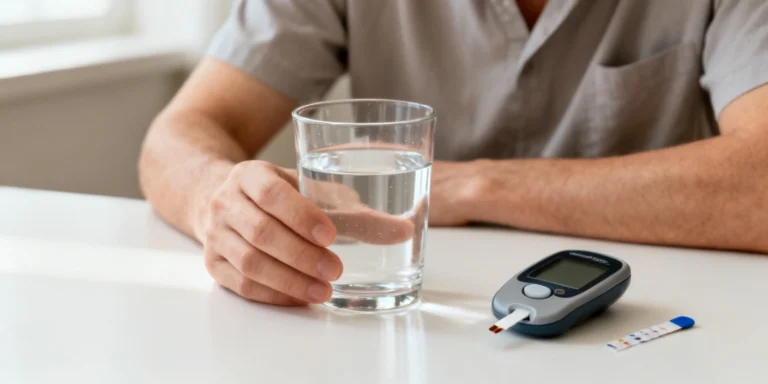
Preparing for a morning blood draw can often feel confusing. You wake up thirsty, but you suddenly remember your doctor told you to fast. Immediately, a common question pops into your mind for a fasting blood sugar test can i drink water?
Getting accurate results from your fasting blood sugar test preparation is absolutely essential for managing your health.
Fasting mistakes, especially regarding daily hydration, can skew your medical numbers significantly. As a practicing physician, I see patients stress over this specific issue every single day.
According to the American Diabetes Association—Blood Glucose Testing and Control guidelines, true fasting requires abstaining from all caloric intake.
However, the role of hydration is frequently misunderstood by the general public. Let’s explore exactly what you can and cannot consume before your morning blood draw. Knowing the facts will ensure your results are completely accurate.
Can You Drink Water Before a Fasting Blood Sugar Test?
Many patients desperately ask, “Can I drink water before fasting blood sugar test appointments? “Yes, you absolutely can drink water. In fact, medical professionals highly encourage you to drink water before you draw. Plain water contains zero carbohydrates, zero calories, and zero sugars.
Therefore, it will not trigger an insulin response or artificially raise your blood sugar, according to the Mayo Clinic—Blood sugar testing: Why, when, and how. Drinking water is highly encouraged before routine blood work. It keeps your veins plump and hydrated.
Consequently, this hydration makes the actual blood draw much easier for the nurse or phlebotomist. Just last week, I treated a patient named Mark. He arrived at the clinic severely dehydrated because he believed “fasting” meant absolutely no liquids of any kind.
His veins were flat, and the nurse had to stick him three times to get a viable sample. I had to reassure him that plain, unflavored water is always allowed. Remember, fasting means no calories, not no water. Therefore, fasting blood test water-allowed policies are standard across all labs.
Does Drinking Water Affect Fasting Blood Sugar Results?

Patients naturally worry and ask, ” Does drinking water affect fasting blood sugar results? The simple scientific answer is no; plain water does not alter your actual glucose levels. Water does not contain glucose, so it cannot cause a blood sugar spike.
However, being severely dehydrated can temporarily affect how your blood concentrates. If you do not drink enough water, the volume of liquid in your bloodstream naturally decreases. This slight concentration can make your glucose levels appear marginally higher than they actually are.
So, does drinking water affect blood sugar test accuracy? Yes, but in a positive and stabilizing way. Staying properly hydrated ensures your blood volume remains normal, giving the most accurate, baseline reading possible.
You must ensure, however, that the water is completely plain. Adding lemon squeezes, fruit flavorings, or electrolyte powders with hidden sugars will absolutely ruin the test. Stick to simple tap or bottled water.
How Many Hours Should You Fast Before a Blood Sugar Test?
Understanding how many hours of fasting are required for blood sugar is the foundation of a good test. The standard medical recommendation is a strict 8 to 10-hour fasting window. For most people, this simply means skipping breakfast and testing first thing in the morning.
According to the Centers for Disease Control and Prevention—Monitoring Your Blood Sugar, this 8-hour window gives your body time to digest your last meal. It allows your active insulin and blood sugar levels to return to their absolute baseline.
If you fast for less than 8 hours, your recent food will still be metabolizing, giving a falsely high reading. Conversely, if you fast for more than 12 to 14 hours, your liver might start releasing stored glucose for energy, also skewing the results.
Therefore, following these fasting blood sugar test rules strictly is crucial. Do not fast for too short or too long a period. Stick to the 8 to 10-hour sweet spot.
Fasting Blood Sugar Test Preparation: Step-by-Step
Proper fasting blood sugar test preparation guarantees you get the right numbers the first time. To make this process simple, I recommend following a strict evening timeline before your morning test.
First, plan to finish your last meal or evening snack 8 to 10 hours before your appointment. If your lab test is at 8:00 AM, finish eating completely by 10:00 PM the night before. Second, drink only plain water during this fasting window. As we established, water is perfectly safe.
Third, avoid strenuous morning exercise before your appointment. A heavy workout causes your body to burn energy and release stored liver glucose, which alters your true baseline.
Finally, avoid smoking or vaping the morning of your test, as nicotine can temporarily affect your insulin sensitivity. By following these simple steps, your fasting before a blood test will be a true reflection of your health.
What Happens If You Drink Water While Fasting?
People often wonder what happens if you drink water while fasting. Biologically, drinking plain water simply maintains your body’s normal fluid balance. Your digestive system absorbs the water, and it enters your bloodstream smoothly.
Because water has zero calories, your pancreas remains completely at rest. It does not need to release insulin to manage carbohydrates. Therefore, your fasting metabolic state remains completely unbroken. Your body continues to rely on its baseline energy stores.
In fact, water helps your kidneys function properly during the overnight fast. It allows them to filter natural waste efficiently without holding onto excess glucose.
So, drinking a normal amount of water is highly beneficial for your body. You maintain your necessary fast while keeping your circulatory system running smoothly for the morning blood draw.
Can Drinking Too Much Water Affect Blood Sugar Results?
While hydration is highly encouraged, can drinking too much water affect your test? Specifically, regarding overhydration, what happens if you drink too much water before your blood draw? Extreme overhydration can theoretically cause issues.
If you consume gallons of water right before your test, you risk slightly diluting your blood plasma. While this dilution is usually minor, it could marginally lower your measured glucose concentration. However, this level of overhydration is extremely rare in routine clinical settings.
For patients managing drinking water before fasting for diabetes, the goal is normal hydration, not water loading. Simply drink to satisfy your morning thirst. One or two standard glasses of water upon waking are perfectly sufficient.
You do not need to force yourself to drink a massive jug of water just to prepare for the test. Maintaining a sensible balance ensures your veins are accessible without risking any artificial dilution of the blood sample.
Normal Fasting Blood Sugar Levels Chart
Once your test is complete, interpreting the results is your next major step. Understanding the normal blood sugar levels chart helps you immediately gauge your metabolic health. The standards are strictly defined by leading medical authorities.
According to the [National Institute of Diabetes and Digestive and Kidney Diseases (NIDDK)—Know Your Blood Sugar Numbers], these target ranges are universal. A normal reading means your body is perfectly producing and utilizing insulin. Conversely, higher numbers indicate a growing resistance to that insulin.
I strongly advise my patients to keep a physical fasting blood sugar levels chart taped to their refrigerator. It serves as a daily visual reminder of their health goals. If your numbers shift out of the normal range, you can catch the trend early.
Early detection is the absolute best way to prevent long-term diabetic complications. Review the standard ranges in the chart below to understand exactly where your morning baseline should fall.
| Diagnostic Category | Fasting Blood Sugar Range (mg/dL) |
| Normal (Healthy) | 70 to 99 mg/dL |
| Prediabetes (At Risk) | 100 to 125 mg/dL |
| Diabetes (Diagnostic) | 126 mg/dL or higher |
What Is a Healthy Blood Sugar Range for Adults?
Looking beyond just the chart, what is a healthy blood sugar range for adults in daily life? A truly healthy adult fasting range stays consistently under 99 mg/dL. Reaching this target protects your heart, kidneys, and delicate nerve endings from glucose damage.
However, “healthy” can sometimes vary depending on your specific medical history. If you are a senior adult with a history of severe hypoglycemia, your doctor might adjust your safe target slightly higher.
If your reading lands in the 100 to 125 mg/dL range, you have crossed the threshold into prediabetes. This is a critical warning sign from your body. Fortunately, prediabetes is often highly reversible with immediate dietary changes and weight loss.
If your fasting reading is 126 mg/dL or higher on two separate tests, it confirms a clinical diabetes diagnosis. Therefore, hitting that healthy sub-99 mg/dL range should be your primary nutritional goal every single day.
Common Mistakes That Affect Fasting Blood Sugar Results
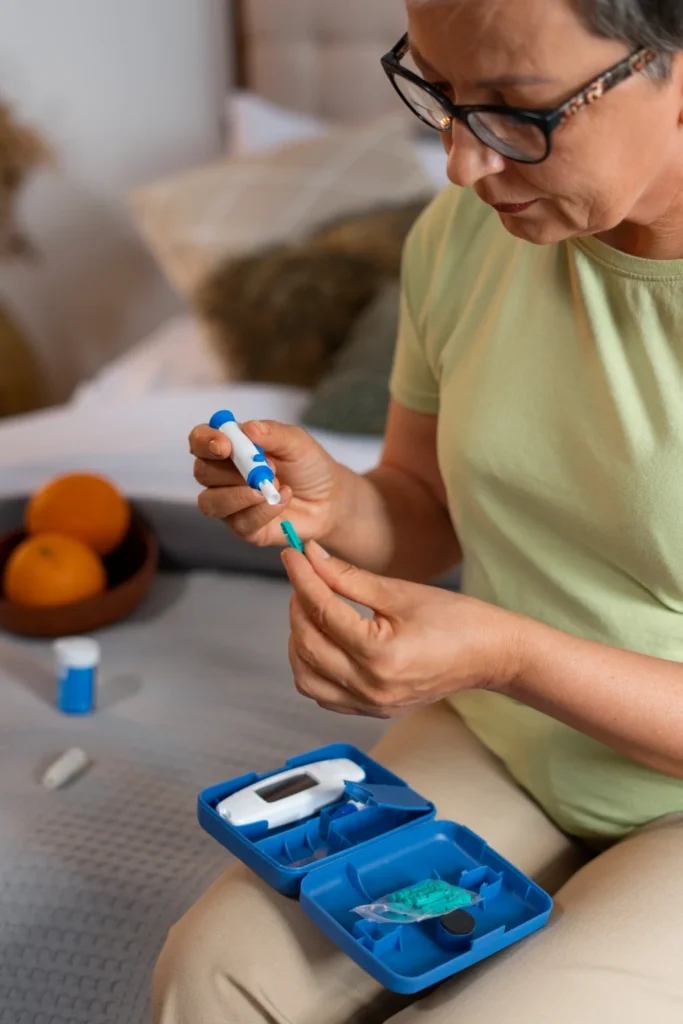
Even if you understand the rules, simple mistakes can easily ruin your test accuracy. One of the biggest errors patients make is trying to artificially lower blood sugar before test day. Some patients intentionally starve themselves for 24 hours, hoping for a better number.
This extreme fasting actually backfires. When you starve your body, your liver aggressively dumps stored sugar into your blood to keep you functioning. This physiological stress response will artificially spike your morning reading.
Another common mistake is mindless evening snacking. I had a patient, Sarah, whose morning numbers were always mysteriously high. After reviewing her habits, we realized she was eating a handful of grapes at midnight, completely breaking her required fast.
Furthermore, engaging in an intense morning workout before your blood draw is a major mistake. Exercise releases stress hormones like cortisol, which temporarily elevate your circulating blood sugar. Always save your heavy workout for after your lab appointment.
Can You Drink Coffee Before a Fasting Blood Test?
This is perhaps the most heavily debated topic in my clinic. Many patients ask, ” Can I drink black coffee before a blood test? The safest, most medically sound answer is no. You should skip your morning coffee entirely.
While plain, black coffee technically has virtually zero calories, caffeine is a powerful stimulant. According to clinical studies, caffeine actively stimulates your nervous system and can cause your body to release a small amount of cortisol.
This hormonal shift can prompt your liver to release stored glucose. Consequently, a strong cup of black coffee might bump your fasting number up slightly. This slight bump could falsely push a normal reading into the prediabetic range.
If you absolutely cannot function without your morning coffee, you must tell your doctor before the test. However, to guarantee the purest baseline result, stick exclusively to plain water until the blood draw is finished.
Frequently Asked Questions
Water Consumption During a Fasting Test?
Yes, you are completely allowed to drink plain water before your test. In fact, staying hydrated makes finding a vein much easier for the phlebotomist.
Water’s Effect on Test Accuracy?
No, drinking plain, unflavored water does not contain carbohydrates and will not spike your blood sugar. It simply helps maintain your normal blood volume.
Required Fasting Duration?
You should fast for exactly 8 to 10 hours before your blood sugar test. Do not fast for less than 8 hours or more than 14 hours, as both can skew your results.
Coffee and Fasting Labs?
You should avoid drinking black coffee before your test. The caffeine can stimulate a stress response in your body, potentially elevating your glucose readings artificially.
Consequences of Broken Fasting Rules?
If you accidentally eat or drink something caloric, you must tell your phlebotomist. Your doctor will likely need to reschedule the test to ensure they get an accurate, true fasting baseline.
Conclusion
Preparing for your morning lab work does not need to be a stressful guessing game. By clearly understanding the rules for your fasting blood sugar test can I drink water, you set yourself up for accurate, reliable results.
Remember to drink plenty of plain water to stay hydrated, strictly observe your 8 to 10-hour fasting window, and avoid common traps like morning coffee or exercise. Accurate numbers are the very foundation of excellent diabetes care.
When you follow these simple guidelines, you empower your healthcare team to make the safest and most effective decisions for your long-term metabolic health.
Authoritative References
- Mayo Clinic—Blood sugar testing: Why, when, and how
- MedlinePlus (NIH)—Fasting for a Blood Test
- MedlinePlus (NIH)—How to Prepare for a Lab Test
- National Library of Medicine (PubMed)—Water Supplementation Reduces Copeptin and Plasma Glucose in Adults
- National Library of Medicine (PubMed)—Efficacy and Safety of Prolonged Water Fasting
Related Posts



MORE from Author
Read More As a physician specializing in exercise science and public health, I regularly consult patients who feel completely lost in the…
 Just last week, a 34-year-old patient named Clara sat in my clinic, feeling entirely overwhelmed by the modern fitness industry.…


 Hello, I am Dr. Kenji Sato, MD, specializing in sports medicine and performance optimization. In my sports clinic, I constantly…
- In my clinical practice as a physician focused on exercise science, I often tell patients that mastering fitness bench workouts…