
How to Detox Your Gut: Safe 3-Day to 7-Day Gut Reset Plan You Can Do at Home
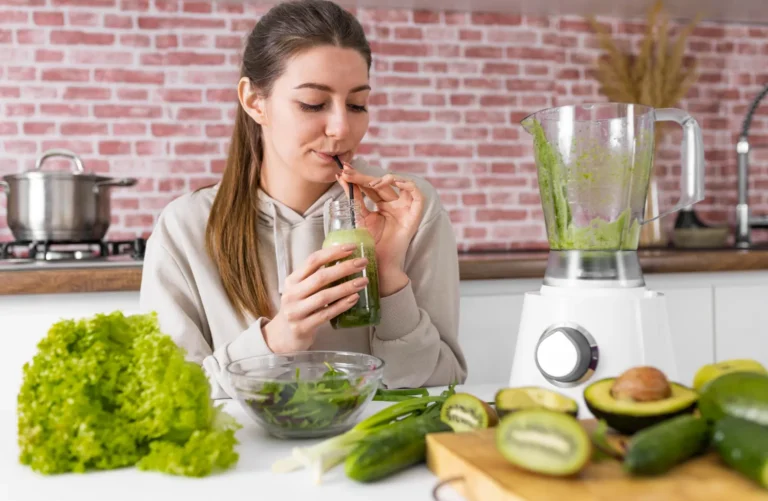
The word “detox” has been hijacked by flashy marketing and neon-green juice cleanses that promise miracles in a bottle. However, in my clinical practice, I tell my patients that learning how to detox your gut isn’t about starvation or expensive supplements. It is about supporting the biological systems you already possess.
I remember a patient named Sarah who came to me feeling “heavy,” bloated, and constantly reaching for caffeine to survive the day. She was about to spend hundreds of dollars on a “colon sweep” kit she saw online.
I stopped her. Instead, we focused on an evidence-informed gut reset that leveraged her body’s natural elimination pathways. Within a week, Sarah’s brain fog lifted, and her bloating vanished—not because of a magic pill, but because we gave her digestive system the right environment to thrive.
This guide will show you exactly how to detox your gut at home safely and effectively, using science rather than hype.
What Does “Gut Detox” Actually Mean?
In the medical world, we don’t usually use the word “detox” to describe a quick fix. Instead, we talk about metabolic detoxification and intestinal permeability. When you ask how to detox and reset your gut, you are really asking how to reduce the load on your liver and colon.
Your body is already a detoxification powerhouse. Your liver filters blood, your kidneys flush waste, and your colon moves out physical debris. A “gut detox” is simply a period where you remove inflammatory obstacles and provide the nutrients these organs need to function at 100% capacity.
Most “gut detox symptoms” that people complain about—like headaches or fatigue—are actually signs of microbiome disruption or systemic inflammation. By understanding how to properly detox your gut, you aren’t “washing” your intestines; you are balancing the bacteria and repairing the lining.
Marketing claims often suggest you have “pounds of toxic sludge” trapped in your bowels. Clinically speaking, that is a myth. However, a sluggish transit time and a dysbiotic microbiome can certainly make you feel like it’s true. Real gut health comes from consistency, not a one-day “flush.”
How to Detox Your Gut

If you want to know how to detox your gut, you have to start with the “Big Four”: fiber, hydration, microbial balance, and rest. These are the pillars that allow your intestinal wall to heal and your digestive enzymes to work efficiently.
First, fiber acts as a physical broom. Without adequate soluble and insoluble fiber, waste sits in the colon too long, allowing toxins to be reabsorbed into the bloodstream. This is a primary driver of feeling “toxic” and sluggish.
Hydration is equally critical. You cannot “cleanse” anything without water. Water is the medium that carries waste out of the cells and through the kidneys. When you are learning how to detox your gut at home, doubling your water intake is the simplest, most effective step you can take.
Finally, we must address the “gut-brain axis.” Sleep and stress impact your gut cleansing more than most people realize. When you are in “fight or flight” mode, your body diverts blood away from the digestive tract, essentially halting the detox process. True healing requires a parasympathetic state.
Daily Gut Detox Routine
Many of my patients ask me, “Dr. Thorne, how can I detox my gut each morning?” I recommend a four-step system that stimulates the migrating motor complex (MMC)—your gut’s internal “housekeeping” wave.
Step 1: The Hydration Trigger. As soon as you wake up, drink 16 ounces of warm water with a squeeze of fresh lemon. The warmth and acidity stimulate the gastrocolic reflex, which tells your bowels it is time to move. It also primes the liver for the day’s filtration tasks.
Step 2: Light Movement. You don’t need a high-intensity workout. Gentle twisting yoga poses or a brisk 10-minute walk helps mechanically move gas and waste through the large intestine. Movement is a powerful way to detox your gut in the morning without any external tools.
Step 3: High-Fiber Fuel. Avoid sugary cereals or pastries. Instead, opt for a breakfast rich in prebiotic fibers, such as chia seeds or ground flaxseeds. These fibers feed the “good” bacteria that produce short-chain fatty acids, which are the primary fuel for your gut lining.
Step 4: Probiotic Intake. Consistency is key. Whether it’s a small serving of unsweetened kefir or a high-quality supplement, introducing beneficial bacteria every morning helps maintain the microbial balance. Most patients report significantly reduced bloating within just 5 to 7 days of following this daily routine.
How to Detox Your Gut Fast
I often see people searching for how to detox their gut in one minute or how to clean their stomach instantly. While you cannot biologically “clean” an entire organ in sixty seconds, you can certainly activate the systems that do.
The “one-minute gut reset” involves a combination of posture and deep diaphragmatic breathing. By breathing deeply into your belly, you physically massage the internal organs and stimulate the vagus nerve. This flips the “on” switch for digestion and waste elimination.
If you are looking to detox your gut quickly because of a weekend of overindulgence, the best “fast” method is a 24-hour hydration reset. Eliminate all solid foods for 12–16 hours (intermittent fasting) and focus exclusively on herbal teas, bone broth, and water.
This gives your digestive enzymes a much-needed break. It allows the body to focus its energy on cellular repair rather than mechanical digestion. It is the safest way to “reset” when you feel like you’ve hit a wall, provided you don’t have underlying blood sugar issues.
3-Day Gut Cleanse at Home
If you need a more structured approach, a 3-day gut cleanse at home is a fantastic way to jumpstart your progress. This isn’t a “starvation” plan; it’s a nutrient-density plan designed to reduce inflammation rapidly.
Day 1: The Calming Phase. Focus on anti-inflammatory liquids and very light meals. Think pureed vegetable soups, bone broth, and steamed fish. Avoid all raw vegetables today, as the fiber can be too tough for an inflamed gut to process initially.
Day 2: The Restoration Phase. Introduce “soft” fibers and probiotic-rich foods. This is when you bring in the chia puddings, cooked berries, and small amounts of sauerkraut. You are starting to provide the “broom” to move waste while simultaneously seeding the microbiome with good bacteria.
Day 3: The Rebuilding Phase. On the final day, you transition back to whole, solid foods, but keep them simple. Think quinoa bowls with roasted vegetables and healthy fats like avocado. This day is about teaching your body how to handle high-quality fuel again without the “toxic” burden of processed additives.
7-Day Gut Reset Plan
A one-week reset allows for deeper tissue repair and a more significant shift in your bacterial populations. If you want to know how to reset your gut, seven days is the “sweet spot” for seeing visible changes in your skin, energy, and digestion.
In this phase, you must strictly avoid the “Inflammatory Trio”: refined sugar, gluten, and industrial seed oils. These three substances act as “gut disruptors” that keep your immune system on high alert. By removing them for seven days, you allow the intestinal “tight junctions” to begin closing.
Your meals should follow a simple framework: one palm-sized portion of clean protein, two cups of colorful vegetables, and one tablespoon of healthy fat. This ratio ensures you are getting the amino acids needed for repair without overwhelming the system with too much bulk.
Hydration during this week is non-negotiable. Aim for half your body weight in ounces of water daily. Many people find that adding trace mineral drops or a pinch of sea salt to their water helps with cellular absorption, preventing that “sloshing” feeling in the stomach.
Gut Detox and Organ Connection
We cannot talk about the gut without talking about the liver. The gut-liver axis is a two-way street. When your gut is leaky, toxins flow directly to the liver, overworking it. Conversely, if your liver is sluggish, bile flow—which is essential for digesting fats and killing bad bacteria—stalls.
To detox your gut and liver, you need bitter foods. Dandelion greens, arugula, and lemon juice stimulate bile production. Think of bile as your gut’s natural detergent; it breaks down fats and keeps the small intestine “clean” from bacterial overgrowth.
The colon’s role is transit. If you are constipated, you are reabsorbing waste. This is why a homemade colon cleanse that works quickly usually involves high doses of magnesium or vitamin C to draw water into the bowels. However, long-term health depends on the fiber-bile-water triad.
By supporting the liver and colon simultaneously, you achieve a “systemic detox.” This reduces the total inflammatory load on your body, which often leads to clearer skin, improved hormone balance, and more stable moods. Your gut truly is the “second brain” of your detox system.
Gut Detox for Weight & Belly Health

Many of my patients want to know how to detox their gut and flatten their stomach. It is important to distinguish between fat loss and “de-bloating.” Most of the “instant” weight loss people see on a gut reset is actually reduced water retention and gas.
When your gut is inflamed, your body holds onto water to dilute the “toxins” in your tissues. As you remove inflammatory foods and support elimination, that water is released. This can lead to a visible “flattening” of the stomach within just a few days.
Furthermore, a healthy microbiome regulates your “hunger hormones,” like ghrelin and leptin. By resetting your gut bacteria, you often find that intense sugar cravings diminish. This makes long-term weight management much easier because you aren’t constantly fighting your own biology.
How Long Does It Take to Detox Your Gut?
The timeline for a gut reset varies depending on your starting point. However, most people follow a predictable biological progression. Within 24 to 72 hours, you will notice changes in your digestion—usually less gas and more regular bowel movements.
Between 7 and 14 days, you begin to see a shift in your microbiome. This is when the “die-off” of bad bacteria usually ends, and you start feeling a surge in energy. Your skin often starts to clear up during this window as the “gut-skin axis” stabilizes.
For stable, long-term gut balance, you need at least 30 days. This is the time required for the intestinal lining to fully turn over and for new, healthy bacterial colonies to become firmly established. Think of the 3-day or 7-day plans as the “spark,” and the 30-day routine as the “fire.”
Frequently Asked Questions
How do you detox your gut at home?
The most effective way is to remove inflammatory triggers (sugar, gluten, processed oils) and replace them with high-fiber foods, adequate hydration, and fermented probiotics. Supporting the “Migrating Motor Complex” through light movement and intermittent fasting also accelerates the process.
What is the fastest way to clean your stomach?
Biologically, the “fastest” way to clear the digestive tract safely is to increase intake of magnesium-rich foods or supplements and stay hyperhydrated. This draws water into the colon to facilitate a natural, gentle flush without the need for harsh chemicals.
Can you detox your gut in 3 days?
Yes, you can significantly reduce inflammation and “de-bloat” in 72 hours. While this won’t permanently change your microbiome, a 3-day reset can give your digestive enzymes a rest and clear out accumulated waste, making you feel much lighter and more energetic.
What is a gut reset diet?
A gut reset diet is a short-term nutritional protocol that focuses on easily digestible, anti-inflammatory whole foods. It typically eliminates common allergens and includes “gut-healing” nutrients like bone broth, collagen, and fermented vegetables to repair the intestinal lining.
How do I clean my stomach instantly?
There is no safe way to “instantly” clean the stomach. However, you can instantly improve digestion by practicing deep diaphragmatic breathing to activate the vagus nerve and drinking warm lemon water to stimulate the gastrocolic reflex for elimination.
Conclusion
Learning how to detox your gut is one of the most empowering things you can do for your long-term health. It isn’t about the latest “superfood” or an expensive juice cleanse. It is about returning to the basics: fiber, water, movement, and microbial diversity.
As I told Sarah during our follow-up appointment, your gut is a resilient organ. If you stop “bombarding” it with inflammatory stressors and start supporting its natural pathways, it will heal itself. Whether you choose a simple daily morning routine or a structured 7-day reset, the key is to start today.
Your “second brain” will thank you for the clarity, energy, and comfort that follows a proper, safe gut detox.
Authoritative References
- National Institutes of Health (PMC)—The gut-liver axis: how the intestine and the liver communicate
- Nutrients—Dietary Fiber and the Gut Microbiome: A Narrative Review
- Frontiers in Microbiology—The role of gut microbiota in the detoxification of dietary toxins
- Journal of Clinical Medicine—Impact of Intermittent Fasting on the Gut Microbiota: A Systematic Review
- Clinical and Experimental Gastroenterology—The Migrating Motor Complex: A Review of its Role in Digestive Health
Related Posts




MORE from Author
Read More As a physician specializing in exercise science and public health, I regularly consult patients who feel completely lost in the…
 Just last week, a 34-year-old patient named Clara sat in my clinic, feeling entirely overwhelmed by the modern fitness industry.…


 Hello, I am Dr. Kenji Sato, MD, specializing in sports medicine and performance optimization. In my sports clinic, I constantly…
- In my clinical practice as a physician focused on exercise science, I often tell patients that mastering fitness bench workouts…