
Chia Seeds Benefits: Nutrition, Weight Loss, Skin, and Daily Use Guide
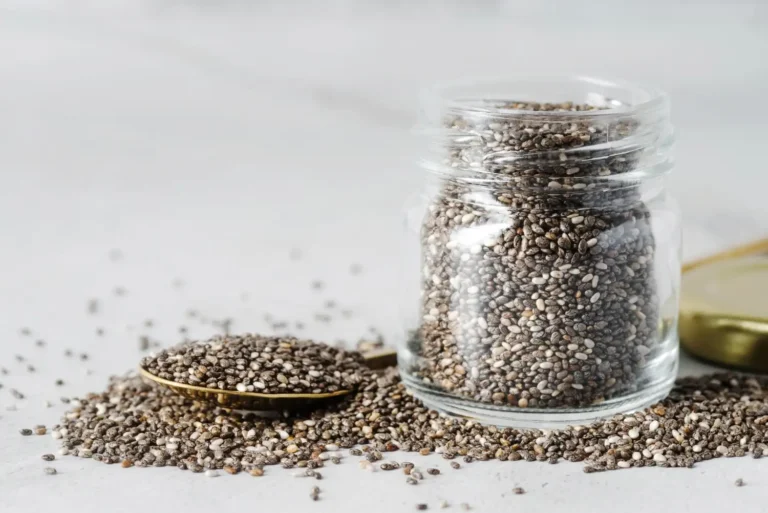
In the world of superfoods, few ingredients have earned their reputation as consistently as the tiny but mighty chia seed. As a medical professional, I am often skeptical of “miracle” health trends, but the evidence supporting chia seeds benefits is remarkably robust.
These ancient seeds, once a staple for Aztec and Mayan warriors, are now a cornerstone of modern nutritional science.
I recall a patient of mine, Elena, who struggled with persistent digestive issues and midday energy crashes. After we integrated two tablespoons of soaked chia seeds into her morning routine, she reported a significant shift in her satiety levels and gut comfort within just two weeks.
This guide, rooted in clinical experience and scientific research, explores how these seeds can transform your health.
TL;DR SUMMARY
Chia seeds are a nutritional powerhouse rich in fiber, omega-3 fatty acids, and plant-based protein. They support digestion, aid in sustainable weight loss by promoting fullness, and improve skin hydration.
To reap the most health benefits, consume them soaked in liquid and maintain a daily intake of 1–2 tablespoons.
What Are Chia Seeds and Why Are They So Popular?
If you are wondering what the benefits of chia seeds are, you first have to understand their unique biological composition. Derived from the Salvia hispanica plant, a member of the mint family, these seeds are neutral in flavor but functionally versatile.
Their popularity exploded when nutritional science confirmed they are one of the most nutrient-dense foods on the planet.
Research from the Harvard T.H. Chan School of Public Health notes that chia seeds are a “complete protein,” containing all nine essential amino acids that the human body cannot produce on its own.
This is exceptionally rare for plant-based sources, making them a gold standard for vegetarians and vegans alike.
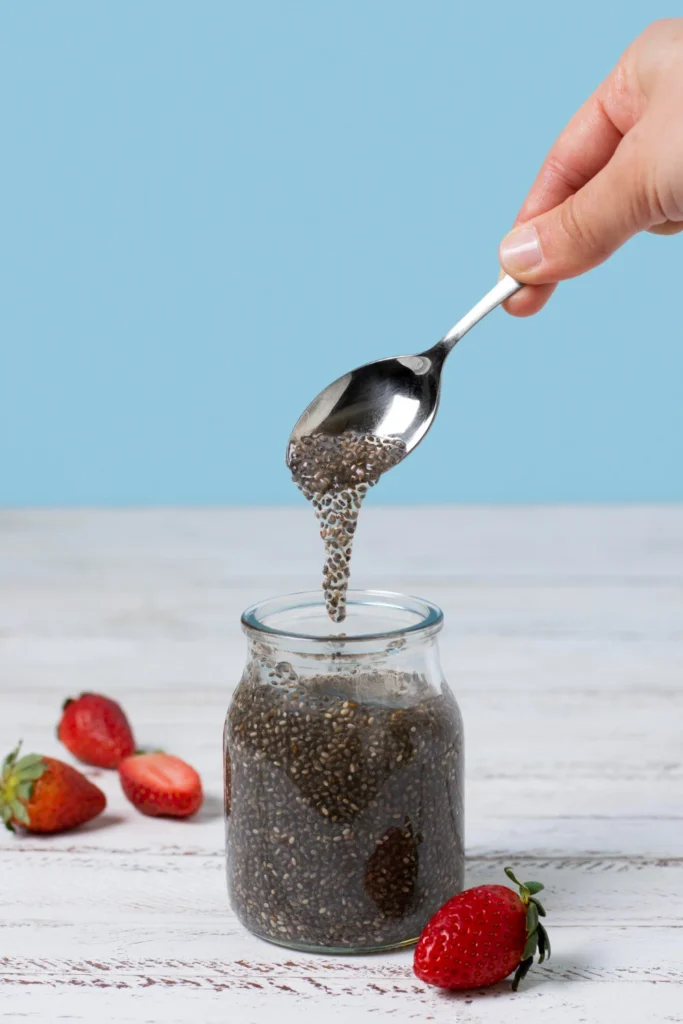
Beyond their protein, their ability to absorb up to 12 times their weight in water is what truly sets them apart. This mucilaginous property creates a gel-like substance that serves as a powerful tool for digestive health and hydration.
Whether you call them a superfood or a dietary staple, the advantages of taking chia seeds are grounded in hard science.
Nutritional Benefits of Chia Seeds
The primary reason for the widespread acclaim of chia seeds benefits in nutrition is their incredible concentration of micronutrients. For such a small seed, the density of minerals and healthy fats is staggering. One ounce (about 28 grams) of chia seeds packs a punch that rivals much larger food groups.
- Fiber: With nearly 11 grams of fiber per ounce, chia seeds provide about 40% of the recommended daily intake.
- Omega-3 Fatty Acids: They are the richest plant source of alpha-linolenic acid (ALA), which is vital for heart and brain health.
- Calcium: Gram for gram, chia seeds contain more calcium than many dairy products, making them essential for bone density.
- Antioxidants: They are loaded with chlorogenic acid, caffeic acid, and quercetin, which protect the delicate fats in the seeds and the cells in your body.
Top 10 Health Benefits of Chia Seeds
When discussing the 10 benefits of chia seeds, we look at systemic improvements. These seeds do not just target one area; they provide holistic support for almost every major organ system.
- Supports Digestion: The high insoluble fiber content adds bulk to stool and prevents constipation, ensuring a smooth digestive tract.
- Improves Heart Health: ALA omega-3s help reduce blood pressure and lower LDL (bad) cholesterol levels.
- Aids Weight Management: Their ability to expand in the stomach increases the feeling of fullness, reducing overall calorie intake.
- Stabilizes Blood Sugar: The fiber and healthy fats slow down the conversion of starches into sugars, preventing insulin spikes after meals.
- Enhances Gut Health: As a prebiotic, chia seeds feed the beneficial bacteria in your microbiome.
- Supports Bone Health: High levels of phosphorus, magnesium, and calcium ensure skeletal strength, especially as we age.
- Boosts Energy: Historically used as “running food,” the slow-release carbohydrates provide sustained energy without the crash.
- Promotes Skin Health: The antioxidants and omega-3s strengthen the skin barrier and fight oxidative stress.
- Supports Brain Function: Healthy fats are the building blocks of brain cells, supporting memory and cognitive clarity.
- Reduces Inflammation: Chronic inflammation is the root of many diseases; the anti-inflammatory profile of chia helps mitigate this risk.
Chia Seeds Benefits for Women and Females
There is a significant surge in interest regarding chia seeds benefits for females, particularly concerning hormonal balance and life stages like pregnancy. For women, these seeds offer a targeted nutritional profile that addresses specific physiological needs.
During pregnancy, the demand for iron, calcium, and omega-3s increases drastically. Chia seeds benefit pregnancy by providing these nutrients in a highly bioavailable form without the mercury risks associated with some fish. The fiber also helps combat the common issue of pregnancy-related constipation.
Furthermore, the lignans found in chia seeds may help regulate estrogen levels, providing relief for some women during various phases of their menstrual cycle. Adding yogurt with chia seeds benefits female health by combining probiotics with fiber, creating an ideal environment for hormonal and digestive regularity.
Chia Seeds Benefits for Men
While often marketed toward women, chia seeds benefits for men are equally impressive. For men focused on fitness and longevity, these seeds serve as a powerful recovery tool. The high protein and mineral content help in muscle repair following intense physical activity.
Additionally, the heart-protective qualities of ALA are crucial for men, who statistically face higher risks of early-onset cardiovascular issues. The steady energy release also supports metabolic health, helping to prevent the “middle-age spread” often associated with declining testosterone and activity levels.
Chia Seeds Benefits for Weight Loss
The most frequent question I receive is, “Do chiaseeds reduce belly fat?“ While no single food can target fat in a specific area, the benefits of chia seeds for weight loss are supported by the mechanics of satiety.
When you consume chia seeds, they expand in your stomach, creating a physical sense of fullness. This sends signals to the brain that you are satisfied, which naturally leads to a reduction in spontaneous snacking.
Furthermore, combining lemon water with chia seeds benefits the metabolism by providing hydration and vitamin C alongside the fiber of the seeds. This combination is a fantastic way to start the morning, as it flushes the digestive system and provides a stable energy foundation for the day ahead.
Chia Seeds Benefits for Skin and Hair
The beauty industry has recently embraced these seeds, and for good reason. Chia seeds benefits for skin are primarily driven by their high antioxidant capacity. They fight off free radicals caused by UV exposure and pollution, which are the primary drivers of premature aging.
For those looking at before and after chia seeds benefits for skin, the most noticeable change is usually in hydration and “glow.” Because chia seeds hold so much water, they help maintain the skin’s moisture barrier from the inside out.
Similarly, chia seeds benefits for hair stem from their protein and zinc content. Hair is made of a protein called keratin, and the amino acids in chia seeds provide the building blocks for stronger, shinier strands. Zinc also plays a role in the production of new hair cells, making these seeds a great addition for anyone experiencing thinning.
Soaked Chia Seeds vs Dry Chia Seeds: Which Is Better?
There is a significant debate about how to eat these seeds, but as a doctor, I strongly recommend soaked chia seeds benefits over dry consumption. While eating them dry is not inherently “bad,” it poses two risks: choking and dehydration.
Dry chia seeds immediately begin absorbing moisture from your mouth and esophagus. If you have any swallowing difficulties, they can clump together and cause an obstruction. Soaking them first—whether in water, milk, or juice—ensures they are fully hydrated before they enter your system.
Soaking also makes the nutrients more bioavailable. The “gel” that forms is easier for your digestive enzymes to break down, allowing your body to absorb the omega-3s and minerals more efficiently. If you are short on time, even a 10-minute soak is better than none.
Best Ways to Eat Chia Seeds Daily
Knowing how to eat chia seeds daily is the key to long-term success. Because they are tasteless, they can be hidden in almost any dish.
- Oatmeal with chia seeds benefits: Stirring a tablespoon into your morning porridge adds a creamy texture and doubles the fiber content.
- Yogurt with chia seeds benefits: This is a perfect snack for gut health, combining fermented probiotics with prebiotic fiber.
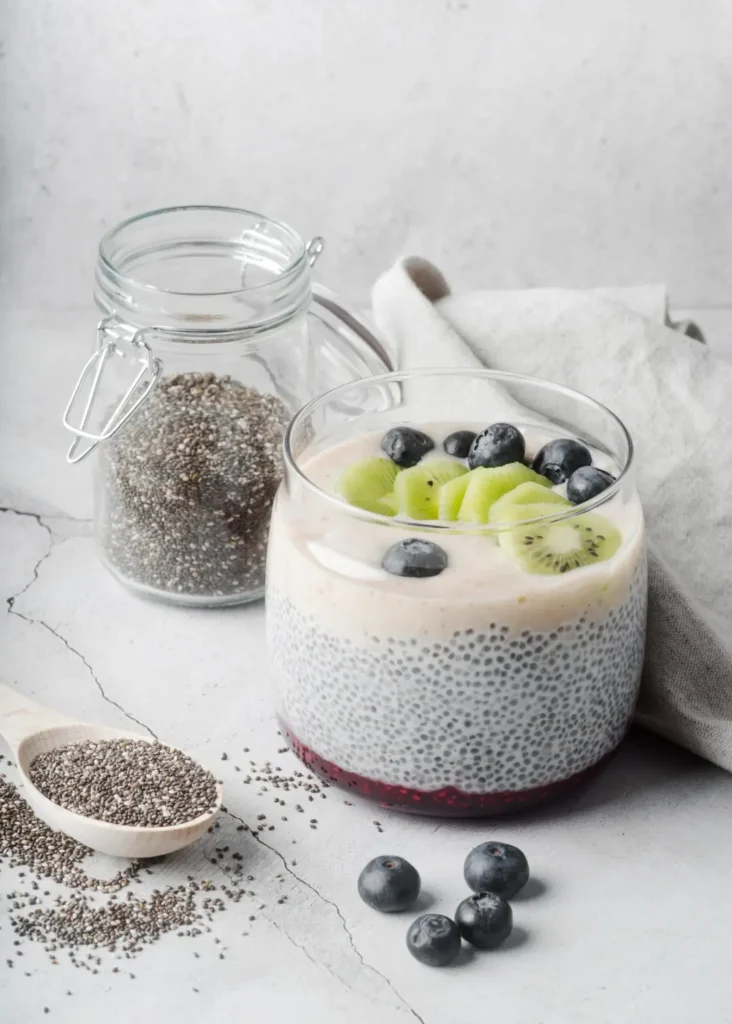
- Chia Pudding: Mix 3 tablespoons of chia with 1 cup of almond milk and let it sit overnight for a healthy, dessert-like breakfast.
- Baking: You can use “chia eggs” (1 tbsp ground chia + 3 tbsp water) as a vegan binder in muffins and pancakes.
Black vs White Chia Seeds vs Flaxseeds
Patients often ask about the difference between black chia seeds and white ones. Nutritionally, they are virtually identical. Black seeds may have a slightly higher antioxidant profile (due to the pigment), while white seeds are often preferred in baking for aesthetic reasons.
When comparing chia seeds vs. flaxseeds’ health benefits, both are excellent. However, chia seeds have slightly more fiber and calcium, and unlike flaxseeds, they do not need to be ground to be digested. Both are powerhouses, but chia is arguably more convenient for daily use.
Possible Side Effects of Chia Seeds
While the advantages are many, we must discuss chia seeds benefits and side effects. Most issues arise when people consume too much, too soon.
If you eat too many chia seeds without drinking enough water, you may experience significant bloating, gas, or even constipation. The fiber needs water to move through your system; otherwise, it can act like a “plug.”
Rarely, some individuals may have an allergy to the seeds, or they may interact with blood-thinning medications due to their high omega-3 content. The Mayo Clinic suggests starting with a small amount and gradually increasing your intake as your body adjusts.
How Many Chia Seeds Should You Eat Per Day?
So, how many chia seeds should you eat a day? For most adults, 1 to 2 tablespoons (approx. 15–30 grams) is the “sweet spot.” This provides a substantial nutritional boost without overwhelming the digestive system.
What happens if I eat chia seeds daily? You will likely notice more regular bowel movements, more stable energy levels, and improved skin hydration. The key is consistency and, most importantly, increasing your water intake alongside the seeds.
Frequently Asked Questions
Are chia seeds good for gut health?
Yes, they act as a prebiotic, feeding the healthy bacteria in your gut, and provide the insoluble fiber needed for regular bowel movements.
Do chia seeds reduce acidity?
While not a direct cure, the fiber in chia seeds can help absorb excess acid and promote better digestion, which may reduce symptoms of acid reflux for some people.
Are chia seeds good for pregnant women?
Absolutely. They provide essential nutrients like omega-3s, calcium, and iron that are vital for both the mother’s health and the baby’s development.
Where can I buy chia seeds?
They are widely available in the health food aisle of most grocery stores, online retailers, and bulk food shops. Look for organic, non-GMO options for the best quality.
Conclusion
The vast array of chia seed benefits makes them one of the easiest and most effective dietary additions you can make. Whether you are seeking weight loss, better skin, or improved heart health, these tiny seeds offer a science-backed solution.
Start with a small daily serving, remember to soak them, and enjoy the profound impact they can have on your overall well-being.
Authoritative References
- Journal of Food Science and Technology: Nutritional and therapeutic perspectives of Chia (Salvia hispanica L.): a review
- Nutrients (MDPI): The Chemical Composition and Nutritional Value of Chia Seeds—Current State of Knowledge
- Harvard T.H. Chan School of Public Health: Chia Seeds – The Nutrition Source
- Diabetes Care (via PubMed): Supplementation of Conventional Therapy With the Novel Grain Salba (Chia)
Related Posts






MORE from Author
Read More As a physician specializing in exercise science and public health, I regularly consult patients who feel completely lost in the…
 Just last week, a 34-year-old patient named Clara sat in my clinic, feeling entirely overwhelmed by the modern fitness industry.…


 Hello, I am Dr. Kenji Sato, MD, specializing in sports medicine and performance optimization. In my sports clinic, I constantly…
- In my clinical practice as a physician focused on exercise science, I often tell patients that mastering fitness bench workouts…