
Is Leaky Gut Real? What Science Actually Says (2026 Evidence-Based Guide)
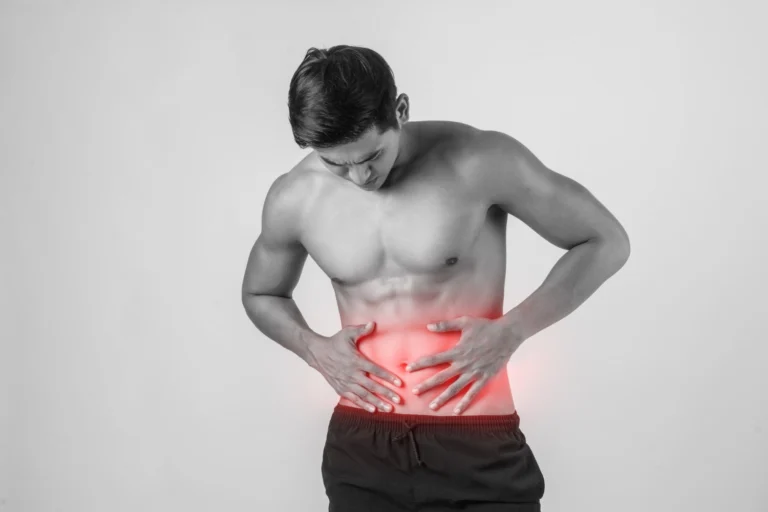
As a gastroenterologist, I hear one question more than almost any other in my clinic: Is leaky gut real, or is it just an internet wellness fad? Just last week, a patient named Mark came to my office with a shopping bag full of expensive, unregulated supplements.
He was convinced they would cure his chronic fatigue, brain fog, and joint pain, having diagnosed himself with “leaky gut syndrome” after watching a viral video.
I had to sit down with Mark and gently separate the actual biological facts from the social media fiction.
The truth is that the human gut is incredibly complex, and while the biological mechanisms behind this concept do exist, they are vastly misunderstood by the general public. Navigating this topic requires looking closely at what modern gastroenterology actually proves.
TL;DR: The Scientific Reality of Intestinal Permeability
“Leaky gut” is not an official medical diagnosis, but the concept refers to increased intestinal permeability, which is a documented phenomenon. It is real and extensively studied in conditions like celiac disease and Inflammatory Bowel Disease (IBD).
However, internet claims linking it to widespread, unrelated symptoms lack strong scientific evidence. Always rely on evidence-based testing and treatment.
What Is “Leaky Gut”?
“Leaky gut” is a non-medical, colloquial term used to describe increased intestinal permeability, a condition where the tight junctions of the gut lining become loose, allowing larger molecules to pass into the bloodstream.
To understand this concept, you have to picture the lining of your intestines as a highly intelligent security gate. In a healthy digestive tract, this lining is semi-permeable. It is designed to let tiny, fully digested nutrients pass through into your bloodstream while keeping larger, potentially harmful substances out.
These “security gates” are biologically known as tight junctions. When a person develops increased intestinal permeability, these tight junctions malfunction and remain open too wide.
This allows partially digested food particles, toxins, and bacteria to slip through the intestinal wall and enter the sterile environment of the bloodstream, which can trigger an immune response.
Is Leaky Gut Real or a Myth?
The answer to this question is highly nuanced: it is partly real and partly a misunderstood myth. The scientific concept of the gut lining becoming too permeable is an absolute, measurable reality. We observe this phenomenon regularly in the laboratory and in specific clinical settings.
However, the myth lies in how the wellness industry portrays it. Alternative medicine often points to this permeability as the hidden root cause of almost every chronic ailment, from autism to severe depression. These exaggerated claims are where the concept crosses the line from scientific reality into medical mythology.
Is Leaky Gut a Real Medical Condition?
Currently, “leaky gut syndrome” is not formally recognized as a standalone diagnosis in conventional medicine. You will not find it in standard medical textbooks as a primary disease, nor does it have a specific diagnostic code used by major medical institutions.
Instead, it is a term heavily utilized in alternative and functional medicine. In traditional gastroenterology, we view increased intestinal permeability not as a disease itself, but as a symptom or a secondary mechanism.
It is something that happens as a result of an existing, identifiable disease, rather than being the primary illness that requires a unique “syndrome” label.
Scientific Evidence: What Research Actually Shows
When we look at the clinical data in 2026, the scientific evidence surrounding intestinal permeability is robust, but it is highly specific. The research definitively proves that the gut barrier can become compromised, but it strictly links this breakdown to specific, highly inflammatory autoimmune conditions.
In my practice, the most obvious example of this is Celiac disease. When a patient with Celiac disease consumes gluten, their immune system launches a violent attack on their own intestinal lining.
This attack directly damages the tight junctions. In these patients, the “leakiness” of the gut is unquestionable, measurable, and entirely driven by the autoimmune response to the gluten protein.
Similarly, we see substantial evidence of permeability in patients with Crohn’s disease and Ulcerative Colitis, collectively known as Inflammatory Bowel Disease (IBD). Chronic, severe inflammation in the digestive tract physically destroys the mucosal barrier.
The resulting permeability exacerbates their symptoms, causing severe pain and malabsorption of vital nutrients.
However, the scientific community draws a hard line when extending these findings to the general population. The evidence does not support the idea that a slightly permeable gut in an otherwise healthy individual is the primary cause of systemic issues like chronic fatigue, widespread joint pain, or generalized brain fog.
The leap from localized intestinal inflammation to global bodily dysfunction lacks rigorous, peer-reviewed clinical proof.
Furthermore, laboratory testing for this permeability exists, such as the lactulose-mannitol test. We use this in research settings to measure how different-sized sugar molecules pass through the gut lining.
While it is a valuable research tool, it is not consistently reliable for diagnosing generalized symptoms in everyday clinical practice, which is why board-certified physicians rarely use it as a primary diagnostic marker.
Scientific Consensus (2025–2026 Update)
The medical consensus over the last few years has solidified its stance. Major gastroenterological societies universally agree that gut permeability is a real, physiological occurrence. The mechanisms controlling the tight junctions, particularly a protein called zonulin, are the subject of intense, ongoing study.
Despite this, “leaky gut syndrome” as a broad, catch-all diagnosis remains unaccepted by the mainstream medical community.
The consensus is that while a compromised gut barrier plays a role in the progression of certain autoimmune diseases, treating the underlying disease is the focus, rather than trying to “cure” the permeability as an isolated issue.
What Do Major Institutions Say?

The Mayo Clinic Perspective
The Mayo Clinic maintains a very clear and cautious stance on this topic. They state that while increased intestinal permeability is a recognized phenomenon in certain gastrointestinal diseases, they do not recognize “leaky gut syndrome” as an official medical diagnosis.
They warn against abandoning proven medical treatments in favor of unproven remedies targeting this concept.
The NHS Stance
The National Health Service (NHS) in the UK shares a nearly identical viewpoint. They emphasize that there is currently little evidence to support the theory that a porous bowel is the direct cause of widespread, systemic conditions.
They strongly advise patients experiencing chronic digestive distress to seek proper medical evaluation for recognized conditions like IBS, Celiac disease, or IBD.
Is Leaky Gut Real According to Reddit & Online Claims?
If you search for gastrointestinal advice on forums like Reddit, you will find thousands of highly emotional, anecdotal claims about “leaky gut.” Many users attribute their lifelong struggles with acne, depression, and autoimmune flare-ups entirely to intestinal permeability.
While these individuals are experiencing very real and valid suffering, their self-diagnoses lack clinical evidence. The danger of these online echo chambers is the rapid spread of medical misinformation. Patients often end up restricting their diets to dangerous levels based on anonymous advice.
Furthermore, these forums frequently act as funnels for unregulated supplement companies. An influencer or anonymous user will share a miraculous recovery story, immediately followed by an affiliate link to an expensive “gut-healing” protocol, bypassing the necessary medical oversight.
Leaky Gut Symptoms: What’s Fact vs Fiction
Commonly Claimed Symptoms
The wellness industry claims that a permeable gut causes systemic issues such as profound brain fog, chronic fatigue syndrome, stubborn weight gain, and generalized joint pain. They argue that toxins leaking into the blood constantly poison the body.
The Medical Reality
In clinical gastroenterology, the symptoms of true intestinal permeability are deeply intertwined with the underlying disease causing the damage. For a patient with Crohn’s disease, the symptoms are severe: bloody diarrhea, significant abdominal cramping, and extreme unintended weight loss.
The widespread, non-specific symptoms popularized online overlap heavily with hundreds of other medical conditions. Fatigue and brain fog are far more likely to be caused by sleep apnea, thyroid dysfunction, or chronic stress than by a slightly porous intestinal lining.
Is Leaky Gut Dangerous?
Intestinal permeability itself is not typically a fatal or highly dangerous condition as a standalone, isolated concept. Your body has incredible secondary defense mechanisms, specifically in the liver, designed to filter out toxins that happen to slip past the gut barrier.
However, the underlying cause of the permeability can be dangerous if left unmanaged. If your gut is leaking because of undiagnosed Celiac disease or severe IBD, ignoring those conditions can lead to severe malnutrition, severe anemia, or even an increased risk of specific gastrointestinal cancers.
What Causes Increased Intestinal Permeability?
Understanding the root biological causes of mucosal damage is critical for real healing. In my clinic, I focus on identifying the specific stressors that break down those delicate tight junctions in the intestinal wall.
Chronic Inflammation
This is the primary driver. Autoimmune diseases physically destroy the mucosal lining. When the immune system attacks the gut tissue, the resulting inflammation acts like a prolonged fire, burning through the protective barrier and forcing the junctions open.
Heavy NSAID Usage
Nonsteroidal anti-inflammatory drugs (NSAIDs) like ibuprofen or naproxen are notorious for damaging the gut lining. Overusing these over-the-counter painkillers significantly reduces the production of protective mucus in the stomach and intestines, directly leading to increased permeability.
Severe Intestinal Infections
Certain aggressive bacterial infections, such as severe food poisoning from Salmonella or an overgrowth of C. difficile, release toxins that paralyze or destroy the tight junctions. Even after the infection clears, the mucosal barrier can remain compromised for months.
Can You Test for Leaky Gut at Home?
Recently, a patient brought in an expensive at-home stool test they purchased online, which claimed to diagnose “leaky gut” by measuring a protein called zonulin. I had to explain that these direct-to-consumer tests are highly unreliable.
While zonulin is a fascinating biomarker used in clinical trials, its levels fluctuate wildly throughout the day based on recent meals and hydration. There are absolutely no reliable at-home diagnostic tests for intestinal permeability that are recognized by board-certified gastroenterologists.
If you suspect severe gut issues, you need validated clinical procedures. This usually means a comprehensive blood panel for inflammatory markers, medically supervised stool tests for specific pathogens, or an endoscopy to visually inspect the mucosal tissue.
Is Leaky Gut Curable?
Because increased intestinal permeability is a mechanism rather than a primary disease, you cannot simply “cure” it with a magic pill. The clinical objective is to treat the underlying condition that is actively damaging the barrier.
For example, if the permeability is driven by Celiac disease, the strict and lifelong elimination of gluten allows the intestinal villi to heal. Once the autoimmune trigger is removed, the gut lining regenerates, and the permeability naturally resolves.
“Heal Leaky Gut in 2 Weeks”: Myth or Reality?
You will often see aggressive marketing campaigns promising to completely heal your gut lining in just 14 days using a specific detox protocol. This is a severe oversimplification of human biology and a complete medical myth.
The intestinal lining does regenerate quickly—the surface cells turn over every few days. However, resolving deep-seated, chronic inflammation that has damaged the tight junctions takes significant time.
True mucosal healing, especially in cases of IBD, often takes months or even years of sustained medical therapy and dietary intervention.
How to Support Gut Health (Evidence-Based)
Prioritize a Balanced, Fiber-Rich Diet
The most scientifically proven way to protect your gut barrier is to feed your microbiome. Soluble fiber from vegetables, legumes, and whole grains ferments in the colon, producing short-chain fatty acids (SCFAs) like butyrate, which directly nourish the cells of the gut lining.
Reduce Ultra-Processed Food Intake
Emulsifiers, artificial preservatives, and heavy industrial seed oils found in ultra-processed foods have been shown in clinical trials to degrade the protective mucus layer of the intestines. Cooking with whole, single-ingredient foods is the strongest defense against mucosal damage.
Leaky Gut Diet: What Actually Helps

The most effective dietary intervention is not a restrictive detox, but rather an abundance-focused, Mediterranean-style diet. This dietary pattern is exceptionally high in anti-inflammatory polyphenols sourced from olive oil, berries, and leafy greens.
Patients who adopt this eating pattern consistently show lower systemic inflammatory markers. By incorporating high-quality omega-3 fatty acids from wild-caught fish, you provide your body with the biological building blocks required to repair damaged cellular membranes.
7 Foods to Limit for Gut Health
To actively protect your intestinal barrier, clinical data suggests strictly limiting the following dietary irritants:
- Refined Sugars: Feeds pathogenic bacteria and drives localized inflammation.
- Heavy Alcohol: Acts as a direct solvent, eroding the protective mucosal layer.
- Ultra-Processed Meats: Contain inflammatory preservatives and high sodium.
- Artificial Sweeteners: Certain types can drastically alter microbiome composition.
- Refined Seed Oils: Heavily processed oils can promote systemic inflammation.
- Excessive Dairy (if intolerant): Causes immediate inflammatory stress in lactose-intolerant individuals.
- Gluten (strictly for Celiac/NCGS patients): Directly triggers the zonulin pathway, opening tight junctions.
Leaky Gut Supplements: Do They Work?
The supplement industry surrounding this topic is a multi-billion-dollar machine, but the clinical evidence is highly mixed. As a physician, I urge extreme caution before investing in expensive “gut-healing” powders.
Probiotics
While certain targeted strains can help manage IBS symptoms, throwing a random, generic probiotic pill at a highly inflamed gut rarely yields clinical results. The microbiome is too complex for a one-size-fits-all supplement.
L-Glutamine
This amino acid is the primary fuel source for the cells lining your intestines. Some studies show that high-dose L-glutamine can help repair the barrier in critically ill or burn patients, but evidence showing it cures generalized “leaky gut” in the average person is still lacking.
Is 70% of Your Immune System in Your Gut?
You will frequently see this statistic cited in wellness articles, and interestingly, it is largely scientifically accurate. The concept refers to the Gut-Associated Lymphoid Tissue (GALT).
Because the digestive tract is the primary pathway where the outside world (food and pathogens) interacts with your internal biology, your body houses the vast majority of its immune cells right behind the intestinal wall. They stand guard, ready to neutralize threats that cross the barrier.
When to See a Doctor
If you are experiencing severe, persistent gastrointestinal distress, do not attempt to self-diagnose via the internet. You must see a board-certified gastroenterologist if you experience any of the following “red flag” symptoms:
- Visible blood in your stool or toilet bowl.
- Unexplained, rapid weight loss.
- Severe abdominal pain that wakes you up at night.
- Chronic diarrhea lasting more than two weeks.
Frequently Asked Questions
Is “leaky gut” an official medical diagnosis recognized by doctors?
No. While intestinal permeability is a scientifically documented biological phenomenon, “leaky gut syndrome” is not an official medical diagnosis in conventional medicine.
Doctors view increased permeability as a symptom or a secondary mechanism of established diseases like Celiac or Crohn’s, rather than a standalone illness.
What are the most common symptoms of increased intestinal permeability?
In a clinical setting, true permeability usually presents as severe abdominal pain, chronic diarrhea, and malnutrition. While the “wellness” community links it to fatigue and brain fog, these are non-specific symptoms. It is vital to rule out thyroid issues or sleep disorders before attributing these to the gut lining.
Do at-home “leaky gut” testing kits actually work?
Most commercial at-home stool or blood tests are not clinically validated for individual diagnosis. While researchers use specialized sugar-absorption tests (like the lactulose-mannitol test) in laboratory settings, these results are often too variable for daily clinical use. Beware of expensive kits promising a “definitive” diagnosis.
Can a specific diet “heal” a leaky gut in two weeks?
The claim that you can “fix” your gut in 14 days is a marketing myth. While you can reduce acute irritation quickly by removing alcohol and ultra-processed foods, true mucosal healing takes time. A consistent Mediterranean-style diet rich in fiber and polyphenols is the best long-term strategy for barrier repair.
Is there a proven link between chronic stress and gut permeability?
Yes, the “gut-brain axis” is very real. Chronic stress triggers the release of cortisol and other hormones that can physically weaken the tight junctions in your intestinal lining. Managing your mental health is often just as critical for gut integrity as the food you put on your plate.
Conclusion
The debate over whether “leaky gut” is real often feels like a tug-of-war between two extremes. On one side, the internet wellness industry treats it as the hidden cause of every human ailment. On the other hand, some medical professionals dismiss it entirely because of its non-clinical name.
In my years of treating complex gastrointestinal disorders, I have found that the truth lies squarely in the middle.
Intestinal permeability is an undeniable biological reality and a vital mechanism for understanding how autoimmune diseases like Celiac and Crohn’s progress. It is a piece of the diagnostic puzzle, but it is rarely the entire picture.
When I finished my consultation with Mark, the patient I mentioned earlier, he felt a sense of relief. He didn’t have a “syndrome” that required hundreds of dollars in unproven powders; instead, we found he had a severe gluten sensitivity that was driving his inflammatory symptoms.
By focusing on his actual diagnosis rather than a social media label, we were able to create a plan that truly worked.
If you are struggling with chronic digestive issues, do not settle for a vague internet diagnosis. Your metabolic and digestive health is far too important for guesswork.
Focus on the proven foundations: a high-fiber diet, stress management, and medical oversight from a board-certified professional who values evidence over hype.
Authoritative References:
Related Posts





MORE from Author
Read More As a physician specializing in exercise science and public health, I regularly consult patients who feel completely lost in the…
 Just last week, a 34-year-old patient named Clara sat in my clinic, feeling entirely overwhelmed by the modern fitness industry.…


 Hello, I am Dr. Kenji Sato, MD, specializing in sports medicine and performance optimization. In my sports clinic, I constantly…
- In my clinical practice as a physician focused on exercise science, I often tell patients that mastering fitness bench workouts…