
Is Leaky Gut Curable? Evidence-Based Guide to Healing, Symptoms, Diet & Treatment
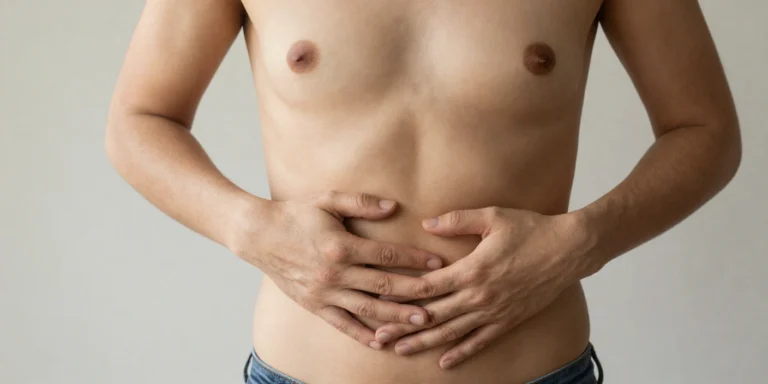
As Dr. Julian Thorne, a physician and clinical psychologist specializing in the gut-brain axis, I see patients every day who are exhausted by their own bodies. Last month, a patient named Marcus came into my clinic holding a folder full of internet research.
He was suffering from chronic brain fog, unexplained skin rashes, and severe bloating. Looking completely defeated, he asked me the most common question I hear in my practice: Is leaky gut curable, or is this something I have to live with forever?
The short answer I gave Marcus is the same one I will give you: Yes, it is highly manageable and often fully reversible. However, healing requires stepping away from viral internet trends and grounding our approach in clinical reality.
In mainstream medicine, “leaky gut syndrome” is not always recognized as a standalone formal diagnosis. Instead, we refer to it as “increased intestinal permeability” .
By understanding the precise biological mechanisms that cause this permeability, we can stop the damage and rebuild the barrier. This comprehensive guide will break down the exact, evidence-based steps needed to reclaim your digestive health. For more foundational strategies, see our guide on how to improve gut health.
Is Leaky Gut Curable?
To answer directly: yes, for the vast majority of people, increased intestinal permeability can be reversed. When patients ask me, Can leaky gut be cured?, I remind them that the gut lining is one of the most regenerative tissues in the human body.
The cells lining your intestines (enterocytes) replace themselves every few days . If you remove the inflammatory triggers and provide the right raw materials, the body naturally wants to heal.
However, when patients ask, “Can a leaky gut be healed permanently?” the answer requires nuance. It can be healed, but it will return if you revert to the lifestyle habits that caused it in the first place. Permanent healing requires permanent lifestyle adjustments.
What Is Leaky Gut and Why It Happens

Your intestinal tract is lined with a single layer of cells. These cells are held together by proteins called “tight junctions.” Think of these junctions as the security guards of your bloodstream. Their job is to allow digested nutrients and water to pass through into your blood while blocking toxins, undigested food particles, and harmful bacteria.
When you develop a leaky gut, these tight junctions become inflamed and loosen. The security gates are suddenly left open. When toxins and undigested food proteins slip through these gaps into the bloodstream, your immune system flags them as foreign invaders.
This triggers a systemic inflammatory response. Understanding what causes leaky gut is the first step in learning how to heal gut lining effectively.
What Are the 5 Warning Signs of a Leaky Gut?
Because the resulting inflammation is systemic, leaky gut symptoms can manifest anywhere in the body. If you are wondering what are the 5 warning signs of a leaky gut, look for these clinically recognized patterns:
- Digestive Issues: Chronic bloating, gas, diarrhea, or constipation are usually the first localized signs of intestinal distress.
- Food Sensitivities: Suddenly reacting poorly to foods you used to eat without issue often indicates proteins are “leaking” and triggering immune responses.
- Fatigue: Chronic inflammation drains your cellular energy, leading to persistent physical and mental exhaustion.
- Skin Issues: The gut-skin axis is very real. Conditions like eczema, acne, and rosacea frequently flare up when the intestinal barrier is compromised.
- Brain Fog: Inflammatory cytokines can cross the blood-brain barrier, causing difficulty concentrating, memory issues, and mood swings.
Is Leaky Gut Dangerous?
When patients experience these severe symptoms, their immediate fear is for their safety. Is leaky gut dangerous? It is rarely an acute medical emergency like a ruptured appendix or a heart attack. However, chronic intestinal permeability is a dangerous “slow burn.” Over years, the constant stream of inflammation severely taxes your immune system.
Is leaky gut syndrome dangerous in the long term? Clinical evidence shows it is heavily associated with the development of Irritable Bowel Syndrome (IBS), chronic fatigue, and various autoimmune conditions like Hashimoto’s thyroiditis and celiac disease.
What Causes Leaky Gut?
Understanding the root causes of intestinal permeability is the most critical part of my clinical practice. You cannot patch a hole in a boat if you are still drilling into the hull. To truly heal, we must identify what is eroding your mucosal lining. In most cases, it is a combination of modern lifestyle factors.
First and foremost is the modern Western diet. Ultra-processed foods are uniquely destructive to tight junctions. When patients ask me what are the top 3 foods that cause a leaky gut, I point immediately to refined sugars, industrial seed oils, and highly processed meats loaded with emulsifiers .
These chemical emulsifiers, designed to extend shelf life, literally act like detergents in your gut, stripping away the protective mucosal layer.
Alcohol is another massive clinical trigger. Ethanol is a known cellular toxin. Regular, heavy alcohol consumption directly damages the enterocytes and disrupts the delicate balance of your gut microbiome, creating an environment where pathogenic bacteria thrive and degrade the intestinal wall .
As a clinical psychologist, I also heavily emphasize the role of chronic psychological stress. When you are stressed, your body produces high levels of cortisol. Chronic cortisol elevation reduces blood flow to the digestive tract and suppresses the immune system in the gut, making the barrier weak and susceptible to damage.
My patient Marcus, for example, was working 80-hour weeks; his stress was the primary driver of his symptoms. For practical tools, explore how to reduce anxiety immediately.
How Long Does It Take to Heal a Leaky Gut?
Healing is not an overnight process. It requires cellular regeneration and a complete calming of the immune system. When mapping out a recovery plan, I provide my patients with realistic timeline ranges:
How long does a leaky gut take to heal depends entirely on how strictly you adhere to the treatment plan. If you remove the triggers and support the body, mild cases resolve quickly.
However, if you have autoimmune complications or a severe gut infection like SIBO, how long does it take to heal a leaky gut can easily extend past six months. Consistency is the most important variable in your recovery.
Can You Heal Leaky Gut in 2 Weeks?
Social media is full of influencers selling “quick fixes” and detox teas. Patients frequently ask me if they can heal leaky gut in 2 weeks. The answer is a definitive no. While you can absolutely experience a massive reduction in bloating and brain fog within 14 days of changing your diet, actual cellular healing takes longer.
The inflammation in your system needs time to clear out, and the microbiome requires weeks to rebalance. Two weeks is a great start for symptom relief, but it is not enough for complete structural repair.
Best Treatment for Leaky Gut
Treating intestinal permeability requires a comprehensive, multi-layered approach. Popping a single supplement will not fix a lifestyle-driven disease. When formulating the best treatment for leaky gut, I utilize a clinical protocol built on four essential pillars.
This strategy ensures we address the root cause while simultaneously repairing the localized damage.
Removing Inflammatory Triggers
The first and most crucial step is an elimination diet. You must stop the ongoing damage. We begin by entirely removing inflammatory foods, including refined carbohydrates, synthetic additives, and artificial sweeteners. Simultaneously, we eliminate alcohol and unnecessary NSAIDs.
For many patients, removing gluten and conventional dairy for a period of 60 days is necessary, as these proteins are common irritants for a compromised immune system.
Repairing the Gut Lining
Once the triggers are gone, we must provide the body with the raw materials needed to rebuild the tight junctions. This is what helps with leaky gut on a structural level. Adequate protein intake is vital here. We focus on easily digestible amino acids.
Consuming high-quality bone broth or collagen peptides provides the exact amino acid profile required to regenerate the mucosal lining and seal the cellular gaps. For targeted food guidance, see best foods to repair gut lining.
Restoring the Gut Microbiome
A healthy gut barrier relies on a healthy microbiome. The beneficial bacteria in your colon produce short-chain fatty acids (like butyrate), which actively nourish and repair the intestinal cells. To restore this balance, we introduce specific prebiotic fibers (like those found in asparagus and green bananas) to feed the good bacteria.
Once the gut is less inflamed, we slowly introduce fermented foods to populate the microbiome with diverse strains. Learn more in our guide to probiotics for leaky gut.
Reducing Systemic Inflammation
The final pillar is where my background in clinical psychology comes into play. You cannot heal a physical wound in a high-stress environment. To learn how to solve leaky gut permanently, you must regulate your nervous system.
This means prioritizing 7-9 hours of high-quality sleep, practicing daily stress reduction techniques like deep breathing or meditation, and engaging in light, restorative movement rather than punishing, high-intensity workouts that spike cortisol.
Leaky Gut Diet
Diet is your primary weapon in this battle. A proper leaky gut diet is not about restriction; it is about substitution and nourishment.
Dietary Triggers to Avoid
To protect your gut lining, you must be vigilant about avoiding ultra-processed foods. This means anything that comes in a box with a long list of chemical ingredients. You must strictly avoid excess refined sugar, which feeds pathogenic bacteria and yeast.
Furthermore, eliminate alcohol, industrial seed oils (like soybean and canola oil), and conventional, highly processed dairy products until the barrier is fully healed.
Foods That Promote Gut Healing
To actively repair the damage, focus on whole, nutrient-dense foods. Fiber-rich vegetables are essential, provided they do not trigger excessive bloating. Prioritize omega-3 sources like wild-caught salmon and chia seeds to naturally lower systemic inflammation .
Incorporate healing foods like bone broth and cooked root vegetables and eventually fermented foods like kefir, sauerkraut, and kimchi to support microbial diversity. Knowing what to eat is the easiest way to learn how to avoid leaky gut relapses.
Leaky Gut Supplements

While supplements cannot replace a healthy diet, they are powerful tools to accelerate healing. The most widely researched of the leaky gut supplements is L-glutamine. L-glutamine is an amino acid that serves as the primary fuel source for your intestinal cells, helping them regenerate faster. High-quality probiotics are also crucial for re-establishing a healthy microbiome balance .
Additionally, zinc carnosine is excellent for soothing the mucosal lining, while omega-3 fatty acids help calm systemic inflammation . However, I always caution my patients: supplements are the “roof” of the house, not the “foundation.” The best thing for leaky gut is your daily diet and stress management; supplements merely speed up the timeline.
How to Cure Leaky Gut at Home
You do not need a hospital stay to fix this condition. Learning how to cure leaky gut at home is highly achievable if you follow a structured plan.
You must prioritize your circadian rhythm by getting sunlight in the morning and sleeping 8 hours a night. Finally, step four is the gradual reintroduction phase.
After 8 to 12 weeks of feeling symptom-free, you can slowly reintroduce healthy, whole foods (like complex grains or high-quality dairy) one at a time, monitoring your body for any adverse reactions. This is how to treat leaky gut sustainably.
Frequently Asked Questions
Is leaky gut curable permanently?
Yes, but permanent healing requires permanent lifestyle changes. If you heal your gut but eventually return to a high-stress lifestyle and a diet of ultra-processed foods and heavy alcohol, the intestinal permeability will return.
What heals a leaky gut fastest?
is strict elimination of inflammatory triggers (like alcohol, refined sugar, and processed foods) combined with L-glutamine supplementation and bone broth to provide the structural building blocks for repair .
Can diet alone fix leaky gut?
For mild cases, diet alone is often enough. However, if chronic psychological stress or an underlying gut infection (like SIBO) is driving the permeability, diet must be paired with stress management and targeted antimicrobial treatments.
How do you know if your gut is healing?
You will notice a clear reduction in systemic symptoms. Your brain fog will lift, your energy will stabilize, skin rashes will clear up, and you will experience regular, pain-free bowel movements without severe bloating.
Is leaky gut a real medical condition?
Yes, though mainstream medicine prefers the term “increased intestinal permeability.” It is a clinically recognized biological mechanism where the tight junctions of the intestinal wall fail, allowing toxins to enter the bloodstream and trigger inflammation .
Conclusion
The journey to resolving intestinal permeability is not a quick fix, but it is profoundly empowering. When my patient Marcus committed to this protocol—changing his diet, managing his work stress, and utilizing targeted supplements—his brain fog lifted, and his skin cleared within three months.
The answer to the question of whether this condition is curable is a resounding yes. By stepping away from inflammatory modern lifestyles and embracing nutrient-dense, gut-supporting habits, you can repair your tight junctions, calm your immune system, and reclaim your overall health and vitality. For a complete recovery roadmap, explore our guide on how to fix leaky gut.
Authoritative References
- National Institutes of Health (NIH)—Tight junction regulation & intestinal permeability
- National Institutes of Health (NIH)—Intestinal permeability in IBD pathogenesis
- National Institutes of Health (NIH)—L-glutamine and intestinal barrier function
- National Institutes of Health (NIH)—Probiotics fortify intestinal barrier: systematic review
- National Institutes of Health (NIH)—Alcohol and gut-derived inflammation
- Gut Journal—Psychological stress, cortisol & intestinal permeability
- National Institutes of Health (NIH)—Omega-3 fatty acids reduce intestinal inflammation
- National Institutes of Health (NIH)—Zinc L-carnosine for gastrointestinal mucosal repair
- Nature Reviews Gastroenterology—Ultra-processed foods, emulsifiers & gut barrier dysfunction
- National Institutes of Health (NIH)—Enterocyte turnover & intestinal epithelial regeneration
Related Posts





MORE from Author
Read More As a physician specializing in exercise science and public health, I regularly consult patients who feel completely lost in the…
 Just last week, a 34-year-old patient named Clara sat in my clinic, feeling entirely overwhelmed by the modern fitness industry.…


 Hello, I am Dr. Kenji Sato, MD, specializing in sports medicine and performance optimization. In my sports clinic, I constantly…
- In my clinical practice as a physician focused on exercise science, I often tell patients that mastering fitness bench workouts…