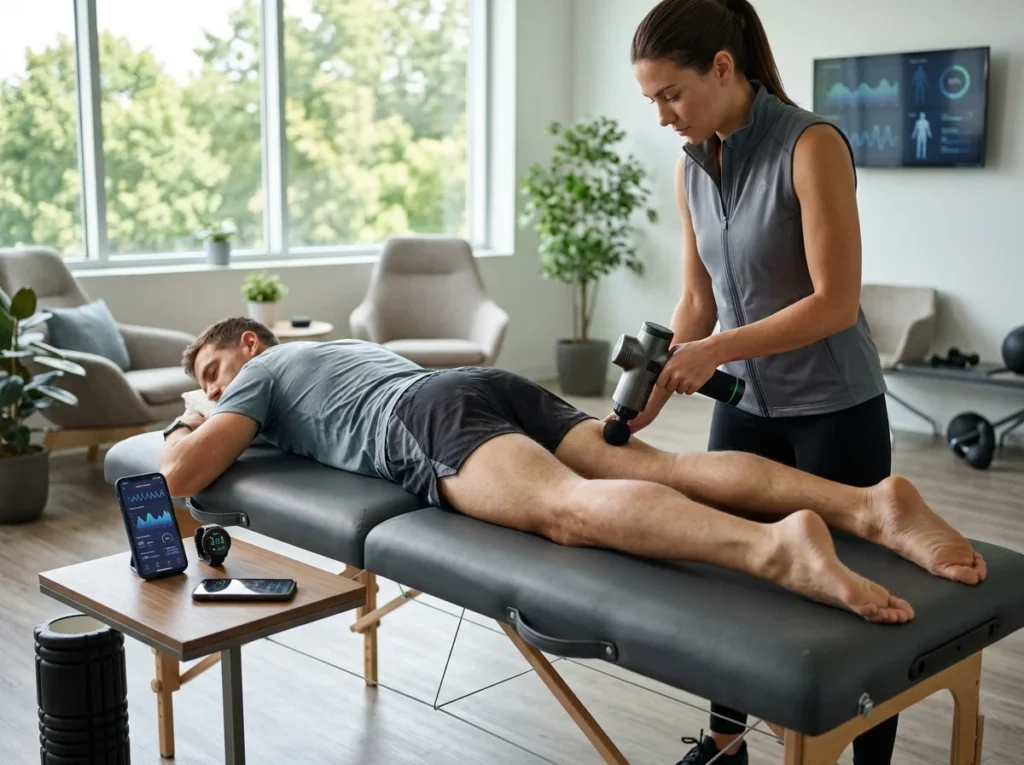
Can Caffeine Cause Heart Attack or Stroke? (Risks, Blood Pressure & Safe Intake)

Millions of Americans begin their day with a steaming cup of coffee. Consequently, many patients in my cardiology clinic frequently ask, “Can caffeine cause a heart attack or stroke?”As a board-certified physician specializing in preventive cardiology, I understand the anxiety surrounding dietary stimulants.
Caffeine is the most widely consumed psychoactive substance globally.It crosses the blood-brain barrier rapidly, stimulating your central nervous system. Because it has such a profound impact on alertness, patients logically wonder if it overworks the cardiovascular system.
TL;DR: Quick Overview
- Moderate caffeine intake is generally safe for the vast majority of healthy adults.
- High doses can trigger temporary spikes in heart rate and systemic blood pressure.
- Caffeine rarely causes a heart attack or stroke alone, but it may trigger issues in high-risk individuals.
- The FDA recommends a safe daily limit of about 400 mg (roughly 3–4 standard cups of coffee).
Can Caffeine Cause a Heart Attack or Stroke?
Caffeine alone rarely causes a heart attack or stroke in completely healthy individuals. However, extreme doses can temporarily raise blood pressure and heart rate significantly.
This sudden cardiovascular stress can potentially increase the risk for people with underlying, undiagnosed cardiac conditions. Therefore, moderation remains the safest approach for anyone with a family history of heart disease.
How Does Caffeine Affect the Heart?

To understand the risks, we must look at how stimulants physically alter cardiovascular function. When you consume a caffeinated beverage, it rapidly absorbs into your bloodstream via the stomach lining.
Once circulating, it blocks adenosine receptors in the brain, preventing you from feeling fatigued. This blockade triggers the release of adrenaline, the body’s primary “fight or flight” stress hormone.
Heart Rate Effects
Adrenaline directly stimulates the electrical pacemaker cells located within your heart muscle. This stimulation forces the heart to beat faster and pump blood more aggressively.
While a slight increase in heart rate is normal, excessive stimulation can feel uncomfortable. Some sensitive individuals may experience a pounding sensation even after a single cup.
Blood Vessel Effects
Beyond the heart muscle, adrenaline also causes peripheral blood vessels to physically constrict. This temporary narrowing forces your heart to work harder to push blood through the circulatory system.
This vascular resistance is the primary physiological mechanism behind caffeine-induced blood pressure spikes. The effect is usually temporary, but it requires careful monitoring in hypertensive patients.
Does Caffeine Raise Blood Pressure?
Yes, consuming stimulants generally causes a short-term, measurable increase in systemic blood pressure. The exact mechanism is not entirely understood, but researchers believe it relates to adrenaline release.
Interestingly, habitual coffee drinkers often develop a biological tolerance to this specific cardiovascular effect. Their blood pressure may not spike as aggressively as someone who rarely consumes caffeinated products.
Coffee and High Blood Pressure (Hypertension)
For patients with well-controlled hypertension, moderate coffee consumption is often perfectly safe. Most clinical guidelines do not require patients to eliminate their morning brew entirely.
However, highly sensitive individuals or those with uncontrolled hypertension may see dangerous, sudden spikes. I often recommend that these patients switch to decaffeinated options to protect their delicate blood vessels.
How Does Caffeine Affect Heart Rate?
Stimulants can easily cause heart palpitations, which are sensations of a racing, fluttering, or pounding heartbeat. These palpitations are much more noticeable when consuming massive doses from energy drinks.
For the average healthy person, a slight bump in heart rate is harmless and resolves quickly. Yet, for someone with a pre-existing electrical rhythm disorder, it can trigger a sustained, uncomfortable arrhythmia.
Heart Attack Risk Factors
To properly assess risk, we must understand that cardiac events rarely happen from one single cause. High blood pressure is the leading driver of arterial damage over time.
Smoking introduces toxic chemicals that physically destroy the smooth lining of your coronary arteries. Furthermore, uncontrolled diabetes and high cholesterol accelerate the dangerous buildup of inflammatory plaque.
What Can Cause a Stroke?
A stroke is fundamentally a plumbing crisis occurring within the fragile blood vessels of the brain. The vast majority are ischemic, caused by blood clots blocking vital oxygen delivery.
Atrial fibrillation (AFib), an irregular heart rhythm, frequently allows these dangerous clots to form. High blood pressure is also a massive contributor, as it can cause weakened brain vessels to burst suddenly.
Risk of Stroke With AFib
AFib significantly increases your baseline risk of suffering a debilitating ischemic stroke. Because the heart’s upper chambers quiver instead of squeezing properly, blood pools and clots form easily.
Patients often wonder if their daily espresso exacerbates their AFib symptoms. Current evidence shows that moderate caffeine consumption does not typically trigger AFib in habitual users, though individual sensitivity varies wildly.
Can Caffeine Cause Stroke-Like Symptoms?
Massive stimulant overdoses can mimic the terrifying neurological symptoms of a stroke or severe medical crisis. Extreme anxiety, induced by excess adrenaline, can cause sudden numbness or tingling in the extremities.
Patients may experience intense palpitations, profound dizziness, and a feeling of impending doom. While these symptoms are usually panic-related, they require immediate emergency evaluation to safely rule out a true stroke.
How Much Caffeine Can Cause a Heart Attack in One Day?
Consuming extremely high doses, generally exceeding 1,000 mg in a short period, becomes highly dangerous. These massive doses are rarely achieved through normal brewed coffee alone.
Usually, toxic levels are reached by rapidly consuming multiple highly concentrated energy drinks or pure powder supplements. Most documented cases of stimulant-induced cardiac arrest involve patients with underlying, hidden structural heart defects.
Coffee Side Effects
Understanding the side effects helps you gauge your personal tolerance level effectively.
Short-Term Effects: You may experience nervous jitters, upset stomach, or intense anxiety shortly after consumption. An increased heart rate and sudden need to urinate are also extremely common physiological responses.
Long-Term Effects: Chronic overuse severely disrupts normal sleep architecture, leading to persistent daytime fatigue. In highly sensitive individuals, constant cardiovascular stimulation may negatively impact long-term blood pressure control.
Long-Term Effects of Caffeine on the Heart
The medical evidence regarding lifelong coffee consumption is surprisingly complex and often mixed. Several large epidemiological studies actually suggest that moderate intake may be slightly cardioprotective.
These benefits are likely due to the massive amount of natural antioxidants present in roasted beans. Nevertheless, substituting water for excessive energy drinks remains the best clinical advice for long-term cardiac longevity.
Is Coffee Bad for Heart Palpitations?
If you are prone to skipped beats or premature ventricular contractions (PVCs), stimulants can trigger symptoms. The electrical pathways in your heart become overly sensitive to adrenaline surges.
However, avoiding your morning brew entirely does not always cure the palpitations. It highly depends on your unique individual sensitivity and overall stress levels.
Is Black Coffee Good for Heart Patients?
Black coffee is virtually calorie-free and packed with beneficial, inflammation-fighting antioxidants. For many stable heart patients, it is a perfectly acceptable and enjoyable daily beverage.
However, it must be consumed in strict moderation, usually limited to one or two small cups. Patients recovering from a recent acute infarction should always consult their cardiologist before resuming consumption.
Is Milk Coffee Good for Heart Health?

The health impact of a latte or cappuccino depends entirely on the added sugar and fat content. Heavy creams and sugary syrups add massive amounts of saturated fat and empty, inflammatory calories.
This excess sugar contributes heavily to obesity, insulin resistance, and long-term cardiovascular disease. Moderation is key; opting for skim milk or unsweetened plant-based alternatives keeps the beverage heart-healthy.
Does Caffeine Help Headaches?
Interestingly, stimulants are a primary active ingredient in many over-the-counter migraine medications. It helps constrict dilated blood vessels in the brain, providing rapid pain relief.
However, frequent overuse can lead to severe physical dependency and agonizing withdrawal symptoms. This creates a vicious cycle of rebound headaches that are extremely difficult for patients to break.
Who Should Limit or Avoid Caffeinated Drinks?
Certain patient populations must heavily restrict their daily stimulant intake for safety reasons. People diagnosed with severe, uncontrolled arrhythmias or persistent tachycardia should avoid strong stimulants entirely.
Patients with uncontrolled, dangerous hypertension should also consult their doctor about safely tapering their intake. Finally, individuals suffering from severe generalized anxiety disorders often find their psychiatric symptoms worsen significantly with stimulants.
Safe Caffeine Intake Guidelines
The FDA provides clear, evidence-based guidelines regarding daily stimulant consumption. Up to 400 milligrams per day is generally considered safe for the average healthy adult.
This equals roughly four 8-ounce cups of standard home-brewed coffee. However, pregnant women and individuals with known cardiac sensitivities should adhere to much lower, stricter limits.
When to Seek Medical Advice
You must never ignore specific, high-risk cardiovascular symptoms, regardless of what you recently drank. If you experience persistent, crushing chest pain that radiates into your jaw or arm, call emergency services immediately.
An irregular, racing heartbeat that does not slow down when you rest requires urgent medical evaluation. Severe dizziness, fainting spells, or sudden shortness of breath are absolute red flags for a cardiac emergency.
Common Myths About Caffeine and Heart Health
A pervasive myth claims that drinking coffee is a guaranteed shortcut to suffering a massive heart attack. In reality, vast amounts of clinical data show no direct causal link between moderate intake and sudden infarctions.
Another dangerous myth suggests that all stimulants are equally toxic to your cardiovascular system. The natural compounds found in green tea or coffee behave very differently than the synthetic chemicals pumped into commercial energy drinks.
Frequently Asked Questions
Can coffee directly cause a heart attack?
Rarely in healthy individuals. However, the risk increases significantly with massive, toxic doses or if the person has severe underlying, undiagnosed cardiovascular conditions.
Does drinking tea or coffee increase stroke risk?
Not directly in moderate, controlled amounts. While extreme doses can temporarily spike blood pressure, moderate daily consumption is not considered an independent risk factor for stroke.
Is espresso safe for patients with a stent?
Often yes, provided it is consumed in strict moderation. However, it depends entirely on the individual’s current blood pressure control and overall cardiovascular stability.
Why does my chest hurt after an energy drink?
Energy drinks contain massive amounts of synthetic stimulants and sugar that rapidly accelerate your heart rate. This sudden, extreme cardiovascular demand can cause sharp chest discomfort or intense muscle spasms.
Should I stop drinking coffee if I have high blood pressure?
Not necessarily, as many habitual drinkers develop a tolerance. You should consult your primary care physician to monitor your specific blood pressure response after consuming your usual morning beverage.
Conclusion
Understanding how everyday dietary choices impact your cardiovascular system is the cornerstone of preventive medicine. The question of whether can caffeine cause heart attack or stroke is one that requires looking past sensational headlines and focusing on clinical evidence.
For the vast majority of healthy adults, enjoying a morning cup of coffee or afternoon tea is a perfectly safe daily ritual. The natural antioxidants present in these traditional beverages may even offer subtle, long-term protective benefits against systemic inflammation.
However, the modern landscape of highly concentrated energy drinks and pre-workout supplements has drastically altered how we consume stimulants. These potent, synthetic products deliver massive doses that far exceed the FDA’s recommended safety guidelines.
When you flood your nervous system with extreme levels of adrenaline, your blood pressure spikes and your heart rate accelerates unnaturally. This acute stress is where the true danger lies, particularly for individuals harboring silent, undiagnosed structural heart defects or rhythm disorders.
Protecting your heart health requires a deep sense of self-awareness and absolute honesty with your medical provider. If you notice that your morning brew consistently triggers uncomfortable palpitations, dizziness, or intense anxiety, your body is sending a clear warning signal.
You must learn to respect your unique physiological limits rather than forcing your body to rely on artificial energy.
Ultimately, maintaining a robust cardiovascular system relies on controlling your primary risk factors aggressively. Managing your baseline blood pressure, optimizing your cholesterol levels, and engaging in daily aerobic exercise will protect your heart far more than agonizing over a single cup of coffee.
If you ever experience sudden chest pressure, radiating arm pain, or severe shortness of breath, do not assume it is just a caffeine jitter. Trust your instincts, seek immediate emergency medical evaluation, and prioritize your long-term health above all else.
Evidence-Based References:
- American Heart Association (AHA) – Caffeine and Heart Disease
- U.S. Food and Drug Administration (FDA) – Spilling the Beans: How Much Caffeine is Too Much?
- Mayo Clinic – Caffeine: How much is too much?
- National Institutes of Health (NIH) – Caffeine and adenosine
- Harvard T.H. Chan School of Public Health – Coffee (Health Risks and Benefits)
Related Posts



MORE from Author
Read More As a physician specializing in exercise science and public health, I regularly consult patients who feel completely lost in the…
 Just last week, a 34-year-old patient named Clara sat in my clinic, feeling entirely overwhelmed by the modern fitness industry.…

 Hello, I am Dr. Kenji Sato, MD, specializing in sports medicine and performance optimization. In my sports clinic, I constantly…
- In my clinical practice as a physician focused on exercise science, I often tell patients that mastering fitness bench workouts…