
Normal Heart Rate for Women (By Age, Activity & Health Status)

As a board-certified MD specializing in cardiovascular and preventive medicine, I frequently evaluate patients concerned about their cardiovascular vital signs. Understanding the normal heart rate for women is a fundamental aspect of monitoring your overall physical well-being.
Many patients arrive at my clinic feeling anxious because their smartwatch alerted them to a spike or drop in their pulse. While these devices are helpful, they often lack the clinical context necessary to interpret the data accurately.
Women experience unique physiological changes throughout their lives that directly impact cardiovascular function. Hormonal fluctuations, pregnancy, and menopause all play significant roles in how fast your heart beats.
This comprehensive guide will explain exactly what numbers you should expect on your monitors. We will explore how age, daily activity, and specific health conditions influence your cardiovascular system.
TL;DR: Quick Overview
- A normal resting pulse for healthy adult females typically ranges between 60 and 100 beats per minute.
- Highly conditioned athletes often experience lower resting rates ranging from 50 to 60 beats per minute.
- Your daily numbers will fluctuate significantly based on fitness levels, emotional stress, and menstrual cycle phases.
- Pregnant individuals naturally experience a pulse increase of 10 to 20 beats per minute to support fetal blood flow.
- You should seek immediate emergency medical care if your resting pulse consistently exceeds 100 or drops below 50 alongside dizziness.
What Is a Normal Heart Rate for Women?
A normal heart rate for women at rest is typically between 60 and 100 beats per minute (bpm). This measurement represents the number of times your heart contracts to pump blood through your body while you are completely relaxed.
While 60 to 100 bpm is the official clinical standard, optimal cardiovascular health often presents at the lower end of this spectrum.
Many preventive cardiologists consider a resting pulse between 50 and 70 bpm to be ideal for adults. Higher resting numbers within the normal range can sometimes indicate a lack of physical conditioning or high chronic stress levels.
Normal Resting Heart Rate for Women
Your resting pulse serves as a critical baseline indicator of your heart muscle’s efficiency. When you are sitting quietly, a stronger heart muscle can pump a larger volume of blood with every single contraction.
This efficiency means the heart does not need to beat as frequently to meet the body’s oxygen demands. The standard range of 60 to 100 bpm applies to the general adult female population. However, multiple lifestyle and physiological factors can shift your personal baseline up or down on a daily basis.
Physical fitness level is the most significant modifier of your resting cardiovascular metrics. Women who regularly engage in cardiovascular exercise develop a higher stroke volume and a lower resting pulse.
Emotional stress and anxiety trigger the sympathetic nervous system, releasing adrenaline that temporarily accelerates your heartbeat. Hormonal changes during your menstrual cycle, particularly the luteal phase, can also cause mild elevations in your baseline numbers.
Normal Heart Rate for Women by Age
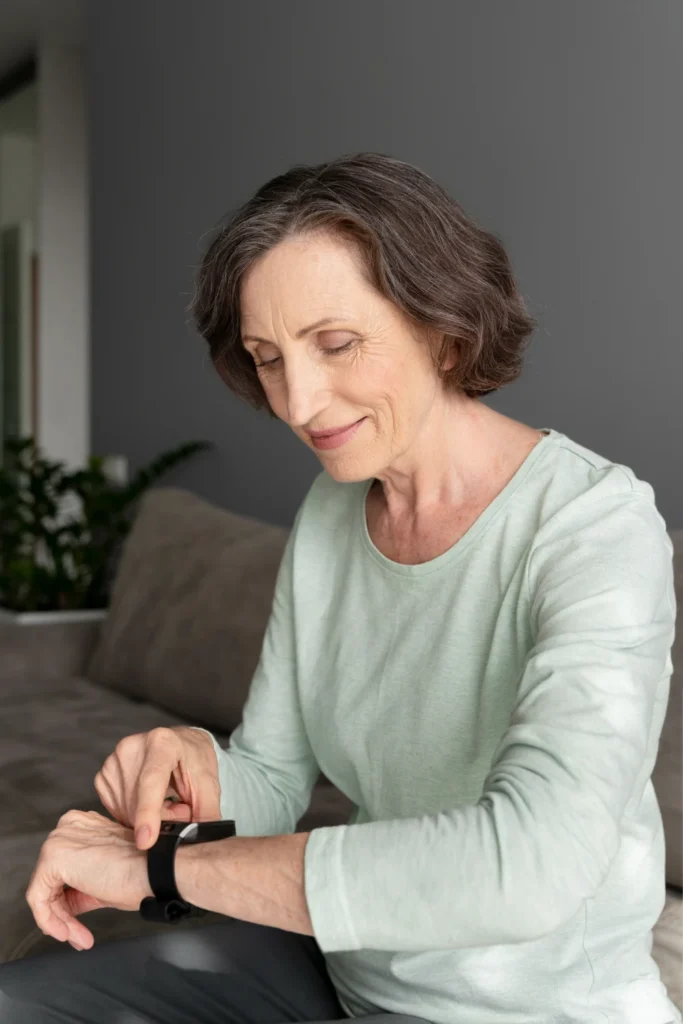
Age fundamentally alters the structural elasticity and electrical pathways of the human heart over time. As women transition through different decades, the autonomic nervous system changes how it regulates cardiovascular rhythms.
Understanding these age-specific variations helps prevent unnecessary anxiety when reviewing your personal health data. Below is a clinical reference chart outlining expected baseline measurements across different age groups.
Women’s Heart Rate Chart
| Age Group | Normal Resting HR (bpm) | Estimated Maximum HR (bpm) |
| 20s | 60–100 | 190–200 |
| 30s | 60–100 | 180–190 |
| 40s | 60–100 (May increase slightly) | 170–180 |
| 50s | 60–100 | 160–170 |
| 60+ | 60–100 | 150–160 |
Normal Heart Rate for Women in Their 20s
Women in their twenties generally possess optimal cardiovascular elasticity and a highly responsive autonomic nervous system.
The resting pulse in this decade usually falls comfortably between 60 and 100 bpm. Young women who are active in collegiate sports or regular gym routines often see resting rates in the low 50s.
During this decade, the heart is extremely efficient at adapting to vigorous physical demands. The maximum heart rate—calculated roughly by subtracting your age from 220—is at its peak during your twenties.
This allows for intense cardiovascular output during athletic performance and rapid recovery times after exertion. Unless an underlying congenital issue exists, arrhythmias are relatively uncommon in this age group.
Normal Heart Rate for Women Over 40
Entering your forties and fifties introduces the complex cardiovascular impact of perimenopause and menopause.
The resting pulse may increase slightly during this transition due to declining estrogen levels. Estrogen is naturally cardioprotective and helps keep blood vessels relaxed and flexible.
As estrogen decreases, the sympathetic nervous system can become slightly more dominant, leading to occasional palpitations or a faster baseline pulse.
Women in this age bracket frequently report sudden racing heartbeats, often accompanying hot flashes.
While the clinical normal range remains 60 to 100 bpm, maintaining cardiovascular fitness becomes crucial here to counteract natural vascular stiffening.
Routine medical checkups are essential in this decade to monitor for early signs of hypertension or arrhythmias.
Normal Heart Rate for Women During Activity
Your cardiovascular system is remarkably dynamic and adjusts its speed instantly based on physical demand. Tracking your pulse during different activities helps ensure you are training safely and effectively.
Working Out
Exercise heart rate zones are calculated based on your maximum cardiovascular capacity. Moderate-intensity exercise, such as light jogging or cycling, should elevate your pulse to 50–70% of your maximum rate.
Vigorous cardiovascular training, like sprinting or high-intensity interval training (HIIT), pushes the heart to 70–85% of its maximum threshold.
Walking
Walking is an excellent, low-impact method for maintaining cardiovascular health without overstressing the joints. A brisk walk will typically elevate a woman’s pulse to somewhere between 80 and 120 bpm. The exact number depends heavily on your baseline fitness, walking speed, and the incline of your route.
Sleeping
During deep sleep, the parasympathetic nervous system takes complete control of your bodily functions. This physiological state promotes healing, muscle repair, and profound cardiovascular rest. It is entirely normal for a woman’s pulse to drop between 40 and 60 bpm while she is asleep.
Normal Heart Rate for Women in Pregnancy
Pregnancy completely transforms maternal physiology, requiring the heart to work significantly harder to sustain two lives. A woman’s total blood volume expands by 30% to 50% during gestation to supply the growing fetus and placenta.
Because of this massive increase in fluid volume, the heart must pump faster to circulate the extra blood. It is clinically expected for a pregnant woman’s resting pulse to increase by 10 to 20 bpm above her pre-pregnancy baseline. This elevation usually begins in the first trimester and peaks during the third trimester.
While this increase is normal, pregnant women should monitor for persistent tachycardia or palpitations that cause shortness of breath. If your resting pulse remains excessively high or is accompanied by chest pain, prompt obstetric or cardiologic evaluation is mandatory.
What Is a Dangerous Heart Rate for a Woman?
Identifying the boundaries between a normal physiological response and a dangerous medical event can literally save your life. As a physician, I teach my patients to recognize the specific warning signs of both excessively high and low rhythms.
High Heart Rate (Tachycardia)
Tachycardia is clinically defined as a resting pulse consistently exceeding 100 bpm. While stress, caffeine, or dehydration can temporarily cause this, a sustained high rate requires medical investigation.
Conditions like hyperthyroidism, anemia, or supraventricular tachycardia (SVT) frequently present with an abnormally fast resting pulse. If your heart is racing while you are sitting calmly watching television, you should contact a healthcare provider.
Low Heart Rate (Bradycardia)
Bradycardia occurs when the resting pulse drops below 60 bpm. For highly trained female athletes, a pulse in the 40s or 50s is completely harmless and indicates an incredibly efficient heart.
The danger arises when a low pulse is accompanied by a failure to pump adequate oxygen to the brain.
Warning Symptoms
You should never evaluate a heart rate number in isolation; accompanying physical symptoms dictate the medical urgency. A pulse outside the normal range is highly concerning if you experience accompanying dizziness, lightheadedness, or fainting spells.
Chest pain, severe shortness of breath, or a feeling of overwhelming fatigue alongside an abnormal pulse are immediate red flags. If these specific warning symptoms occur, you must seek emergency medical evaluation immediately.
Normal Heart Rate for Men vs Women
Biological sex plays a distinct anatomical role in baseline cardiovascular metrics.
Women’s hearts are typically smaller in physical mass and chamber size compared to men’s hearts. Because the female heart is smaller, it pumps a slightly lower volume of blood with each individual beat.
To compensate for this lower stroke volume and maintain adequate total blood circulation, a woman’s heart must beat slightly faster.
On average, a healthy woman’s resting pulse is roughly 2 to 7 beats per minute faster than a man of the same age and fitness level. This biological difference is completely normal and does not indicate an underlying cardiovascular weakness.
Related Vital Signs
Evaluating your pulse alongside other vital signs provides a much clearer picture of your overall physiological stability.
Normal blood pressure for women is clinically defined as a systolic reading below 120 mmHg and a diastolic reading below 80 mmHg (120/80). Blood pressure naturally undergoes slight increases with age as blood vessels gradually lose their youthful elasticity.
The normal respiratory rate for an adult woman at rest is typically 12 to 20 breaths per minute. If your heart is racing and your respiratory rate exceeds 20 breaths per minute while resting, it indicates cardiopulmonary distress.
Factors That Affect Heart Rate
Beyond age and gender, daily lifestyle variables constantly influence your cardiovascular output. Dehydration decreases your total blood volume, forcing the heart to beat faster to maintain adequate tissue perfusion.
Caffeine and other stimulants trigger the release of adrenaline, which directly stimulates the cardiac conduction system.
Prescription medications, particularly thyroid hormones, asthma inhalers, and certain antidepressants, can significantly elevate your baseline pulse. Conversely, medications like beta-blockers are specifically designed to slow the heart down to protect the cardiac muscle.
How to Check Your Heart Rate
Monitoring your pulse accurately is a simple skill that every patient should master for basic health literacy.
The manual pulse counting method remains the most reliable and accessible technique.
Place your index and middle fingers firmly on the inside of your opposite wrist, just below the base of the thumb. Count the beats you feel for 30 seconds, then multiply that number by two to determine your beats per minute.
Modern devices like smartwatches and dedicated fitness trackers utilize optical light sensors to estimate blood flow continuously.
While highly convenient for tracking daily trends, they can occasionally produce inaccurate readings during heavy arm movements or excessive sweating.
How to Improve Heart Health

Proactive lifestyle modifications are the most powerful medical tools for optimizing your resting cardiovascular metrics.
Regular aerobic exercise strengthens the cardiac muscle, gradually lowering your resting pulse over several months of consistent training.
A balanced diet rich in potassium, magnesium, and omega-3 fatty acids supports optimal electrical conduction within the heart.
Managing chronic psychological stress through meditation, deep breathing, or therapy lowers circulating cortisol and adrenaline.
Finally, prioritizing seven to eight hours of high-quality sleep nightly allows the parasympathetic nervous system to repair vascular tissues.
Common Mistakes to Avoid
Patients frequently misinterpret fitness-related low heart rates as a dangerous medical condition, leading to unnecessary anxiety. If you are highly active and feel perfectly fine, a resting pulse of 55 bpm is an achievement, not a disease.
Conversely, a major mistake is ignoring a persistently high pulse simply because a smartwatch labels it as “moderate activity.”
Another critical error is relying exclusively on wearable devices while entirely ignoring physical symptoms like chest pressure or dizziness. Technology should supplement your body awareness, not replace your basic physical intuition.
Frequently Asked Questions
What is a normal resting heart rate for women?
The clinical standard for a healthy adult woman is between 60 and 100 beats per minute at rest. Highly active women may naturally sit in the 50s.
Is 55 bpm normal for a woman?
Yes, a resting pulse of 55 bpm is completely normal and often indicates excellent cardiovascular fitness, provided you are experiencing no dizziness or fatigue.
What heart rate is too high?
A resting pulse consistently above 100 bpm is considered tachycardia and warrants a medical evaluation to rule out underlying conditions.
Does menopause affect my heart rate?
Yes, decreasing estrogen levels during menopause can alter autonomic nervous system balance, sometimes leading to a slightly faster baseline pulse and occasional palpitations.
Can anxiety cause a dangerous heart rate?
Severe anxiety and panic attacks can temporarily drive your pulse extremely high, but it usually returns to normal once the emotional stress resolves.
Conclusion
Understanding the normal heart rate for women is an empowering step toward taking absolute control of your cardiovascular longevity.
Your heart is a highly adaptable organ that responds directly to how you manage your fitness, stress, and lifestyle choices.
By knowing your personal baseline and recognizing how age or pregnancy shifts those numbers, you avoid unnecessary medical anxiety.
Always pay close attention to accompanying physical symptoms rather than fixating entirely on the digital readout of a smartwatch.
If you ever experience a highly abnormal pulse accompanied by dizziness or chest pain, please seek immediate emergency medical care.
Evidence-Based References:
Related Posts






MORE from Author
Read More As a physician specializing in exercise science and public health, I regularly consult patients who feel completely lost in the…
 Just last week, a 34-year-old patient named Clara sat in my clinic, feeling entirely overwhelmed by the modern fitness industry.…


 Hello, I am Dr. Kenji Sato, MD, specializing in sports medicine and performance optimization. In my sports clinic, I constantly…
- In my clinical practice as a physician focused on exercise science, I often tell patients that mastering fitness bench workouts…