
Common Symptoms of Menopause: Signs, Causes, and What to Expect
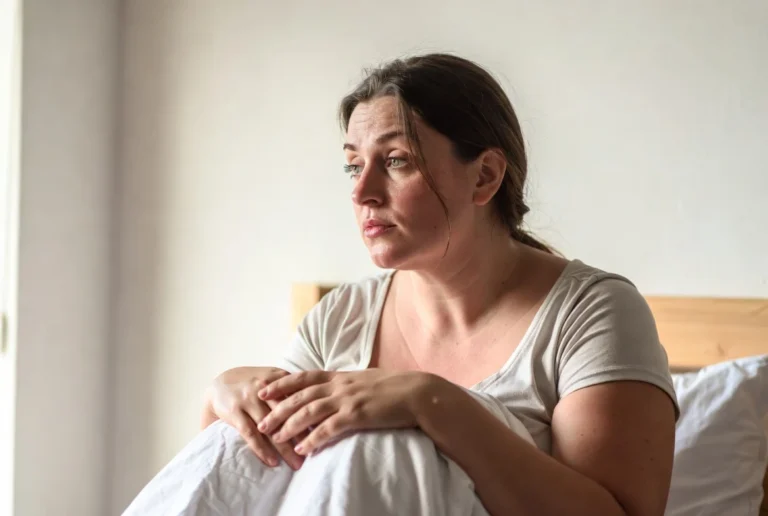
Menopause is a significant biological transition, marking the end of a woman’s reproductive years. It is a natural stage of life that occurs when the ovaries stop producing high levels of estrogen and progesterone, eventually leading to the permanent cessation of menstrual cycles.
While every woman’s journey is unique, the hormonal shifts involved can trigger a wide array of physical and emotional changes. In my clinical experience as Dr. Julian, I have found that the uncertainty surrounding these changes is often more distressing than the symptoms themselves.
I remember a patient, “Elena,” who came to me at age 48, convinced she was experiencing a thyroid disorder or chronic fatigue. She was surprised to learn that her erratic sleep and sudden irritability were actually common symptoms of menopause and perimenopause.
By understanding the most common symptoms of menopause, women can navigate this transition with greater confidence and agency. This article will detail the typical signs, the biological “why” behind them, and how to distinguish between different stages of the transition.
What Is Menopause?
Technically, menopause is a single point in time—the 12-month anniversary of your last menstrual period. However, the term is commonly used to describe the entire transition. The average menopause age is 51, though most women begin noticing changes in their mid-to-late 40s.
This transition is generally divided into three phases: perimenopause (the lead-up), menopause (the milestone), and postmenopause (the years following). During this time, the gradual decline of estrogen affects almost every system in the body, from the brain to the bones.
Understanding what the common symptoms of menopause are requires looking at how these hormones fluctuate. It is often the “rollercoaster” of hormones in the early stages, rather than just the low levels at the end, that causes the most disruption.
The Most Common Symptoms of Menopause
The most common symptoms of menopause are diverse because estrogen receptors are located throughout the body. While some women breeze through the transition, others experience symptoms that significantly impact their quality of life.
10 Most Common Symptoms of Menopause
- Hot Flashes: Sudden feelings of intense warmth, usually over the face and neck.
- Night Sweats: Severe hot flashes that occur during sleep, often requiring a change of sheets.
- Irregular Periods: Cycles may become shorter, longer, or skip months entirely.
- Mood Swings: Increased irritability, anxiety, or sudden “lows” similar to PMS.
- Sleep Disturbances: Difficulty falling or staying asleep, often independent of night sweats.
- Vaginal Dryness: Thinning of the vaginal walls and decreased lubrication.
- Reduced Libido: A noticeable drop in sexual desire or drive.
- Fatigue: A sense of persistent tiredness that isn’t always solved by rest.
- Brain Fog: Difficulty concentrating or frequent “tip-of-the-tongue” memory lapses.
- Weight Gain: A shift in fat storage, particularly around the abdomen (the “menopause middle”).
These typical symptoms of menopause are the body’s way of recalibrating to a new hormonal baseline. In my practice, I emphasize that these are not “malfunctions” but biological adjustments.
What Are Five Common Symptoms of Menopause?
For those looking for a quick reference, these are the five common symptoms of menopause that clinicians see most frequently in daily practice. Each is a direct result of declining estrogen levels:
- Hot Flashes: Estrogen helps regulate the body’s “thermostat” in the brain; as it drops, the thermostat becomes hypersensitive.
- Night Sweats: These are essentially nocturnal hot flashes that disrupt the deep sleep cycle.
- Sleep Problems: Estrogen and progesterone promote restful sleep; their decline often leads to insomnia.
- Mood Swings: Hormones influence neurotransmitters like serotonin, which governs mood stability.
- Vaginal Dryness: Estrogen maintains the health and elasticity of vaginal tissues.
When women ask for a list of five symptoms of menopause, these are the “core” indicators that help us confirm the transition is underway.
Common Symptoms of Perimenopause
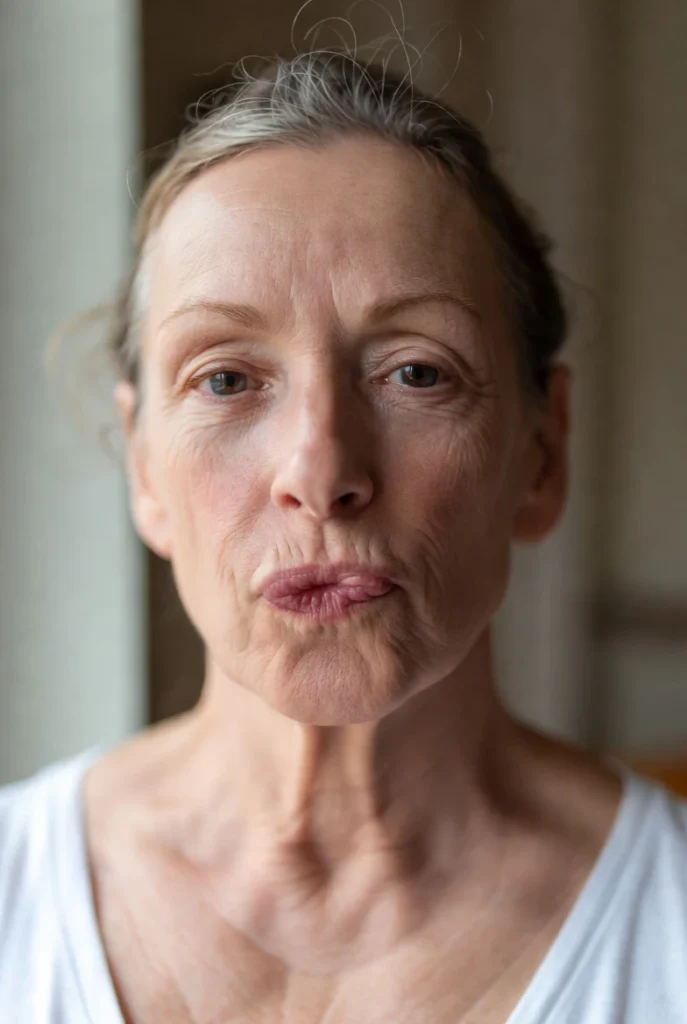
Many women are surprised to learn that common symptoms of menopause and perimenopause can begin up to 10 years before their periods actually stop. This “pre-menopause” phase is when hormone levels start their initial decline.
In my interviews with patients, the 10 common symptoms of perimenopause often include breast tenderness and worsening headaches. Many women in their early 40s notice that their PMS symptoms feel “on steroids”—more intense and longer-lasting than in their 30s.
Perimenopause is also marked by decreased fertility. While it is still possible to get pregnant, the cycles become less predictable. Identifying these early signs allows for proactive management of bone health and cardiovascular wellness before menopause officially begins.
Less Common Symptoms of Menopause
Beyond the well-known “hot flashes,” there are less common symptoms of menopause that frequently catch women off guard. Because these signs are less discussed, they can cause unnecessary health anxiety.
Some women experience “burning mouth syndrome,” a metallic taste or a sensation of scalding in the mouth. Others report “formication,” the feeling of insects crawling on the skin. Joint pain, thinning hair, and even changes in body odor are also linked to the decline of estrogen’s protective effects on connective tissues and the skin.
Because estrogen affects the nervous system, some women experience dizzy spells or a sensation of “electric shocks” under the skin. If you are experiencing these, know that you are not alone; they are simply less publicized manifestations of hormonal withdrawal.
Early Signs of Menopause
Recognizing the signs of menopause at 40 or 42 is essential for early intervention. One of the most reliable early indicators is a change in the “rhythm” of your cycle. Your periods might come every 21 days instead of 28, or you might experience heavier-than-usual flow followed by a very light month.
At menopause symptoms age 47, many women report a sudden increase in night sweats just before their periods begin. This is often the first sign that the ovaries are beginning to wind down.
If you have a family history of early menopause or have undergone certain medical treatments like chemotherapy, you may notice these signs even earlier. Keeping a “symptom diary” can be incredibly helpful when you eventually speak with your healthcare provider.
What Are the Worst Menopause Symptoms?
While “worst” is subjective, the worst menopause symptoms are generally those that interfere with daily functioning and mental health. Severe insomnia and clinical-level anxiety or depression are often cited by my patients as the most debilitating.
Genitourinary symptoms, such as painful intercourse and frequent urinary tract infections (UTIs), also rank highly on the list of disruptive signs. These don’t just affect physical comfort; they impact intimate relationships and self-esteem.
In clinical settings, we focus heavily on managing severe hot flashes. When a woman is having 20 or 30 flashes a day, it becomes a barrier to work and social life, often leading to a secondary cycle of stress and exhaustion.
Physical Symptoms of Menopause
The shift in hormones doesn’t just affect how you feel; it changes the physical structure of your body. Estrogen acts as a protective shield for various systems, and as it wanes, the body undergoes noticeable transformations. One of the most significant changes involves bone density.
Estrogen helps maintain the balance between bone buildup and breakdown. When levels drop, bone loss can accelerate, increasing the risk of osteoporosis. Additionally, women often notice a “metabolic slowdown.” You may find that you are gaining weight despite no changes to your diet or exercise routine.
Other physical signs include changes in skin elasticity and hair thinning. Estrogen is responsible for collagen production, so as it declines, the skin may become drier and thinner. Similarly, the hair follicles may shrink, leading to a loss of volume. These are direct biological responses to the new hormonal environment.
How Long Do Menopause Symptoms Last?
A question I hear in almost every consultation is, “How long do menopause symptoms last?” It is important to realize that there is no fixed expiration date, as every woman’s endocrine system recalibrates at a different speed.
On average, symptoms like hot flashes and night sweats last for about seven years. However, the perimenopause phase can add another four to eight years to that timeline. For some women, mild symptoms may even persist into their 60s or 70s.
Postmenopause is a permanent state, but the “acute” symptoms usually peak during the first year or two after the final period. After this, the body typically settles into its new baseline, and many of the more disruptive symptoms begin to fade or disappear entirely.
At what age does menopause start?

The timing of menopause is largely determined by genetics, though lifestyle factors like smoking can accelerate the onset. While the average age is 51, it is perfectly normal to see a wide range of variation.
If you notice symptoms of menopause at 57, you are considered a “late” transitioner. Conversely, menopause occurring before age 45 is termed “early menopause,” and before age 40, it is called “premature ovarian insufficiency” (POI).
I often advise my patients to look at their mother’s or sisters’ experiences. While not a guarantee, your family history is often the most accurate predictor of your own menopause timeline. Regardless of age, the biological process remains fundamentally the same.
Reliable Sources for Menopause Symptoms
In the age of digital misinformation, finding reliable sources on common symptoms of menopause is critical. I always encourage my patients to seek information from established medical institutions and peer-reviewed research.
Trustworthy organizations include:
- The North American Menopause Society (NAMS): The leading authority on midlife women’s health.
- The Mayo Clinic offers comprehensive, patient-friendly guides on hormonal transitions.
- The National Institutes of Health (NIH): Provides deep dives into the latest clinical trials and research.
Relying on these sources ensures that you are making decisions based on science rather than “wellness” trends that may not have clinical backing.
When to See a Doctor About Menopause Symptoms
You should never feel that you have to “just live with” debilitating symptoms. If your quality of life is suffering, it is time to consult a healthcare professional. We have many tools at our disposal, from hormone replacement therapy (HRT) to non-hormonal medications and lifestyle interventions.
See a doctor immediately if you experience:
- Postmenopausal Bleeding: Any bleeding after you have gone 12 months without a period must be evaluated.
- Severe Mood Changes: If you feel a sense of hopelessness or an inability to function.
- Heavy or Rapid Periods: During perimenopause, extremely heavy bleeding should be checked to rule out fibroids or polyps.
Frequently Asked Questions
What are the top 10 signs of menopause?
The most frequent signs include hot flashes, night sweats, irregular periods, mood swings, sleep disturbances, vaginal dryness, reduced libido, fatigue, brain fog, and weight gain.
What are the 12 menopause symptoms?
In addition to the top ten, many women also experience joint pain and breast tenderness as their hormone levels fluctuate.
What are the 37 symptoms of menopause?
Menopause affects the entire body, leading to a long list of symptoms including hair thinning, skin changes, “electric shock” sensations, dizzy spells, and even changes in body odor.
At what age does menopause start?
Most women begin the transition between the ages of 45 and 55, with 51 being the statistical average age for the final period.
Can I get pregnant during perimenopause?
Yes. As long as you have not gone a full 12 months without a period, ovulation can still occur, and pregnancy is possible.
Conclusion
The common symptoms of menopause represent a profound change, but they do not have to signify a decline in vitality. By recognizing the 10 most common symptoms and understanding the “why” behind your body’s changes, you can take control of this transition.
Whether you are in the early stages of perimenopause or are navigating postmenopause, remember that this is a natural biological shift. With the right information and medical support, you can manage your symptoms and move into this next chapter of life with health, strength, and confidence.
References:
Related Posts





MORE from Author
Read More As a physician specializing in exercise science and public health, I regularly consult patients who feel completely lost in the…
 Just last week, a 34-year-old patient named Clara sat in my clinic, feeling entirely overwhelmed by the modern fitness industry.…


 Hello, I am Dr. Kenji Sato, MD, specializing in sports medicine and performance optimization. In my sports clinic, I constantly…
- In my clinical practice as a physician focused on exercise science, I often tell patients that mastering fitness bench workouts…