
Stroke vs Heart Attack: Key Differences, Symptoms, and What’s More Dangerous (2026 Guide)

Working in the emergency room, I see the panic in people’s eyes when a loved one suddenly collapses or complains of severe pain. Just last week, a patient named Robert was brought in by his wife; she wasn’t sure if he was having a stroke vs heart attack because his symptoms seemed so chaotic.
This confusion is incredibly common but highly dangerous.
Both a stroke and a heart attack are severe, life-threatening medical emergencies caused by a sudden interruption of blood flow. However, while a heart attack occurs when blood flow to the heart is blocked, a stroke happens when blood flow to the brain is compromised.
Understanding what a stroke vs heart attack can literally mean the difference between life and death. Knowing the stroke vs heart attack symptoms allows you to react instantly, and in both scenarios, time is tissue.
If you are unsure about the signs of stroke vs heart attack, this comprehensive guide will walk you through the medical mechanisms, the warning signs, and what you must do to save a life.
Stroke vs Heart Attack: Medical Definition
To truly grasp the stroke vs heart attack medical definition, we must look at the cardiovascular system. Both conditions are vascular events, meaning they involve your blood vessels, but they target completely different command centers in your body.
What Is a Stroke?
A stroke is a neurological emergency that occurs when the blood supply to a part of your brain is suddenly interrupted or severely reduced. Without a constant supply of oxygen-rich blood, brain tissue begins to die rapidly—often within minutes.
In the ER, we classify strokes into two main categories, and understanding the ischemic stroke vs myocardial infarction differences starts here.
The most common type is an ischemic stroke, accounting for about 87% of all cases. This occurs when a blood clot blocks or narrows an artery leading to the brain. These clots can form locally due to atherosclerosis (plaque buildup) or travel from the heart, a condition often linked to atrial fibrillation.
The second type is a hemorrhagic stroke, which happens when a weakened blood vessel in the brain ruptures and bleeds into the surrounding tissue. The accumulated blood creates intense physical pressure on the brain tissue, causing severe cellular damage.
Regardless of the type, a stroke instantly affects the body functions controlled by the dying brain region. This is why patients experience sudden paralysis, loss of speech, or vision changes.
What Is a Heart Attack?
A heart attack, medically known as a myocardial infarction, occurs when the blood flow to a part of the heart muscle is severely blocked. Your heart is a pump, but it also needs its own blood supply to function, which is provided by the coronary arteries.
Most heart attacks happen because of coronary artery disease. Over decades, cholesterol, fat, and other cellular waste build up inside the arteries, forming a hard substance called plaque. Sometimes, this plaque can suddenly rupture or tear.
When the plaque ruptures, a blood clot quickly forms at the site to repair the damage. However, this clot can become so large that it completely blocks the blood flow through the artery.
Without oxygen, the heart muscle cells begin to die. Unlike a stroke, where neurological functions fail, a heart attack primarily causes severe chest pain and can cause the heart to beat dangerously irregularly, or even stop pumping altogether.
Stroke vs Heart Attack Symptoms
Recognizing the symptoms of stroke vs heart attack quickly is the single most important factor in patient survival. While both conditions can cause sudden distress, the specific warning signs are vastly different.
Stroke Symptoms
Because a stroke damages the brain, the symptoms are primarily neurological and usually occur suddenly, without any prior warning.
- Face drooping: One side of the face may suddenly become numb or droop. The patient may have an uneven, lopsided smile.
- Arm weakness: Sudden numbness or weakness in one arm or leg, especially localized to one side of the body.
- Speech difficulty: Slurred speech, inability to form words, or difficulty understanding what others are saying.
- Vision loss: Sudden blurred, blackened, or double vision in one or both eyes.
- Sudden confusion: A rapid onset of severe confusion, dizziness, or loss of balance and coordination.
Heart Attack Symptoms
Heart attack symptoms are generally more systemic and localized to the chest and upper body. While they can be sudden, they sometimes start slowly with mild pain or discomfort.
- Chest pain/pressure: An intense feeling of pressure, squeezing, fullness, or pain in the center of the chest that lasts more than a few minutes.
- Shortness of breath: Difficulty breathing, which can occur with or without chest discomfort.
- Radiating pain: Pain that spreads outward to the arms (especially the left arm), back, neck, jaw, or stomach.
- Sweating, nausea: Breaking out in a cold sweat, accompanied by severe nausea, vomiting, or lightheadedness.
Key Differences Between Stroke and Heart Attack
When patients ask me about the stroke vs heart attack difference, I break it down to the core organ affected and the resulting clinical presentation.
Core Differences
Here is a quick reference guide to the fundamental differences:
| Feature | Stroke | Heart Attack |
| Affected organ | Brain | Heart |
| Primary Cause | Blocked or ruptured brain artery | Blocked coronary artery |
| Main symptom | Sudden neurological changes (paralysis, speech) | Chest pressure, radiating pain, shortness of breath |
| Medical Term | Cerebrovascular Accident (CVA) | Myocardial Infarction (MI) |
| Typical Onset | Instantaneous, highly localized to one side | Can build over minutes/hours, upper body discomfort |
Signs of Stroke vs Heart Attack

Knowing the medical signs of a stroke vs heart attack is crucial, but memorizing emergency acronyms can save precious time during a high-stress situation.
Stroke Warning Signs
In the medical community, we teach the FAST method to identify stroke warning signs immediately:
- F – Face: Ask the person to smile. Does one side droop?
- A – Arms: Ask the person to raise both arms. Does one drift downward?
- S – Speech: Ask them to repeat a simple phrase. Is their speech slurred?
- T – Time: If you observe any of these signs, it is time to call 911 immediately.
Heart Attack Warning Signs
The warning signs of a heart attack are less about sudden paralysis and more about intense, crushing discomfort. Look for the “elephant on the chest” sensation.
If someone is clutching their chest, struggling to catch their breath, and complaining of pain shooting up their jaw or down their left arm, treat it as a cardiac emergency immediately.
Stroke vs Heart Attack vs Cardiac Arrest
In the emergency department, we often see families use the terms stroke, heart attack, and cardiac arrest interchangeably. While they are all critical emergencies requiring immediate medical intervention, they involve completely different mechanisms within the body. Understanding stroke vs heart attack vs cardiac arrest is vital for providing the right information to dispatchers when you call 911.
Defining Brain Blood Flow Issues
As we discussed, a stroke is strictly a brain blood flow issue. It is a “plumbing” problem where a pipe (artery) leading to the brain is either blocked by a clot or bursts open. The heart continues to beat normally during a stroke, but the brain tissue rapidly suffocates without oxygen.
Defining Coronary Artery Blockages
A heart attack is also a plumbing problem, but it occurs entirely within the heart’s own blood vessels. A blocked coronary artery prevents oxygen from reaching the heart muscle. The heart is still beating and trying to pump blood to the rest of the body, but the damaged muscle begins to die, causing severe chest pain.
Defining Electrical Failure of the Heart
Cardiac arrest vs stroke vs heart attack confusion usually centers around this third condition. Cardiac arrest is not a plumbing problem; it is an “electrical” problem. The heart’s electrical system malfunctions, causing it to suddenly stop beating altogether. The patient will instantly lose consciousness and stop breathing. While a massive heart attack can trigger cardiac arrest, they are not the same thing.
Which Is Worse: Stroke or Heart Attack?
Both are life-threatening medical emergencies, but severity depends entirely on the time to treatment, the specific area of the organ affected, and the resulting complications. In general, a stroke carries a higher risk of long-term disability, while a massive heart attack carries a higher immediate risk of death.
When patients ask me, “Stroke vs heart attack, which is worse?” I tell them it is like comparing a devastating earthquake to a massive hurricane; both destroy critical infrastructure.
If a heart attack damages a large portion of the heart muscle, the heart may permanently lose its ability to pump blood, leading to fatal heart failure. However, if a patient survives a heart attack, they often retain their cognitive abilities and motor functions.
Conversely, a severe stroke might not kill a patient immediately, but it can completely wipe out their ability to speak, walk, or swallow. The brain damage is often irreversible if not treated within the first three hours.
Therefore, asking heart attack vs stroke which is worse truly depends on the speed of the emergency response.
Mini Stroke vs Heart Attack
Sometimes, the body gives a temporary warning sign before a catastrophic event. A mini stroke, medically known as a Transient Ischemic Attack (TIA), occurs when blood flow to the brain is blocked for a very short period—usually less than five minutes.
The symptoms of a TIA are identical to a full stroke but resolve completely on their own. However, you must never ignore a TIA. In my clinical experience, a mini stroke is a glaring red flag that a major, permanent stroke is imminent, often within 48 hours.
Comparing a mini stroke vs heart attack is difficult because the heart equivalent would be unstable angina—temporary chest pain that goes away with rest. Both are critical warning signs that your arteries are critically narrowed and require immediate evaluation by a physician.
Heat Stroke vs Heart Attack
During the summer months, our ER sees a massive influx of patients suffering from heat-related emergencies. People often confuse heat stroke vs heart attack because both can cause sudden collapse, rapid breathing, and severe nausea in older adults.
Key Differences in Heat Illness and Cardiac Events
A heat stroke has absolutely nothing to do with blood clots or blocked arteries. Heat stroke occurs when the body’s internal temperature regulation system fails, usually due to prolonged exposure to high temperatures.
The body overheats dangerously, reaching temperatures above 104°F (40°C), which literally begins to cook the brain and internal organs.
A heart attack is a localized vascular blockage. While heat stroke vs heart attack symptoms can both include dizziness and confusion, a heat stroke patient will usually have hot, red, and completely dry skin (because they have stopped sweating). A heart attack patient is typically pale, cold, and drenched in a clammy sweat.
Causes of Stroke and Heart Attack
Because both conditions are primarily caused by damaged blood vessels, the underlying causes of stroke and heart attack are almost identical. The plaque that clogs the arteries in your heart is made of the exact same cholesterol and inflammatory materials that clog the arteries in your brain.
- High blood pressure: The number one risk factor for both. Hypertension acts like a pressure washer inside your arteries, constantly damaging the delicate inner lining and creating scar tissue where plaque builds up.
- Smoking: Cigarette smoke introduces toxic chemicals into your bloodstream that instantly thicken the blood, making clots far more likely to form.
- Diabetes: Chronically high blood sugar acts like shards of glass in your bloodstream, heavily damaging blood vessels and doubling your risk for both conditions.
- High cholesterol: Excess LDL (bad cholesterol) forms the physical bulk of the plaques that block blood flow.
- Obesity: Excess visceral fat around your organs secretes continuous inflammatory hormones that accelerate vascular disease.
Emergency Response
If you suspect someone is suffering from either a vascular or cardiac event, your immediate actions dictate their chances of survival. Do not try to diagnose the exact issue yourself; let the medical professionals handle it.
What to Do Immediately
The first and only step is to call 911 or your local emergency services immediately. Never attempt to drive a patient to the hospital yourself. Paramedics can begin life-saving treatments inside the ambulance, such as administering oxygen, performing EKGs, or giving blood-thinning medications.
Crucially, note the exact symptom onset time. When we treat stroke patients in the ER, we rely entirely on the “last known well” time. Clot-busting drugs (like tPA) can only be safely administered within a strict 3-to-4.5-hour window from the moment symptoms began.
Can You Recover from Stroke?
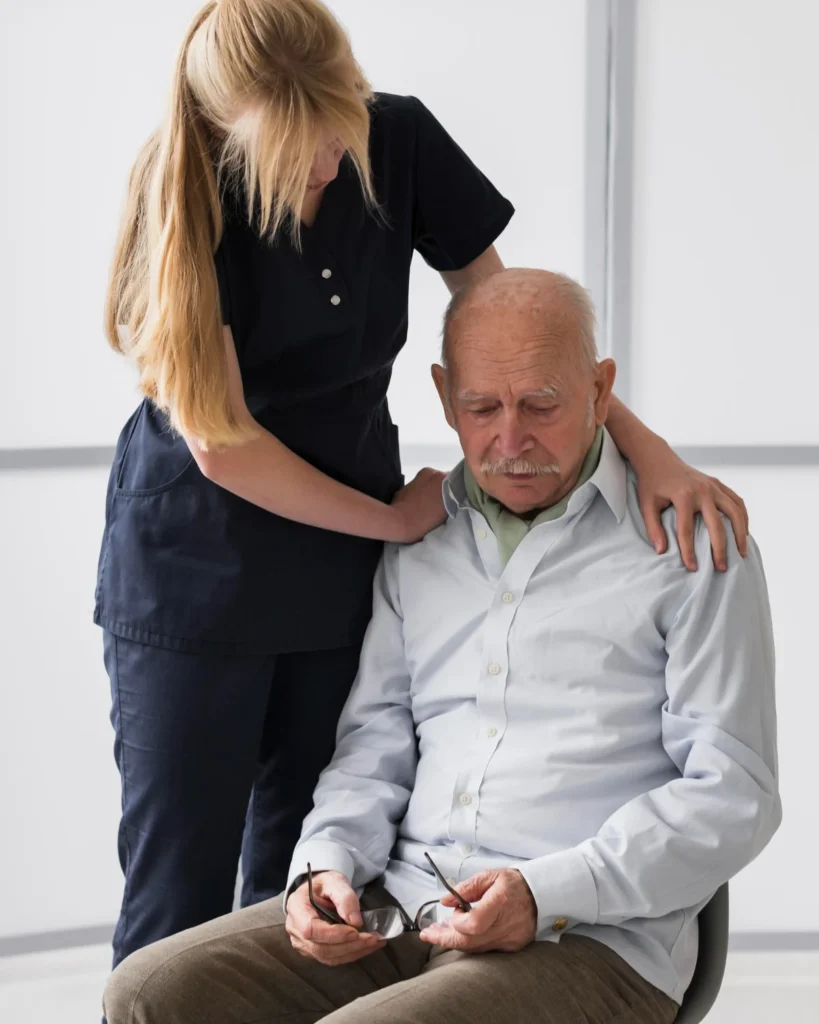
Yes, you can fully recover from a stroke. Recovery depends entirely on the severity of the stroke, the speed of emergency treatment, and the quality of post-stroke rehabilitation.
I have seen patients walk out of the hospital with zero deficits because they received clot-busting medication within 45 minutes of their first symptom. For others, recovery involves months or even years of intensive physical, occupational, and speech therapy to retrain the brain to bypass the damaged neural pathways.
How to Avoid Stroke
Preventive medicine is the most effective medicine. When patients ask me how to avoid having a stroke, I tell them to focus aggressively on managing their daily vascular health.
Adopt a healthy diet rich in vegetables, lean proteins, and whole grains to naturally lower your cholesterol. Exercise for at least 150 minutes a week to keep your blood vessels flexible.
Most importantly, strictly control your blood pressure through lifestyle changes and medication, stop smoking entirely, and aggressively manage your blood sugar if you have diabetes.
Stroke vs Heart Attack in Spanish
Medical emergencies are terrifying, but language barriers make them exponentially worse. If you are traveling or have Spanish-speaking family members, knowing the stroke vs heart attack in Spanish translations is critical for communicating with dispatchers.
A stroke is primarily referred to as a “derrame cerebral” (literally translating to brain spill, often used for hemorrhagic strokes) or “ataque cerebral.” A heart attack is referred to as an “ataque al corazón” or, more formally, an “infarto de miocardio.”
FAQ
Which is more serious, a stroke or heart attack?
Both are catastrophic medical emergencies. A stroke often causes severe, long-term physical and cognitive disability, while a massive heart attack carries a higher immediate risk of sudden death due to heart failure.
What are the 5 warning signs of a stroke?
The five sudden warning signs include face drooping, arm or leg weakness (usually on one side), speech difficulty (slurring), vision loss in one or both eyes, and sudden, severe dizziness or loss of balance.
Is stroke cardiac condition?
No, a stroke is not a cardiac condition; it is a neurological condition. While it involves blood vessels, the damage occurs entirely within the brain tissue, not the heart muscle.
Can stroke be caused by heart problems?
Yes, heart problems can directly cause a stroke. Conditions like atrial fibrillation (an irregular heartbeat) can cause blood to pool and clot inside the heart. That clot can then break loose, travel up the carotid artery, and block blood flow in the brain.
Conclusion
As a physician, I cannot overstate this enough: a stroke or a heart attack is not a wait-and-see situation. Every single minute that passes without blood flow means millions of brain or heart cells are dying permanently.
By understanding the key differences in how these conditions present—from the sudden facial drooping of a stroke to the crushing chest pressure of a heart attack—you are equipped to act as a first responder for your loved ones. Early recognition is the only way to minimize permanent damage.
Take proactive steps today to manage your blood pressure, quit smoking, and improve your diet. I strongly encourage you to talk to your primary care doctor to know your cardiovascular risk score, and always remember to act FAST when you spot the warning signs.
Authoritative Medical References:
- American Heart Association – Stroke Symptoms
- Centers for Disease Control and Prevention – About Heart Attack Symptoms, Risk, and Recovery
- National Institute of Neurological Disorders and Stroke – Stroke Overview
- American Heart Association – Heart Attack vs. Cardiac Arrest: Know the Difference
Related Posts



MORE from Author
Read More As a physician specializing in exercise science and public health, I regularly consult patients who feel completely lost in the…
 Just last week, a 34-year-old patient named Clara sat in my clinic, feeling entirely overwhelmed by the modern fitness industry.…


 Hello, I am Dr. Kenji Sato, MD, specializing in sports medicine and performance optimization. In my sports clinic, I constantly…
- In my clinical practice as a physician focused on exercise science, I often tell patients that mastering fitness bench workouts…