
How Many Beats Per Minute is a Heart Attack? Vital Signs Explained

As a board-certified emergency physician, patients often ask me a very specific question. They want to know exactly how many beats per minute is a heart attack. People frequently monitor their smartwatches and worry about their daily resting heart rate.
They assume a very high pulse automatically means a cardiac emergency is happening.However, medical science shows that a vascular blockage does not have one specific pulse rate. Your heart rhythm might race rapidly, drop dangerously slow, or remain completely normal.
Therefore, you cannot rely solely on your pulse monitor to diagnose a cardiovascular crisis. In this guide, I will explain exactly how your vital signs react during an emergency.
TL;DR: Quick Overview
- A normal resting pulse sits between 60 and 100 BPM for most healthy adults.
- Highly trained athletes often maintain much lower rates between 40 and 60 BPM.
- A consistently high resting rate indicates potential underlying systemic health issues.
- Doctors do not diagnose heart attacks based on a specific BPM number alone.
How Many Beats Per Minute Is Normal?
Many patients wonder exactly how many beats per minute a normal heart is. A normal resting pulse for healthy adults ranges from 60 to 100 beats per minute.Your heart pumps the absolute lowest amount of blood you need when you rest.
Your heart muscle relaxes and works incredibly efficiently during this quiet period.Well-conditioned individuals frequently have much lower resting rates. Their heart muscle becomes incredibly strong and pumps significantly more blood with each individual beat.
A resting rate of 50 BPM is perfectly healthy for a marathon runner. However, that exact same number might signal a severe problem for an inactive older adult.
Resting Heart Rate Chart by Age
Your age and physical fitness level heavily influence your daily cardiovascular baseline. I rely on a resting heart rate chart by age to evaluate my clinic patients.
Average Resting Heart Rate Chart
| Age Group | Normal BPM Range |
| Newborns (0-1 month) | 100 – 160 BPM |
| Children (1-10 years) | 70 – 120 BPM |
| Teens (11-17 years) | 60 – 100 BPM |
| Adults (18+ years) | 60 – 100 BPM |
| Elite Athletes | 40 – 60 BPM |
As you age, your heart naturally changes its internal electrical pathways. Children require a much faster heartbeat to support their rapid growth and incredibly high metabolism.Healthy adults settle into a much lower, steady rhythm once they reach their late teens.
Gender also plays a minor, yet noticeable, role in your cardiovascular baseline.Women generally have a slightly faster normal rhythm than men. Female hearts are physically smaller, so they must beat faster to pump the exact same blood volume.
You should check your pulse first thing in the morning before getting out of bed. This peaceful state gives you the most accurate reading of your true resting baseline.
What Is a Dangerous Heart Rate?
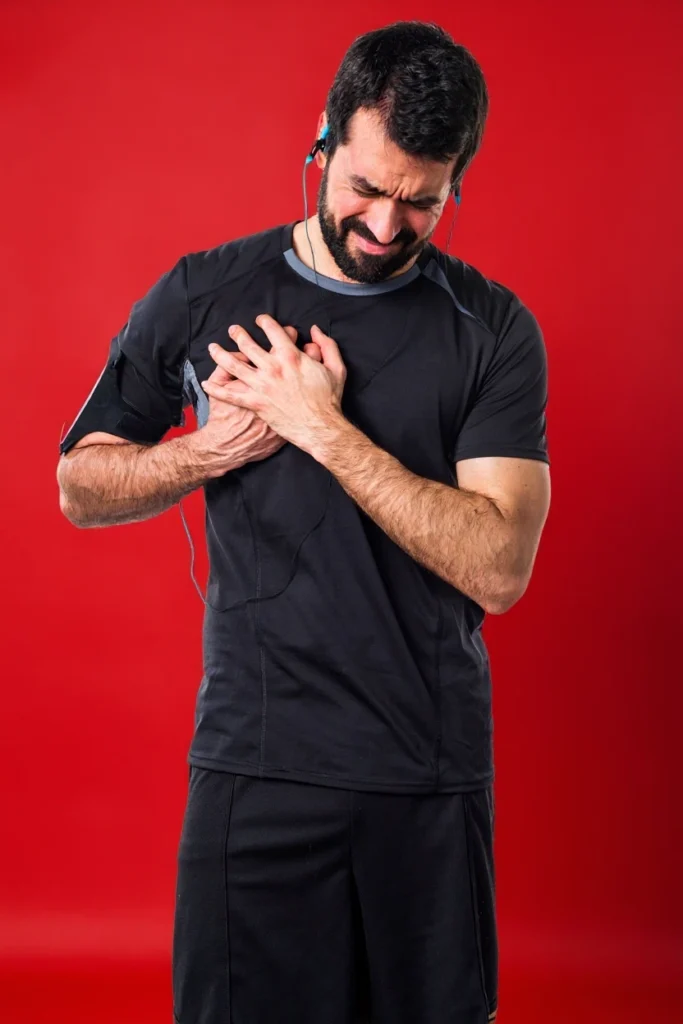
A dangerous heart rate occurs when your heart beats much too fast or too slow. Doctors refer to an abnormally slow rhythm below 60 BPM as clinical bradycardia. Bradycardia becomes incredibly dangerous if it drops below 40 BPM without athletic conditioning.
You might experience severe dizziness, chronic fatigue, or sudden fainting spells as your brain loses oxygen.Conversely, a resting rate consistently above 100 BPM indicates clinical tachycardia. This fast rhythm forces your heart to work extremely hard without proper recovery time.
How Many Beats Per Minute Is Dangerous?
Patients frequently ask me exactly how many beats per minute is dangerous. Cardiologists look for specific clinical thresholds that indicate severe cardiovascular distress.
A resting pulse suddenly spiking over 120 BPM is highly concerning. However, your physical symptoms matter far more than the exact digital numbers on your smartwatch.
You face immediate medical danger if your fast heartbeat accompanies severe chest pain. Shortness of breath or extreme lightheadedness turns a fast pulse into an absolute medical emergency.
Abnormally Rapid Resting Heart Rate
An abnormally rapid resting heart rate usually points to a severe underlying systemic issue. We call this dangerous medical condition tachycardia.Severe chronic stress and clinical anxiety frequently cause a rapid daily heartbeat.
High levels of cortisol force your body into a constant, exhausting fight-or-flight state.Severe dehydration also thickens your blood and forces your heart to pump much faster. Furthermore, hidden thyroid issues or systemic infections can easily trigger an abnormally high resting rate.
Heart Rate 135 at Rest
Seeing a heart rate 135 at rest is definitely abnormal and alarming. A healthy adult should never reach this extreme level while sitting completely still.This specific number usually indicates a severe physical stress response or a cardiac arrhythmia.
You might be experiencing a dangerous episode of supraventricular tachycardia (SVT).You require an immediate medical evaluation if this rapid rate persists for hours. Never simply ignore a resting rate of 135 BPM.
104 Resting Heart Rate
A 104 resting heart rate falls slightly outside the normal clinical range. Doctors consider this borderline high, but it rarely signals an immediate medical crisis.You might hit 104 BPM after drinking multiple cups of heavily caffeinated coffee.
Mild dehydration or a terrible night of sleep can also slightly elevate your daily baseline.You should carefully monitor your pulse trends over the next few consecutive days. Schedule a routine doctor’s appointment if your resting rate consistently stays above 100 BPM.
How Many Beats Per Minute Is a Heart Attack?
People constantly search the internet to find out how many beats per minute is a heart attack. This represents a massive, potentially fatal public health misconception. There is absolutely no specific BPM that clinically defines a heart attack.
A heart attack represents a plumbing problem caused by a fully blocked coronary artery. Your heart rate could be perfectly normal at 75 BPM during a fatal arterial blockage. Conversely, your heart rate might suddenly spike to 130 BPM due to extreme pain and sheer panic.
Female Heart Attack Heart Rate
Many women ask if a specific female heart attack heart rate exists. The medical reality proves that no gender-specific BPM threshold exists for cardiac emergencies.Female physical symptoms differ drastically from standard male symptoms.
However, their actual pulse during the fatal event fluctuates unpredictably just like men.Women must focus entirely on their physical symptoms rather than smart watch data. Unexplained profound fatigue, severe nausea, and sudden jaw pain demand immediate emergency medical attention.
Is 150 BPM or 200 BPM a Heart Attack?
Terrified patients often rush to the emergency room asking, is 150 bpm a heart attack? Reaching 150 BPM is not necessarily a heart attack, especially during intense physical exercise.However, experiencing 150 BPM while relaxing on the couch is a medical emergency.
You might be suffering from atrial fibrillation or another dangerous electrical rhythm disorder.Similarly, people frequently ask, is 200 bpm a heart attack? A pulse of 200 BPM usually indicates a severe electrical malfunction, not a blocked blood vessel.
Your heart cannot physically fill with blood properly at 200 beats per minute. This requires immediate emergency intervention to chemically or electrically shock the heart back into a normal rhythm.
What Is the Highest BPM Before Heart Attack?
There is no fixed answer to what the highest bpm is before a heart attack. Your maximum safe cardiovascular limit largely depends on your specific age and overall vascular health.You generally calculate your maximum safe rate by subtracting your age from 220.
Pushing your body far past this limit during extreme physical exertion can theoretically trigger an event.However, most massive heart attacks happen suddenly without any prior elevated pulse warning. Sticky cholesterol plaque simply ruptures unexpectedly inside your delicate artery walls.
The Heart Attack Rate Chart Myth
You will never find a legitimate heart attack rate chart in a modern hospital. No standard medical chart perfectly correlates specific heart rates directly to fatal arterial blockages.Cardiologists completely rely on electrocardiograms (EKGs) and specialized blood tests for proper diagnosis.
We actively look for specific troponin proteins in your blood to confirm actual muscle death.Do not waste precious seconds checking a chart if you feel crushing chest pressure. Call your local emergency medical services immediately to save your life.
Heart Attack Symptoms vs Heart Rate Changes
You must prioritize severe physical symptoms over minor digital heart rate changes. The physical warning signs of a blocked coronary artery are usually very obvious.Look for severe, heavy chest pain that radiates down your left arm or up to your jaw.
Sudden shortness of breath and an icy cold sweat indicate a massive cardiovascular emergency.An irregular pulse might occur during an attack, but it rarely acts as the primary symptom. Always trust your body’s intense pain signals over your digital fitness tracker.
When to Seek Medical Help
You must consult a doctor if your resting pulse consistently stays above 100 BPM. Unexplained, chronic tachycardia drastically weakens your heart muscle over an extended period.Seek immediate emergency care if your pulse unexpectedly drops below 40 BPM with physical symptoms.
Sudden fainting, severe dizziness, or dull chest pain require urgent clinical intervention.Never drive yourself to the local emergency room if you suspect a cardiovascular event. Trained paramedics can start life-saving medical treatments the exact moment they arrive at your home.
How to Measure Your Heart Rate Correctly
You can easily check your manual pulse at home without any specialized medical equipment. Place two fingers gently on the inside of your wrist just below your thumb.Count the distinct physical beats for exactly 30 seconds while sitting completely still.
Multiply that final number by two to calculate your precise beats per minute.Modern wearables and digital smartwatches provide excellent continuous daily monitoring. However, you should occasionally verify their digital accuracy with a manual physical pulse check.
How to Improve Resting Heart Rate

You can naturally lower your resting baseline through highly aggressive lifestyle modifications. Engaging in regular, daily aerobic exercise forces your heart to become significantly stronger.
A stronger, healthier heart pumps much more blood with far fewer beats. You must also practice daily stress reduction techniques like deep breathing or yoga.
Prioritize getting seven to eight hours of high-quality sleep every single night. Deep sleep allows your cardiovascular system to fully recover and naturally lower its active rhythm.
Common Mistakes to Avoid
Many people obsessively check their smartwatches and completely misinterpret the medical data. Overreacting to a single, isolated high reading remains a very common mistake.Your pulse naturally spikes when you stand up quickly or watch a frightening movie.
You must look for consistent, sustained elevations instead of brief isolated spikes.Conversely, ignoring persistent daily abnormalities remains incredibly dangerous. Do not simply assume a resting rate of 115 BPM is just normal stress if it lasts for days.
Frequently Asked Questions
What exactly is a normal resting heart rate?
A normal resting baseline falls perfectly between 60 and 100 BPM for most healthy adults. Elite athletes often maintain a significantly lower rate between 40 and 60 BPM.
Is having a 120 BPM dangerous?
Yes, sitting at 120 BPM while resting is dangerous. It indicates a severe stress response, an infection, or a cardiac arrhythmia that needs immediate medical evaluation.
Can my heart rate predict a heart attack?
No, your heart rate cannot reliably predict a blocked coronary artery. You must rely entirely on physical symptoms like severe chest pain and sudden shortness of breath instead.
How many beats per minute is considered dangerous?
Any resting rate consistently above 100 BPM or dropping below 40 BPM with dizziness is dangerous. You must seek clinical help if you experience these extremes.
Why is my heart beating fast while resting?
Severe anxiety, clinical dehydration, and heavy caffeine intake frequently cause a fast pulse. Thyroid issues or hidden electrical arrhythmias can also trigger this highly rapid rhythm.
Conclusion
Monitoring your daily cardiovascular numbers serves as a brilliant preventative health habit. Using a standard resting heart rate chart helps you quickly establish your healthy baseline. Remember that your pulse naturally fluctuates throughout the day based on physical activity and emotional stress.
You should focus entirely on long-term trends rather than panicking over a single high reading.Always prioritize your actual physical symptoms over digital watch data. Stay active, aggressively manage your stress, and protect your vital heart muscle every single day.
Evidence-Based References:
Related Posts





MORE from Author
Read More As a physician specializing in exercise science and public health, I regularly consult patients who feel completely lost in the…
 Just last week, a 34-year-old patient named Clara sat in my clinic, feeling entirely overwhelmed by the modern fitness industry.…


 Hello, I am Dr. Kenji Sato, MD, specializing in sports medicine and performance optimization. In my sports clinic, I constantly…
- In my clinical practice as a physician focused on exercise science, I often tell patients that mastering fitness bench workouts…