What to Do If Someone Is Having a Heart Attack: First Aid Steps That Can Save a Life
As an emergency physician, patients constantly ask me about crisis management. Knowing exactly what to do if someone is having a heart attack saves lives. Every single second counts during a severe vascular emergency. You must act incredibly fast and remain completely confident.
Panic often causes deadly delays in seeking proper medical treatment. Therefore, understanding basic first aid knowledge is absolutely vital. I will guide you through the exact emergency protocols step-by-step.
We will cover early symptoms, critical actions, and life-saving techniques.By learning these skills, you become a crucial lifeline for someone. Let us learn how to handle this medical crisis safely.
TL;DR: Quick Overview
- Call emergency services instantly (dial 911 in the US or 999 in the UK).
- Help the affected person sit down comfortably and keep them calm.
- Offer them a chewable aspirin if they have no known allergies.
- Begin CPR immediately if the person becomes completely unresponsive.
- Never delay professional medical care by driving them to the hospital yourself.
Recognizing a Cardiac Crisis Quickly
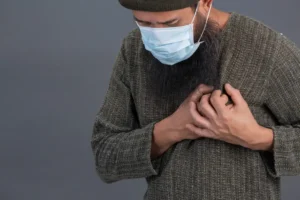
You must identify the physical warning signs before taking action. Patients rarely exhibit the dramatic symptoms shown in Hollywood movies.Instead, they often complain about a severe, heavy pressure in their chest. Furthermore, this intense discomfort frequently spreads to the left arm.
You might also notice them gasping for air suddenly. Profound shortness of breath often occurs even while they are resting. Additionally, many victims experience sudden nausea or a drenching cold sweat. Recognizing these specific heart attack symptoms dictates your first aid response.
Cardiac Arrest Critical Differences
People frequently confuse an infarction with sudden cardiac arrest. However, these two medical events require entirely different emergency responses.An infarction acts like a plumbing problem inside the body. A blood clot completely blocks a vital coronary artery.
During this blockage, the person usually remains fully conscious and breathing. In contrast, cardiac arrest represents a massive electrical system failure.Which of the following would indicate cardiac arrest? Select 2 answers: Unresponsiveness and absolutely no breathing or pulse.
Core First Aid Steps for a Cardiac Emergency
When a vascular crisis strikes, your immediate actions dictate the outcome. You must follow these clinical steps in precise order.First of all, you must call emergency medical services immediately. Dial 911 if you are anywhere in the United States.
Do not attempt to drive the victim to the hospital yourself. Paramedics carry life-saving medications and cardiac defibrillators in their ambulances.Consequently, treatment begins the exact moment the ambulance arrives at your door. You simply cannot provide this advanced care in your personal car.
Proper Physical Positioning
Next, you must reduce the physical workload on the victim’s heart. Help the person sit down on the floor immediately.Have them lean back against a wall for solid support. Furthermore, bend their knees upward to form a “W” shape.
This specific position naturally lowers their internal blood pressure. As a result, it drastically reduces the strain on their dying heart muscle.Keep them as incredibly calm and still as possible. Loosen any tight clothing, especially around their neck and chest.
Administering Emergency Aspirin
Aspirin serves as a critical first aid tool during a blockage. You should offer the person a standard 325mg aspirin tablet.Alternatively, you can give them two low-dose baby aspirins. Instruct the person to chew the tablets thoroughly before swallowing.
Chewing forces the medication into their bloodstream much faster. Aspirin instantly prevents blood platelets from sticking together.
Therefore, it stops the deadly blood clot from growing any larger. However, never give aspirin if the person is allergic or bleeding severely.
Managing Prescribed Medications
Some patients already carry specific medications for chronic chest pain. Ask the victim if they have a prescription for nitroglycerin.If they do, help them locate their medication quickly. Assist them in placing the tablet directly under their tongue.
Nitroglycerin rapidly expands the blood vessels inside their chest. Consequently, this helps restore a tiny amount of vital blood flow.Do not give them anyone else’s prescribed medication under any circumstances. You must only administer drugs prescribed specifically for them.
Actions While Waiting for the Ambulance
The minutes before the paramedics arrive often feel like an eternity. You must know what to do if someone is having a heart attack while waiting for ambulance arrival. Keep talking to the person in a very calm, reassuring voice. Your steady demeanor directly helps lower their racing heart rate.
Ask them exactly how their physical symptoms feel right now. Write down exactly when their severe chest pain originally started.Monitor their breathing and their overall level of consciousness constantly. Be completely ready to start chest compressions if they suddenly collapse.
Managing a Cardiac Emergency at Home

Most cardiovascular emergencies happen right inside the victim’s own house. Knowing what to do if someone is having a heart attack at home prevents panic.
Unlock your front door immediately after calling the emergency dispatch center. This ensures paramedics can enter your house without any fatal delays. Gather all of the patient’s daily medication bottles into one bag. Hand this bag directly to the emergency responders when they arrive.
Keep your pets locked securely in a completely separate room. You want a clear, quiet environment for the medical professionals.
Professional Healthcare Provider Guidelines
Nurses and clinical staff follow much stricter emergency protocols. You must know what to do if someone is having a heart attack as a nurse.First, activate your specific facility’s rapid response or code blue system. Next, obtain a 12-lead ECG monitor immediately to assess the electrical rhythm.
Administer supplemental oxygen only if their oxygen saturation drops below 90%. Furthermore, establish secure intravenous access for emergency drug administration.
Follow your hospital’s strict Advanced Cardiovascular Life Support (ACLS) guidelines continuously. You must document every vital sign change meticulously in their chart.
Managing a Cardiac Event When Alone
Experiencing a severe vascular event alone is incredibly terrifying. You must understand what to do during heart attack when alone.Stop whatever physical activity you are currently doing immediately. Dial 911 and clearly state your exact physical location first.
Leave your phone on speaker so the dispatcher can hear you. Next, chew a standard aspirin tablet if you have one nearby.Sit down on the floor near your unlocked front door. Wait quietly and try to take slow, very deep breaths.
How to Help a Cardiac Victim
Your overall demeanor deeply impacts the patient’s physical stability. Knowing how to help someone having a heart attack requires deep empathy.Do not let the victim walk around or exert any energy. Moreover, never offer them any food or drink during the crisis.
Eating or drinking drastically increases their risk of deadly choking. Also, digestion diverts vital blood flow away from their starving heart.
Hold their hand and assure them that professional help is arriving. Your psychological support prevents their adrenaline levels from spiking dangerously.
First Aid Response for Suspected Cardiac Events
Sometimes, you might feel unsure if the symptoms are truly serious. Regardless, a suspected heart attack first aid response remains exactly the same.Never try to diagnose the medical problem yourself. It is vastly better to experience a false alarm than a funeral.
Treat every sudden instance of severe chest pressure as a true emergency. Act quickly, call for help, and offer an aspirin immediately.
Emergency room doctors use advanced blood tests to confirm the diagnosis. Let the highly trained professionals make the final medical decisions.
Myth: Stopping a Cardiac Event in 30 Seconds
The internet is completely filled with dangerous medical misinformation. Patients constantly search for how to stop a heart attack in 30 seconds.You must understand that no instant, magical cure exists anywhere. A physical blood clot requires powerful, clinical clot-busting medications to dissolve.
Some viral posts suggest coughing vigorously to stop an infarction. This “cough CPR” myth is entirely unproven and extremely dangerous.Vigorous coughing actually increases the severe physical strain on the heart. Only professional hospital interventions can stop a vascular blockage fast.
Stroke Emergency Response Guidelines

You must also recognize neurological emergencies accurately. People often wonder what to do if someone is having a stroke instead.A stroke occurs when a blood vessel in the brain blocks completely. We use the simple FAST acronym to spot neurological trouble instantly.
Check their face for sudden, uneven drooping on one side. Ask them to raise both arms to check for physical weakness.Listen closely to their speech to detect any strange slurring. Finally, note the time and call emergency services immediately.
Stroke vs Cardiac Event Action Differences
You must never treat a brain emergency like a chest emergency. What to do if someone is having a heart attack or stroke differs greatly.The primary difference involves the administration of emergency aspirin. You must never give aspirin to a suspected stroke victim.
Some strokes occur because a fragile brain blood vessel actively ruptures. Giving them a blood thinner like aspirin will cause fatal brain bleeding.Therefore, if you notice facial drooping or slurred speech, withhold all medications. Just call 911 and wait for the paramedics to arrive safely.
Emergency Protocols in the UK vs US
Medical response numbers vary depending on your exact geographical location. What to do if someone is having a heart attack in the UK requires knowing local codes.In the United Kingdom, you must immediately dial 999 for medical help. Conversely, citizens in the United States must quickly dial 911.
Additionally, UK dispatchers might direct you to a public access defibrillator. Both nations prioritize rapid ambulance dispatch for severe chest pain calls.Regardless of your country, the core first aid principles remain identical. Early recognition and fast communication save the most lives globally.
When to Begin Chest Compressions (CPR)
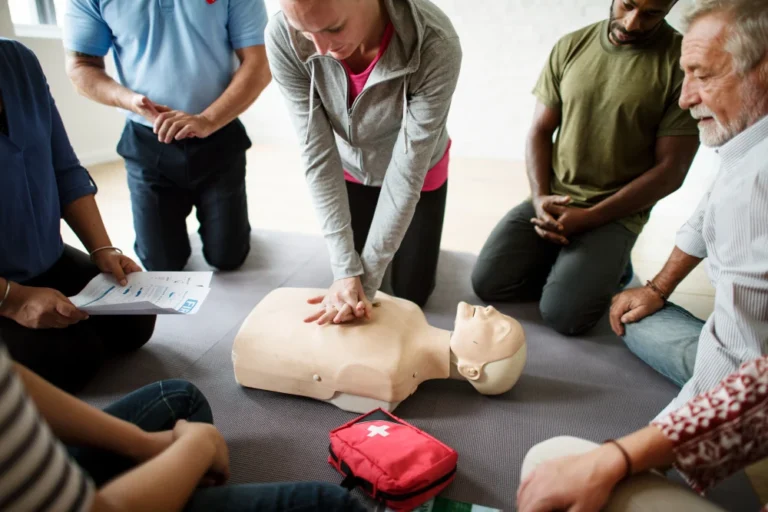
Sometimes, a severe infarction triggers a lethal electrical rhythm. The victim will suddenly collapse and become completely unresponsive.They will stop breathing entirely or gasp very irregularly. At this exact moment, the event has transformed into sudden cardiac arrest.
You must begin hard, fast chest compressions immediately to save their brain. Place the heel of your hands directly in the center of their chest.Push down deeply at a fast rate of 100 to 120 beats per minute. Do not stop pumping until the emergency medical team completely takes over.
Emergency Action Checklist
You need a clear, mental checklist during a highly stressful crisis. Follow these exact steps to ensure the best possible clinical outcome.
| Sequence | Critical Action | Specific Details |
| Step 1 | Alert Services | Dial 911 (US) or 999 (UK) instantly. |
| Step 2 | Rest & Position | Sit them down with knees bent upward. |
| Step 3 | Medication | Give 325mg chewable aspirin if completely safe. |
| Step 4 | Monitor Vitals | Watch their breathing very closely. |
| Step 5 | CPR Readiness | Start compressions only if they become unconscious. |
Frequently Asked Questions
First Action During a Cardiac Event
You must call emergency medical services before doing absolutely anything else. Early access to advanced hospital care is the primary factor in surviving.
Giving Aspirin Safety Guidelines
You should offer a standard aspirin only if they lack a known allergy. Instruct the victim to chew the tablet thoroughly for rapid bloodstream absorption.
Spontaneous Recovery Chances
A true vascular blockage rarely resolves on its own without powerful drugs. Delaying medical care causes permanent, irreversible damage to the delicate muscle tissue.
Arrest vs Attack Differences
An attack involves a physical blood clot blocking oxygen delivery to the muscle. Cardiac arrest happens when the heart’s electrical system fails, causing it to stop beating.
Helping When Completely Alone
Call emergency services immediately and leave your mobile phone on speaker. Chew an aspirin, unlock your door, and rest quietly on the floor.
Conclusion
Understanding these medical protocols empowers you to act decisively during a crisis. Knowing what to do if someone is having a heart attack removes dangerous hesitation.You must prioritize calling emergency services above all other immediate actions.
Furthermore, providing aspirin and physical rest limits the microscopic tissue damage.Never attempt to drive a victim to the hospital in your own vehicle. Trust the trained emergency responders to begin life-saving treatments in the ambulance.
By memorizing these simple, evidence-based steps, you become a powerful protector. Your calm, rapid response can literally mean the difference between life and death.
Evidence-Based References:
- American Heart Association (AHA) – Heart Attack Treatment
- Cleveland Clinic-Heart Attack (Myocardial Infarction)
- NHS Inform—What to do in a heart emergency
- Mayo Clinic – First Aid for Heart Attack
- Centers for Disease Control and Prevention (CDC) – About Heart Attack Symptoms, Risk, and Recovery
Related Posts



MORE from Author
Read More As a physician specializing in exercise science and public health, I regularly consult patients who feel completely lost in the…
 Just last week, a 34-year-old patient named Clara sat in my clinic, feeling entirely overwhelmed by the modern fitness industry.…


 Hello, I am Dr. Kenji Sato, MD, specializing in sports medicine and performance optimization. In my sports clinic, I constantly…
- In my clinical practice as a physician focused on exercise science, I often tell patients that mastering fitness bench workouts…