
Which Aspirin Is Best for Heart Attack? Dosage, Type & Emergency Use Explained
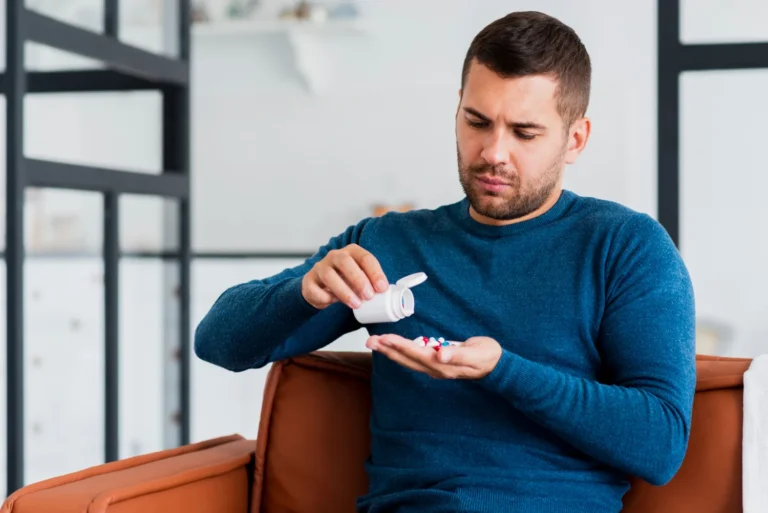
As an emergency medicine physician, I frequently treat patients experiencing sudden, severe chest pain. Just last week, a 58-year-old patient named Thomas arrived at the ER clutching his chest. His wife had immediately called 911, and the dispatcher instructed him to take aspirin.
When they arrived, she frantically asked me, “Doctor, which aspirin is best for heart attack emergencies? Did I give him the right one?”
A heart attack is a highly time-sensitive medical emergency where seconds dictate survival. In these critical moments, aspirin acts as a powerful, life-saving first-aid intervention. However, it is vital to understand that it is not a cure, and not all aspirin types work equally fast.
Understanding whether to use a regular tablet or a chewable aspirin for heart attack situations can literally save heart muscle from dying. While most people know that aspirin helps with chest pain during a cardiac event, the specifics regarding the type, dosage, safety, and exact timing remain widely misunderstood.
In this clinical guide, we will break down exactly what to take, how to take it, and why this simple medication is your best first line of defense.
Key Takeaways
- Chewable, non-coated aspirin (160–325 mg) is the absolute gold standard for emergency heart attack first aid.
- You must actively chew the tablets to ensure rapid absorption into the bloodstream; do not swallow them whole.
- Aspirin works by stopping blood clots from expanding, but it does not cure or stop the heart attack itself.
- Never use aspirin as a substitute for professional medical care; dialing 911 is always your mandatory first step.
- Daily preventative aspirin is not safe for everyone and should only be taken under the strict guidance of a physician due to bleeding risks.
How Does Aspirin Help During a Heart Attack?
To truly understand how aspirin helps during a heart attack, we must look at the cardiovascular system at a microscopic level. The physical mechanics of a heart attack are aggressive, but aspirin acts as a rapid chemical roadblock.
Mechanism of Action
A heart attack almost always occurs when a cholesterol plaque ruptures inside a coronary artery. Your body perceives this rupture as an injury and immediately sends platelets to the site to form a clot. Aspirin acts as a powerful antiplatelet agent by rapidly inhibiting an enzyme called COX-1.
By blocking this specific enzyme, aspirin prevents these sticky platelets from aggregating and expanding the dangerous clot. This is precisely why aspirin helps with chest pain; it stops the blockage from sealing the artery completely, allowing a small trickle of blood to continue reaching the starving heart muscle.
What Aspirin Cannot Do?
Patients frequently ask me in the ER, “Does aspirin help chest pain by completely dissolving the blood clot?” The clinical answer is no. Aspirin is not a clot-busting drug like the potent intravenous thrombolytics we administer in the hospital.
Aspirin strictly prevents clot growth; it cannot eliminate a clot that has already formed. Therefore, it absolutely does not replace emergency medical treatment or hospital care, which is why calling 911 must always remain your very first step before looking for medication.
Which Aspirin Is Best for Heart Attack?
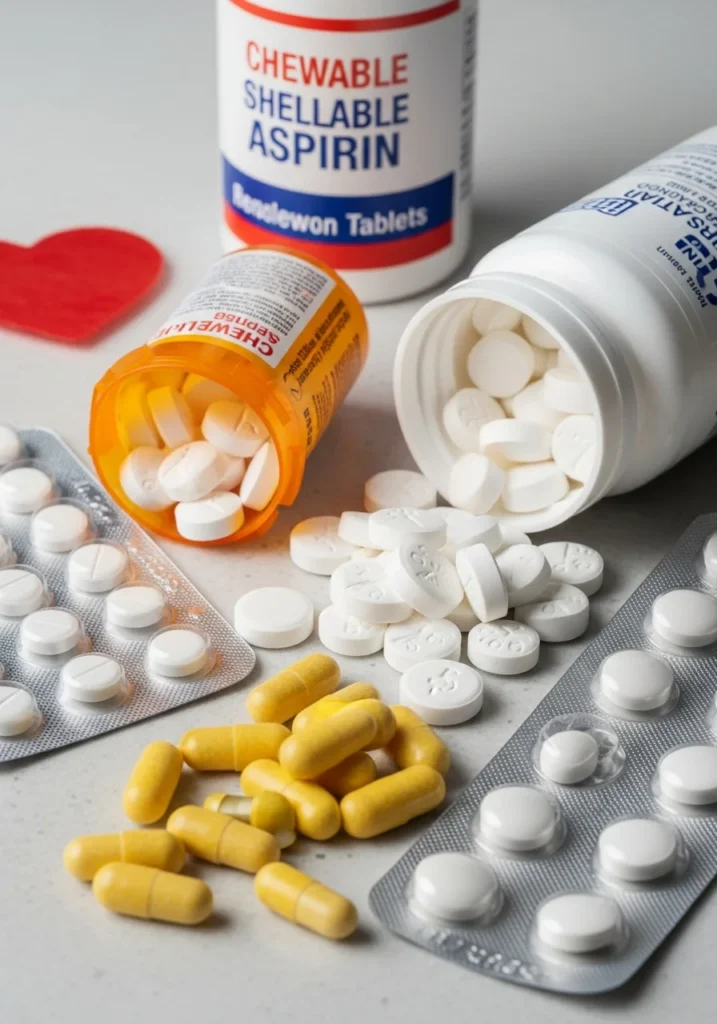
When facing a sudden cardiac emergency, the chemical formulation of the medication entirely dictates how fast it reaches your bloodstream. I often see discussions online asking which aspirin is best for heart attack, and Reddit users and internet forums can debate, but clinical cardiovascular guidelines are absolute.
The absolute best chewable aspirin for heart attack situations is a plain, uncoated tablet. Having the right formulation in your medicine cabinet is a critical element of household cardiac preparedness.
Types of Aspirin Explained
Enteric-coated aspirin is specifically designed to pass through the harsh acids of the stomach and dissolve slowly in the small intestine. This prevents stomach ulcers for daily users. However, it is the worst possible choice during an active heart attack because it absorbs far too slowly to be helpful in an emergency.
Regular swallowed tablets are a moderate option; they will eventually work, but they still require valuable time to break down in your gastric fluids. A chewable aspirin for heart attack emergencies bypasses this lengthy digestive breakdown process entirely.
When you chew an uncoated tablet, the active medication is immediately absorbed by the vast network of tiny blood vessels located under your tongue and inside your cheeks. This rapid absorption is mandatory when heart muscle cells are actively suffocating from a lack of oxygen.
Comparison of Aspirin Types
Here is a clear clinical comparison of the different types of aspirin you might find in a standard pharmacy or home medicine cabinet:
| Type of Aspirin | Speed of Absorption | Recommended for Emergency |
| Chewable aspirin (non-coated) | Very Fast | ✅ Yes (Gold Standard) |
| Regular tablet (non-coated) | Moderate | ⚠️ Acceptable (if chewed) |
| Enteric-coated tablet | Slow | ❌ Not ideal (delays action) |
The key takeaway for any patient is speed. Your medicine cabinet should ideally contain a bottle of uncoated, chewable, low-dose tablets specifically reserved for emergencies. If you only have regular uncoated tablets, you must bite down and chew them vigorously to accelerate the clinical effect.
What Dosage of Aspirin for a heart attack?
Determining exactly what dosage of aspirin to take for a heart attack to take is a delicate balance. Taking too little will fail to inhibit the platelet clot, while taking far too much can trigger severe internal bleeding complications before you even reach the hospital.
In the emergency room, our medical protocols dictate a very specific aspirin amount during heart attack events. It is vital to get this number right during a crisis.
Standard Emergency Dose
The clinically recommended emergency dose for a suspected myocardial infarction is between 160 mg and 325 mg, taken exactly once at the onset of symptoms. Most “baby aspirin” or low-dose chewable tablets contain 81 mg of medication per pill.
Therefore, you should chew two to four of these 81 mg tablets to reach the optimal therapeutic antiplatelet range. If you happen to have full-strength, uncoated adult aspirin in your cabinet, taking a single 325 mg aspirin for heart attack situations provides the exact right amount of medication.
Avoiding Overdose Risks
It is critically important to understand that taking more than the recommended aspirin dosage for chest pain will not provide any additional cardiovascular protection. Your platelets can only be inhibited to a certain degree.
Taking excessive amounts drastically increases the risk of severe gastrointestinal bleeding or a catastrophic hemorrhagic stroke. Never exceed the 325 mg limit under any circumstances while waiting for the paramedics.
Stick to the medical guidelines and let the emergency responders administer any further medications you might need.
Should You Chew Aspirin During a Heart Attack?
The mechanical action of how you ingest the pill is almost as important as the medication dose itself. Chewing aspirin during heart attack emergencies is universally recommended by both cardiologists and emergency medicine physicians.
When you swallow a pill whole with a glass of water, it must travel down your esophagus, enter the stomach, dissolve in gastric fluids, and finally pass into the intestines before entering the bloodstream. This standard digestive process can delay the drug’s onset by up to 20 to 30 minutes.
Bioavailability Advantage
Conversely, chewing aspirin for chest pain drastically increases its immediate bioavailability. By crushing the hard tablet with your teeth, you create a massive surface area for the drug to absorb directly through the buccal mucosa (the thin lining of the mouth).
This direct-to-bloodstream route allows the antiplatelet effects to begin working in as little as five to ten minutes. In a severe myocardial infarction scenario, those saved minutes translate directly into saved heart muscle tissue. Therefore, even if you only have regular, non-coated adult aspirin available, you must chew it thoroughly before swallowing.
Should I Take Aspirin If I Have Chest Pain?
A very common and somewhat dangerous question I hear from patients is, “Should I take aspirin if I am having chest pains of any kind?” The definitive medical answer is that you should only take aspirin if a heart attack is strongly suspected.
Not all chest pain is cardiac in nature. Severe heartburn, a torn aortic aneurysm, or a collapsed lung can all cause crushing chest pain. In the case of an aortic dissection, taking blood-thinning aspirin could be fatal. Therefore, your first step must always be to call emergency services before taking any medication.
The 911 dispatcher will ask you a series of rapid questions to determine if aspirin given for chest pain is safe for your specific situation. They will ensure you do not have any critical contraindications.
For instance, you absolutely should not take aspirin if you are severely allergic to it, have a known bleeding disorder, or have recently undergone major surgery.
However, if the dispatcher suspects a cardiac event and clears you to take the medication, do not hesitate. In these specific, verified emergencies, aspirin helps with chest pain by preventing the blockage from worsening, giving you critical time until the ambulance arrives.
Can Aspirin Stop a Heart Attack in Progress?
Patients often hope for a magic bullet, frequently asking me, “Can aspirin stop a heart attack in progress?” I have to be very candid here: no, aspirin cannot physically stop or reverse a heart attack once it has begun.
Aspirin is a preventative roadblock, not a cure. It slows the progression of the blood clot, preventing a partial blockage from becoming a 100% total occlusion. While this dramatically improves your odds of surviving, the underlying damage to the heart muscle is still actively occurring.
To actually stop a heart attack, the blocked artery must be physically opened to restore blood flow. This requires advanced hospital interventions, such as reperfusion therapy (clot-busting IV medications) or emergency angioplasty, where a cardiologist inserts a stent to prop the artery open.
Aspirin is simply the crucial first step in a much larger chain of emergency medical care.
Aspirin for Heart Attack Prevention
Beyond emergency first aid, aspirin has a long history as a daily preventative medication. However, the medical community’s stance on aspirin for heart attack prevention has evolved significantly over the last few years. We now strictly categorize its use into primary and secondary prevention.
Secondary prevention is the standard of care. If you have already had a heart attack, a stroke, or have a stent placed, your doctor will likely prescribe daily low-dose aspirin. In this scenario, the medication prevents a second, potentially fatal clot from forming.
Primary prevention—taking aspirin to prevent a first heart attack—is highly controversial today. Major organizations, including the American Heart Association and the U.S. Preventive Services Task Force, no longer recommend routine daily aspirin for everyone.
If you are wondering which tablet is best to prevent a heart attack, the answer is that it depends entirely on your individualized risk profile, which must be evaluated by a cardiologist.
Why Is Aspirin No Longer Recommended for Some People?
Patients are often confused by changing medical guidelines, asking, “Why is aspirin no longer recommended for daily use like it was ten years ago?” The answer comes down to a strict risk-versus-benefit analysis.
Aspirin is a powerful blood thinner that inherently carries a risk of severe bleeding, particularly gastrointestinal bleeding and hemorrhagic strokes (bleeding in the brain).
Extensive clinical trials revealed that for healthy, low-risk adults, the danger of experiencing a catastrophic internal bleed far outweighs the small benefit of preventing a first heart attack.
Today, daily aspirin is a highly personalized medical decision. We only prescribe it for primary prevention if a patient has extremely high cardiovascular risk factors (like severe diabetes and a strong family history) and a very low risk of bleeding.
Low-Dose Aspirin: Morning or Night?
For those who are prescribed a daily preventative dose, the timing of the medication is a frequent point of discussion. Many patients ask me, “Should I take low-dose aspirin in the morning or at night?”
There is no universally mandated rule, but emerging clinical evidence suggests that nighttime dosing might offer a slight cardiovascular advantage. Platelet activity in the body naturally peaks during the early morning hours, which is also when the vast majority of heart attacks occur.
Taking your low-dose aspirin right before bed may ensure maximum platelet inhibition precisely during that dangerous early morning window. However, the most important factor is consistency. Always follow your prescribing physician’s guidance and take the medication at a time you are least likely to forget it.
Best Chewable Aspirin Options
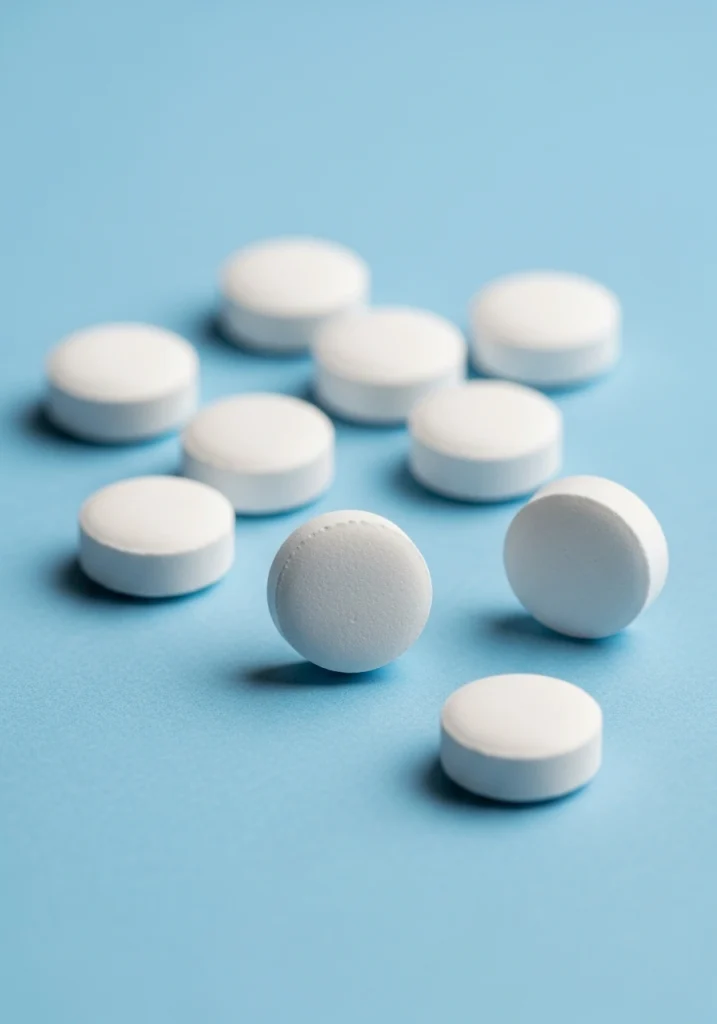
When stocking your emergency first-aid kit, knowing the best chewable aspirin for heart attack situations removes the guesswork during a crisis. You do not need an expensive brand name; you need the correct chemical formulation.
Look for bottles explicitly labeled as “chewable” and “uncoated.” These usually come in 81 mg doses (often labeled as baby aspirin or low-dose aspirin). You will need to take two to four of these tablets during an emergency.
Alternatively, you can purchase standard 325 mg chewable tablets. Avoid anything labeled “enteric-coated,” “safety-coated,” or “delayed-release.” In an emergency, speed is your only priority, and uncoated chewable tablets provide the fastest cellular absorption.
Common Mistakes to Avoid
In the chaotic panic of a cardiac event, people often make well-intentioned but dangerous errors. The most common mistake is frantically swallowing a handful of coated pills with water, completely negating the rapid absorption needed.
Another fatal error is getting the aspirin for chest pain dosage wrong. Taking an entire bottle will not save your heart faster; it will only induce life-threatening internal bleeding. Stick strictly to the 160–325 mg guideline.
Finally, never let the act of chewing aspirin for chest pain delay your call to 911. Aspirin is a supplemental first-aid tool, not a replacement for paramedics. Taking aspirin and deciding to “wait and see if it gets better” is a mistake that costs thousands of lives every year.
Frequently Asked Questions
Which aspirin is best for heart attack?
The absolute best choice is a plain, non-enteric-coated, chewable aspirin. Chewing an uncoated tablet allows the medication to absorb rapidly through the lining of your mouth, delivering antiplatelet benefits much faster than a swallowed pill.
What dosage of aspirin for heart attack?
The clinically recommended emergency dose is between 160 mg and 325 mg. This equates to chewing either two to four low-dose “baby” aspirins (81 mg each) or a single full-strength adult aspirin (325 mg).
Can aspirin stop a heart attack in progress?
No, aspirin cannot stop or reverse a heart attack. It acts strictly to prevent the blood clot from growing larger. You still require immediate emergency medical interventions, such as stents or clot-busting drugs, to reopen the blocked artery.
Should I take aspirin for chest pain?
Only take aspirin if you or a 911 dispatcher strongly suspect a heart attack. If the chest pain is caused by another medical emergency (like an aortic tear), taking blood-thinning aspirin could be extremely dangerous. Call 911 first.
Why is aspirin no longer recommended?
Routine daily aspirin is no longer recommended for healthy adults without a history of heart disease because the risk of severe internal bleeding outweighs the preventative benefits. It is now only prescribed based on personalized, high-risk assessments.
Conclusion: Every Second Counts in a Cardiac Emergency
Navigating a cardiac emergency is terrifying, but knowing exactly what to do can drastically alter the outcome. When it comes to deciding which aspirin is best for a heart attack, the science is clear: a non-coated, chewable aspirin in a 160–325 mg dose is your absolute best first-aid tool.
By aggressively chewing the tablet, you allow the life-saving antiplatelet medication to bypass your digestive system and enter your bloodstream in minutes. This rapid action prevents a deadly blood clot from expanding, essentially buying your heart muscle precious time until professional medical help arrives.
However, as an emergency physician, I must reiterate that aspirin is a temporary bridge to survival, not a definitive cure. You must never let searching for the right pill delay your call to 911. Paramedics possess the advanced tools, oxygen, and clot-busting medications required to truly stop a heart attack in its tracks.
Take a moment today to check your home medicine cabinet. Ensure you have a fresh bottle of uncoated, chewable aspirin readily available.
Discuss your personal cardiovascular risk factors with your primary care doctor, and most importantly, never ignore the warning signs your body gives you. Early recognition and immediate action save lives every single day.
Authoritative Medical References:
- Harvard Health Publishing – Medical memo: Aspirin for heart attack: Chew or swallow?
- American Heart Association (AHA) – Aspirin and Heart Disease
- Cleveland Clinic – Is Aspirin Therapy Good for Your Heart?
- American Heart Association Journals (AHA) – Aspirin for the Primary Prevention of Cardiovascular Disease
- National Center for Biotechnology Information (NCBI) – Development and validation of a compact on-person storage device for emergency access to acetylsalicylic acid
Related Posts





MORE from Author
Read More As a physician specializing in exercise science and public health, I regularly consult patients who feel completely lost in the…
 Just last week, a 34-year-old patient named Clara sat in my clinic, feeling entirely overwhelmed by the modern fitness industry.…


 Hello, I am Dr. Kenji Sato, MD, specializing in sports medicine and performance optimization. In my sports clinic, I constantly…
- In my clinical practice as a physician focused on exercise science, I often tell patients that mastering fitness bench workouts…