How to Prevent a Heart Attack: Evidence-Based Strategies That Actually Work

How to prevent a heart attack starts with daily choices, not emergency fixes. You might wonder if small habits really matter. They do. In my clinic, I watch patients transform their cardiac risk simply by shifting routines.
I recently spoke with a client named Sarah. She cut back on processed meals and walked daily. Her cholesterol dropped fast. You can do the exact same thing. The science backs this up. Lifestyle shifts truly work. I will show you exactly what to do. We will skip the guesswork. You will get clear, proven steps. Let’s dive right in.
TL;DR
The most effective ways to prevent a heart attack include controlling blood pressure, lowering LDL cholesterol, quitting smoking, exercising regularly, and eating a heart-healthy diet. There is no proven way to stop a heart attack in 30 seconds. If symptoms strike, call 911 immediately. Early treatment saves heart muscle and lives.
What Is a Heart Attack?
A heart attack happens when blood flow to your heart muscle stops. Usually, a fatty plaque breaks inside an artery. Your body quickly forms a clot over that rupture. That clot blocks oxygen delivery. Without oxygen, heart tissue dies. Doctors call this event a myocardial infarction.
The damage spreads fast. Minutes matter more than hours. You cannot ignore early signals. Chest pressure often strikes first. However, women frequently report nausea or jaw pain instead. Both versions count as emergencies. Understanding this process helps you act sooner.
Why Prevention Is Important?
Heart disease kills more Americans than any other cause. Yet most events never need to happen. Up to ninety percent remain preventable. That statistic alone should grab your attention. You hold the steering wheel.
Your arteries stay flexible when you feed them right. Blood flows smoother when you move daily. Inflammation drops when you rest well. These simple facts change everything. You build a buffer against plaque buildup.
Genetics play a role, certainly. Lifestyle choices write the real script. I tell every patient to focus on what they control. That mindset saves lives.
The Most Effective Ways to Prevent Heart Attack
Control Blood Pressure
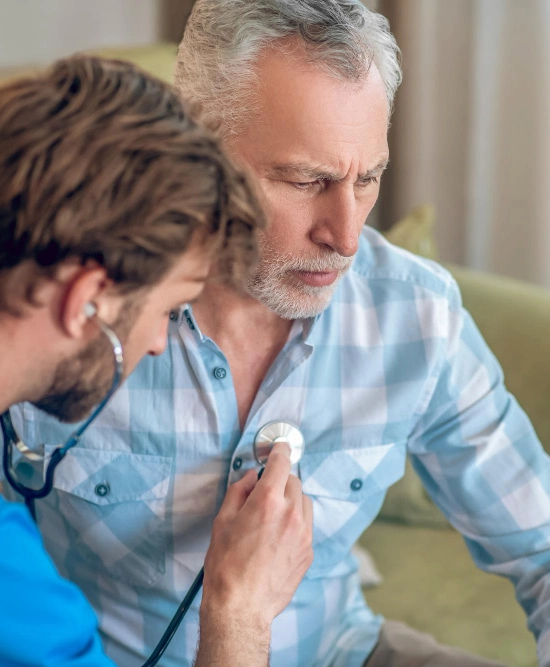
High pressure damages artery walls every single day. Tiny cracks form inside the lining. Plaque slips into those cracks easily. You must keep numbers below one hundred thirty over eighty. That target matches current cardiology guidelines.
Check your readings at home regularly. Limit sodium intake first. Add potassium-rich foods next. Your kidneys handle fluid balance better. Medications help when diet falls short.
Lower LDL Cholesterol
LDL carries fat through your bloodstream. Too much creates sticky deposits. Statins block liver production effectively. Research shows they cut event risk by nearly thirty percent. You cannot ignore this data.
Plant sterols also trap cholesterol in the gut. Fiber sweeps it away completely. Combining both strategies works best. Always discuss dosing with your provider first.
Quit Smoking
Every cigarette stiffens your vessels instantly. Carbon monoxide steals oxygen from your blood. Heart rate spikes unnecessarily. Nicotine drives plaque formation faster.
You lose the habit, and you gain protection quickly. Within one year, your event risk drops by half. After fifteen years, it matches a lifelong non-smoker. Your lungs repair, too.
Exercise Regularly
How to prevent heart attack exercise routines should focus on consistency. Aim for one hundred fifty minutes weekly. Brisk walking counts perfectly. Cycling works well also.
Movement strengthens your heart muscle directly. It lowers blood pressure naturally. It raises good cholesterol, too. You do not need a gym membership. Start small and build steadily.
Maintain a Healthy Weight
Extra fat triggers constant inflammation. Your arteries react poorly to that stress. Insulin resistance follows soon after. Blood sugar swings damage vessel linings.
Losing just five percent improves markers drastically. Focus on whole foods first. Add resistance training next. Your metabolism shifts positively. Scale weight matters less than waist measurement.
How to Prevent Heart Attack Naturally

Eat Heart-Smart Foods
Real food beats processed alternatives every time. Mediterranean patterns win the research consistently. Fresh ingredients lower stress on your system.
| Food | Benefit | Evidence Strength |
|---|---|---|
| Fatty fish | Omega-3 lowers inflammation | Strong |
| Nuts & seeds | Improve cholesterol profiles | Moderate |
| Berries & leafy greens | Fight oxidative damage | Strong |
| Oats & quinoa | Sweep LDL from arteries | Strong |
You do not need expensive superfoods. Simple swaps deliver results. Cook with olive oil instead of butter. Add beans to your salads daily.
Prioritize Sleep and Stress Relief
Poor sleep raises cortisol levels fast. That hormone drives blood pressure higher. Chronic stress inflames arteries directly. Your body stays stuck in fight mode.
Aim for seven hours nightly minimum. Try magnesium glycinate before bed. Practice box breathing daily. Even ten minutes calms your nervous system. Recovery builds resilience quickly.
Special Situations You Should Know
Young Age Prevention
Heart attacks strike people in their thirties now. Sedentary jobs drive that trend upward. Energy drinks add unnecessary strain. Fast meals spike glucose constantly.
You must intervene early. Screen lipids by age twenty. Check glucose trends regularly. Parents should model active habits. Kids copy what they see daily.
Women and Cardiac Risk
Women face different warning signs altogether. Fatigue often replaces classic chest pain. Hormonal shifts change artery behavior during menopause. Estrogen protects vessels naturally until levels drop.
Many providers still overlook female symptoms. You must advocate for yourself firmly. Track changes closely. Report unusual shortness of breath immediately. Gender gaps close when you speak up.
Pregnancy Considerations
Pregnancy stresses your cardiovascular system heavily. Blood volume increases dramatically. Preeclampsia raises long-term risk significantly. Gestational diabetes also lingers afterward.
Attend every prenatal visit strictly. Monitor blood pressure at home. Report swelling or vision changes fast. Follow-up care matters after delivery. Postpartum screenings catch hidden damage early.
Cold Weather Risk: Shoveling Snow
Winter months trigger sudden cardiac strain. Cold air constricts arteries instantly. Heavy lifting spikes blood pressure sharply. The combination creates a perfect storm.
Always warm up indoors first. Push lighter loads frequently. Take breaks every few minutes. Drink water despite the chill. Breathe through your nose to warm the air.
How to prevent heart attack while shoveling snow starts with preparation. Check forecasts carefully. Use a small shovel instead of a large one. Step aside when you feel dizzy. Listen to your body constantly.
Early Warning Signs of a Heart Attack
Recognizing symptoms saves lives daily. You must know the red flags clearly.
- Chest pressure that feels like a heavy weight
- Shortness of breath without exertion
- Cold sweat breaking out suddenly
- Nausea or sharp upper stomach pain
- Radiating pain into left arm, jaw, or back
Women often skip the chest pain entirely. They report overwhelming fatigue instead. Do not downplay unusual sensations. Act quickly every time.
What To Do If You Think You Are Having a Heart Attack
First Aid for Cardiac Events
Time becomes your most valuable resource. Every delay costs heart muscle directly.
Call 911 before anything else. Do not drive yourself anywhere. Emergency medics carry life-saving tools. Chew one adult aspirin slowly. That simple step thins your blood fast. Unlock your front door immediately. Sit down and stay calm. Wait for help to arrive.
Can You Stop a Heart Attack in 30 Seconds?
Social media pushes dangerous myths constantly. You might have seen viral hacks claiming instant fixes. Coughing tricks hold zero scientific backing. Pressing acupressure points changes nothing during an actual event.
Plaque rupture demands professional intervention. Only emergency care can dissolve clots safely. Stents restore blood flow physically. No home remedy replaces that process. Trust verified medicine instead.
Anxiety vs Heart Attack
How do I stop thinking I am having a heart attack? Panic mimics cardiac symptoms closely. Rapid heartbeat strikes both conditions. Sweating happens during panic, too. Yet the root causes differ completely.
Panic attacks usually fade quickly. Breathing exercises ease them steadily. Heart attacks persist regardless of position. Pain radiates downward consistently. A quick EKG tells the truth instantly. Ask your doctor for a panic action plan. Separate fear from reality clearly.
Medications That Help Prevent Heart Attacks
Pharmacology complements lifestyle changes perfectly. Providers prescribe based on your exact risk profile.
Statins block cholesterol synthesis directly. Blood pressure medications relax artery walls. Beta-blockers slow your heart rate safely. Antiplatelet drugs prevent clots from forming.
Never adjust doses without consulting a professional. Side effects require monitoring sometimes. Your provider balances risks carefully. Take medications consistently every single day. Missing doses undermines protection quickly.
Long-Term Risk Reduction
Building lasting habits requires a clear plan. Focus on four core pillars daily.
Nutrition drives your baseline health. Movement strengthens your cardiovascular pump. Sleep restores cellular damage efficiently. Stress management keeps hormones balanced.
Track progress with simple metrics. Resting heart rate shows improvement quickly. Waist measurement reflects metabolic shifts. Energy levels rise noticeably over weeks. Celebrate small wins regularly. Consistency compounds powerfully.
When to See a Doctor
Certain symptoms demand immediate evaluation. Chest pressure lasting over five minutes requires emergency care. Recurrent shortness of breath warrants prompt testing.
High-risk individuals need scheduled screenings. Diabetics should check lipids twice yearly. Family history increases baseline risk significantly. Bring a symptom journal to appointments. Clear data speeds diagnosis dramatically.
Frequently Asked Questions
What are the early warning signs of a heart attack?
Chest pressure, shortness of breath, cold sweats, nausea, and radiating arm or jaw pain top the list. Women often experience extreme fatigue instead. Seek help immediately if these symptoms appear.
How to prevent a heart attack before it happens?
Control blood pressure, lower LDL cholesterol, quit smoking, and exercise daily. Eat a whole-food diet rich in omega-3s and fiber. Regular screenings catch hidden risks early.
What is the first aid for a heart attack?
Call 911 immediately. Chew one adult aspirin while waiting. Unlock your door, sit down, and stay calm. Do not drive yourself to a hospital. Early intervention saves lives.
Can you stop a heart attack yourself?
No. A blocked artery requires emergency medical treatment. Home remedies cannot dissolve clots or open vessels. Professional stent placement or clot-busting drugs are necessary.
How do I stop thinking I am having a heart attack?
Distinguish panic from cardiac pain. Panic attacks fade with slow breathing. Heart attack pain persists and radiates. Ask a doctor for a clear evaluation plan. Cognitive behavioral therapy often helps.
Conclusion: Your Heart Health Journey Starts Today
Preventing a heart attack is not about perfection. It is about consistent, evidence-based choices. You control far more than you think. Small shifts compound into powerful protection over time.
Start with one change this week. Maybe it is a daily walk. Perhaps you swap processed snacks for nuts. Control your blood pressure numbers. Lower your LDL cholesterol. Quit smoking if you use tobacco. These steps work. The data proves it.
Remember, there is no magic 30-second fix. Real prevention builds slowly. You invest in your arteries daily. Your future self will thank you profoundly.
If you have risk factors, talk to your doctor soon. Screenings catch silent issues early. Personalized plans beat generic advice every time. How to prevent a heart attack ultimately comes down to partnership—your commitment paired with professional guidance. You’ve got this. Your heart is worth the effort.
Peer-Reviewed References
- Arnett DK, et al. 2019 ACC/AHA Guideline on the Primary Prevention of Cardiovascular Disease
- Centers for Disease Control and Prevention. Preventing Heart Disease: Evidence-Based Strategies
- Zhong VW, et al. Mediterranean Diet and Cardiovascular Risk
- US Preventive Services Task Force. Statin Use for the Primary Prevention of Cardiovascular Disease in Adults
Related Posts


MORE from Author
Read More As a physician specializing in exercise science and public health, I regularly consult patients who feel completely lost in the…
 Just last week, a 34-year-old patient named Clara sat in my clinic, feeling entirely overwhelmed by the modern fitness industry.…

 Hello, I am Dr. Kenji Sato, MD, specializing in sports medicine and performance optimization. In my sports clinic, I constantly…
- In my clinical practice as a physician focused on exercise science, I often tell patients that mastering fitness bench workouts…