
Aspirin for Heart Attack: Dosage, Type, and When to Take It (Doctor-Approved Guide)
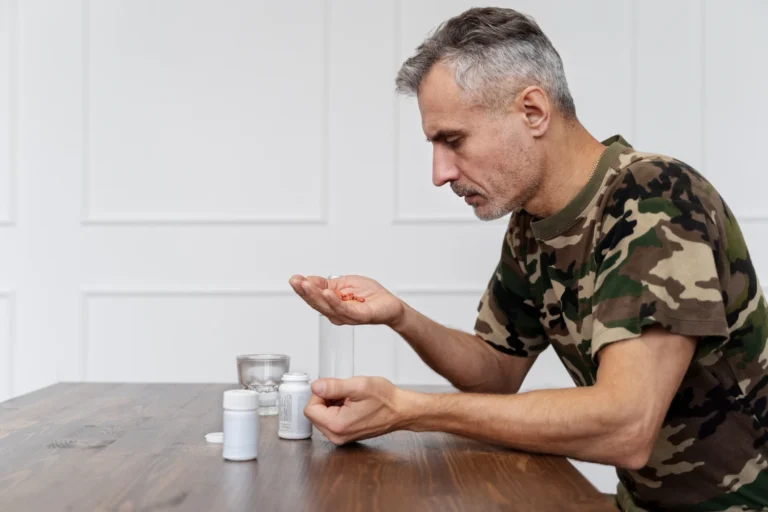
As a board-certified preventive cardiologist, one of the most vital emergency interventions I discuss with patients is the use of aspirin for heart attack events. Knowing exactly what to do during those critical first minutes can absolutely mean the difference between life and death.
Many people keep this common, over-the-counter medication in their medicine cabinets for minor headaches or general pain relief. However, during a severe cardiovascular crisis, this simple pill transforms into a powerful, rapid-acting, life-saving medical tool.
Because heart attacks involve dangerous blood clots completely blocking vital arteries, thinning the blood quickly is paramount to survival. Therefore, understanding the correct dosage, the best physical form of the medication, and proper administration technique is essential.
In this comprehensive medical guide, we will break down the precise clinical guidelines for using this medication during an emergency. You will learn how it works inside your body, when you should take it, and most importantly, who should avoid it.
TL;DR: Quick Overview
- The medication works rapidly to prevent sticky platelets from clumping together, reducing the size of a dangerous blood clot.
- The standard emergency dosage is strictly 160 to 325 milligrams, which must be chewed rather than swallowed whole.
- You should only administer this medication if instructed by emergency dispatchers or if you have no known medical contraindications.
- Patients with active bleeding disorders, severe ulcers, or known allergies must never take this medication during an emergency.
Why Clinicians Recommend This Medication
When a patient arrives at the emergency room with severe chest pain, this is often the very first medication administered. People frequently ask me why aspirin for heart attack emergencies is universally considered a primary, frontline medical intervention.
The answer lies in how cardiovascular emergencies fundamentally develop inside your delicate coronary arteries. A heart attack, or myocardial infarction, occurs when a hardened cholesterol plaque suddenly ruptures and tears the artery wall.
Your body treats this rupture like any other cut, instantly sending specialized blood cells called platelets to form a protective clot. Unfortunately, this clot rapidly grows too large, completely blocking the flow of oxygenated blood to your vital heart muscle.
Mechanism of Action During a Crisis
To fully grasp its importance, you must understand how aspirin helps during a heart attack on a microscopic cellular level. The drug acts as a powerful antiplatelet agent, effectively stopping your blood from clotting further.
Specifically, it irreversibly blocks an enzyme required to produce thromboxane A2, a chemical that signals platelets to stick together aggressively. By halting this chemical signal, the medication prevents the dangerous blood clot from expanding and completely choking off the artery.
While it cannot dissolve a clot that has already fully formed, stopping its growth is a critical early intervention. This action buys precious time until advanced medical procedures, like emergency angioplasty or clot-busting drugs, can be administered.
Optimal Emergency Dosage Guidelines
In a high-stress medical emergency, confusion about the correct medication dosage can be incredibly dangerous and counterproductive. Understanding exactly how much aspirin for heart attack symptom management is required ensures you receive the maximum therapeutic benefit.
Current cardiovascular guidelines strongly recommend a single emergency dose ranging from 160 milligrams up to a maximum of 325 milligrams. Taking less than 160 milligrams may not provide enough antiplatelet action to effectively halt the growing blood clot.
Conversely, taking more than the maximum 325 milligrams does not provide any additional benefit and drastically increases your bleeding risk. Therefore, sticking strictly to the recommended aspirin dose during heart attack events is paramount for patient safety.
Choosing Between Different Dosages
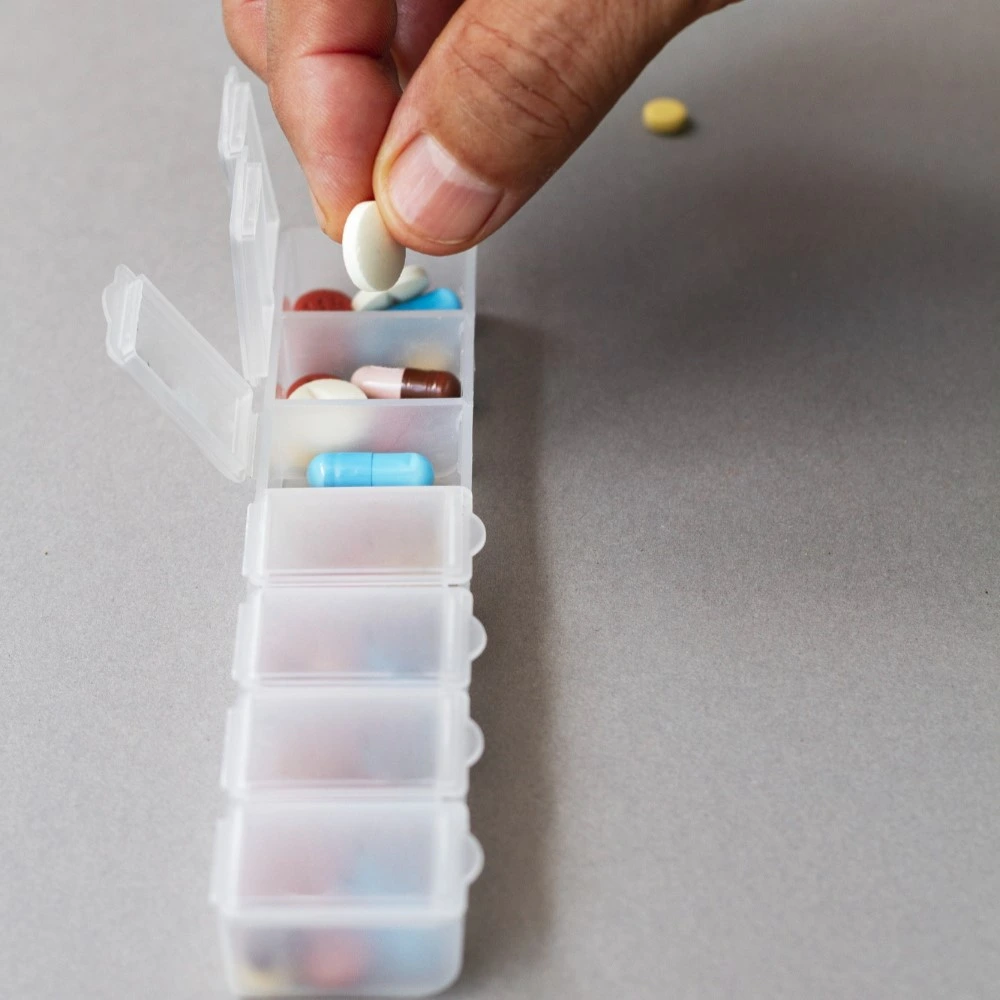
Patients are often confused when looking at different bottles in their medicine cabinet during a suspected cardiac event. The debate between baby aspirin or regular aspirin for heart attack emergencies primarily comes down to achieving the correct total dose.
A standard adult tablet typically contains exactly 325 milligrams, making a single pill the perfect emergency dose. However, baby aspirin for heart attack events is also highly effective if you understand the correct mathematical conversion.
Each low-dose tablet contains 81 milligrams of the active medication. Therefore, if you are wondering how many baby aspirin for heart attack treatment is needed, the answer is usually two to four tablets chewed simultaneously.
Proper Administration Technique
The method you use to consume the medication is just as important as selecting the correct dosage. The critical choice between chewing aspirin for heart attack treatment versus swallowing it whole directly impacts how fast it works.
During an active cardiac emergency, every single second counts because your heart muscle is rapidly dying from oxygen starvation. Swallowing a solid pill means it must dissolve entirely in your stomach before entering your bloodstream, which takes precious time.
However, a chewable aspirin for heart attack administration allows the medication to be absorbed incredibly quickly through the tissues in your mouth. Consequently, chewing the tablets ensures the antiplatelet effect begins working within minutes rather than half an hour.
Selecting the Most Effective Formulation
Walking down the pharmacy aisle, you will see countless different brands, coatings, and formulations of this common drug. Therefore, knowing what kind of aspirin for heart attack emergencies is actually best is highly critical for proper preparation.
The absolute best aspirin for heart attack situations is a plain, uncoated, non-enteric version that can be easily crushed. Enteric-coated tablets are specifically designed to pass through the stomach and dissolve slowly in the intestines to prevent irritation.
While excellent for daily preventive use, this delayed absorption is exactly what you do not want during an acute emergency. Therefore, always keep a small bottle of plain, uncoated tablets specifically designated for emergency cardiovascular situations.
Proper Timing and Symptom Recognition
Recognizing when to actually take the medication is a crucial skill that prevents unnecessary medical complications. You should only take aspirin for heart attack symptoms when you have strong, clinical reasons to suspect a cardiovascular event.
These classic symptoms include severe, crushing chest pressure, pain radiating to your left arm or jaw, and sudden shortness of breath. Additionally, profuse, unexplained sweating and severe nausea are massive red flags that demand immediate medical attention.
However, never take the medication for vague, minor chest discomfort that might just be acid reflux or a muscle strain. Always call emergency services immediately; the dispatcher will listen to your symptoms and explicitly instruct you to take the medication if appropriate.
Critical Contraindications and Safety Warnings
While this medication is generally safe, it is not appropriate for every single patient experiencing chest pain. There are several severe contraindications where taking this drug could actually worsen the medical emergency.
First of all, patients with a known, documented allergy or hypersensitivity to salicylates must absolutely avoid this medication. Secondly, if you have an active, bleeding stomach ulcer or a history of severe gastrointestinal bleeding, the drug is highly dangerous.
Furthermore, patients already taking strong prescription blood thinners, like warfarin or newer anticoagulants, face an extreme risk of catastrophic internal bleeding. In these specific cases, always wait for emergency medical personnel to arrive and administer appropriate, safe alternative treatments.
Long-Term Preventive Strategies
Historically, doctors prescribed this medication broadly to almost every older adult to prevent initial cardiovascular events. However, modern medical guidelines regarding daily aspirin for heart attack prevention have shifted significantly in recent years.
Current evidence suggests that for healthy adults without a history of cardiovascular disease, the bleeding risks often outweigh the benefits. Therefore, a routine low-dose aspirin for heart attack prevention is no longer universally recommended for everyone.
However, if you have already survived a previous heart attack or have received coronary stents, daily use remains absolutely essential. You must have a detailed, personalized discussion with your cardiologist to determine your specific risk-to-benefit ratio.
Usage in Congestive Cardiac Conditions
Patients often confuse different cardiovascular diseases and assume the treatments are exactly the same. The use of aspirin for heart failure management is highly nuanced and completely different from treating an acute arterial blockage.
Heart failure involves a weakened pumping muscle, not necessarily a sudden, acute blood clot blocking an artery. Therefore, this medication is not a primary, frontline treatment for managing the symptoms of a failing heart.
In fact, high doses can sometimes interact negatively with essential heart failure medications like ACE inhibitors or specific diuretics. Your cardiologist will carefully manage your prescriptions based on the specific underlying cause of your cardiac dysfunction.
Understanding International Medical Guidelines

Medical protocols can sometimes vary slightly depending on your geographic location and local healthcare authorities. For instance, the guidelines for aspirin for heart attack, NHS protocols in the UK closely mirror those in the United States.
Both the American Heart Association and the UK’s National Health Service strongly advocate for immediate administration during a suspected infarction. They both emphasize chewing a dose of approximately 300 milligrams as quickly as safely possible.
This universal consensus highlights the undeniable, life-saving clinical efficacy of this simple, readily available intervention. Knowing these standardized guidelines ensures you receive the highest standard of emergency cardiovascular care.
Potential Adverse Effects
Even in an emergency, it is important to be aware of the potential negative side effects of any pharmacological intervention. The most significant and dangerous side effect is the increased risk of severe gastrointestinal bleeding.
Because the drug aggressively stops platelets from clumping, any minor internal bleeding can quickly become a major hemorrhage. Additionally, high doses can cause severe stomach irritation and nausea and, in rare cases, exacerbate asthma symptoms.
However, during a verified, life-threatening cardiovascular emergency, the immediate benefit of stopping a lethal blood clot almost always outweighs these risks. Emergency room physicians are expertly trained to manage any subsequent bleeding complications if they arise.
Avoiding Dangerous Emergency Mistakes
In the panic of a sudden medical crisis, people frequently make critical errors that compromise their safety. The most common mistake is taking the medication but drastically delaying the call to emergency medical services.
This drug is a temporary, stop-gap measure; it is absolutely not a cure for a blocked coronary artery. Another frequent error is swallowing an enteric-coated pill whole, severely delaying the crucial antiplatelet action.
Finally, taking an excessively large dose out of pure panic drastically increases bleeding risks without providing any extra cardiovascular protection. Staying calm, calling for help immediately, and following explicit dispatcher instructions are your best defenses against these common errors.
Emergency Action Protocol
If you or a loved one suddenly experiences the classic symptoms of a severe cardiovascular event, follow these steps precisely. First and foremost, immediately dial your local emergency services number and clearly describe the exact symptoms.
If the 911 dispatcher advises it, or if you have no bleeding risks and suspect an attack, quickly find the medication. Vigorously chew one adult tablet (325mg) or two to four baby tablets (81mg each) and swallow the pieces with a tiny sip of water.
Finally, unlock your front door, sit down in a comfortable chair, and try to remain as calm as possible while waiting. Never attempt to drive yourself to the emergency room under any circumstances during a suspected cardiac event.
Frequently Asked Questions
What exact dosage is recommended during an emergency?
The globally recognized standard emergency dosage ranges strictly between 160 milligrams and 325 milligrams. Taking exactly one standard adult tablet or up to four low-dose baby tablets achieves this optimal therapeutic window.
Why is chewing the tablet so critically important?
Chewing the tablet drastically accelerates the absorption of the active medication directly into your systemic bloodstream. This rapid absorption ensures the antiplatelet effect begins inhibiting the dangerous blood clot within mere minutes.
Can I use the enteric-coated version I take daily?
You should absolutely avoid enteric-coated formulations during an acute emergency if possible. Their specialized coating severely delays absorption, defeating the purpose of a rapid emergency intervention.
Are there any situations where I should avoid taking it?
Yes, you must never take it if you have an active bleeding stomach ulcer, a known severe allergy, or take prescription blood thinners. Always defer to the explicit instructions of the emergency medical dispatcher.
Is this medication a complete cure for the blockage?
No, it is strictly a critical first-aid measure designed to stop the blood clot from growing larger. You still require immediate, advanced hospital interventions like a balloon angioplasty or powerful clot-busting medications to survive.
Conclusion
Understanding the proper use of aspirin for heart attack emergencies is a fundamental component of basic cardiovascular first aid. This simple, inexpensive medication possesses the incredible power to stall a lethal blood clot and preserve vital cardiac muscle.
You must remember the core rules: chew the uncoated tablet, stick to the 160-325mg dosage, and always prioritize calling emergency services. However, this medication is a powerful pharmacological tool that carries real risks, particularly for patients with bleeding disorders.
By educating yourself on these precise clinical guidelines, you can act decisively and safely during a terrifying medical crisis. Ultimately, your rapid, informed response during those first critical minutes is the absolute key to surviving a massive cardiovascular event.
Evidence-Based References:
- American Heart Association (AHA) – Aspirin and Heart Disease
- National Heart, Lung, and Blood Institute (NHLBI) – Heart Attack Treatment
- Centers for Disease Control and Prevention (CDC) – Heart Attack Signs and Symptoms
- U.S. Preventive Services Task Force (USPSTF) – Aspirin Use to Prevent Cardiovascular Disease
- Mayo Clinic – Daily Aspirin Therapy: Understand the Benefits and Risks
Related Posts





MORE from Author
Read More As a physician specializing in exercise science and public health, I regularly consult patients who feel completely lost in the…
 Just last week, a 34-year-old patient named Clara sat in my clinic, feeling entirely overwhelmed by the modern fitness industry.…


 Hello, I am Dr. Kenji Sato, MD, specializing in sports medicine and performance optimization. In my sports clinic, I constantly…
- In my clinical practice as a physician focused on exercise science, I often tell patients that mastering fitness bench workouts…