
How Long Does a Heart Attack Take to Kill You? Timeline, Survival Window & Warning Signs

Have you ever wondered about the clock ticking during a medical emergency? It is a scary thought. Many people ask me, “How long does a heart attack take to kill you?” during their routine checkups.
They want to know if they have minutes or hours to act. Usually, they are thinking about the dramatic scenes they see on television. However, real life is often much more subtle and progressive. As a doctor, I have seen patients wait too long because they weren’t sure.
This guide breaks down the survival window and the warning signs. We will look at the timeline of heart muscle damage. Furthermore, we will explore why every second counts. Understanding this can truly be the difference between life and death.
TL;DR: The Survival Window
A heart attack can become fatal within minutes if it triggers a sudden arrhythmia. However, muscle death usually progresses over several hours. Most experts agree that the “Golden Hour” is the most critical window for treatment.
Early intervention significantly boosts survival rates and limits permanent heart damage.
What Happens During a Heart Attack?
A heart attack occurs when a coronary artery becomes blocked. This blockage usually stems from a buildup of plaque. When this plaque ruptures, a blood clot forms. Consequently, the flow of oxygen-rich blood to the heart muscle stops.
Without oxygen, the heart muscle begins to struggle. This is not a “sudden stop” for the whole body initially. Instead, it is a progressive loss of function. Think of it like a garden hose being kinked. The plants (heart cells) don’t die the second the water stops. However, they begin to wilt almost immediately.
In medical terms, we call this ischemia. If the blockage remains, the muscle tissue starts dying. This process is called infarction. Permanent damage can begin in as little as 30 minutes. Therefore, the “heart attack” is actually a race against time. The goal is to open that artery before the damage becomes irreversible.
How Long Does a Heart Attack Take to Kill You?
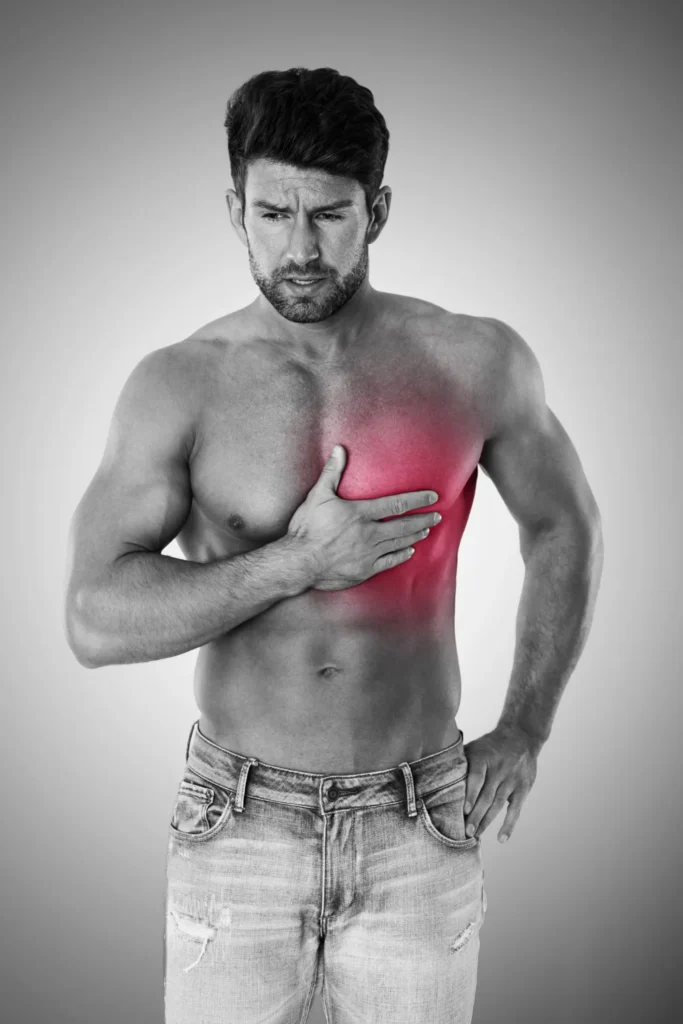
There is no single answer to this question. The timeline varies wildly from person to person. For some, a heart attack leads to death within minutes. For others, the process may take several hours or even days of untreated symptoms.
Several factors determine this speed. First, the location of the blockage matters. A blockage in the “Left Main” artery is often called a “widowmaker.” This is because it supplies a massive portion of the heart. If this artery closes, the risk of rapid death is very high.
Second, the heart’s rhythm plays a huge role. Most sudden deaths during a heart attack are electrical. If the heart enters a fatal rhythm, death can occur in minutes. In contrast, if the rhythm stays stable, a person might survive for hours.
The Survival Timeline Breakdown
To help you understand the urgency, let’s look at a typical timeline. This shows what happens when a major artery is fully blocked and left untreated.
| Time Elapsed | What is Happening to the Heart | Death Risk Level |
| 0–10 Minutes | Oxygen levels drop; chest pain begins. | Low (unless arrhythmia occurs) |
| 10–30 Minutes | Heart cells begin to suffer significant stress. | Moderate |
| 30–90 Minutes | Permanent muscle death (infarction) starts. | High |
| 90 Minutes – 6 Hours | Massive tissue damage; heart failure risk peaks. | Very High |
| 6+ Hours | The most affected tissue is permanently scarred. | Critical / Fatal |
As you can see, the risk increases as the minutes pass. Most deaths occur because of an electrical failure called ventricular fibrillation. This can happen at any point in the timeline. Therefore, asking how long does a heart attack take to kill you is really about how long your heart stays electrically stable.
Can a Heart Attack Kill You Instantly?
The short answer is yes. However, it is important to distinguish between a heart attack and cardiac arrest. A heart attack is a “plumbing” problem. Cardiac arrest is an “electrical” problem.
A heart attack can trigger a cardiac arrest. When the heart muscle loses oxygen, it becomes electrically unstable. This can cause the heart to stop beating effectively. When this happens, the person collapses instantly. They stop breathing and lose their pulse.
In these cases, death can occur within 4 to 6 minutes. This happens because the brain is no longer receiving oxygen. This is why immediate CPR and the use of an AED are so vital. Without these, the “instant” death becomes permanent.
I once treated a patient who collapsed at a grocery store. Fortunately, a bystander started CPR immediately. Because they acted fast, we were able to restart his heart in the ER. He survived because someone didn’t wait to see “how long” it would take.
How Painful Is a Fatal Heart Attack?
Many people fear the pain of a fatal event. The truth is that the intensity varies significantly. Some people describe a “crushing” pressure. They feel like an elephant is sitting on their chest. This pain can radiate to the jaw, neck, or left arm.
In contrast, some fatal heart attacks are not extremely painful. This is common in women, older adults, and people with diabetes. They might only feel a vague sense of indigestion. They may feel a strange “doom” or anxiety.
Because the pain isn’t always sharp, many people ignore it. They think they just have a bad case of heartburn. However, that “mild” discomfort can still be a sign of a massive blockage. Furthermore, the lack of pain does not mean the heart isn’t dying.
If you feel any unusual pressure or shortness of breath, pay attention. Don’t wait for “the big pain” to call for help. A “silent” heart attack can be just as deadly as a painful one.
How Long Does a Heart Attack Last if Untreated?
A heart attack isn’t always a quick event. If left untreated, the “attack” phase can actually last for hours. In some cases, the symptoms can even persist for days. This happens when the blockage is partial or intermittent.
The damage continues silently during this time. Even if the pain fades, the heart muscle may still be dying. This is why we say, “Time is muscle.” The longer you wait, the more of your heart turns into scar tissue.
Can a heart attack last for days? Yes, it can. People often have “stuttering” symptoms. They feel okay for a few hours, then the pain returns. This is incredibly dangerous. It means the heart is on the brink of a total collapse.
If symptoms linger, the risk of heart failure increases. Your heart becomes too weak to pump blood properly. Consequently, you may survive the initial event but suffer for years afterward. Therefore, any prolonged chest discomfort is a medical emergency.
How Fast Can a Heart Attack Kill Different People?
The timeline for a heart attack is not the same for everyone. Different demographics experience cardiac events in unique ways. Understanding these differences can help you identify a crisis in a loved one.
Women
Women often have a delayed diagnosis. This is because their symptoms are more subtle. They may experience nausea, back pain, or extreme exhaustion. Because these don’t fit the “classic” heart attack image, women wait longer to go to the ER. Consequently, their survival window is often tighter.
Older Adults
In the elderly, the heart may have “collateral circulation.” This means smaller vessels have grown to help bypass blockages. This can slow down the muscle death. However, older hearts are also more prone to sudden electrical failure. Therefore, a collapse can happen very quickly.
Diabetics
As we discussed in previous guides, diabetics often have nerve damage. They might not feel any pain at all. A heart attack in a diabetic person can progress for hours without them knowing. This makes the how long does a heart attack take to kill you question particularly dangerous for this group.
What Are the 4 P’s of a Heart Attack?
In emergency medicine, we often use simple tools to assess risk quickly. One of the most effective tools is the “4 Ps.” This helps both clinicians and patients identify a cardiac event. If you notice these four things, the answer to how long does a heart attack take to kill you becomes much more urgent.
1. Pain: This is the most common sign. It usually feels like a heavy weight in the chest. However, it can also manifest in the arms, neck, or back.
2. Pressure: Many patients describe a “tightness” rather than sharp pain. They feel like their chest is being squeezed in a vice. This pressure often doesn’t go away with rest.
3. Pallor: This refers to the color of your skin. During a heart attack, the skin often turns pale or gray. This happens because blood is being diverted to your vital organs.
4. Perspiration: A sudden, cold sweat is a major red flag. If you are sweating while sitting in a cool room, your body is in crisis. This “drenched” feeling is a classic sign of cardiac distress.
What Increases the Risk of Dying Quickly?

Not every heart attack progresses at the same speed. Some factors act as “accelerants” to the process. For instance, a total blockage is much more dangerous than a partial one. If the blood flow is completely cut off, the muscle dies much faster.
Your previous health history also matters. If you have had a heart attack before, your heart is already scarred. Consequently, it has less “reserve” to handle a new crisis. This makes how long death from a heart attack takes much shorter.
Uncontrolled high blood pressure is another major risk factor. It puts constant strain on the heart walls. During an attack, this strain can lead to a rupture or a fatal rhythm change. Smoking also plays a role by narrowing the remaining open vessels.
Finally, delayed treatment is the biggest risk. Every minute you wait, you lose more muscle. If you are alone, the risk is even higher. You might lose consciousness before you can call for help. Therefore, having a medical alert system or a nearby neighbor is vital.
Heart Attack Recovery Timeline
Surviving the initial event is just the beginning. The recovery process is a journey that takes time and patience. I often see patients who expect to feel “back to normal” in a few days. However, the heart needs time to heal.
The First Week
The first 48 to 72 hours are usually spent in the hospital. Doctors will monitor your heart rhythm closely. You will likely start on several new medications. These help stabilize the heart and prevent another clot.
Weeks 2 to 6
Once you go home, you will feel very tired. This is normal. Your heart is working hard to repair itself. During this time, you should begin a cardiac rehabilitation program. This is a supervised exercise plan that helps strengthen your heart safely.
Frequently Asked Questions
How long does a heart attack take to kill you?
It can take anywhere from a few minutes to several hours. A fatal heart rhythm can cause death in under 10 minutes. However, a slow blockage might take hours to cause a total collapse.
Can a heart attack kill you instantly?
Yes, it can. If the heart attack triggers a sudden cardiac arrest, the person can collapse and die within minutes. This is why immediate medical attention and CPR are so critical for survival.
How long does a heart attack last untreated?
Symptoms can last for several hours or even days. The longer the heart goes without oxygen, the more muscle dies. Even if the pain stops, the damage may continue to progress silently.
How painful is a fatal heart attack?
It varies. Some feel “crushing” pain, while others feel almost nothing. A fatal attack can sometimes feel like mild indigestion or a sore back. Never judge the severity by the level of pain.
What are the 4 P’s of a heart attack?
The 4 P’s are Pain, Pressure, Pallor (pale skin), and Perspiration (cold sweats). These are the hallmark signs used by emergency teams to quickly identify a potential cardiac event.
Conclusion
We have explored the heavy question: how long does a heart attack take to kill you? The answer is a sobering reminder that time is our most valuable resource. Whether it is minutes or hours, every second you wait is a second of heart muscle lost.
By knowing the 4 P’s and the early warning signs, you take the power back. You don’t have to be a victim of a silent or sudden event. Listen to your body when it whispers so you don’t have to hear it scream.
If you have risk factors like diabetes or high blood pressure, talk to your doctor today. Don’t wait for a crisis to learn your survival window. Your heart is a resilient organ, but it needs your help to keep beating.
Authoritative References
- Journal of the American College of Cardiology (JACC)—Relationship of Time-to-Treatment With Outcomes in STEMI
- Nature Reviews Cardiology—The Pathophysiology and Timeline of Myocardial Cell Death
- The Lancet—Myocardial Infarction: Time is Muscle and the Importance of Reperfusion
- The New England Journal of Medicine (NEJM)—Sudden Cardiac Death during Acute Myocardial Infarction
Related Posts





MORE from Author
Read More As a physician specializing in exercise science and public health, I regularly consult patients who feel completely lost in the…
 Just last week, a 34-year-old patient named Clara sat in my clinic, feeling entirely overwhelmed by the modern fitness industry.…


 Hello, I am Dr. Kenji Sato, MD, specializing in sports medicine and performance optimization. In my sports clinic, I constantly…
- In my clinical practice as a physician focused on exercise science, I often tell patients that mastering fitness bench workouts…