
Heart Attack Survival Rate (By Age, Type & Emergency Timing Explained)
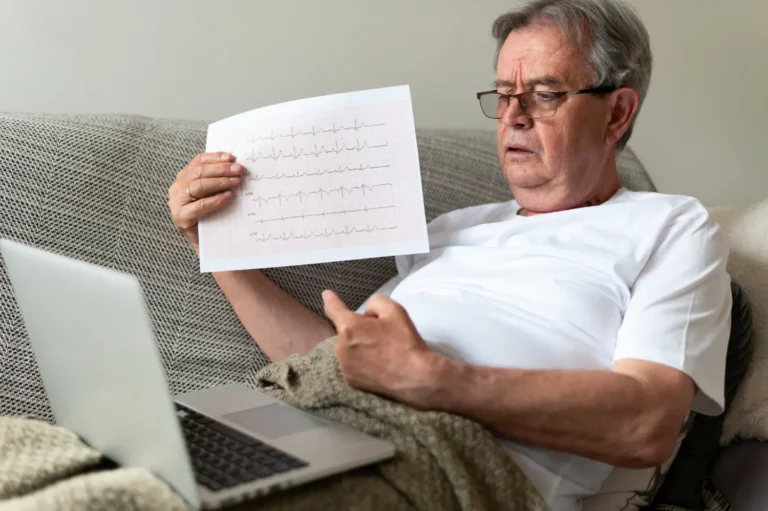
Hearing a loved one has suffered a cardiac emergency is terrifying. In my years practicing as a board-certified cardiologist, the first question families always ask is about the overall heart attack survival rate. People desperately want to know the exact odds of recovery.
We live in an era of advanced cardiovascular medicine. Consequently, the medical landscape has completely transformed how we treat these critical events. Your chances of walking out of the hospital today are vastly better than they were just two decades ago.
However, navigating the specific statistics can feel incredibly overwhelming for patients. Therefore, I want to break down exactly how your age, the type of blockage, and your location impact these life-saving odds.
TL;DR: Quick Overview
- The vast majority of patients survive a cardiac event if they receive rapid, modern medical intervention.
- Survival probabilities jump significantly when treatment occurs inside a well-equipped hospital setting.
- Specific outcomes vary heavily based on your age and the specific artery involved in the blockage.
- Above all else, calling emergency services immediately is the single biggest factor in your recovery.
What Exactly Is the Survival Probability?
The general survival rate for a myocardial infarction is highly encouraging in modern healthcare systems. Most patients survive the initial event if they get treated rapidly.
Specifically, over 90% of individuals who make it to the emergency room in time survive the ordeal. However, the exact percentage fluctuates based on the severity of the specific arterial blockage.
Latest Statistics on Cardiac Outcomes
Looking at the latest clinical data, the majority of people in developed nations recover successfully. Advanced stenting procedures and potent blood thinners have revolutionized our emergency response.
Unfortunately, mortality remains unacceptably high for those who ignore their symptoms. Delaying medical care drastically reduces the amount of healthy heart muscle we can ultimately save.
Fatality vs. Survival: Understanding the Metrics
Medical literature often throws around confusing terms regarding patient outcomes. The survival rate simply measures the percentage of individuals who live through the medical event.
In contrast, the fatality rate measures the percentage of individuals who unfortunately pass away. Understanding this basic distinction helps patients process the clinical data without unnecessary panic.
Can You Survive a Myocardial Infarction?
Yes, absolutely. Countless patients survive major cardiac events and go on to live full, highly active lives. I see these success stories in my clinic every single week.
Early detection and rapid treatment are the absolute keys to these positive outcomes. Furthermore, making aggressive lifestyle changes post-recovery prevents secondary emergencies from occurring.
Are Cardiac Emergencies Always Fatal?
No, they are certainly not always fatal. While they are severe medical emergencies, they are highly treatable when caught early.
Many people mistakenly assume a diagnosis is an immediate death sentence. In reality, with proper cardiac rehabilitation, the human heart can heal remarkably well.
Age-Based Survival Odds for Coronary Events

Age plays a massive role in how well your body handles sudden cardiovascular trauma. Younger adults generally boast a significantly higher survival probability. Their bodies are typically more resilient and often free from compound chronic illnesses.
However, older adults face a much steeper uphill battle during recovery. As we age, our blood vessels naturally stiffen, and our heart muscle loses some of its innate pumping elasticity.
Consequently, patients over the age of 65 have an increased risk of post-event complications. They are more likely to experience subsequent heart failure or dangerous electrical rhythm disturbances. Therefore, aggressive preventive cardiology is vital for our senior populations.
Outcomes for Massive and Major Cardiac Events
When we discuss the types of blockages, the severity dictates the clinical outcome. A massive coronary event involves a complete, sudden obstruction of a primary artery.
Because a large portion of the muscle loses oxygen, the risk of cardiogenic shock increases. Ultimately, surviving a major event depends heavily on how fast a surgeon can deploy a stent.
The Widowmaker: LAD Blockage Recovery Odds
The “widowmaker” is a terrifying term for a blockage in the left anterior descending (LAD) artery. This massive vessel supplies the crucial front wall of your heart with fresh blood.
When the LAD abruptly closes, the survival rate drops if intervention is not immediate. However, if emergency medical services arrive swiftly, modern angioplasty can successfully open this widowmaker blockage and save the patient’s life.
Clinical Types: STEMI, SCAD, and RCA Prognosis
To truly understand recovery odds, we must look at the specific clinical classifications of these emergencies. A STEMI (ST-elevation myocardial infarction) is the most dangerous and time-sensitive type of arterial blockage. It completely cuts off blood supply to a massive section of the heart muscle.
First of all, a STEMI requires an immediate rush to the cardiac catheterization lab. Survival improves dramatically when the blocked vessel is opened within ninety minutes of arriving at the hospital doors. If this narrow window is missed, permanent muscle death inevitably occurs.
In contrast, SCAD (Spontaneous Coronary Artery Dissection) is a completely different biological mechanism. It involves a sudden tear in the artery wall, rather than a slow buildup of cholesterol plaque. SCAD frequently strikes younger, otherwise healthy women who have zero traditional risk factors.
Fortunately, the prognosis for SCAD is generally very positive once correctly diagnosed. Many of these delicate arterial tears heal completely on their own with conservative medical management. Furthermore, survival rates for SCAD patients are exceptionally high when monitored closely by a specialized cardiac team.
Finally, blockages in the Right Coronary Artery (RCA) present unique challenges for the medical team. The RCA supplies blood to the electrical conduction system of the heart. Therefore, RCA blockages often cause dangerously slow heart rates that require temporary pacemakers to ensure patient survival.
Multiple Events: Third Attack and Coma Outcomes
Suffering a third coronary event carries a significantly lower survival probability than the first occurrence. Each successive infarction leaves behind permanent scar tissue, severely weakening the overall pumping function.
In extreme cases, a patient may be placed in a medically induced coma to protect their brain. The survival rate in these critical scenarios depends heavily on how long the brain went without optimal oxygen flow.
Location Matters: Hospital vs. At-Home Recovery
The physical location where your cardiac emergency begins heavily dictates your ultimate survival rate. Experiencing a sudden blockage while already admitted to a hospital offers the absolute best clinical outcome.
Doctors and nurses can initiate life-saving protocols within seconds of symptom onset. They have immediate access to defibrillators, potent intravenous medications, and the surgical catheterization lab. Consequently, the in-hospital survival rate is exceptionally high across all age demographics.
However, the survival rate drops when the emergency occurs outside the hospital environment. The critical delay in receiving specialized medical treatment allows irreversible muscle damage to accumulate. Time spent waiting for an ambulance or driving in traffic directly lowers your overall recovery odds.
Furthermore, experiencing an event at home while completely alone is incredibly dangerous. If you lose consciousness before unlocking your door or calling emergency services, the fatality risk skyrockets. This is precisely why we constantly educate the public to call 911 the moment chest pressure begins.
Untreated Cases: The Danger of Delay
The survival probability without any medical treatment is alarmingly low. Ignoring severe chest pressure almost guarantees extensive, permanent damage to the cardiac tissue.
Without blood thinners or surgical intervention, the clotting process completely suffocates the heart. Therefore, trying to “sleep off” a suspected cardiovascular event is a historically fatal mistake.
Life Expectancy After a Coronary Event
Surviving the initial hospital stay is just the first step in a long journey. Many patients go on to live for decades after their initial cardiovascular scare.
Your long-term life expectancy depends heavily on how strictly you follow your doctor’s advice. Quitting smoking, managing daily stress, and attending cardiac rehab drastically extend your post-recovery lifespan.
Comparing Cardiac Arrest and Stroke Odds

Patients frequently confuse a myocardial infarction with sudden cardiac arrest. However, cardiac arrest is an electrical failure that stops the heart entirely, and its survival odds are drastically lower.
Similarly, stroke survival rates vary wildly depending on whether the brain bleed is ischemic or hemorrhagic. Both conditions require the same immediate, aggressive emergency response to preserve long-term bodily function.
Emergency Action: Surviving If You Are Alone
If you suddenly feel severe chest pressure while completely alone, you must act fast. First, immediately call emergency services and unlock your front door for the paramedics.
Next, stop all physical activity, sit down in a comfortable chair, and try to remain calm. If your doctor has previously advised it, chew a standard aspirin while waiting for the ambulance to arrive.
Key Factors Influencing Your Recovery Chances
Several critical factors directly influence whether you will survive a major cardiovascular crisis. The speed of medical intervention is always the most important variable in the equation.
Additionally, your baseline physical health prior to the event plays a massive role. Patients with well-controlled blood sugar and low cholesterol inherently possess a much stronger biological foundation for recovery.
When to Seek Immediate Medical Attention
You must never hesitate to call for professional help if you feel unusual upper body discomfort. Sudden, crushing chest pain that radiates into your left arm or jaw is a massive red flag.
Furthermore, if this pain is accompanied by sudden shortness of breath or a cold sweat, do not wait. Prompt medical evaluation is the only way to effectively safeguard your life.
Frequently Asked Questions
What is the general recovery rate for a coronary event?
The vast majority of patients survive, especially if they reach a hospital quickly. With modern surgical interventions, the immediate survival probability exceeds ninety percent for most individuals.
Can a person survive a massive blockage?
Yes, but the outcome depends entirely on the speed of the medical response. Rapid deployment of a surgical stent can successfully restore blood flow and save the affected muscle.
Is a widowmaker blockage always a death sentence?
No, it is not always fatal. While it is an incredibly dangerous type of blockage, swift emergency treatment routinely saves patients suffering from LAD obstructions.
How does age impact emergency cardiac outcomes?
Younger patients generally have much higher recovery odds due to stronger overall health. In contrast, older patients face a higher risk of complications and secondary cardiac failure.
What should you do while waiting for an ambulance?
You should stop moving, sit down, and try to remain as calm as possible. Unlock your door for the paramedics and chew an aspirin if a doctor has previously approved it.
Conclusion
Understanding the true heart attack survival rate is empowering rather than frightening. As a medical professional, I want every patient to realize that a cardiovascular emergency is no longer an automatic tragedy.
Modern cardiology has achieved miraculous advancements in how we rapidly open blocked arteries and restore vital blood flow. The data clearly shows that your odds of surviving and thriving after an event are incredibly high, provided you take immediate action.
The clinical statistics highlight one undeniable truth above all else: time equals heart muscle. The dramatic difference between the in-hospital survival rate and the at-home fatality rate proves this point entirely.
When you ignore chest pressure or attempt to drive yourself to the clinic, you throw away precious, life-saving minutes. Emergency medical technicians carry specialized equipment that can stabilize your heart rhythm in your living room, long before you ever reach the emergency department doors.
Furthermore, your specific age and the type of arterial blockage dictate the complexity of your recovery, but they do not eliminate hope. Even patients suffering from severe widowmaker blockages frequently walk out of the hospital within a few days.
The human body is remarkably resilient when supported by potent medications and skilled surgical interventions. However, the ultimate responsibility for survival often rests in the hands of the patient during those crucial first few moments.
Ultimately, education and preparation are your greatest defense mechanisms against cardiovascular disease. You must aggressively manage your blood pressure, prioritize daily physical movement, and strictly avoid tobacco products.
If you ever feel sudden, crushing discomfort in your chest, arm, or jaw, you must trust your instincts. Do not waste time worrying about a false alarm; call emergency services immediately and give your heart the absolute best possible chance at survival.
Evidence-Based References:
- American Heart Association (AHA) – Heart Attack Symptoms, Risk, and Recovery
- Centers for Disease Control and Prevention (CDC) – Heart Disease Facts and Statistics
- National Heart, Lung, and Blood Institute (NHLBI) – Heart Attack Treatment and Recovery
- Mayo Clinic – Heart Attack (Diagnosis & Treatment)
- Cleveland Clinic – Myocardial Infarction (Heart Attack) Overview
Related Posts


MORE from Author
Read More As a physician specializing in exercise science and public health, I regularly consult patients who feel completely lost in the…
 Just last week, a 34-year-old patient named Clara sat in my clinic, feeling entirely overwhelmed by the modern fitness industry.…


 Hello, I am Dr. Kenji Sato, MD, specializing in sports medicine and performance optimization. In my sports clinic, I constantly…
- In my clinical practice as a physician focused on exercise science, I often tell patients that mastering fitness bench workouts…