
Heart Attack Pain Areas (Chest, Arm, Jaw & Body Locations Explained)
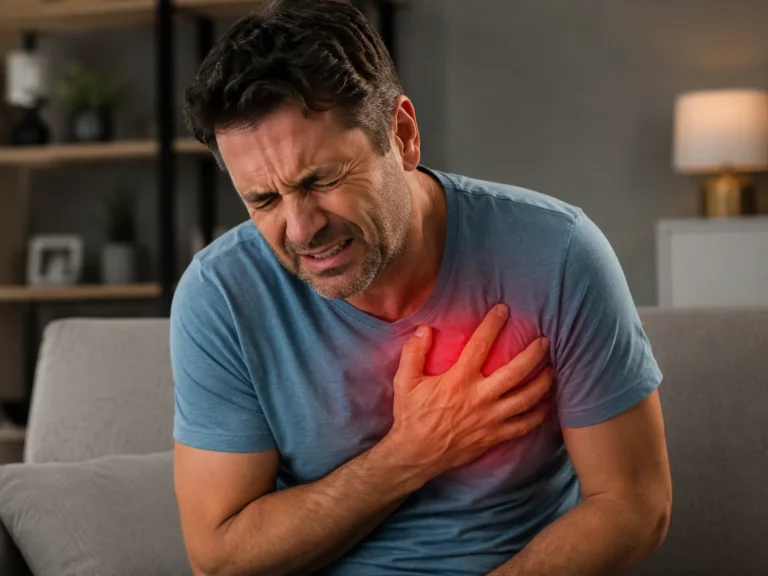
When a cardiovascular emergency strikes, recognizing the physical warning signs can mean the difference between life and death. Many patients in my cardiology practice ask about specific heart attack pain areas to better understand their risk.
As a board-certified physician, I have treated countless individuals who dismissed their symptoms because they did not match the “classic” Hollywood depiction of chest clutching. Your body sends complex distress signals when the heart muscle loses its vital blood supply.
Consequently, these signals do not always originate directly over the physical heart itself. We must deeply understand how the nervous system translates cardiac distress into physical discomfort across various body regions.
TL;DR: Quick Overview
- The most common symptom is severe pressure, squeezing, or heaviness directly in the center or left side of the chest.
- Discomfort frequently radiates outward to the left arm, jaw, neck, upper back, or stomach.
- Women often experience atypical patterns, such as profound fatigue, nausea, or subtle back aches.
- Furthermore, not all cardiac events involve severe suffering; silent infarctions can occur with minimal to no obvious symptoms.
Where Does Discomfort Usually Start?
A myocardial infarction typically begins with a noticeable sensation of pressure or tightness in the center or left side of your chest. This sensation frequently radiates outward to secondary locations.
Specifically, the discomfort may travel up into your jaw and neck, shoot down your left arm, or settle into your upper abdomen. However, the exact location and intensity vary wildly depending on your gender, age, and underlying health conditions.
Detailed Body Zones for Cardiac Pain
To truly understand a cardiac event, you must know exactly where to look for symptoms. The human nervous system is highly interconnected.
When your heart muscle struggles for oxygen, it sends panic signals through nerve pathways that serve multiple body parts. This phenomenon is known clinically as referred pain.
Therefore, you might feel the injury in an area seemingly unrelated to your chest. Let us break down the primary regions where these critical warning signs manifest.
Chest Region (Primary Zone)
The chest is undoubtedly the most frequent location for symptoms to manifest during a cardiovascular crisis. However, patients rarely describe it as a sharp, stabbing sensation.
Instead, they often describe a heavy, crushing weight sitting directly on their sternum. This squeezing sensation may last for several minutes, fade slightly, and then return with greater intensity.
Left Arm and Shoulder Radiation
Nerve endings from the heart and the left arm share identical neural pathways into the spinal cord. Because your brain is more accustomed to processing arm sensations, it often misinterprets the heart’s distress signal.
Consequently, you might feel a deep, throbbing ache radiating down the inside of your left bicep. Sometimes, this discomfort extends all the way down to the wrist and fingers.
Jaw and Neck Tightness
Many survivors report a strange, unexplained aching localized in their lower jaw or the sides of their neck. This symptom frequently confuses patients, leading them to suspect a dental issue rather than a cardiac emergency.
The tightness usually appears on the left side but can radiate across the entire lower mandible. If jaw aching suddenly accompanies exertion or mild chest pressure, it is a massive red flag.
Back and Scapular Regions
Discomfort spreading to the upper back, specifically between the shoulder blades, is a highly documented symptom. Women, in particular, report this sensation far more frequently than men do.
It often feels like a deep, persistent muscle ache that no amount of stretching or massaging can relieve. Ignoring this specific symptom can fatally delay essential emergency medical treatment.
Upper Abdomen and Gastric Mimicking
Perhaps the most dangerous symptom location is the upper abdomen, right below the rib cage. Cardiac distress here brilliantly mimics severe indigestion, acid reflux, or a stomach ulcer.
Patients frequently attempt to treat this with over-the-counter antacids, losing precious, life-saving minutes. If abdominal discomfort occurs alongside sudden sweating or shortness of breath, seek emergency care immediately.
Visualizing Cardiac Discomfort
Medical illustrations provide a powerful tool for quickly understanding these complex symptom pathways. When you look at an anatomical map, the interconnected nature of referred pain becomes obvious.
A proper diagram highlights the central chest zone and draws clear red lines outward to the secondary zones. These visual guides are essential for patient education and rapid symptom recognition at home.
Exploring the Chest, Arm, and Jaw Connection
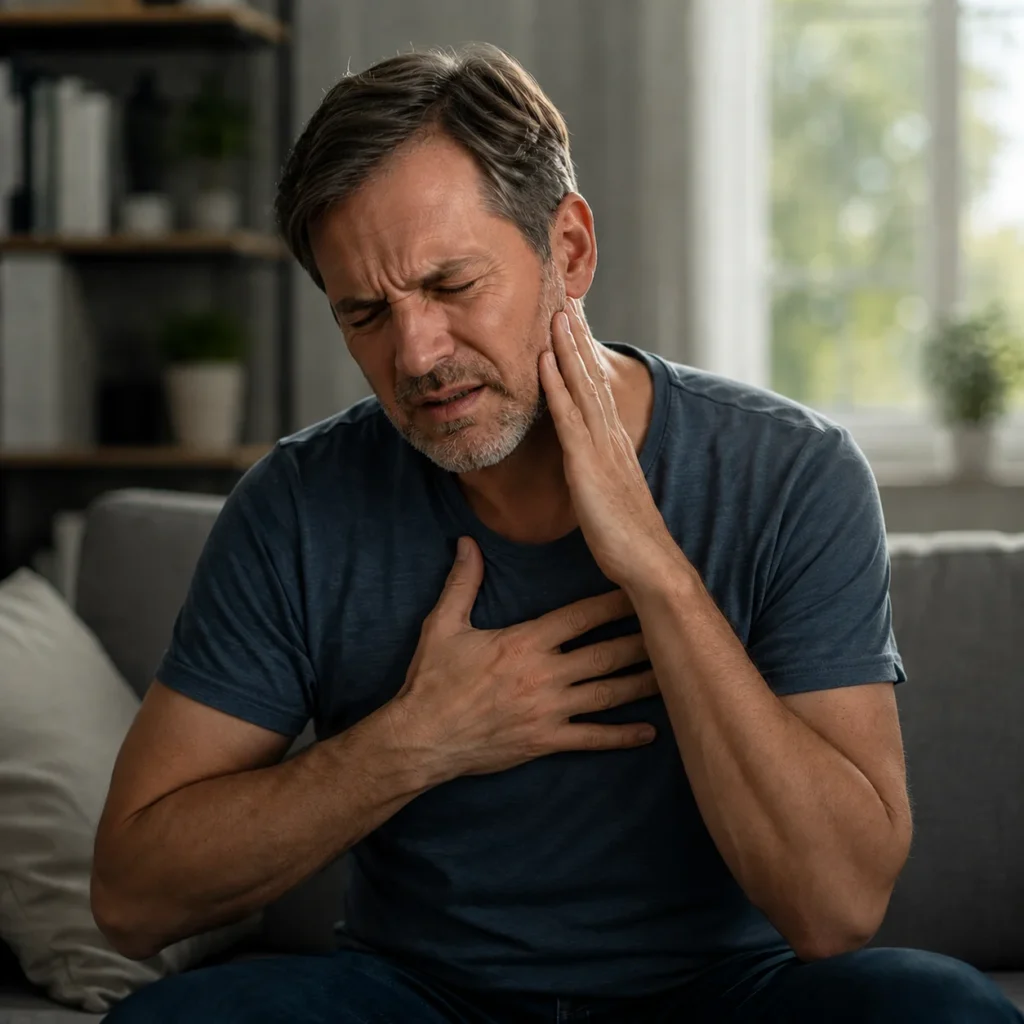
The connection between the chest, arm, and jaw is purely neurological. Your vagus nerve and various spinal nerves relay signals from the heart muscle directly to the brainstem.
Because these same pathways carry sensory data from the jaw and upper limbs, signal crossover occurs during a crisis. Understanding this biological wiring helps demystify why a blocked coronary artery makes your teeth hurt.
Examining Symptoms in Women
Medical science has definitively proven that women often experience cardiovascular emergencies differently than men. While many women still feel chest pressure, they are significantly more likely to present with atypical signs.
For instance, extreme, unexplained fatigue that lasts for days is a prominent warning sign. Furthermore, women frequently report severe nausea, vomiting, dizziness, and sharp upper back discomfort instead of classic arm radiation.
Recognizing Symptoms in Men
Men generally present with the classic textbook symptoms most frequently depicted in media and older medical literature. The crushing chest pressure, often described as an “elephant sitting on the chest,” is overwhelmingly common.
Additionally, the direct radiation of this heavy ache down the left arm or up into the left jaw is a classic male presentation. Profuse, cold sweating and sudden shortness of breath usually accompany these primary symptoms.
Determining Which Side the Discomfort Occurs
Because the heart sits slightly to the left of your sternum, symptoms predominantly affect the left side of the body. The left arm, left shoulder, and left side of the neck are the most common radiation points.
However, it is entirely possible to experience symptoms squarely in the center of the chest or even on the right side. Never dismiss severe upper body discomfort simply because it does not sit exclusively on the left.
Fluctuating Symptoms
A common misconception is that a cardiovascular event strikes suddenly with maximum, unrelenting intensity. In reality, the discomfort frequently comes and goes during the early stages of an infarction.
You might feel mild chest tightness that fades after a few minutes, only to return stronger an hour later. This fluctuating pattern indicates a coronary artery that is aggressively spasming or partially clotting.
Silent Myocardial Infarctions
Astoundingly, a massive cardiovascular event is not always acutely painful. We clinically refer to these events as “silent” infarctions, and they are incredibly dangerous.
They most frequently occur in older adults and patients with long-standing diabetes, due to underlying nerve damage (neuropathy). These patients might only feel mildly fatigued or slightly out of breath while their heart muscle actively suffers.
Early Warning Signs a Month Before
Your body often provides subtle clues weeks before a major coronary artery fully occludes. Paying attention to these early whispers can literally save your life and prevent permanent muscle damage.
Profound exhaustion after performing routine, daily tasks is a major indicator of declining cardiac output. Additionally, mild chest twinges during exercise or sudden, unexplained sleep disturbances warrant immediate medical investigation.
Female-Specific Warning Signs
In the weeks leading up to an event, women frequently report a unique set of pre-infarction symptoms. Extreme, flu-like exhaustion that prevents them from completing normal activities is highly reported.
Similarly, chronic indigestion, subtle lower jaw aching, and generalized anxiety often precede the main event. If these symptoms appear suddenly and without a clear cause, schedule a cardiology consultation promptly.
Male-Specific Warning Signs
Men typically experience a more direct progression of cardiovascular symptoms in the days preceding an emergency. They often notice a distinct decrease in their physical stamina and exercise tolerance.
Mild chest pressure that resolves with rest (stable angina) may slowly begin occurring more frequently. Unprovoked cold sweats and bouts of sudden dizziness are also critical warning signs for men.
Why You Cannot Diagnose a Cardiac Event at Home
As a physician, I must stress that you absolutely cannot rule out a myocardial infarction from your living room. The symptoms overlap too heavily with harmless conditions like heartburn, muscle strain, or panic attacks.
The only definitive way to diagnose an active infarction is with a clinical electrocardiogram (ECG) and specialized blood tests. Attempting to wait out the symptoms at home is the most fatal mistake a patient can make.
Underlying Causes of a Myocardial Infarction
To prevent an emergency, we must understand the fundamental biological causes. A myocardial infarction occurs when a coronary artery becomes completely blocked, starving the muscle of oxygen.
This blockage is almost always caused by the sudden rupture of a cholesterol-filled plaque within the artery wall. When the plaque ruptures, a blood clot forms instantly, sealing off vital blood flow to the heart tissue.
Emergency Treatment and Interventions

Upon arriving at the emergency department, the medical team will work rapidly to restore your blood flow. Immediate treatments often include strong blood thinners, aspirin, and nitroglycerin to open the vessels.
Subsequently, cardiologists usually perform an emergency cardiac catheterization to physically locate the arterial blockage. They then deploy a tiny wire mesh stent to hold the artery open and permanently restore circulation.
Debunking Common Cardiac Myths
A dangerous myth is that you must experience level-ten, agonizing torment to be having a true emergency. In reality, many patients describe the sensation as a dull, uncomfortable ache rather than sharp agony.
Another pervasive myth is that only the left arm is ever affected during an episode. While less common, the discomfort can easily radiate down the right arm, or even affect both arms simultaneously.
Frequently Asked Questions
Where does a cardiac event hurt the most?
The most intense sensation is usually located directly in the center or slightly to the left of the chest. However, this heavy pressure frequently radiates, causing significant discomfort in the left arm, jaw, neck, or upper back.
Can the symptoms be mild?
Yes, absolutely. Many patients, especially women, diabetics, and the elderly, experience very subtle or mild symptoms. They might only feel a slight indigestion-like ache, mild fatigue, or a fleeting shortness of breath.
Is the discomfort always on the left side?
No, it is not exclusively a left-sided phenomenon. While the left arm and left chest are the most common areas, sensations can easily occur in the center of the chest, the right arm, or between the shoulder blades.
Does the pain always start suddenly?
Not necessarily. While some cardiac events are sudden and intense, many start slowly with mild pain or discomfort. These warning signs can come and go for several hours or even days before a major event occurs.
Can the discomfort feel like a muscle strain?
Yes, it often can. Many people mistake cardiac pressure for a simple pulled muscle in the chest or upper back. However, unlike a muscle strain, this discomfort usually does not change or improve when you move your body or change positions.
Conclusion
Understanding the precise heart attack pain areas is an essential piece of medical knowledge that everyone should possess. Throughout my medical career, I have seen patients thrive because they recognized a subtle jaw ache or back pain as a cardiac warning.
Conversely, I have seen tragic outcomes when individuals ignored radiating arm discomfort, assuming it was just a pulled muscle. Your body uses a complex network of nerves to signal distress, meaning a blocked coronary artery rarely just causes isolated chest discomfort.
The biological reality is that cardiovascular disease does not discriminate, and its symptoms are incredibly diverse. Men must remain vigilant for the classic signs of crushing central pressure and left-sided radiation.
Meanwhile, women must be fiercely proactive if they experience profound fatigue, unexplained nausea, or strange upper back aches. Acknowledging these gender differences in symptom presentation is a massive leap forward in modern preventive cardiology.
Ultimately, your survival during a cardiovascular crisis depends entirely on your reaction time. Do not attempt to be a hero, and never try to diagnose yourself using the internet while experiencing active symptoms.
If you feel sudden pressure, heaviness, or strange, radiating aches in your upper body, you must immediately seek professional emergency care.
Modern medicine possesses incredible tools to halt a myocardial infarction and save your heart muscle, but we cannot help you if you stay home. Listen to your body, respect the warning signs, and always err on the side of caution when your cardiovascular health is on the line.
Evidence-Based References:
- American Heart Association (AHA) – Warning Signs of a Heart Attack
- Centers for Disease Control and Prevention (CDC) – Heart Attack Symptoms, Risk, and Recovery
- Mayo Clinic – Heart Attack Symptoms and Causes
- Cleveland Clinic – Heart Attack (Myocardial Infarction) Overview & Symptoms
- National Heart, Lung, and Blood Institute (NHLBI) – Heart Attack Warning Signs
Related Posts




MORE from Author
Read More As a physician specializing in exercise science and public health, I regularly consult patients who feel completely lost in the…
 Just last week, a 34-year-old patient named Clara sat in my clinic, feeling entirely overwhelmed by the modern fitness industry.…


 Hello, I am Dr. Kenji Sato, MD, specializing in sports medicine and performance optimization. In my sports clinic, I constantly…
- In my clinical practice as a physician focused on exercise science, I often tell patients that mastering fitness bench workouts…