Fitness Obliques: Best Exercises for Core Strength, Stability & Definition
As a physician focusing on exercise science, I frequently treat patients who complain of chronic lower back pain and poor athletic mobility. Just last month, I evaluated a patient named Mark, an avid runner whose rotational weakness was causing severe spinal compensation.
I explained to him that simply doing traditional crunches wasn’t enough; he needed to specifically target his fitness obliques to stabilize his pelvis. By implementing a targeted rotational core routine, Mark completely resolved his back pain, improved his running times, and built a much stronger, more resilient midsection.
TL;DR (The Quick Answer)
- Obliques are key core muscles responsible for torso rotation and spinal stability.
- Train them using twisting, bending, and targeted anti-rotation exercises.
- Combine bodyweight and weighted movements for optimal muscle growth.
- Strengthening obliques improves posture, athletic performance, and spine health.
- Spot fat loss is not possible; pair oblique training with overall fat loss strategies.
What Are the Obliques? (Muscle Anatomy)
When discussing fitness oblique muscles, we are actually talking about two distinct layers of muscle located on the sides of your abdomen.
The external obliques are the visible, superficial muscles that run diagonally downward toward your pelvis. They are primarily responsible for rotating your torso and bending sideways.
Beneath them lie the internal obliques, which run diagonally upward in the opposite direction. Together, these complex layers act like a muscular corset for your midsection.
If you want to know what exercises work the obliques, you must understand that they engage optimally during twisting motions and when actively resisting spinal rotation.
Why Core and Oblique Training is Important
Many people chase aesthetic goals, but the physiological importance of oblique training cannot be overstated in a clinical setting.
Your obliques connect your lower ribcage to your pelvis, functioning as the primary functional stabilizers for your entire trunk. Without them, your spine would be vulnerable to catastrophic rotational injuries.
A strong set of obliques prevents excessive lower back arching and absorbs heavy impact during dynamic movements. Whether you are swinging a golf club, carrying heavy groceries, or simply getting out of bed, your obliques are the vital bridge transferring power safely between your upper and lower body.
What Exercise Works the Obliques Best?
Patients often ask me, “What is the single best exercise for obliques?” The truth is that no single movement covers every functional angle of these complex, multi-layered muscles.
However, exercises like Russian twists, side planks, and cable woodchoppers consistently rank among the most biomechanically effective.
These specific movements force the core to either actively rotate against resistance or resist rotation under tension. Anti-rotational exercises, in particular, are highly recommended by sports medicine professionals because they build immense strength without unnecessarily wearing down the spinal discs.
Best Exercises for Stronger Obliques
To build comprehensive core strength, you need a diverse arsenal of functional movements. When compiling the best exercises for stronger obliques, I ensure a mix of isometric holds, dynamic rotations, and weighted resistance. Here are the top exercises for building bulletproof oblique strength.
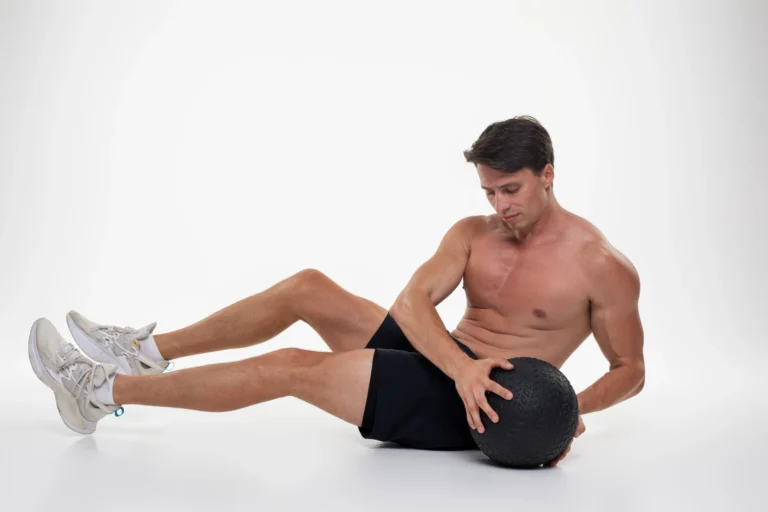
Russian Twists
This is a classic rotational movement. Sit on the floor, lean back slightly to engage the core, and lift your feet. Rotate your torso from side to side, touching the floor beside your hips. Keep your spine straight to avoid lumbar compression.
Side Plank
The side plank is a foundational isometric hold. Prop yourself up on one forearm and the side of your foot, lifting your hips to form a straight line. This forces the obliques to fire continuously to fight gravity. It is widely considered one of the best exercises for oblique stabilization.
Bicycle Crunches
Lie on your back and bring your opposite elbow to your opposite knee in a pedaling motion. This simultaneously engages the upper abs, lower abs, and the obliques dynamically. Focus on the actual twist of the torso rather than just yanking your neck forward with your hands.
Cable Woodchoppers
Using a cable machine or resistance band, pull the weight diagonally across your body from high to low (or low to high). This mimics functional, real-world rotational power. It requires immense, controlled engagement from both the internal and external obliques to decelerate the weight.
Hanging Leg Raises with a Twist
Hang from a secure pull-up bar and raise your knees toward your chest, twisting them to one side at the very top of the movement. This requires tremendous lower abdominal and oblique strength. It is an advanced movement that heavily targets the entire core musculature.
Spiderman Push-Ups
While performing a standard push-up, bring one knee out to the side to touch your elbow as you lower your body. This engages the obliques to stabilize the shifting hips while adding a lateral crunch. It is an excellent hybrid upper-body and core strength exercise.
Pallof Press
This is a premier anti-rotation exercise. Stand perpendicular to a cable machine, holding the handle tightly at your chest. Press the cable straight out in front of you. The obliques must fire intensely to prevent the cable from twisting your torso back toward the machine.
Heel Touches (Penguin Crunches)
Lie on your back with knees bent and feet flat on the floor. Crunch your shoulders slightly off the floor and reach alternately for your left, then right heel. This forces a lateral flexion of the spine, aggressively targeting the external obliques.
Best Oblique Weight Lifting Exercises
Bodyweight movements are excellent for beginners, but adding external resistance is absolutely necessary for true muscle hypertrophy. The best oblique weight lifting exercises incorporate dumbbells, kettlebells, and barbells to progressively overload the muscle fibers over time.
Dumbbell Side Bends
Hold a heavy dumbbell in one hand and stand straight. Slowly bend at the waist toward the side, holding the weight, then contract the opposite oblique to pull yourself back upright. Avoid holding weights in both hands simultaneously, as they counterbalance each other and defeat the purpose.
Barbell Landmine Rotations
Place one end of a barbell securely in a corner or a specialized landmine attachment. Hold the other end with both hands, arms fully extended. Rotate the barbell in an arc from one hip, over your head, to the other hip. This is unparalleled for explosive, athletic rotational power.
Weighted Russian Twists
As mentioned earlier, holding a heavy kettlebell or a cast-iron weight plate during Russian twists vastly increases the metabolic demand on the muscles. Ensure the rotation comes strictly from the thoracic spine (upper back) rather than forcing the lower back to twist uncomfortably.
Oblique Exercises Using Gym Equipment
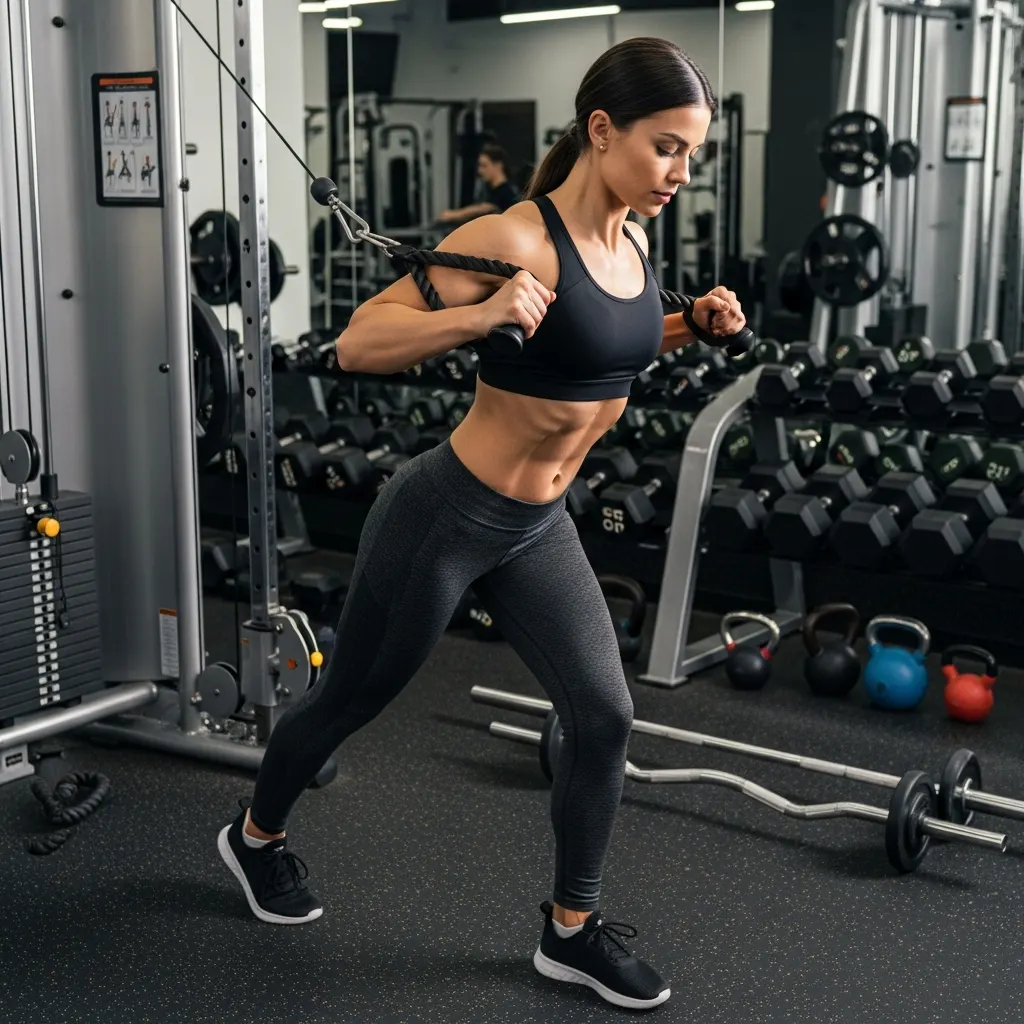
While bodyweight movements are foundational, utilizing specialized gear can accelerate your progress. Using muscle and fitness obliques cable machine setups allows for constant tension throughout the entire range of motion, which is something free weights cannot always provide.
One of the most effective machine-based movements is the cable woodchopper. By adjusting the pulley to high, medium, or low positions, you can target the muscle fibers from multiple angles. This specific equipment allows for precise tracking of your strength gains, making it easier to apply progressive overload.
Another excellent tool is the Captain’s chair. While typically used for leg raises, adding a lateral twist at the top of the movement turns it into an elite oblique builder.
Most gyms also house a seated torso rotation machine; however, I advise my patients to use light weights and controlled movements here to avoid excessive shearing forces on the spinal discs.
Oblique Workout at Home (No Equipment)
You do not need a commercial gym to build a strong, functional core. An oblique workout at home can be just as effective if you focus on high-intensity intervals and proper form. Many of my patients who travel frequently rely on these movements to maintain their spinal health.
Side planks are the gold standard for home-based training. To increase the difficulty, you can perform side plank dips or “thread the needle” by reaching your top arm under your torso. These variations increase the demand on the deep stabilizing layers of your core.
Mountain climbers with a cross-body twist are another powerhouse movement. By bringing your right knee toward your left elbow, you engage the obliques dynamically while keeping your heart rate elevated. This metabolic boost is excellent for improving overall cardiovascular health alongside core definition.
Internal and Lower Oblique Exercises
When we dive into specific types of core training, we must distinguish between the layers. The best exercises for internal oblique muscles often involve stabilizing the pelvis against uneven loads. Because the internal obliques are deeper, they respond best to “anti-movement” patterns.
Internal Oblique Exercises for Beginners
For those just starting, I recommend the “dead bug” with a lateral press. Lie on your back and, while performing the standard leg and arm extensions, have a partner (or use a wall) apply pressure to the side of your knee. This forces the internal obliques to fire to maintain a neutral spine.
Lower Oblique Exercises
While the “lower oblique” isn’t a separate muscle, many people refer to the lower portion of the external oblique and its transition into the hip area. To target this “V-taper” region, focus on movements that bring the pelvis toward the ribs rather than the ribs toward the pelvis.
The reverse crunch with a twist is the premier exercise for this area. As you lift your hips off the floor, rotate your knees slightly to one side. This creates a powerful contraction in the lower portion of the abdominal wall, improving both aesthetic definition and functional pelvic stability.
Oblique Exercises for Weight Loss
A common misconception I hear in my clinic is that doing oblique exercises for weight loss will melt fat directly off the waistline. I must be clear: spot reduction is a biological myth. You cannot “burn” fat off your sides by doing hundreds of side bends.
However, an oblique lean exercise routine is vital because it builds the underlying muscle that gives the waist its shape. When you eventually reach a lower body fat percentage through a calorie deficit, the muscle you’ve built will provide the “toned” look most people desire.
Furthermore, core muscles are metabolically active tissues. The more muscle mass you maintain in your midsection, the higher your resting metabolic rate will be. This makes it easier to maintain weight loss in the long term, provided your nutrition is on point.
How to Strengthen Obliques Effectively
If you want to know how to strengthen obliques for the long haul, you must treat them like any other muscle group. This means they require a combination of frequency, intensity, and recovery. I generally recommend training the obliques 2–3 times per week.
Engagement is the most overlooked factor. Before you begin any fitness obliques movement, you must “brace” your core as if someone were about to punch you in the stomach. This pre-activation ensures that the obliques are doing the work rather than your hip flexors or lower back.
Progressive overload is also essential. Once you can easily perform 15–20 repetitions of a bodyweight exercise, you must add resistance. This can be as simple as holding a gallon of water during Russian twists or increasing the weight on the cable machine.
Sample Oblique Workout Routine
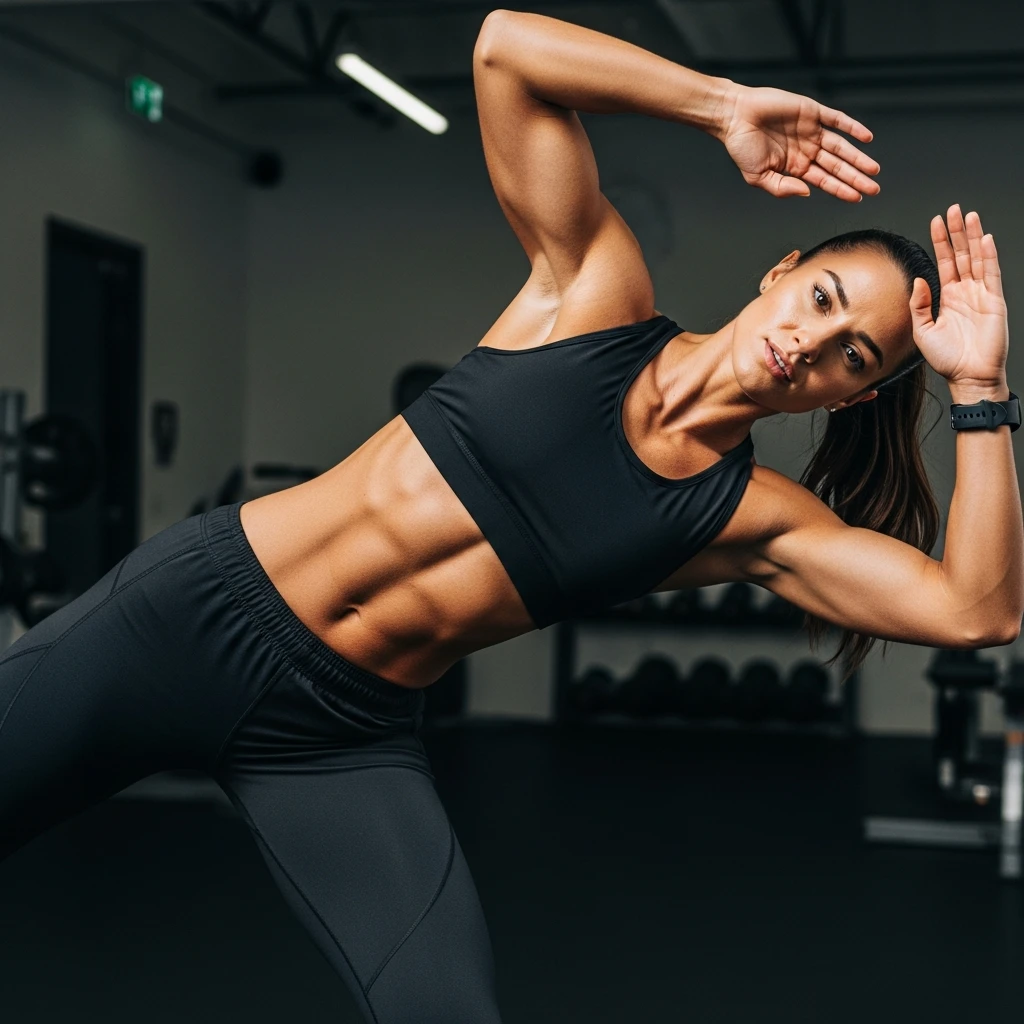
To help you get started, I’ve designed two routines that I often provide to my patients depending on their current fitness level. Consistency is more important than intensity when you are first beginning.
Beginner Oblique Routine
- Side Plank: 3 sets of 30 seconds per side.
- Bicycle Crunches: 3 sets of 15 repetitions per side.
- Heel Touches: 3 sets of 20 repetitions.
- Bird-Dog: 3 sets of 10 repetitions per side (for stability).
Intermediate/Advanced Oblique Routine
- Cable Woodchoppers: 4 sets of 12 repetitions per side.
- Weighted Russian Twists: 4 sets of 20 repetitions.
- Hanging Leg Raises with Twist: 3 sets of 10 repetitions.
- Pallof Press: 3 sets of 12 repetitions (focusing on the hold).
What Is “Killer Core” Training?
In recent years, the term what is killer core has gained popularity in fitness circles. In a clinical context, this refers to high-intensity, functional core training that engages multiple muscle groups simultaneously. It moves beyond isolated crunches.
A “killer core” workout usually involves compound movements like renegade rows or medicine ball slams. These exercises require the obliques to stabilize the entire body while the limbs are moving explosively. This is the ultimate form of training for athletes and those looking for maximum caloric burn.
Can Ab Workouts Fix Diastasis Recti?
This is a critical medical question. Diastasis recti is the separation of the abdominal muscles, often occurring after pregnancy. When patients ask, “Can ab workouts fix diastasis recti?”, the answer is a cautious “yes,” but you must avoid traditional exercises.
Standard crunches and heavy twisting can actually make the separation worse by increasing intra-abdominal pressure.
Instead, you must focus on deep transverse abdominis engagement and specialized oblique “cinching” movements. Always consult a physical therapist before starting a routine if you suspect you have this condition.
Can a 60-Year-Old Woman Get a Six-Pack?
I am often asked, “Can a 60-year-old woman get a six-pack?” while reviewing bone density or cardiovascular health. The answer is absolutely yes. While skin elasticity and metabolism change with age, muscle tissue remains responsive to resistance training throughout your entire life.
In fact, oblique training is arguably more important as we age. It protects the spine from falls and improves balance. For my older patients, I focus more on side planks and Pallof presses to build stability without putting unnecessary stress on aging spinal joints.
Reddit Insights and Common Mistakes
When browsing Reddit fitness obliques threads, I often see users complaining that their waist is “getting too wide.” This usually happens when people over-train the obliques with extremely heavy side bends.
If your goal is a tapered waist, focus on high-repetition endurance training for the obliques and heavy lifting for your upper back and shoulders. This creates the visual “V-taper” without over-developing the lateral thickness of the midsection.
The most common mistake is “neck cranking.” Many people pull on their heads during bicycle crunches or twists. This doesn’t help your core; it only strains your cervical spine. Always keep your chin tucked and lead the movement with your ribcage, not your elbows.
Frequently Asked Questions
What is the best oblique exercise?
The “best” exercise depends on your goal, but for overall activation, the Side Plank and Cable Woodchopper are top-tier. They provide a combination of isometric stability and functional rotational power that most other moves lack.
How often should you train obliques?
For most people, 2–3 times per week is the “sweet spot.” This allows for adequate muscle protein synthesis and recovery. Avoid training them every single day, as the core muscles need rest just like your chest or legs.
Do oblique exercises burn belly fat?
No, they do not. While they strengthen the muscle, they do not selectively burn the fat covering that muscle. You must combine these exercises with a consistent calorie deficit and cardiovascular activity to see visible definition.
Can beginners train obliques safely?
Absolutely. In fact, I recommend it to all my beginner patients to prevent future back injuries. Start with static holds like side planks before moving on to dynamic twisting movements to ensure your spine is properly supported.
What’s the fastest way to strengthen obliques?
The fastest way is through a combination of weighted resistance (like cables) and anti-rotational holds (like the Pallof press). This dual approach forces the muscles to adapt to both moving weight and resisting it.
Conclusion
Mastering your fitness obliques is a journey that pays dividends in both aesthetics and long-term physical health. From my perspective as a physician, a strong core is the best insurance policy you can have against the aches and pains of aging.
Whether you are a runner like my patient Mark or someone simply looking to feel more confident at the beach, these exercises are the key.
Remember that progress takes time. You may not see “shredded” sides in a week, but you will feel the difference in your posture and your stability almost immediately. Focus on the quality of your movements, stay consistent with your routine, and always prioritize the health of your spine over the intensity of the lift.
Authoritative References:
- ResearchGate (2026): Acute Effects of Oblique Sling Exercise on Core Stability and Trunk Muscle Strength in Healthy Adults
- MDPI – Medicina (2025): Effects of Core Stability Training on Deep Stabilizing Muscle Function and Neuromuscular Control
- Mayo Clinic (2025): Core Exercises: Why You Should Strengthen Your Core Muscles.
- Harvard Health (2025): The Many Benefits of the “Dead Bug”
- American College of Sports Medicine (ACSM): Landmark 2026 Resistance Training Guidelines
Related Posts
MORE from Author
Read More As a physician specializing in exercise science and public health, I regularly consult patients who feel completely lost in the…
 Just last week, a 34-year-old patient named Clara sat in my clinic, feeling entirely overwhelmed by the modern fitness industry.…
 Hello, I am Dr. Kenji Sato, MD, specializing in sports medicine and performance optimization. In my sports clinic, I constantly…
- In my clinical practice as a physician focused on exercise science, I often tell patients that mastering fitness bench workouts…