Non-Invasive Blood Sugar Monitor: What You Need to Know Before Buying
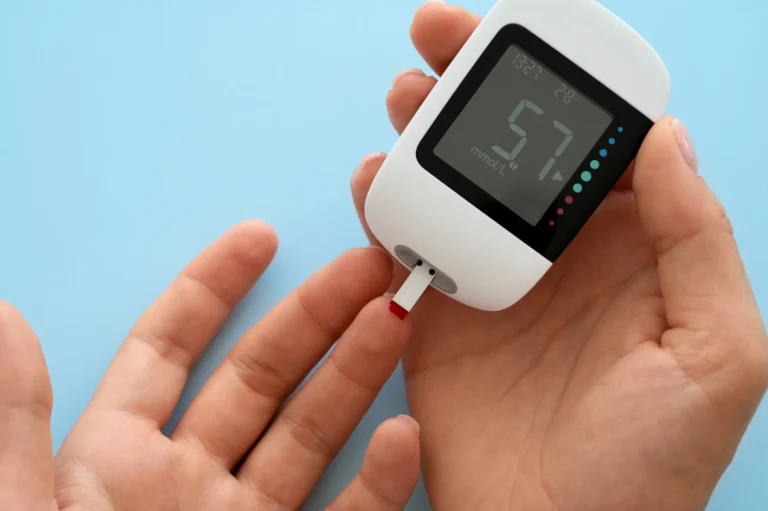
Living with diabetes often means dealing with daily finger pricks. Naturally, many people are desperately searching for a pain-free, non invasive blood sugar monitor. The idea of measuring glucose without needles is incredibly appealing.
Consequently, the demand for a non-invasive blood sugar monitor without finger pricks has skyrocketed. People want the convenience of wearable tech combined with vital health tracking. However, navigating this new technology requires extreme caution.
Are these new devices actually safe and reliable? Unfortunately, the internet is flooded with misleading claims and unverified products. Let’s explore exactly how these monitors work and whether they are worth your money.
What Is a Non-Invasive Blood Sugar Monitor?
First, we need to understand exactly what a non invasive blood sugar monitor is. Simply put, it is a device designed to measure your glucose levels without breaking the skin.
Traditional non-invasive glucose meters aim to eliminate the need for lancets and test strips. Instead of drawing a drop of blood, they rest on the surface of your skin. This is completely different from a standard finger-stick meter.
A traditional meter directly analyzes the glucose concentration in your capillary blood. Conversely, a non-invasive device tries to estimate your blood sugar through your skin tissue.
This fundamental difference in measurement technique is crucial. While the goal is a pain-free experience, the method introduces significant engineering challenges. Therefore, understanding this distinction helps you set realistic expectations for these devices.
Is There a Truly Non-Invasive Blood Sugar Monitor?
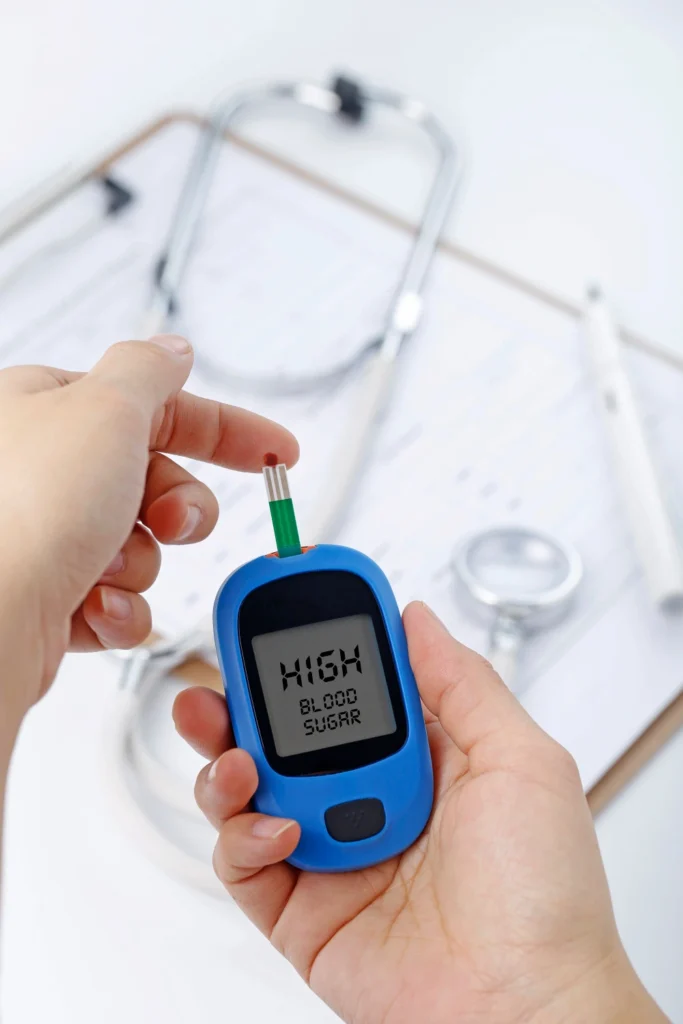
This is the most common question I hear in my clinic. Patients constantly ask, “Is there a non-invasive blood sugar monitor that actually works right now?” The current market reality is quite complicated.
As of right now, the U.S. Food and Drug Administration (FDA) has not fully approved any truly non-invasive smartwatch for medical diabetes management. While many companies claim to sell an FDA-approved non-invasive glucose meter, these claims are often misleading.
Some devices have clearance for “wellness tracking,” but not for making medical dosing decisions. If you take insulin, relying on an unapproved device is incredibly dangerous.
Recently, a patient of mine, David, bought a cheap smart ring online. It promised needle-free glucose tracking. However, the ring frequently reported his sugar was normal when he was actually experiencing severe hypoglycemia. This real-life example highlights why regulatory approval is absolutely essential.
How Do Non-Invasive Blood Sugar Monitors Work?
The technology behind these devices sounds like science fiction. So, how exactly does a non invasive blood sugar monitor work? Most devices rely on advanced sensors that beam light through your skin.
A non invasive blood sugar monitor watch usually uses optical sensors or near-infrared technology. These sensors shine specific wavelengths of light into the tissue on your wrist or finger.
The light interacts with the interstitial fluid right below your skin. Glucose molecules scatter and absorb this light in a specific way. Consequently, the sensor reads the reflected light bouncing back.
Finally, a complex algorithm calculates an estimated glucose level based on that light reflection. Some newer models also try to measure glucose using radio frequency or analyzing sweat. While the technology is fascinating, translating light reflection into an accurate medical number is very difficult.
Are Non-Invasive Blood Sugar Monitors Accurate?
This is the most important section of this entire guide. You must know: how accurate is a non invasive blood sugar monitor? The hard truth is that their accuracy is currently very limited.
Patients often ask, ” Does a non invasive blood sugar monitor work as well as a traditional meter?” No, it does not. Traditional meters and standard continuous glucose monitors (CGMs) have strict clinical validation.
According to guidelines from the National Institute for Health and Care Excellence (NICE), diabetes devices must meet specific accuracy standards. Non-invasive optical sensors struggle with this because skin thickness, sweat, and even skin color interfere with the light readings.
Therefore, these devices are highly prone to false readings. They might show a normal trend, but they miss rapid drops or spikes in blood sugar. Consequently, relying on them for medical decisions can lead to incorrect medication doses.
Best Non-Invasive Blood Sugar Monitors
If you are determined to explore this technology, you need a buyer’s guide. Finding the best non invasive blood sugar monitor requires looking past the marketing hype.
Many people search for non invasive glucose monitor reviews online and get overwhelmed. Major tech companies are racing to perfect this. For example, Apple and Samsung are heavily investing in optical glucose sensors, but neither has released a medical-grade version yet.
Companies like Omron focus primarily on blood pressure but are researching integrated glucose tracking. There are also rumors about a Bayer non invasive blood sugar monitor, but traditional medical companies are moving very cautiously.
Currently, smaller startups like Glucomax or the Uband noninvasive blood glucose meter appear in online ads. However, as a physician, I cannot recommend these off-brand devices for actual medical use. Their clinical trial data are usually weak or non-existent.
| Brand Focus | Current Status | Medical Reliability |
| Apple/Samsung | In R&D Phase | Not yet FDA-approved for glucose |
| Omron/Bayer | Researching integration | Focus remains on traditional medical tech |
| Online Startups | Selling “wellness” devices | Low/Unsafe for insulin dosing |
Non-Invasive Glucose Watches: Are They the Future?
Diabetic glucose watch monitors are incredibly popular right now. People love tracking their steps, heart rate, and sleep directly on their wrists. Therefore, a non invasive blood sugar monitor watch seems like the next logical step in wearable technology.
Major tech giants are currently spending billions to develop this exact technology.
However, measuring blood sugar through the wrist is incredibly complex. First of all, the skin on your wrist is thick and constantly moving. Consequently, getting a clear optical reading is extremely difficult for these tiny sensors.
Furthermore, sweat, skin temperature, and body hair also block the sensor light. Measuring your heart rate is relatively easy because your pulse physically throbs. In contrast, glucose molecules silently float in your fluid, making them much harder to detect.
While the future potential is undeniably huge, the current limitations are very real. These watches cannot safely replace your prescribed medical devices yet. They simply lack the clinical precision required for diabetes care.
Non-Invasive Blood Sugar Monitor Price and Availability
If you decide to buy non invasive glucose meter devices, you must understand the financial risks. The non invasive blood sugar monitor price varies wildly across the internet. You will easily find cheap smartwatches advertised for as little as $30. Conversely, advanced clinical research devices can cost thousands of dollars.
Many curious patients search for a non invasive blood sugar monitor Amazon option. You will definitely find dozens of generic, imported models there. However, these budget options are rarely evaluated by medical professionals.
Therefore, buying them is usually a complete waste of your money. More importantly, your health insurance will not cover these unapproved gadgets. Medicare and private insurers only pay for FDA-approved CGMs and standard finger-stick meters.
I strongly advise against buying random health technology from unverified third-party sellers. Always protect your wallet and your health by consulting your doctor first.
Are Non-Invasive Glucose Monitors Legit or Marketing Hype?
You might be wondering, are non-invasive glucose monitors legit? Right now, most online advertisements are purely marketing hype. Unethical companies frequently target vulnerable patients with flashy videos and false promises. They promise perfect accuracy without ever showing any clinical proof.
First of all, you must always look for published scientific validation. If a company hides its clinical trial data, you should run away. Trustworthy medical companies proudly publish their peer-reviewed studies.
In my clinical practice, I recently faced a terrifying situation with a patient. He decided to abandon his prescribed insulin routine because a cheap “smart ring” told him his glucose was perfectly fine. Consequently, he ended up in the emergency room with severe ketoacidosis.
His gadget simply guessed his numbers and failed him completely. This real-life crisis proves exactly why you cannot trust marketing hype. Always verify bold medical claims with a licensed healthcare provider.
Finger-Stick vs CGM vs Non-Invasive Monitors
How do these different testing tools actually compare? Are finger monitors for blood sugar accurate compared to CGMs? Yes, standard finger pricks remain the absolute gold standard for real-time accuracy.
A Continuous Glucose Monitor (CGM) sits just under your skin and tracks your glucose trends beautifully. It measures the fluid right below your tissue. In contrast, a non invasive blood sugar monitor just guesses your levels based on surface light reflection.
Therefore, optical monitors rank last in reliability and safety. Let’s look at a clear breakdown of your options.
| Device Type | Accuracy Level | Comfort Level | Estimated Cost |
| Standard Finger-Stick | Very High (real-time blood) | Low (painful pricking) | Low (cheap test strips) |
| Traditional CGM | High (measures tissue fluid) | High (simple wearable) | Medium to High |
| Non-Invasive Gadget | Very Low (optical guessing) | Very High (pain-free) | Varies (often out of pocket) |
Who Should Consider Using Non-Invasive Blood Sugar Monitors?
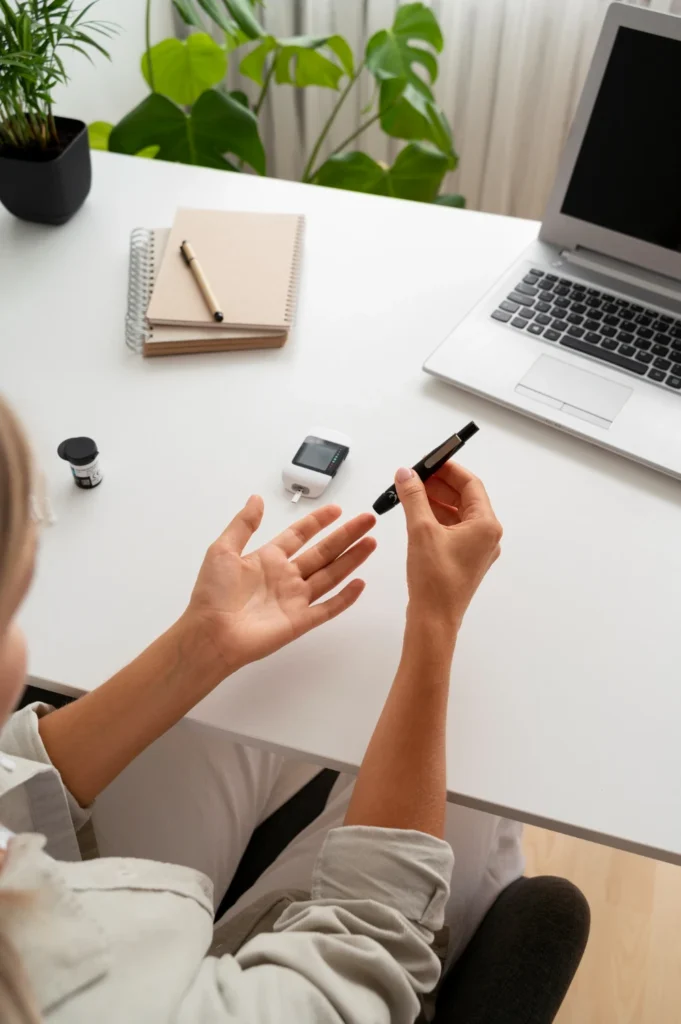
So, who should actually buy these modern gadgets today? If you take insulin for diabetes, you must absolutely skip it. They are simply too dangerous and inaccurate for medical dosing. A wrong reading could cause a fatal insulin mistake.
However, general fitness enthusiasts might find them interesting. If you just want to track broad wellness trends, a non-invasive watch might be a fun toy. Some people use them to see how certain carbs affect their general energy levels.
Prediabetes patients could also use them purely for motivation alongside routine lab work. Still, you must never use them to make serious dietary changes or skip medications.
Until this wearable technology vastly improves, you should stick to proven medical tools. Your daily health is too important for guesswork.
Future of Needle-Free Blood Sugar Monitoring
Could needle-free technology be the future of blood sugar monitoring? I certainly believe so. The global medical industry is definitely not giving up on this dream.
Next-generation sensors will likely use advanced artificial intelligence. AI can help filter out the “noise” caused by sweat, movement, and skin thickness. Furthermore, researchers are currently exploring microscopic needles that you cannot even feel.
These tiny wearable patches might successfully bridge the gap between comfort and accuracy. Additionally, scientists are testing devices that analyze human sweat and tears to track glucose.
Ultimately, a true, medically accurate non invasive blood sugar monitor will eventually hit the pharmacy shelves. We just have to wait patiently for the science to catch up to the marketing.
Frequently Asked Questions
Is there a non-invasive device to measure blood sugar?
Yes, several devices exist on the market today. However, the FDA has not approved any of them for actual medical use. They are currently only sold as novelty wellness trackers.
Are non-invasive glucose monitors accurate?
No, they are not medically accurate yet. Skin variations, body hair, and daily movement easily disrupt their sensitive optical sensors. You cannot trust their readings.
What is the best non-invasive glucose monitor?
Currently, no reliable medical-grade option exists for home use. Major tech brands are still stuck in the intensive research and development phase.
Are glucose watches reliable?
They absolutely cannot safely replace your finger pricks or traditional CGMs. Never use a commercial glucose watch to calculate your daily insulin doses.
Which organ is most affected by diabetes?
Diabetes heavily damages your body’s blood vessels over time. Consequently, your heart, kidneys, nerves, and eyes suffer the most long-term damage from high glucose.
Conclusion
In conclusion, the dream of a perfect non invasive blood sugar monitor remains incredibly exciting. However, the current reality unfortunately falls far short of the online marketing hype. You simply cannot trust your life and your treatment plan to unproven online gadgets.
Until the FDA fully approves these wearable devices, you must stick with your trusted finger pricks and CGMs. The stakes are simply too high to rely on unverified optical sensors. Always talk directly to your healthcare provider before changing your testing routine. Stay informed, stay safe, and keep protecting your metabolic health.
Authoritative References
- U.S. Food and Drug Administration (FDA)—Do Not Use Smartwatches or Smart Rings to Measure Blood Glucose Levels: FDA Safety Communication
- National Library of Medicine (PubMed)—Non-Invasive Glucose Monitoring Using Optical Sensor and Machine Learning Techniques for Diabetes Applications
- National Library of Medicine (PubMed)—Enhancing the Accuracy of Non-Invasive Glucose Sensing in Aqueous Solutions Using Combined Millimeter Wave and Near-Infrared Transmission
- National Library of Medicine (PubMed)—Portable Infrared-Based Glucometer Reinforced with Fuzzy Logic
- ADA News—FDA Warns Against Smartwatches That Claim to Measure Blood Sugar
Related Posts






MORE from Author
Read More As a physician specializing in exercise science and public health, I regularly consult patients who feel completely lost in the…
 Just last week, a 34-year-old patient named Clara sat in my clinic, feeling entirely overwhelmed by the modern fitness industry.…


 Hello, I am Dr. Kenji Sato, MD, specializing in sports medicine and performance optimization. In my sports clinic, I constantly…
- In my clinical practice as a physician focused on exercise science, I often tell patients that mastering fitness bench workouts…