
Do Artificial Sweeteners Raise Blood Sugar? What Science Says (2026 Guide)
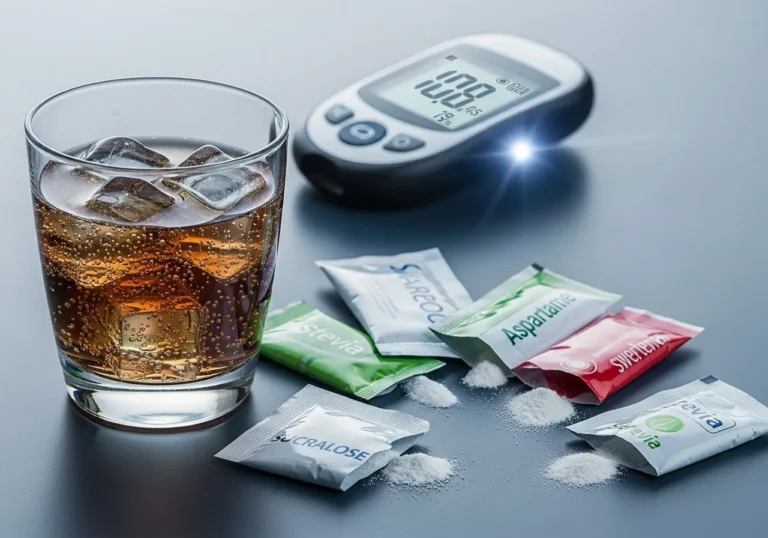
Artificial sweeteners promise the ultimate nutritional loophole: all the sweet taste you crave without the sugar, the calories, or the metabolic consequences. But do they really keep your blood sugar perfectly stable?
Recently, a patient named Robert, who has managed type 2 diabetes for a decade, sat in my office holding his daily diet soda. He looked at me with genuine frustration and asked, “Dr. Kenji Sato, do artificial sweeteners raise blood sugar, or am I just imagining these afternoon glucose spikes?”
His confusion is entirely justified. The internet is flooded with conflicting claims regarding zero-calorie sugar substitutes and their actual metabolic effects. Some experts claim they are perfectly inert, while others warn of hidden insulin spikes and disrupted gut bacteria.
Finding clarity is crucial for anyone trying to manage their weight or diabetes safely. This comprehensive guide breaks down exactly how these substitutes interact with your insulin response, whether they are truly safe for diabetics, and how to use them correctly.
Quick Answer (TL;DR)
- Most artificial sweeteners do NOT directly raise your blood sugar levels because they contain no carbohydrates.
- However, some sugar substitutes may still affect your insulin response, alter your gut microbiome, or increase sugar cravings, potentially influencing glucose indirectly.
- For individuals managing diabetes, moderate use of zero-calorie sweeteners is generally considered safe, but metabolic responses vary significantly from person to person.
Do Artificial Sweeteners Raise Blood Sugar?
When patients ask me this question, they are usually looking for a simple “yes” or “no.” The short answer is generally no—artificial sweeteners do not significantly or directly raise blood sugar levels.
Because they are classified as non-nutritive sweeteners, they do not contain the structural carbohydrates necessary to convert into glucose in your bloodstream. When you drink a diet soda, no actual sugar enters your digestive tract.
However, the human body is deeply complex. While the direct answer to do artificial sweeteners raise blood sugar levels is negative, some individuals may still experience minor glucose fluctuations.
This happens because the sweet taste alone can sometimes trick the brain, or because long-term use changes how the body handles other foods. So, if you are wondering, do artificial sweeteners raise your blood sugar? The answer requires looking beyond just the carbohydrate count.
How Do Artificial Sweeteners Affect Blood Glucose?
To truly understand this topic, we must look at the exact mechanisms inside your body. When we ask how do artificial sweeteners affect blood glucose, we have to separate the immediate, direct effects from the long-term, indirect effects.
Direct Glycemic Impact
The primary reason people use these substitutes is their lack of direct glycemic impact. Sugar (sucrose) is quickly broken down into glucose and fructose, causing an immediate spike in your blood sugar.
In contrast, non-nutritive sweeteners pass through the human digestive system largely unmetabolized. Because there are no carbohydrate molecules to break down, there is no direct mechanism for them to enter the bloodstream as glucose.
Therefore, in the strictest biochemical sense, the answer to do sweeteners raise blood sugar directly is no. They provide a sweet sensation on the tongue but do not contribute to the glucose pool in your blood.
Indirect Metabolic Effects
This is where the science becomes fascinating and slightly complicated. Even without carbohydrates, these compounds can exert indirect metabolic effects on your body.
Recent clinical studies have shown that heavy, long-term use of certain artificial sweeteners can significantly alter the composition of your gut microbiome. These microscopic bacteria play a massive role in how your body extracts calories and manages systemic inflammation.
Furthermore, the intense sweet taste can initiate complex insulin signaling pathways in your brain, even without calories present. This means your body might prepare for a sugar rush that never arrives, subtly altering your metabolic balance over time.
Do Artificial Sweeteners Spike Blood Sugar?

There is a distinct difference between a slow rise in glucose and a rapid spike. Patients frequently ask me, do artificial sweeteners spike your blood glucose after a meal?
For the vast majority of people, consuming a zero-calorie substitute will not cause any significant or measurable spike in blood sugar. Your continuous glucose monitor (CGM) or finger-prick test will likely remain completely flat.
Exceptions exist, however, due to individual metabolic differences. Some people have highly sensitive hormonal responses or underlying gut bacteria variability that makes them uniquely reactive.
If you notice a spike after consuming a sugar-free product, it is crucial to check the ingredient label. Many products blend artificial sweeteners with hidden sugar alcohols (like maltitol) or bulking agents (like maltodextrin), which absolutely can and will spike your blood sugar.
Do Artificial Sweeteners Raise Insulin Levels?
This is arguably the most fiercely debated topic in endocrinology today. Blood sugar is only half of the metabolic equation; insulin is the hormone that actually drives that sugar into your cells.
The Cephalic Phase Response
When you taste something incredibly sweet, your brain instantly anticipates an influx of calories and sugar. This neurological anticipation can trigger what we call a “cephalic phase insulin release.”
Essentially, your pancreas secretes a small amount of insulin simply because your tongue tasted sweetness, expecting sugar to follow. If you are asking, “Do artificial sweeteners trigger insulin, this cephalic response is the primary mechanism behind it.”
Clinical Evidence Overview
The clinical evidence surrounding this phenomenon is heavily mixed. Some tightly controlled studies show that artificial sweeteners have minimal to zero effect on circulating insulin levels.
Conversely, other studies indicate that certain sweeteners (like sucralose) can cause a modest insulin increase, especially in individuals who are already obese or insulin-resistant.
Because insulin is a fat-storage hormone, chronically elevated insulin can hinder weight loss efforts. This is why researchers are actively investigating the question: Do artificial sweeteners raise insulin resistance over decades of daily use?
Why Do Artificial Sweeteners Raise Blood Sugar (Sometimes)?
If these products contain zero carbohydrates, why do artificial sweeteners raise blood sugar in a small subset of patients? The answer lies in secondary mechanisms and human behavior.
First, as mentioned earlier, altered gut microbiome populations can induce a state of mild glucose intolerance. When your gut bacteria shift negatively, your body becomes less efficient at handling the actual carbohydrates you eat later in the day.
Second, there is a powerful behavioral compensation effect. Artificial sweeteners are hundreds of times sweeter than natural sugar. This intense sweetness can drastically increase your overall appetite and sugar cravings.
Many patients unknowingly consume a diet soda, only to feel ravenously hungry an hour later. They then overeat carbohydrate-rich foods, which ultimately causes the blood sugar spike they were trying to avoid in the first place.
Do Artificial Sweeteners Raise Blood Sugar in Diabetics?
This is the most critical section for my patients. When asked, “Do artificial sweeteners raise blood sugar in diabetics, my clinical guidance is generally reassuring but cautious.”
For individuals with type 1 or type 2 diabetes, these substitutes are generally recognized as safe when used in strict moderation. They remain vastly superior to consuming regular, full-sugar beverages or desserts.
However, the relationship between artificial sweeteners and diabetes requires active monitoring. Because diabetics already have compromised metabolic systems, they may be more susceptible to the indirect gut and insulin effects.
I always advise my diabetic patients to consume these products mindfully. You must monitor your individual response, avoid massive overconsumption, and prioritize drinking plain water whenever possible.
Common Artificial Sweeteners and Blood Sugar Effects
Not all zero-calorie sugar substitutes are created equal. They have vastly different chemical structures and interact with your body in unique ways. Some pass through entirely untouched, while others are partially metabolized in the gut.
To help you navigate the grocery store aisles safely, here is a breakdown of the most common options and their observed metabolic impacts.
Detailed Sweetener Comparison
| Sweetener | Blood Sugar Impact | Insulin Effect | Clinical Notes |
| Sucralose (Splenda) | Minimal | Possible slight increase | Heat-stable for baking; some gut microbiome concerns. |
| Aspartame (Equal) | None | Minimal | Common in diet soda; avoid if you have PKU. |
| Saccharin (Sweet’N Low) | None | Mixed evidence | The oldest sweetener; leaves a bitter aftertaste. |
| Stevia | Minimal | May improve sensitivity | Natural plant-derived option; highly recommended. |
Sucralose (Splenda)
Patients constantly ask me, does sucralose raise blood sugar directly? No, it does not contain carbohydrates. However, studies show that frequent use might cause a slight insulin release in some individuals.
If you are wondering if Splenda will raise blood sugar when used in coffee, the powder packets often contain maltodextrin (a carbohydrate filler), which can cause a tiny spike, whereas liquid sucralose will not.
Aspartame (Equal/NutraSweet)
This is the most widely consumed substitute globally, found in nearly all diet sodas. So, does aspartame raise blood sugar? Clinical data strongly show that aspartame has absolutely zero direct effect on blood glucose or immediate insulin levels, making it generally safe for daily glucose management.
Saccharin (Sweet’N Low)
As the oldest artificial sweetener on the market, many older diabetic patients rely on it. When asked if sweet and low raise blood sugar, I reassure them that it passes through the body completely undigested. However, recent microbiome studies suggest heavy saccharin use may negatively alter gut bacteria over long periods.
Stevia
Derived from the leaves of the Stevia rebaudiana plant, this is my preferred recommendation. Not only does it have zero glycemic impact, but some emerging studies suggest it might actually help improve insulin sensitivity after meals.
Do Artificial Sweeteners Cause Weight Gain?
The primary reason people switch to diet products is to lose weight, yet the obesity epidemic continues to rise. This paradox leads patients to ask, “Do artificial sweeteners cause weight gain?” The clinical data are highly conflicting and heavily debated.
On one hand, replacing a 200-calorie sugary soda with a 0-calorie diet soda directly reduces your daily caloric intake. In tightly controlled, short-term trials, this substitution reliably leads to moderate weight loss.
On the other hand, long-term observational studies often show a link between heavy diet soda consumption and weight gain. This is likely psychological. The intense sweetness can increase cravings for high-calorie foods later, causing people to inadvertently overeat and gain weight.
Do Artificial Sweeteners Cause Diabetes?
It sounds counterintuitive, but many newly diagnosed patients ask, do artificial sweeteners cause diabetes? I want to be perfectly clear: there is absolutely no direct causal link between consuming sugar-free substitutes and developing type 2 diabetes.
However, there is a recognized statistical association. People who consume high amounts of artificial sweeteners are often already struggling with their weight or have poor overall dietary patterns.
Furthermore, if a sweetener negatively alters your gut microbiome over a decade, it could theoretically contribute to mild insulin resistance. They do not cause diabetes, but they are not a magical shield against the disease, either.
Do Artificial Sweeteners Cause Inflammation?
Chronic inflammation is the root cause of many metabolic diseases. As research advances, patients are beginning to ask, “Do artificial sweeteners cause inflammation in the body?”
Current evidence suggests that moderate use does not trigger systemic inflammation directly. However, the gut microbiome plays a massive role in regulating your immune system.
If heavy consumption of sucralose or saccharin kills off beneficial gut bacteria, it can lead to gut dysbiosis. This localized gut imbalance can eventually promote low-grade, systemic inflammation over time.
Do Artificial Sweeteners Raise Blood Pressure?
Hypertension is a massive concern for my diabetic patients. Fortunately, when asked do artificial sweeteners raise blood pressure, the direct clinical answer is no. They do not contain stimulants or significant sodium that would constrict your blood vessels.
Any association between diet soda and high blood pressure is entirely indirect. It is usually related to the patient’s overall metabolic health, body weight, and consumption of highly processed, high-sodium foods that often accompany diet beverages.
Which Artificial Sweeteners Do NOT Spike Blood Sugar?
If you want to protect your metabolic health, choosing the right product is essential. Patients always want to know which artificial sweeteners do not spike blood sugar under any circumstances.
The Safest Options
If you are asking what the safest sweetener for diabetics is, I highly recommend naturally derived, non-caloric options. Stevia and Monk fruit extract are excellent because they do not trigger insulin or harm the gut. Erythritol, a sugar alcohol, is also fantastic as it passes through the urine unmetabolized without causing a glucose spike.
Options for Moderate Use
Synthetic options like Sucralose and Aspartame are still safe, but I classify them for moderate use. While they won’t spike your blood sugar directly, their potential long-term effects on the microbiome mean they shouldn’t be consumed in unlimited quantities.
Artificial Sweeteners vs Sugar: Which Is Worse?
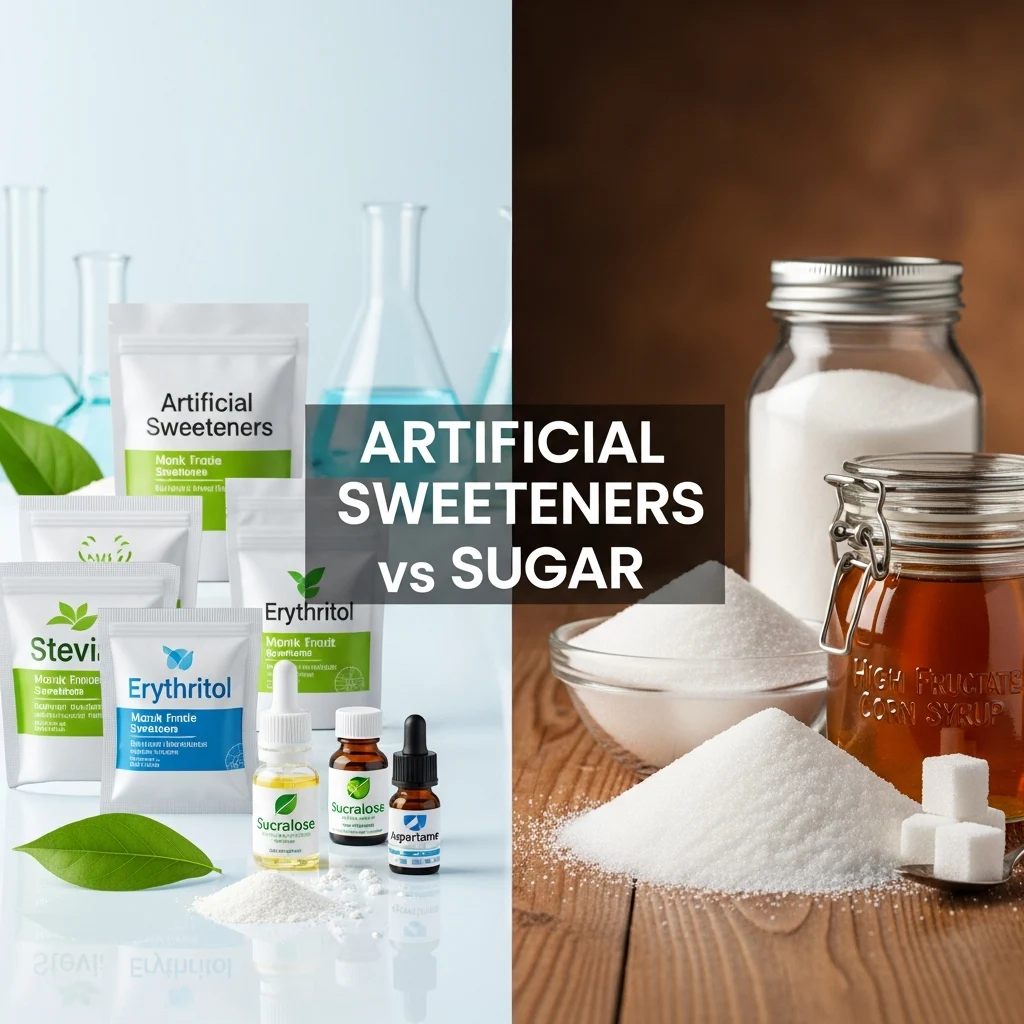
This is the ultimate dietary showdown. When patients ask me which is worse, sugar or artificial sweeteners, my clinical stance remains firm: refined, added sugar is significantly worse for your metabolic health.
Regular sugar (sucrose and high-fructose corn syrup) directly and aggressively raises your blood glucose, spikes your insulin, and converts rapidly into liver fat. It drives the global epidemics of obesity and type 2 diabetes.
While artificial sweeteners may have questionable indirect effects on the gut or cravings, their metabolic impact is minuscule compared to the devastating, direct damage caused by daily, high-dose sugar consumption.
What Is the 15-Minute Rule for Blood Sugar?
Sometimes, diabetic patients try to use diet sodas to fix low blood sugar (hypoglycemia), which is incredibly dangerous. This brings us to a crucial clinical protocol: what is the 15-minute rule for blood sugar?
If your blood sugar drops below 70 mg/dL, you must consume exactly 15 grams of fast-acting carbohydrates (like regular juice or glucose tablets). Artificial sweeteners will do absolutely nothing to save you in this medical emergency.
After consuming the 15 grams of real sugar, you wait exactly 15 minutes and recheck your blood glucose. If it is still low, repeat the process until stabilized.
ADA & Clinical Guidance on Artificial Sweeteners
Navigating nutritional advice is tough, so we rely on major health organizations for consensus. Do artificial sweeteners raise blood sugar? Do ADA guidelines agree with this?
Yes. The American Diabetes Association (ADA) officially recognizes non-nutritive sweeteners as safe and effective tools for replacing sugar-sweetened beverages and foods.
They explicitly state that these substitutes do not directly raise blood sugar. However, the ADA emphasizes that they should be used as a stepping stone toward drinking more water, rather than a permanent crutch for satisfying a sweet tooth.
Practical Tips for Using Artificial Sweeteners Safely
To maximize the benefits and minimize any potential risks, you must use these products strategically. Never rely on them as a primary source of hydration; plain water should always come first.
Use them strictly in moderation—enjoying one diet soda a day is perfectly fine, but drinking a six-pack is not. Always monitor your own blood sugar response with a glucose meter to see how your unique body reacts.
Finally, remember that a diet soda does not cancel out a terrible meal. Combine your safe sweetener use with a high-fiber, whole-food diet for optimal metabolic health.
Frequently Asked Questions (FAQs)
Do artificial sweeteners directly raise blood sugar?
No. Because they do not contain carbohydrates, non-nutritive sweeteners pass through your digestive system without breaking down into glucose. They have little to no immediate, direct effect on your blood sugar levels.
Can artificial sweeteners cause an insulin spike?
In some cases, yes. The intense sweet taste on your tongue can occasionally trick your brain into anticipating sugar, triggering a minor “cephalic phase” insulin release, though this response varies greatly from person to person.
Are zero-calorie sweeteners safe for diabetics?
Yes. Major health organizations, including the American Diabetes Association (ADA), consider artificial sweeteners safe for individuals with diabetes when used in moderation as a replacement for high-sugar foods and beverages.
Which artificial sweeteners are best for blood sugar control?
Natural, non-caloric options like Stevia, Monk fruit extract, and the sugar alcohol Erythritol are generally considered the safest choices. They provide sweetness without triggering an insulin response or negatively altering your gut bacteria.
Can I use diet soda to treat low blood sugar?
Absolutely not. Because artificial sweeteners do not contain real carbohydrates, they will do nothing to raise your glucose levels during a hypoglycemic emergency. You must always use 15 grams of fast-acting real sugar, like regular juice or glucose tablets.
The Expert Conclusion
In my clinical experience, the fear surrounding zero-calorie sugar substitutes is often overblown, but they are not entirely metabolically inert. They do not significantly raise blood sugar directly, making them a highly useful tool for diabetes management.
However, the best overall strategy is not to endlessly substitute sugar with artificial chemicals. You must use them strategically to wean yourself off highly sweetened products while simultaneously adjusting your palate to appreciate natural, unsweetened foods.
If you have diabetes, severe insulin resistance, or metabolic syndrome, please consult your healthcare provider before making any major dietary overhauls. Your treatment plan should always be customized to your unique metabolic needs.
Medical References:
- American Diabetes Association (ADA) – Get to Know Carbs & Sweeteners
- Harvard T.H. Chan School of Public Health – The Nutrition Source: Low-Calorie Sweeteners
- Mayo Clinic – Artificial Sweeteners: Any Effect on Blood Sugar?
- World Health Organization (WHO) – Use of Non-Sugar Sweeteners Guideline
Related Posts






MORE from Author
Read More As a physician specializing in exercise science and public health, I regularly consult patients who feel completely lost in the…
 Just last week, a 34-year-old patient named Clara sat in my clinic, feeling entirely overwhelmed by the modern fitness industry.…


 Hello, I am Dr. Kenji Sato, MD, specializing in sports medicine and performance optimization. In my sports clinic, I constantly…
- In my clinical practice as a physician focused on exercise science, I often tell patients that mastering fitness bench workouts…