
Heart Attack Symptoms (Women vs Men, Early Signs & Emergency Warning Signs)
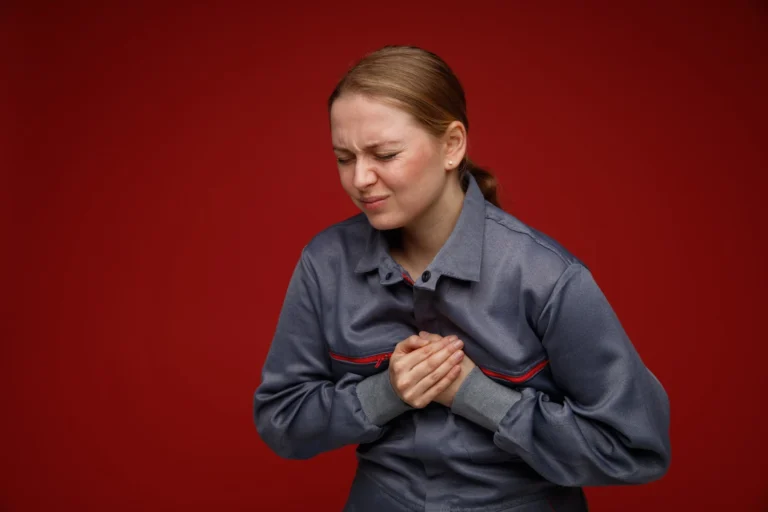
As a board-certified MD, I treat cardiovascular emergencies daily. You must recognize heart attack symptoms early to save your heart muscle. Many people dangerously mistake fatal cardiac events for simple acid reflux.
You need to understand how these life-threatening events actually present in the human body.Genetics and lifestyle play a massive role in your cardiovascular health. However, recognizing the early warning signs gives you the best chance of survival.
This comprehensive clinical guide explains exactly what to look for. We will cover the crucial differences between male and female clinical presentations.
TL;DR: Quick Overview
- Common heart attack symptoms include sudden chest pain, severe shortness of breath, and nausea.
- Women frequently experience atypical symptoms like profound fatigue and radiating jaw pain.
- Silent cardiac events can occur with incredibly mild or entirely unnoticeable signs.
- You must call emergency medical services immediately if any sudden cardiovascular signs appear.
What Are These Cardiovascular Warning Signs?
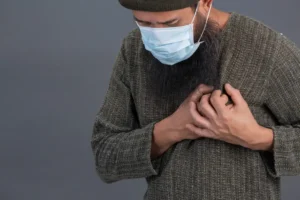
Heart attack symptoms represent your body crying out for immediate oxygen. This medical emergency happens when a blockage stops blood flow to your heart muscle.The classic presentation involves a heavy pressure or squeezing sensation in the chest.
Patients often describe it as feeling like an elephant sitting on their chest.These signs can vary wildly depending on your gender, age, and underlying health conditions. You might feel pain radiating down your left arm or up into your neck.
Cardiac Emergency Signs
Understanding the full spectrum of vascular warning signs is absolutely critical. You should never wait for every single symptom to appear before seeking help.
Classic Indicators
Chest pain or severe pressure remains the most common indicator globally. This crushing pain usually centers right in the middle of your chest.
You may feel this pain radiating down your left arm or into your jaw. Severe shortness of breath often accompanies this intense physical discomfort.
Additional Systemic Signs
Many patients experience intense nausea or sudden vomiting during a cardiac event. You might break out in a cold, clammy sweat for no apparent reason.
Profound lightheadedness or a sudden feeling of dizziness also indicates a severe drop in blood pressure. You must take these systemic bodily changes very seriously.
Cardiovascular Emergencies in Women

Female cardiovascular health requires a highly specialized diagnostic approach. Women actually face a higher mortality rate following their first cardiac event.
This happens largely because female patients often present with entirely different physical indicators. They frequently ignore these subtle signs until massive tissue damage occurs.
Common Female Indicators
Women often report feeling an unusual, crushing fatigue days before the actual event. Simple tasks like making the bed may suddenly leave them breathless.
Severe nausea and persistent stomach pain often mask the actual cardiac emergency. Women also frequently experience sharp pain between their shoulder blades or in their lower jaw.
Why Female Cardiac Events Differ
Female blood vessels tend to be physically smaller than male blood vessels. Women also develop blockages in their smaller microvasculature rather than the main arteries.
Hormonal differences before and after menopause heavily dictate plaque formation in women. This microvascular disease causes the atypical pain presentations we see in emergency rooms.
Early Warning Signs in Females
You can often predict a major cardiovascular event weeks before it happens. Many women experience severe sleep disturbances leading up to the main event.
You might feel a mild, fleeting chest discomfort that comes and goes randomly. Do not dismiss this sudden, unexplained exhaustion as simple daily stress.
How Cardiac Events Present in Men
Men generally experience the classic Hollywood presentation of a cardiovascular emergency. They face a significantly earlier onset of massive blockages compared to women.
Typical Male Indicators
Men almost always report a severe, crushing pain in the center of their chest. This intense discomfort feels like a tight band squeezing their ribcage.
They frequently experience sharp pain shooting down their left arm. Profuse, sudden sweating usually accompanies this extreme physical distress.
Early Warning Signs in Males
Men also receive early physiological warnings before a total arterial blockage occurs. You might feel a dull chest ache during your normal exercise routine.
This warning pain often disappears when you stop moving and rest. You might also notice a new, sudden shortness of breath when climbing stairs.
Recognizing Mild or Minor Cardiovascular Events
A mild cardiac event still causes permanent, irreversible tissue death. You might experience subtle chest discomfort rather than agonizing pain.
Patients often mistake this mild symptom for an impending cold or the flu. You must seek immediate evaluation if you feel inexplicably tired or achy.
NSTEMI or Smaller Cardiac Events
Doctors refer to smaller cardiac events as a non-ST-elevation myocardial infarction (NSTEMI). This simply means the artery has a partial blockage rather than a complete one.
Key Diagnostic Signs
An NSTEMI presents with less intense pain than a full blockage. However, it still requires urgent, aggressive medical care to prevent a massive secondary event.
Female Minor Cardiac Event Indicators
Women face severe risks with minor cardiac events because they overlook the signs. They often attribute a female mini heart attack to anxiety or bad indigestion.
You must never ignore sudden back pain or a tight feeling in your throat. These subtle indicators require a professional electrocardiogram (EKG) immediately.
The Danger of Asymptomatic
A silent heart attack damages your heart muscle without triggering any massive alarms. You might feel absolutely nothing while the tissue physically dies.
Doctors often discover these silent events months later during a routine physical exam. Diabetic patients face a much higher risk of these asymptomatic blockages due to nerve damage.
Myocardial Infarction Clinically
The medical terminology for this emergency is a myocardial infarction. “Myo” means muscle, “cardial” means heart, and “infarction” means tissue death from lack of blood.
When you hear a doctor use this term, they are confirming severe vascular damage. We use specific blood tests to measure the exact amount of muscle death.
Primary Triggers for Cardiovascular Blockages
You must understand what physically causes this life-threatening vascular emergency. The process usually takes decades to develop inside your body.
Leading Triggers
Atherosclerosis serves as the primary driver of cardiovascular disease. This condition involves sticky cholesterol plaque slowly narrowing your vital blood vessels.
A sudden event happens when this plaque violently ruptures. Your body forms a massive blood clot over the rupture, entirely blocking the blood flow.
Differentiating Stroke Indicators
Patients often confuse cardiovascular symptoms with neurological emergencies. A stroke happens when a blood clot blocks oxygen to your brain, not your heart.
The FAST Method
You must use the FAST method to identify a stroke quickly. Look for Face drooping on one side or sudden Arm weakness.Listen for severe Speech difficulty or slurred words. If you observe these neurological signs, it is Time to call 911 immediately.
Differentiating Sudden Cardiac Arrest
A cardiac arrest is an electrical failure, while an infarction is a plumbing failure. They require entirely different emergency responses.
Key Distinctions
During sudden cardiac arrest, the patient will suddenly collapse to the floor. They will have absolutely no pulse and will stop breathing entirely.
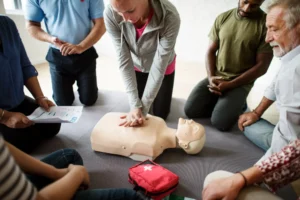
You must begin aggressive CPR immediately to keep their brain alive. A standard blockage rarely causes immediate unconsciousness unless it triggers an electrical failure.
When You Must Call Emergency Services
You must absolutely never drive yourself to the emergency room. Paramedics can begin life-saving cardiovascular treatments the moment they arrive at your home.
Call emergency services if your chest pain lasts longer than five minutes. You also need immediate help if you experience severe difficulty breathing or sudden faintness.
How You Can Recognize Trouble Early
You must aggressively know your baseline genetic and metabolic risk factors. Track your daily blood pressure and request a yearly lipid panel from your physician.
Monitor your body for any sudden changes in your physical stamina. Early recognition remains your absolute best defense against a fatal vascular event.
Exact Steps to Take During an Emergency

If you suspect an active emergency, stop whatever you are doing immediately. Sit down, try to remain calm, and have someone call your local emergency number.
If your doctor previously approved it, chew one regular adult aspirin immediately. Chewing the aspirin gets it into your bloodstream faster to help thin the deadly clot.
Lifestyle Prevention Strategies
You possess incredible power to prevent cardiovascular disease naturally. Adopt a Mediterranean-style diet filled with fresh vegetables and lean proteins.
You must commit to daily aerobic exercise to keep your vessels elastic. Aggressively controlling your blood pressure and eliminating all tobacco use will drastically lower your risk.
Common Mistakes You Must Avoid
The deadliest mistake patients make involves ignoring mild warning signs. Do not assume your sudden jaw pain relates to a simple dental issue.
Never delay seeking urgent medical care because you feel embarrassed. Emergency room physicians would much rather treat severe heartburn than miss a fatal vascular blockage.
Frequently Asked Questions
What are the very first signs of a vascular emergency?
The earliest indicators often include mild chest discomfort, profound fatigue, and sudden shortness of breath. You might notice these subtle signs days or weeks before a major blockage occurs.
Do vascular emergencies present differently in female patients?
Yes, female patients often experience significantly less typical warning signs. They frequently report severe nausea, crushing exhaustion, and sharp pain in their jaw or back.
What exactly defines a silent cardiovascular event?
A silent event occurs when a blockage damages the cardiac muscle with minimal or unnoticeable pain. Doctors usually detect this older damage later during a routine clinical electrocardiogram.
Can severe anxiety mimic a true cardiac emergency?
Yes, a severe panic attack can cause rapid heart rate, sweating, and chest tightness. However, you must always let a trained emergency physician make that final diagnosis.
How much time do I have to act once pain starts?
You must act immediately and call emergency services within five minutes of symptom onset. Every passing minute translates to permanent, irreversible death of your cardiac muscle tissue.
Conclusion
Your cardiovascular health heavily dictates your overall lifespan and quality of life. Understanding the exact presentation of these vascular emergencies saves countless lives every year.
You must pay close attention to the subtle differences between male and female warning signs. Never hesitate to contact emergency medical professionals if you feel something is wrong.
By aggressively managing your lifestyle and recognizing early symptoms, you protect your vital heart muscle. Stay vigilant, stay active, and prioritize your vascular health today.
Evidence-Based References:
Related Posts

MORE from Author
Read More As a physician specializing in exercise science and public health, I regularly consult patients who feel completely lost in the…
 Just last week, a 34-year-old patient named Clara sat in my clinic, feeling entirely overwhelmed by the modern fitness industry.…


 Hello, I am Dr. Kenji Sato, MD, specializing in sports medicine and performance optimization. In my sports clinic, I constantly…
- In my clinical practice as a physician focused on exercise science, I often tell patients that mastering fitness bench workouts…