
Heart Disease Treatment: Modern Options, Medications, and Lifestyle Strategies
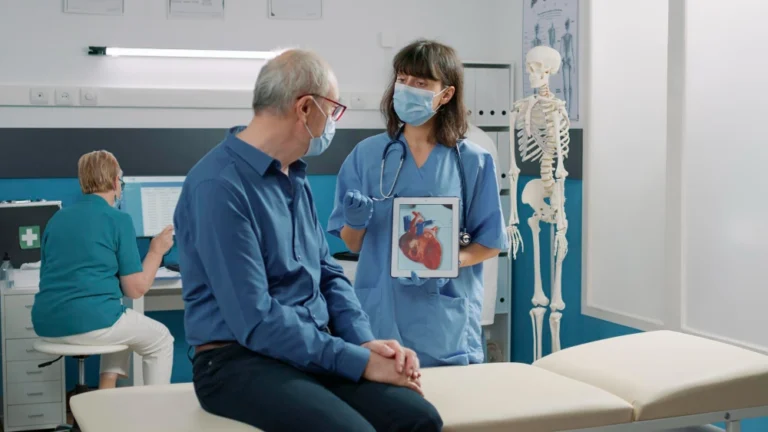
Facing a heart disease diagnosis feels overwhelming. You want clear answers fast. That is exactly why understanding heart disease treatment matters right now. Millions of Americans manage cardiovascular conditions successfully every day.
You can too with the right plan. This guide breaks down modern options without confusing medical jargon. We will cover medications, lifestyle shifts, and when procedures help.
I have sat with countless patients navigating these exact choices. Their stories prove that proactive care changes outcomes. Let’s walk through your path to better heart health together.
Key Takeaways
Heart disease treatment requires a multifaceted, personalized approach. Early intervention significantly reduces complications and improves survival. Lifestyle changes form the essential foundation for all treatment plans. Consistent management and monitoring protect your long-term heart health.
What Is Heart Disease & How Is It Treated?
Heart disease covers conditions affecting your heart and blood vessels. Treatment typically combines lifestyle changes, medications, and sometimes procedures. Your exact plan depends on the specific condition and severity.
Early intervention often prevents complications down the road. Therefore, understanding your options empowers smarter decisions. You work with your care team to personalize every step. Consistent management makes a profound difference long term.
What Are the 7 Most Common Heart Diseases?
Coronary artery disease blocks blood flow to heart muscle. Heart failure means your heart pumps less efficiently over time. Arrhythmias cause irregular or abnormal heart rhythms. Valvular heart disease affects one or more heart valves.
Congenital heart disease involves structural issues present at birth. Hypertensive heart disease stems from long-term high blood pressure. Rheumatic heart disease follows untreated strep infections damaging valves. Each type requires tailored treatment strategies.
Heart Disease Treatment Options
Treatment falls into four main categories. Lifestyle modifications form the absolute foundation. Medications manage symptoms and slow progression. Medical procedures address blockages or structural issues.
Surgery serves as a last resort for complex cases. Your provider will recommend options based on your risk profile. Consequently, treatment plans evolve as your health changes. Regular follow-ups ensure your strategy stays effective.
Lifestyle Changes for Heart Disease Control
Your daily habits directly impact heart health outcomes. A heart-healthy diet like Mediterranean or DASH lowers inflammation. Regular exercise strengthens your heart muscle and improves circulation. Smoking cessation dramatically reduces cardiovascular risk within months.
Stress management techniques lower cortisol-driven blood pressure spikes. Furthermore, quality sleep supports metabolic and vascular repair. Small consistent changes compound into powerful protection. You hold significant control through these daily choices.
Can Heart Disease Be Cured by Exercise?
Exercise does not cure established heart disease. However, it significantly improves outcomes and slows progression. Regular activity strengthens cardiac muscle and improves blood vessel function. It also helps control weight, blood pressure, and cholesterol.
Consequently, guidelines recommend 150 minutes of moderate activity weekly. You should consult your provider before starting any new program. Safe movement becomes medicine for your cardiovascular system.
Heart Disease Medications
Medications target specific risk factors and symptoms. Statins lower LDL cholesterol and stabilize artery plaque. Antihypertensives like ACE inhibitors relax blood vessels. Antiplatelets such as aspirin prevent dangerous blood clots.
Anticoagulants reduce stroke risk in certain arrhythmias. Your provider selects combinations based on your unique profile. Never adjust dosages without medical guidance. These drugs work best alongside lifestyle changes.
| Medication Class | Primary Purpose | Common Examples |
|---|---|---|
| Statins | Lower LDL cholesterol | Atorvastatin, Rosuvastatin |
| ACE Inhibitors | Lower blood pressure | Lisinopril, Enalapril |
| Beta-Blockers | Reduce heart rate & BP | Metoprolol, Carvedilol |
| Antiplatelets | Prevent blood clots | Aspirin, Clopidogrel |
| Anticoagulants | Reduce stroke risk | Warfarin, Apixaban |
Blood Pressure Management in Heart Disease
Tight blood pressure control protects your heart and kidneys. Target levels typically sit below 130/80 mmHg for most patients. Medication choices consider kidney function and other conditions. Regular home monitoring helps track progress between visits.
Furthermore, reducing sodium intake enhances medication effectiveness. Your provider may adjust doses based on your readings. Consistent management prevents stroke and heart failure complications.
Modern Treatments for Heart Disease
Advanced procedures offer minimally invasive solutions today. Angioplasty with stents opens blocked coronary arteries quickly. Bypass surgery reroutes blood around severe blockages. Implantable devices like pacemakers regulate abnormal rhythms.
Minimally invasive valve repair avoids open-heart surgery in many cases. These innovations reduce recovery time and improve outcomes. Your cardiologist will discuss options if lifestyle and medications fall short.
Heart Disease Treatment Without Surgery

Many patients manage conditions effectively without procedures. Medications control symptoms and slow disease progression. Cardiac rehabilitation provides supervised exercise and education. Lifestyle changes address root causes like diet and stress.
Furthermore, regular monitoring catches issues before they worsen. This approach works well for stable, early-stage disease. You and your provider will decide when surgery becomes necessary.
Treatment by Type of Heart Disease
Coronary Heart Disease Treatment
This condition requires aggressive risk factor management. Statins and blood pressure medications form the medication backbone. Lifestyle changes address diet, activity, and smoking. Procedures like stents restore blood flow during acute events. Consequently, treatment focuses on preventing heart attacks long term.
Ischemic Heart Disease Treatment
Restoring adequate blood flow drives all treatment decisions. Medications improve oxygen delivery to heart tissue. Revascularization procedures open blocked arteries when needed. Cardiac rehab strengthens recovery after events. Furthermore, controlling diabetes and cholesterol prevents further damage.
Valvular Heart Disease Treatment
Monitoring mild cases with regular echocardiograms often suffices. Medications manage symptoms like fluid retention or arrhythmias.
Surgical repair or replacement becomes necessary for severe dysfunction. Minimally invasive techniques now offer faster recovery options. Your cardiologist tracks valve function closely over time.
Congenital Heart Disease Treatment
Lifelong specialized care manages these structural conditions. Some defects require surgery in infancy or childhood. Others need monitoring into adulthood. Medications support heart function as needed. Furthermore, pregnancy planning requires careful coordination with specialists.
Rheumatic Heart Disease Treatment
Antibiotics prevent recurrent strep infections that worsen valve damage. Medications manage heart failure symptoms if they develop. Valve repair or replacement addresses severe dysfunction.
Regular dental care prevents infections that could affect damaged valves. Early treatment of strep throat remains the best prevention.
Hypertensive Heart Disease Treatment
Aggressive blood pressure control forms the treatment cornerstone. ACE inhibitors or ARBs protect heart and kidney function. Lifestyle changes reduce sodium intake and support weight loss. Regular monitoring prevents progression to heart failure. Consequently, consistent medication adherence proves critical long term.
Heart Attack Symptoms and Treatment
Recognizing symptoms saves lives immediately. Chest pain or pressure often radiates to the arm or jaw. Shortness of breath, nausea, or cold sweats may accompany discomfort. Women sometimes experience atypical symptoms like fatigue.
Emergency care focuses on restoring blood flow fast. Medications dissolve clots or prevent further damage. Procedures like angioplasty open blocked arteries quickly. Every minute counts during a suspected heart attack.
Erectile Dysfunction and Heart Disease
Shared vascular problems often link these conditions. Poor blood vessel health affects both heart and sexual function. Consequently, erectile dysfunction can signal underlying cardiovascular risk.
Treatment addresses root causes like hypertension or diabetes. Furthermore, some heart medications may impact sexual function. Discuss concerns openly with your provider for safe solutions.
Cost of Heart Disease Treatment
Expenses vary widely based on treatment complexity. Generic medications often cost under fifty dollars monthly. Procedures like stents or surgery involve significant hospital bills. Insurance coverage dramatically affects out-of-pocket expenses.
Furthermore, cardiac rehab and preventive care reduce long-term costs. Ask your provider about financial assistance programs if needed. Investing in prevention saves money and suffering later.
Special Populations & Local Intent
Women’s Heart Disease Treatment
Women face unique risks like pregnancy-related hypertension. Symptoms often differ from classic male presentations. Consequently, diagnosis sometimes gets delayed.
Treatment plans consider hormonal factors and autoimmune conditions. Specialized women’s heart clinics address these specific needs effectively.
Local Treatment Centers
Access to specialized care improves outcomes significantly. Major centers in Brooklyn, Rapid City, and other regions offer advanced interventions.
Furthermore, local cardiac rehab programs support recovery close to home. Ask your provider about reputable centers near you. Proximity matters for consistent follow-up care.
Pet Heart Disease Treatment
Veterinary care addresses heart conditions in dogs and cats separately. Medications like pimobendan support canine heart function. Surgery options remain limited compared to human medicine.
Costs vary based on diagnostics and treatment complexity. Always consult a licensed veterinarian for pet-specific guidance. Human treatments do not translate safely to animals.
How Do Doctors Treat Heart Disease?
Providers follow a systematic, evidence-based approach. Diagnosis starts with history, exam, and targeted testing. Risk stratification guides treatment intensity decisions.
Consequently, plans combine lifestyle, medications, and procedures as needed. Regular follow-ups adjust strategies based on your response. This stepwise method optimizes outcomes while minimizing risks.
What Should I Do If I Have Heart Disease?
Take immediate action to protect your health. Follow your medical team’s advice consistently. Take medications exactly as prescribed without skipping doses. Adopt heart-healthy lifestyle changes starting today.
Furthermore, attend all scheduled appointments and tests. Small daily choices compound into powerful long-term protection. You hold significant control over your cardiovascular future.
How to Improve Heart Health

Focus on foundational habits that support cardiovascular function. Prioritize whole foods like vegetables, fruits, and lean proteins. Aim for regular movement that raises your heart rate safely.
Quality sleep allows your body to repair and regenerate. Stress reduction techniques lower harmful inflammation markers. Consequently, these pillars work together for lasting heart health.
Can You Live a Full Life with Heart Disease?
Absolutely, with proper management and consistent care. Many patients thrive for decades after diagnosis. Treatment advances continue to improve quality and length of life.
Furthermore, support groups and cardiac rehab provide community encouragement. You define your journey through daily choices and medical partnership.
Can Heart Disease Kill You
Heart disease remains the leading cause of death in the US. However, prevention and early treatment dramatically reduce this risk. Consequently, proactive care saves lives every single day.
Understanding your risk factors empowers smarter health decisions. You can significantly lower your personal risk through consistent action.
Heart Disease Treatment Guidelines (2026 Update)
Current guidelines emphasize personalized, evidence-based care. Lifestyle interventions serve as the foundation for all patients. Medications target specific risk factors with proven benefits. Procedures address structural or acute issues when necessary.
Furthermore, shared decision-making between patient and provider optimizes outcomes. Regular updates incorporate new research and treatment advances.
Action Plan for Patients
- Schedule regular checkups with your primary care provider.
- Monitor blood pressure and cholesterol levels consistently.
- Stay physically active with provider-approved exercise.
- Eat a heart-healthy diet rich in whole foods.
- Take medications exactly as prescribed without skipping doses.
FAQs
What is the best treatment for heart disease?
A combination of lifestyle changes, medications, and procedures works best. Your provider personalizes this mix based on your specific condition and risk factors.
Can heart disease be reversed?
Some aspects improve significantly with lifestyle changes and medications. Plaque stabilization and symptom control are achievable goals with consistent care.
What medications treat heart disease?
Statins, blood pressure medications, and antiplatelets form common treatment foundations. Your provider selects options based on your unique health profile.
How can I prevent heart disease?
Focus on a healthy diet, regular exercise, and controlling risk factors like blood pressure. Avoid smoking and manage stress effectively for long-term protection.
When should I see a doctor about heart symptoms?
Seek immediate care for chest pain, shortness of breath, or sudden weakness. Schedule routine visits for risk assessment if you have family history or other concerns.
Conclusion
You now understand the full spectrum of heart disease treatment options. Modern medicine offers powerful tools for every stage of cardiovascular care. Lifestyle changes form your strongest foundation for lasting protection. Medications and procedures step in when you need extra support.
Remember, early action truly changes your long-term outcomes. Small daily choices compound into remarkable heart health gains. You hold more control than you might realize right now. Stay consistent with your plan and trust the process.
Furthermore, your care team stands ready to adjust your strategy anytime. Ask questions at every appointment and track your progress proudly. Heart disease treatment works best when you partner actively with your providers.
Ultimately, a full, vibrant life remains absolutely achievable with proper management. You can protect your heart starting with the very next choice you make. Please consult your cardiologist or primary care provider to personalize these evidence-based strategies for your unique health journey.
References
- American Heart Association – Heart Disease Treatment Guidelines
- Centers for Disease Control and Prevention – Heart Disease Facts
- National Institutes of Health – Cardiovascular Disease Overview
- World Health Organization – Cardiovascular Diseases Fact Sheet
- PubMed – Modern Interventions in Coronary Artery Disease
Related Posts






MORE from Author
Read More As a physician specializing in exercise science and public health, I regularly consult patients who feel completely lost in the…
 Just last week, a 34-year-old patient named Clara sat in my clinic, feeling entirely overwhelmed by the modern fitness industry.…


 Hello, I am Dr. Kenji Sato, MD, specializing in sports medicine and performance optimization. In my sports clinic, I constantly…
- In my clinical practice as a physician focused on exercise science, I often tell patients that mastering fitness bench workouts…