Bodyweight Fitness Exercises: Complete Beginner to Advanced Home Workout Plan (No Equipment Needed)
As a physician specializing in lifestyle medicine and biomechanics, I constantly hear the same excuse for avoiding exercise: a lack of gym access. My name is Dr. Julian Thorne, and I recently worked with a patient named David, a busy father who felt his health slipping away. He assumed he needed heavy weights and expensive machines to get back in shape.
I introduced him to bodyweight fitness exercises, proving that your own body is the most versatile piece of equipment you will ever own. Within six months, David not only lost significant body fat but packed on noticeable muscle mass right in his living room.
Research from the American College of Sports Medicine confirms that consistent resistance training—equipment or not—delivers profound metabolic benefits. In this comprehensive guide, we will break down the science of home workouts, provide actionable routines, and answer the ultimate question: can you really build muscle with zero equipment?
What Are Bodyweight Fitness Exercises?
At their core, bodyweight fitness exercises use your own physical mass and the force of gravity to create resistance. Instead of pushing against a loaded barbell, you are pushing, pulling, and stabilizing your own body through space. This functional approach to training builds strength that translates directly into everyday activities.
You are not just isolating a single muscle on a machine; you are building holistic, athletic power. The CDC’s physical activity guidelines emphasize that multi-joint movements deliver superior functional benefits compared to isolation exercises.
Furthermore, foundational bodyweight exercises calisthenics serve as the building blocks for advanced gymnastic skills, proving that you can scale this training method to any fitness level. For more on integrating movement into daily life, see our guide on how to maintain a healthy lifestyle.
Can You Build Muscle With Only Bodyweight?
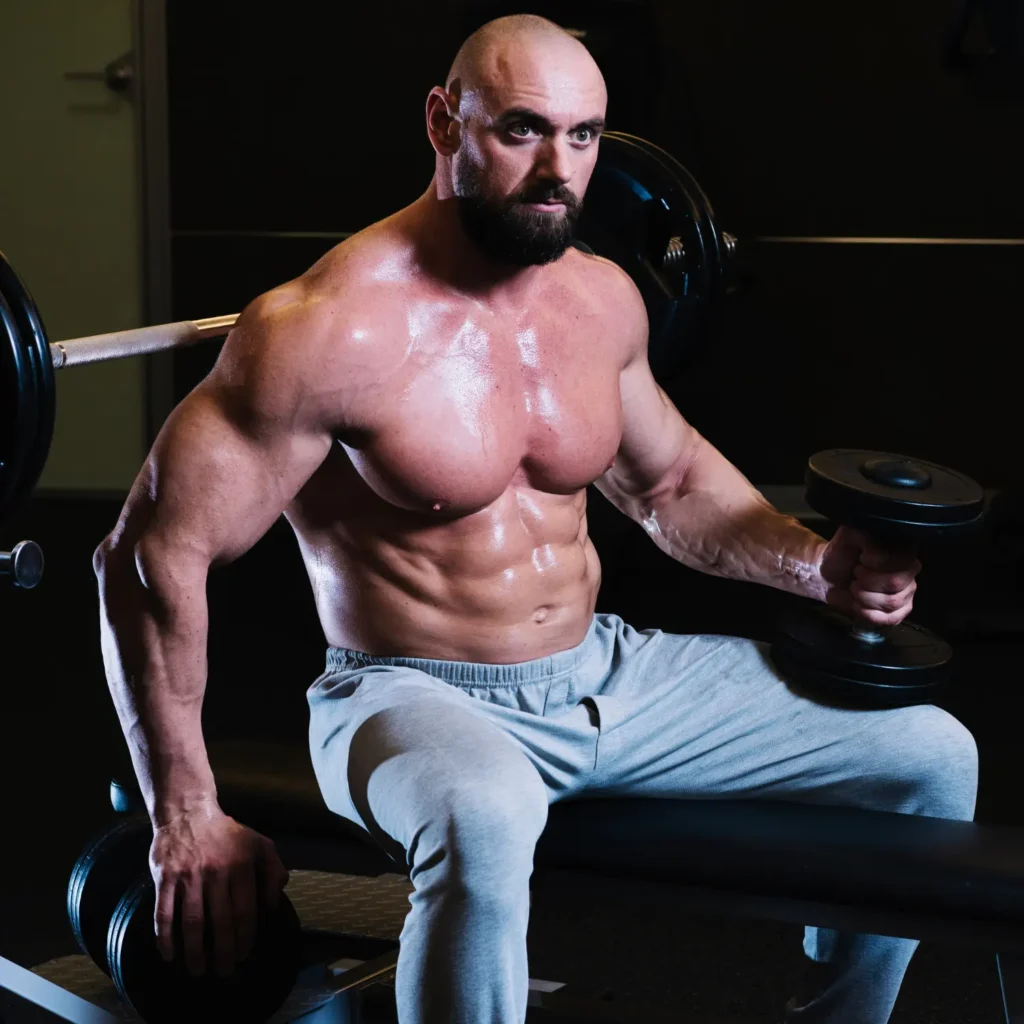
The most common question I hear in my clinic is, “Can I build muscle with only bodyweight?” The answer is a resounding yes. Muscle tissue does not know if you are holding a dumbbell or pushing yourself off the floor. It only recognizes mechanical tension and metabolic stress. Peer-reviewed research in the Journal of Strength and Conditioning Research supports that progressive bodyweight training stimulates hypertrophy effectively.
To build muscle with a bodyweight workout, you must apply the principle of progressive overload. If you do the exact same bodyweight exercise routine every day, your muscles will adapt and stop growing. You have to continuously challenge them by increasing the difficulty of the movements over time.
By decreasing your leverage, you place exponentially more tension on the muscle fibers, forcing them to grow larger and stronger. Beginners should start with foundational movements outlined in our fitness tips for beginners resource.
What Are the 5 Best Bodyweight Exercises?
If you want to maximize your results in minimal time, focus on compound movements. What are the 5 best bodyweight exercises? These are the foundational pillars of human movement that engage massive amounts of muscle tissue at once.
The Push-Up
This is the ultimate upper-body builder. It targets the pectorals, anterior deltoids, and triceps while demanding immense core stability. Proper form requires keeping your body in a straight, rigid line from your shoulders to your heels. The Mayo Clinic notes that push-ups also engage stabilizer muscles often neglected in machine-based training.
The Bodyweight Squat
Squats are non-negotiable for lower-body development. They target the quadriceps, hamstrings, and glutes. Ensure your chest stays tall and you push your hips back as if sitting in a chair, driving through your whole foot to stand back up. For heart health benefits of lower-body training, explore best exercise for heart health.
Pull-Ups
To build a strong back, you must pull. Pull-ups target the latissimus dorsi and biceps. If you cannot do a pull-up yet, an inverted row under a sturdy table or using a bedsheet in a doorway provides the necessary horizontal pulling resistance. The American Heart Association highlights that upper-body pulling movements support posture and cardiovascular resilience.
The Plank
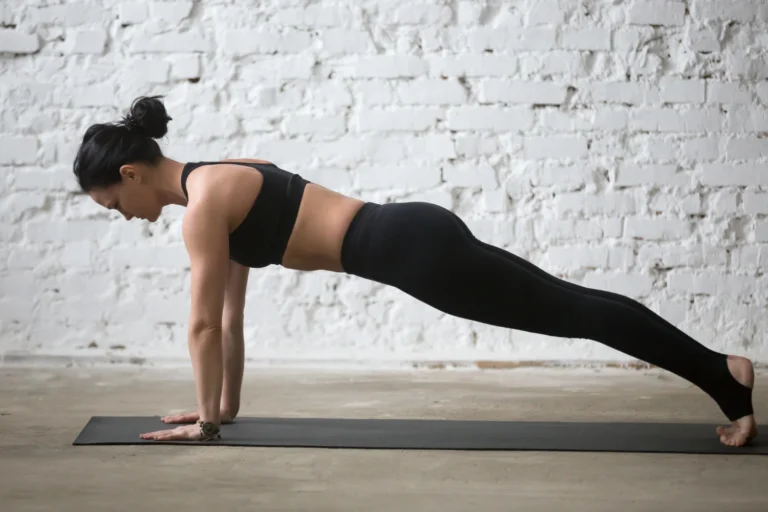
Forget endless crunches. The plank builds deep, functional core strength by training your abdominal wall to resist extension. Squeeze your glutes and brace your stomach as if expecting a punch to get the maximum benefit from this static hold. Core stability directly impacts fitness and lower back pain prevention.
Lunges
Lunges correct muscular imbalances by forcing each leg to work independently. They heavily target the glutes and quads while improving your balance and knee stability. Take a moderate step forward and lower your back knee toward the ground with control. Unilateral training like lunges is emphasized by Harvard Health for functional mobility and injury prevention.
Bodyweight Exercises at Home
If you are short on time, a quick, daily routine of bodyweight exercises at home can keep your metabolism elevated and your joints lubricated. You do not need an hour every day; consistency trumps intensity when it comes to daily movement habits. The World Health Organization recommends at least 150 minutes of moderate activity weekly—short daily sessions add up fast.
A 20-minute daily bodyweight exercise routine is incredibly space-friendly. You only need enough room to lie down on the floor. Start your morning with a quick circuit of squats, modified push-ups, and planks to wake up your nervous system and stimulate blood flow.
Daily movement using bodyweight exercises no equipment is also fantastic for posture correction. For office workers who sit all day, doing a few glute bridges and doorway stretches every afternoon can prevent the chronic back pain caused by prolonged sitting. Pair movement with proper hydration—see how much water should you drink for optimal performance.
Bodyweight Exercises List
To keep your workouts fresh and prevent plateaus, you need a diverse arsenal of movements. This comprehensive bodyweight exercises list categorizes the best full body bodyweight exercises by muscle group so you can build your own routines.
Upper Body Exercises
- Standard Push-ups: The gold standard for chest and triceps.
- Chair Dips: Excellent for isolating the triceps and front shoulders.
- Pike Push-ups: Mimics an overhead press, building impressive shoulder mass.
- Diamond Push-ups: Placing hands close together shifts the load entirely to the triceps and inner chest.
Lower Body Exercises
- Air Squats: The foundation of all leg training.
- Bulgarian Split Squats: A brutal, highly effective single-leg exercise for glutes and quads.
- Glute Bridges: Perfect for isolating the glutes without loading the lower spine.
- Pistol Squats: An advanced, single-leg squat that requires immense mobility and strength.
Core Exercises
- Forearm Plank: Builds deep transverse abdominis strength.
- Lying Leg Raises: Targets the lower abdominal region.
- Mountain Climbers: Combines core stability with cardiovascular endurance.
- Russian Twists: Excellent for developing the obliques and rotational strength.
For targeted core work, explore fitness abs exercises for progressive variations.
Bodyweight Leg Exercises for Strength and Fat Loss
Building impressive legs without heavy barbells is entirely possible if you understand how to manipulate intensity. Bodyweight leg exercises require a mix of high-repetition endurance sets and explosive, plyometric movements to force muscle adaptation. The NIH notes that plyometric training enhances power and metabolic rate effectively.
To trigger hypertrophy (muscle growth) in the legs, you must utilize single-leg variations. A standard air squat might become too easy after 30 reps, but a Bulgarian Split Squat places your entire body weight onto one leg, instantly doubling the resistance and driving new strength gains.
For fat loss, explosive jump training is highly effective. Incorporating jump squats or jumping lunges spikes your heart rate rapidly. This creates a significant metabolic demand, burning calories long after your bodyweight workout has ended. Combine training with nutrition—see healthy diet to lose weight for synergistic results.
Bodyweight Exercises for Arms and Biceps
A common myth is that you cannot build biceps without dumbbells. While pulling movements are trickier without equipment, targeted bodyweight exercises for biceps are highly effective if you get creative with your environment.
The absolute best bodyweight exercise for biceps is the underhand chin-up. Using a park swing set, a sturdy tree branch, or a doorway bar, chin-ups force your biceps to lift your entire body mass. This provides more mechanical tension than standard dumbbell curls. Research from ACE Fitness confirms chin-ups rank among the most effective bicep activators.
If you have zero equipment, you can use isometric holds and self-resistance. A “towel curl” involves looping a bath towel under your foot, grabbing the ends, and pulling upward as hard as you can while your leg provides immovable resistance. This creates massive tension in the bicep muscle. For arm-specific progress, check arms fitness techniques.
How to Get a Figure
Many of my female patients specifically ask how to shape their physique using home workouts. How to get a figure (hourglass shape) comes down to a specific body recomposition approach: building muscle in the right areas while lowering overall body fat.
To create the illusion of a tighter waist, you must build the upper back and the glutes. Bodyweight back exercises (like inverted rows) improve posture, pulling the shoulders back and making the waist appear smaller. The Cleveland Clinic emphasizes that posture correction visually enhances body proportions.
Simultaneously, heavily focusing on glute-dominant bodyweight exercises—like Bulgarian split squats, glute bridges, and reverse lunges—builds the lower body curves. Combine this targeted muscle building with a slight caloric deficit for fat loss, and the hourglass shape will naturally emerge. For women-specific guidance, see fitness tips for women.
Best Bodyweight Fitness Routine for Results
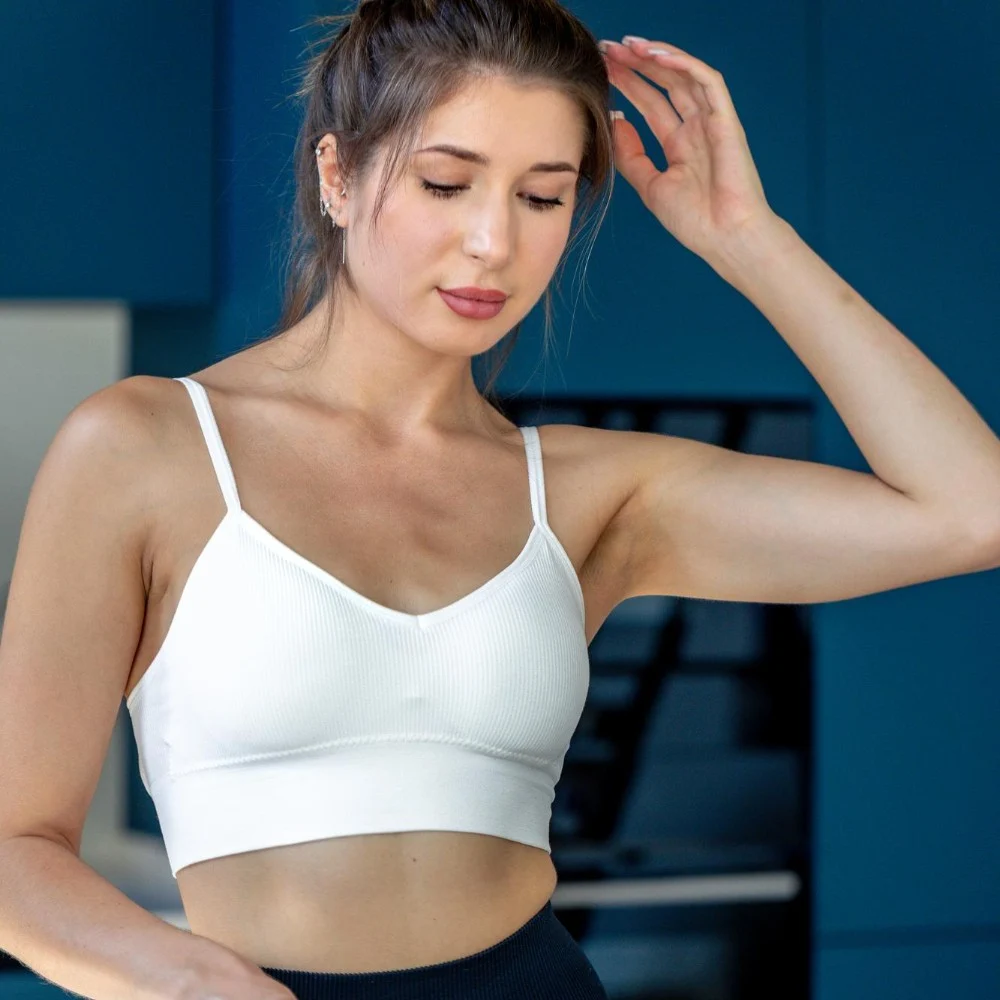
The best bodyweight workout is the one you can stick to consistently. However, to maximize your results, your bodyweight exercise routine should follow a logical weekly split that balances stimulus and recovery.
I recommend an upper/lower split performed four times a week. Monday and Thursday are dedicated to push-ups, dips, and rows. Tuesday and Friday are dedicated to squats, lunges, and core work. This structure is supported by ACSM guidelines for optimal muscle protein synthesis.
This bodyweight workout program structure allows each muscle group to be trained twice a week, which science shows is optimal for muscle protein synthesis. Always remember that rest days are when the actual muscle repair and growth happen, so never skip your recovery.
Common Mistakes in Bodyweight Training
Despite its accessibility, many people fail to see results from home workouts due to critical errors. The biggest mistake is a lack of progressive overload. Doing 20 sloppy push-ups every day for a year will not change your physique; you must increase the difficulty.
Poor form is another major issue. Using momentum, doing half-reps, or letting the hips sag during a plank robs the targeted muscles of tension and places dangerous stress on your joints. Always prioritize a full range of motion over the number of reps. The Mayo Clinic stresses that proper technique prevents injury and maximizes results.
Finally, an inconsistent routine kills progress. Jumping randomly from one YouTube workout to another prevents your body from adapting to a specific stimulus. Pick a structured program, stick to it for at least 8 weeks, and track your progress meticulously. For motivation strategies, explore best books to motivate healthy lifestyle.
Frequently Asked Questions
Can beginners build muscle with bodyweight exercises?
Absolutely. For beginners, the resistance provided by their own body weight is a massive shock to the system. By performing push-ups, squats, and rows to near failure, beginners can experience significant muscle growth and strength gains in their first few months of training. Studies in PubMed confirm novice trainees respond robustly to bodyweight resistance.
How often should I do bodyweight workouts?
For optimal results, aim for 3 to 4 days a week. This provides enough frequency to stimulate muscle growth while allowing adequate time for central nervous system recovery. If you do light, mobility-focused bodyweight movements, you can do them daily.
Is bodyweight training better than going to the gym?
It depends on your goals. Bodyweight training is better for building functional core strength, joint mobility, and spatial awareness while saving time and money. However, a gym with barbells is technically more efficient for building absolute max strength in the legs. Read more on common health myths vs facts.
Do I need to buy equipment to see results at home?
No. While a pull-up bar or suspension trainer is a great, cheap addition for back exercises, you can achieve phenomenal results using just the floor, a sturdy chair, and a doorway. Your body mass is all the resistance you need to start.
How do I make bodyweight squats harder?
Once standard squats become too easy, progress to tempo squats (going down very slowly), jump squats for explosive power, or single-leg variations like the Bulgarian split squat or the pistol squat to drastically increase the resistance on your leg muscles.
Conclusion
Building an impressive physique and safeguarding your health does not require an expensive gym membership or complicated machines. As we have explored throughout this guide, bodyweight fitness exercises offer a profound, scientifically backed method for building muscle, shedding fat, and improving your daily functional movement.
By adhering to the principles of progressive overload, maintaining strict form, and committing to a structured home routine, you unlock the ability to train anywhere, anytime. Your body is your gym—start utilizing it today, stay consistent, and watch as your strength and vitality transform. For holistic wellness integration, explore how to start a healthy lifestyle.
Authoritative References
- American College of Sports Medicine. (2023). Resistance Training for Health. https://www.acsm.org
- Centers for Disease Control and Prevention. (2024). Physical Activity Guidelines. https://www.cdc.gov/physicalactivity
- Mayo Clinic. (2024). Exercise: 7 benefits of regular physical activity. https://www.mayoclinic.org
- World Health Organization. (2023). Guidelines on physical activity and sedentary behaviour. https://www.who.int
- Harvard Health Publishing. (2024). The importance of strength training. https://www.health.harvard.edu
- Journal of Strength and Conditioning Research. (2023). Bodyweight Training and Hypertrophy. https://journals.lww.com/nsca-jscr
- American Heart Association. (2024). Exercise and Cardiovascular Health. https://www.heart.org
- National Institutes of Health. (2024). Exercise Physiology Resources. https://www.nih.gov
- ACE Fitness. (2024). Best Exercises for Biceps Activation. https://www.acefitness.org
- Cleveland Clinic. (2024). Posture and Body Mechanics. https://my.clevelandclinic.org
Related Posts
MORE from Author
Read More As a physician specializing in exercise science and public health, I regularly consult patients who feel completely lost in the…
 Just last week, a 34-year-old patient named Clara sat in my clinic, feeling entirely overwhelmed by the modern fitness industry.…
 Hello, I am Dr. Kenji Sato, MD, specializing in sports medicine and performance optimization. In my sports clinic, I constantly…
- In my clinical practice as a physician focused on exercise science, I often tell patients that mastering fitness bench workouts…