
Widowmaker Heart Attack: Symptoms, Survival Rate, and What You Need to Know

As a board-certified preventive cardiologist, I frequently treat patients facing the most frightening moments of their lives. Surviving a widowmaker heart attack requires absolute urgency, immediate medical intervention, and a clear understanding of the warning signs.
Many people hear this intimidating term but do not understand the underlying biology of this massive cardiac event. It happens when a specific, vital artery supplying blood to your heart muscle becomes entirely blocked.
Because this artery feeds the largest pumping chamber of your heart, a sudden blockage causes catastrophic damage. Understanding this medical emergency empowers you to act decisively and seek life-saving care without delay.
In my clinical practice, patient education is the most powerful tool for improving cardiovascular outcomes. Therefore, we will explore exactly how this condition develops, its critical symptoms, and how you can prevent it.
TL;DR: Quick Overview
- A massive cardiac event occurs due to a critical blockage in the left anterior descending (LAD) artery.
- This specific blockage creates one of the most dangerous types of cardiovascular emergencies known to modern medicine.
- The primary clinical symptoms include severe chest pain, profuse sweating, and sudden, unexplained shortness of breath.
- Ultimately, your overall survival depends entirely on how quickly emergency medical treatment is received and blood flow is restored.
What Is a Widowmaker Heart Attack?
Many patients ask me to define what a widowmaker heart attack is in simple, easy-to-understand terms. This condition is a severe myocardial infarction caused by a complete blockage in the left anterior descending artery.
The LAD artery is absolutely crucial because it supplies almost fifty percent of the blood to your left ventricle. The left ventricle is the main muscular chamber responsible for pumping oxygenated blood to your entire body.
When a blood clot suddenly completely blocks this vital pathway, a massive portion of your heart begins to die. Consequently, without immediate medical intervention, the heart rapidly loses its ability to sustain your life.
Why Is It Called a “Widowmaker” Heart Attack?
You might wonder why a widowmaker heart attack is called such a terrifying and ominous name. Historically, this massive blockage carried an incredibly high mortality rate, especially before modern angioplasty procedures existed.
Because early medical data primarily focused on middle-aged men, the massive fatalities often left wives as widows. Therefore, the medical community and the public adopted this highly descriptive, albeit frightening, colloquial nickname.
However, modern cardiology clearly recognizes that this dangerous condition affects both men and women at alarming rates. Furthermore, rapid advancements in emergency cardiovascular care have significantly improved survival statistics over the last few decades.
Critical Widowmaker Heart Attack Symptoms

Recognizing the clinical signs of a widowmaker heart attack is your absolute best defense against sudden cardiac death. The body typically triggers a massive autonomic nervous system response when the left ventricle loses oxygen.
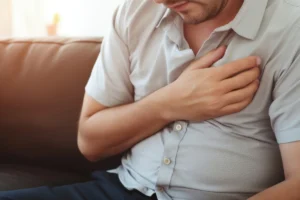
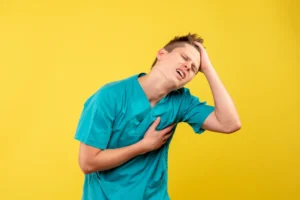
First of all, patients almost universally report experiencing severe, crushing chest pressure that feels like an elephant sitting on them. Furthermore, this intense pain frequently radiates directly into the left arm, both shoulders, or up into the jaw.
Additionally, you might experience profound, cold sweating and sudden, severe nausea or vomiting. These classic widowmaker heart attack symptoms require immediate emergency evaluation and should never be ignored or downplayed.
Widow Maker Artery Blockage Symptoms
Sometimes, the artery narrows significantly over time before completely closing, offering subtle warning signs. These early widow maker artery blockage symptoms often present as predictable chest pain during physical exertion.
You might feel a strange tightness in your chest when walking up stairs, which completely disappears when you rest. This specific condition, known as stable angina, indicates a severe lack of blood flow, demanding medical investigation.
In contrast, some patients experience completely silent symptoms, particularly those with long-standing diabetes. Due to nerve damage, they might only feel unusual fatigue or mild shortness of breath instead of crushing pain.
Widowmaker Heart Attack Survival Rate
Patients and their families are always incredibly anxious to know the widowmaker heart attack survival rate. Survival rate of widowmaker heart attack events depends almost entirely on the speed of emergency medical treatment.
In the medical field, we constantly say “time is muscle” to emphasize the extreme urgency of restoring blood flow. If paramedics can restore circulation within the first golden hour, your chances of a full recovery increase drastically.
With modern emergency protocols and rapid stent placements, the survival rate of widowmaker heart attack victims is remarkably high. However, any delay in calling emergency services significantly reduces the widow maker artery survival rate.
Life Expectancy After a Widowmaker Heart Attack
Surviving the initial emergency is just the first step in your long-term cardiovascular journey. Your specific life expectancy after a widowmaker heart attack event depends heavily on the extent of permanent muscle damage.
If doctors open the blocked artery quickly, your heart’s ejection fraction can remain relatively normal and healthy. Consequently, you can expect to live a long, active life with proper ongoing medical management.
However, strict adherence to cardiac rehabilitation, lifestyle changes, and daily prescribed medications is absolutely mandatory. Failing to manage your underlying risk factors significantly decreases your long-term life expectancy and overall quality of life.
The Serious Widowmaker Heart Attack Death Risk
We must be completely honest about the extreme severity of this specific cardiac event. The widowmaker heart attack death rate remains dangerously high for patients who ignore their symptoms or delay treatment.
When the left ventricle suffers massive damage, it can suddenly trigger a lethal electrical rhythm called ventricular fibrillation. This chaotic electrical storm stops the heart from pumping entirely, leading to sudden cardiac death within minutes.
Furthermore, severe muscle damage can cause cardiogenic shock, where the heart simply cannot support the body’s blood pressure. Therefore, treating every single chest pain episode as a potential life-threatening emergency is fundamentally necessary.
How Common Are Widowmaker Heart Attacks?
People frequently ask me exactly how common widowmaker heart attacks are in the general population. While the name sounds rare and exotic, blockages in the LAD artery are actually incredibly common.
In fact, LAD blockages account for a massive percentage of all severe ST-elevation myocardial infarctions treated in hospitals. The underlying disease process, atherosclerosis, is widespread across the modern adult population.
Therefore, this specific type of vascular emergency is something emergency room physicians treat almost every single day. You are likely more vulnerable to this common cardiac condition than you might currently realize.
Understanding Widowmaker Heart Attack Age Risks
There is a dangerous misconception that severe cardiac events only happen to the elderly. However, the age range for widowmaker heart attacks is becoming increasingly younger due to modern lifestyle factors.
While the risk certainly increases as you age, cardiologists frequently treat patients in their forties and even thirties. Premature coronary artery disease is aggressively driven by poor diet, extreme sedentary behavior, and chronic stress.
Moreover, a strong family history of early heart disease significantly increases your personal risk at a younger age. Therefore, you should never dismiss severe chest pain simply because you feel you are too young for a crisis.
Evaluating Widowmaker Heart Attack EKG Findings
When you arrive at the emergency room, the very first test performed is a twelve-lead electrocardiogram. The widowmaker heart attack EKG findings are typically very dramatic and instantly recognizable to trained medical professionals.
Physicians look specifically for severe ST-segment elevations in the anterior leads across your chest. These specific electrical changes confirm that the front wall of your left ventricle is actively dying from oxygen starvation.
This specific pattern triggers an immediate “STEMI alert,” bypassing normal emergency room procedures. The medical team will rush you directly to the cardiac catheterization laboratory for emergency life-saving surgery.
The Underlying Widowmaker Heart Condition Explained
To truly understand this emergency, you must understand the chronic disease that causes it. The widowmaker heart condition is fundamentally a severe manifestation of advanced coronary artery disease.
Over many decades, sticky cholesterol, inflammatory cells, and calcium slowly build up inside your artery walls. This toxic accumulation forms a hardened plaque that significantly narrows the internal pathway for flowing blood.
The actual emergency happens when this unstable plaque suddenly ruptures, tearing the delicate inner lining of the artery. Your body responds by forming a massive blood clot, which instantly and fatally blocks the remaining blood flow.
How to Prevent a Widowmaker Heart Attack

As a preventive cardiologist, I firmly believe that the vast majority of these emergencies are entirely preventable. Learning exactly how to prevent widowmaker heart attack events requires a proactive approach to your daily vascular health.
First of all, you must aggressively control your resting blood pressure through diet, exercise, and prescribed medications. Chronic hypertension constantly damages your delicate arterial walls, accelerating the dangerous buildup of cholesterol plaques.
Secondly, managing your lipid profile is absolutely critical for preventing plaque formation and stabilizing existing blockages. You should work closely with your doctor to maintain optimal LDL cholesterol levels, often utilizing statin therapy.
Furthermore, quitting tobacco smoking is the single most important lifestyle change you can possibly make. Smoking actively damages your blood vessels and makes your blood much more likely to clot dangerously.
Finally, managing blood sugar levels and maintaining a healthy body weight severely reduces systemic inflammation. Adopting a Mediterranean-style diet rich in whole foods provides incredible protection for your vulnerable coronary arteries.
What to Do If You Suspect an Emergency
Knowing exactly how to react during a suspected cardiac crisis is just as important as knowing the symptoms. If you experience crushing chest pain or severe shortness of breath, you must call emergency services immediately.
Never attempt to drive yourself or have a family member drive you to the local hospital. Paramedics can begin life-saving medical treatments, perform an EKG, and alert the hospital while en route.
If you are not allergic, thoroughly chew one regular-strength adult aspirin while waiting for the ambulance to arrive. This simple action rapidly thins your blood and can slow down the dangerous clotting process inside your artery.
Common Myths Regarding the Widow’s Peak
The internet is full of confusing medical misinformation that can cause unnecessary panic. A very common myth involves patients searching for information about a supposed widow’s peak heart attack.
A widow’s peak is simply a genetic V-shaped hairline on your forehead and has absolutely nothing to do with cardiology. There is no medical correlation between your natural hairline shape and your risk of a severe vascular blockage.
Always rely on board-certified medical professionals and scientifically verified information when evaluating your health risks. Dismissing silly internet myths allows you to focus purely on actual, evidence-based cardiovascular risk factors.
Full List of Clinical Signs
To ensure you are fully prepared, here is a comprehensive review of the warning signals. The complete signs of a widowmaker heart attack include several overlapping physical symptoms that demand attention.
You must watch for central chest pressure, pain radiating to the jaw or left arm, and sudden cold sweats. Additionally, unexplained extreme fatigue, sudden dizziness, and intense nausea frequently accompany this severe arterial blockage.
FAQs
What exactly defines a widowmaker cardiac event?
This specific emergency is defined by a complete, sudden blockage of the left anterior descending (LAD) coronary artery. Because this single artery supplies massive amounts of blood to the heart’s main pump, the resulting damage is catastrophic.
What are the earliest warning signs of this blockage?
The earliest warnings often include mild chest tightness or unusual shortness of breath during normal physical exertion. You might also experience sudden, profound fatigue or a strange aching sensation in your left shoulder or jaw.
Is the survival rate improving with modern medicine?
Yes, the survival rate has improved drastically over the past twenty years due to rapid emergency response protocols. If paramedics can get you to a catheterization lab for a balloon angioplasty quickly, survival is highly probable.
Can younger adults experience this massive blockage?
Absolutely, while more common in older adults, cardiologists frequently treat massive LAD blockages in patients in their thirties. Poor diet, high stress, genetic predisposition, and heavy smoking contribute to premature arterial plaque ruptures.
How do doctors quickly open a blocked LAD artery?
Cardiologists perform an emergency procedure called a percutaneous coronary intervention, commonly known as an angioplasty. They thread a tiny balloon into the blocked artery, inflate it to crush the clot, and leave a wire stent to keep it open.
Conclusion
Understanding the reality of a widowmaker heart attack removes the paralyzing fear and replaces it with actionable medical knowledge. Your heart is an incredibly resilient organ, but it relies entirely on a constant, uninterrupted supply of oxygenated blood.
By actively recognizing the classic warning signs like radiating chest pressure and sudden sweating, you can act immediately. You must always prioritize calling emergency services rather than ignoring symptoms and hoping they will magically disappear.
Ultimately, partnering with your physician to manage your blood pressure, cholesterol, and lifestyle choices is your strongest shield. Taking proactive control of your vascular health today ensures your heart remains strong and healthy for decades to come.
Evidence-Based References:
Related Posts


MORE from Author
Read More As a physician specializing in exercise science and public health, I regularly consult patients who feel completely lost in the…
 Just last week, a 34-year-old patient named Clara sat in my clinic, feeling entirely overwhelmed by the modern fitness industry.…


 Hello, I am Dr. Kenji Sato, MD, specializing in sports medicine and performance optimization. In my sports clinic, I constantly…
- In my clinical practice as a physician focused on exercise science, I often tell patients that mastering fitness bench workouts…