
Does Monk Fruit Raise Blood Sugar? A Doctor’s Evidence-Based Guide
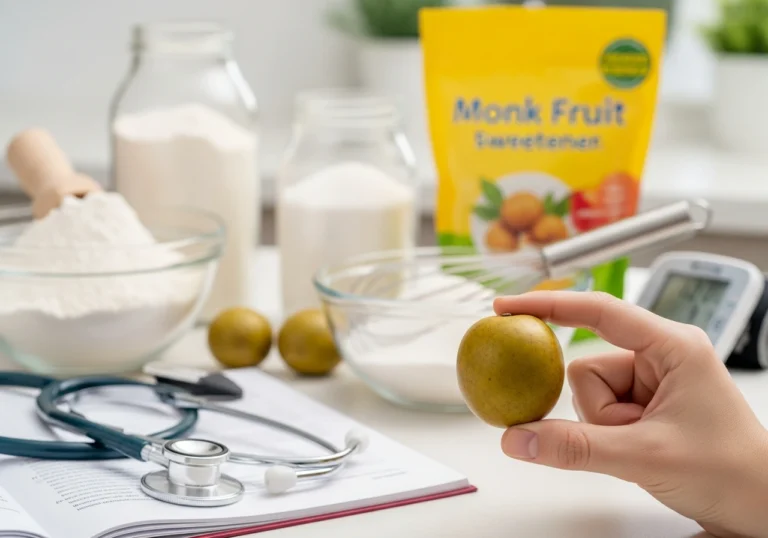
During a recent consultation, a patient named Marcus sat across from me, visibly frustrated. He had been working incredibly hard to lower his A1C and manage his newly diagnosed type 2 diabetes.
He loved baking with his grandchildren but was terrified of causing dangerous glucose spikes. Pulling a brightly colored bag of sweetener from his bag, he asked me point-blank: “Does monk fruit raise blood sugar?”
As an endocrinologist, I field this exact question almost every single day. Walking down the baking aisle has become an overwhelming experience for anyone trying to protect their metabolic health.
Patients are bombarded with confusing labels, conflicting internet advice, and hidden ingredients that can sabotage their progress.
Finding clarity is essential for your long-term health. This comprehensive, evidence-based guide breaks down exactly how this popular sweetener interacts with your metabolism, whether it is truly safe for diabetics, and how to spot the hidden traps in commercial sweetener blends.
The Bottom Line (TL;DR)
- Monk fruit sweetener does not raise blood sugar or insulin levels in most people.
- It contains zero calories and no digestible carbohydrates.
- It has a glycemic index of zero, making it highly safe for people with diabetes.
- Some commercial blends (combined with erythritol or sugar alcohols) may cause mild digestive side effects.
Does Monk Fruit Raise Blood Sugar or Insulin?
When my patients ask about sweeteners, they are often worried about both blood glucose and insulin. These two factors are deeply connected but represent different metabolic responses.
Pure monk fruit does not significantly increase your insulin levels. Some artificial sweeteners can trigger a “cephalic phase response,” where the brain tastes sweetness and tells the pancreas to release insulin in anticipation of sugar.
Clinical studies show that monk fruit extract rarely triggers this anticipatory insulin surge. Because it does not trigger glycemic spikes or prompt an insulin release, it is considered highly stable for individuals managing insulin resistance or metabolic syndrome.
Why Doesn’t Monk Fruit Raise Blood Sugar?
To understand why this fruit is so unique, we have to look at its biological chemistry. The sweetness in this small green melon does not come from fructose or sucrose, which are the natural sugars found in most fruits like apples or grapes.
Instead, it contains unique antioxidant compounds called mogrosides. These mogrosides are incredibly sweet—up to 250 times sweeter than regular table sugar. However, the human body does not recognize mogrosides as carbohydrates.
Because they are not metabolized like glucose, they pass through your upper digestive tract completely unabsorbed. Eventually, your gut microbiome breaks them down, allowing them to exit your body without ever entering your bloodstream as sugar.
Does Monk Fruit Sweetener Have Sugar?
This is where many well-meaning patients fall into a dangerous trap. The answer depends entirely on the specific product you pull off the grocery store shelf.
Pure monk fruit extract contains absolutely no sugar. However, because pure extract is so intensely sweet, manufacturers rarely sell it by itself. It would be impossible to measure for home baking.
Many commercial products contain bulking agents to make them measure cup-for-cup like regular sugar. While some brands use safe alternatives like erythritol, others use hidden sugars like dextrose or maltodextrin. These cheap fillers are highly glycemic carbohydrates that will spike your blood sugar rapidly.
Does Monk Fruit Spike Blood Sugar or Increase Glycemic Index?
The glycemic index (GI) is a scale from 0 to 100 that measures how quickly a food raises your blood glucose. Pure table sugar has a GI of 65, while pure glucose is 100.
Pure monk fruit has a glycemic index of exactly zero. Because it lacks metabolizable carbohydrates, it physically cannot cause a rapid elevation in your bloodstream.
Therefore, if you use a pure extract or a clean blend, you will experience no significant spike. When I review continuous glucose monitor (CGM) data from my diabetic patients, those using pure mogroside extracts show completely flat, stable glucose lines.
Is Monk Fruit Safe for Diabetics?
Yes, it is generally safe and diabetic-friendly. Major health organizations recognize it as a non-nutritive sweetener that can play a valuable role in a diabetic diet.
When my patient Marcus switched his baking recipes to a clean monk fruit blend, his post-meal glucose numbers improved dramatically. It allows patients to enjoy the psychological comfort of sweet foods without the physiological damage of refined sugar.
Monk Fruit for Diabetes: Clinical Benefits
Beyond simply being safe, replacing refined sugar with this natural extract offers several distinct advantages for metabolic health:
- No blood sugar spike: Maintains strict glycemic control.
- No insulin surge: Helps combat worsening insulin resistance.
- Low-calorie: Assists with weight management, a core component of type 2 diabetes care.
- Tooth-friendly: Does not feed the oral bacteria that cause cavities and tooth decay.
Monk Fruit vs Other Sweeteners
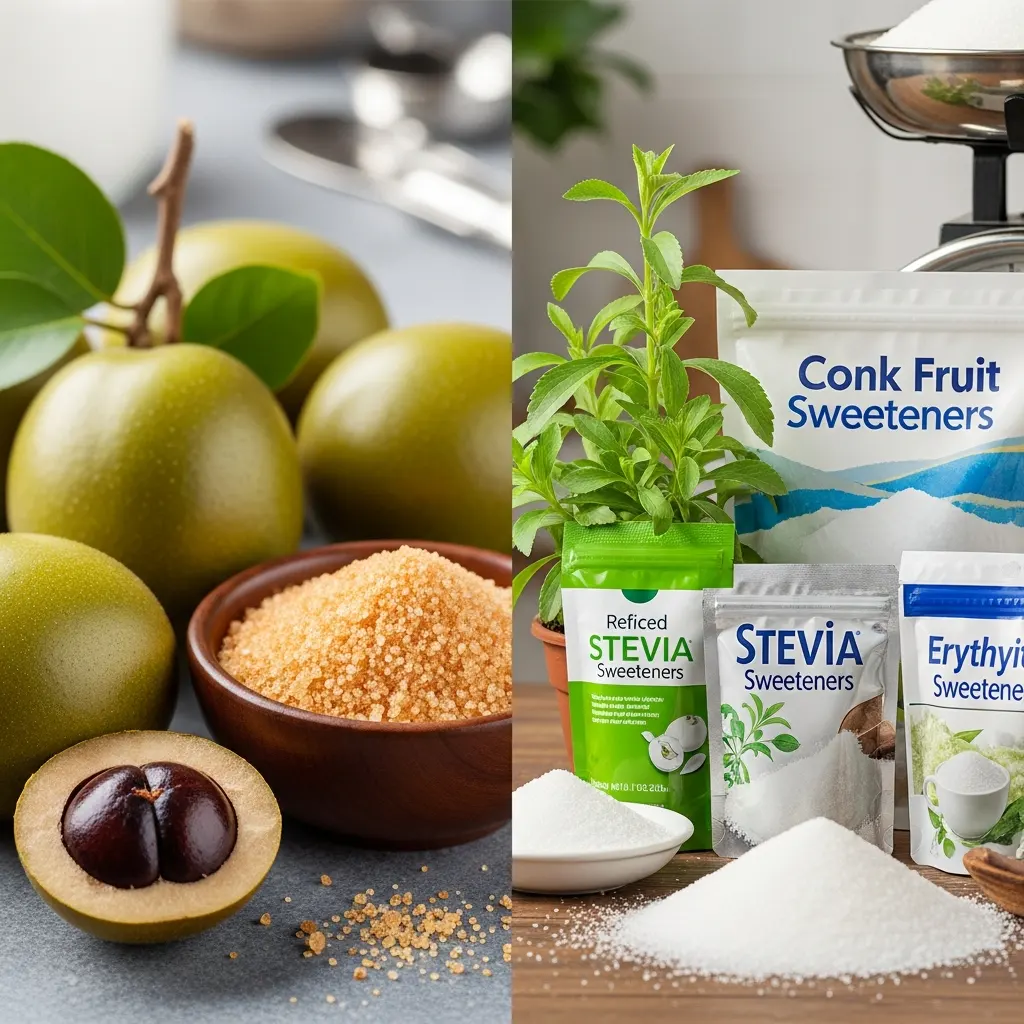
Navigating the sweetener aisle requires understanding how different options compare. Here is a quick clinical breakdown:
| Sweetener | Blood Sugar Impact | Calories | Clinical Notes |
| Monk fruit | None | 0 | Natural, clean taste, excellent for baking. |
| Stevia | None | 0 | Natural, but leaves a bitter, licorice-like aftertaste. |
| Refined Sugar | High | High | Rapidly raises glucose; drives insulin resistance. |
| Erythritol | Minimal | Low | Safe for diabetics, but may cause GI upset in high doses. |
What’s Better for Diabetics: Stevia or Monk Fruit?
From a purely metabolic standpoint, both are excellent, zero-glycemic options. Neither will harm your blood sugar control.
The decision almost always comes down to personal preference and culinary application. Stevia is widely available but is notorious for a bitter, metallic aftertaste, especially when used in coffee or baked goods.
Monk fruit is often preferred for taste because its flavor profile mimics real sugar much more closely. I usually advise my patients to try both and see which one helps them stick to their low-sugar lifestyle most consistently.
Does Erythritol Raise Blood Sugar?
Because these two ingredients are so frequently paired together, we must discuss erythritol. Erythritol is a sugar alcohol found naturally in some fruits and fermented foods.
It has minimal to no effect on blood glucose levels. The human body does not possess the enzymes necessary to break erythritol down, so the vast majority of it is excreted harmlessly in your urine.
For the vast majority of patients, erythritol is perfectly safe for daily diabetic use and will not disrupt glycemic control.
Does Monk Fruit with Erythritol or Allulose Raise Blood Sugar?
The most common baking blends on the market combine mogroside extract with either erythritol or allulose. These combinations are formulated to provide the bulk and browning properties of real sugar.
These blends usually still have a remarkably low impact on your metabolism. Allulose is a rare sugar that passes through the body largely unmetabolized, much like erythritol.
However, success depends entirely on the formulation. You must become a meticulous label reader. If the blend contains maltodextrin or dextrose alongside the safe ingredients, your blood sugar will inevitably rise.
Monk Fruit Sweetener Side Effects
Safety is paramount when introducing any daily supplement or food additive into a diabetic diet. While pure mogrosides are incredibly well-tolerated, the blends they come in can cause issues.
The most commonly reported side effects are gastrointestinal. When consumed in large quantities, the sugar alcohols (like erythritol) used as bulking agents pull water into the digestive tract.
This can lead to severe bloating, gas, cramping, and even osmotic diarrhea in sensitive individuals. Furthermore, while extremely rare, some individuals may experience mild allergic reactions, particularly if they have existing allergies to other gourds or melons.
Monk Fruit Sweetener Warnings & Risks
The biggest risk to patients is not the fruit itself, but the deceptive marketing practices of the food industry. Not all products labeled “monk fruit” are pure.
Many brands use bold packaging to advertise the healthy extract, but hide high-glycemic carbohydrates in the fine print on the back. These hidden carbs in blends are a massive danger to unsuspecting diabetics.
Additionally, overconsumption may cause the GI issues mentioned above. I always advise my patients to introduce these blends slowly into their diet to test their individual digestive tolerance.
Does Monk Fruit Cause Inflammation?
Chronic inflammation is a primary driver of metabolic syndrome and cardiovascular disease. Naturally, patients want to ensure their sugar alternatives are not quietly damaging their bodies.
Currently, there is no strong clinical evidence suggesting that this sweetener causes systemic inflammation in humans. In fact, traditional Eastern medicine has used it for centuries, specifically for its soothing properties.
Some modern animal studies even suggest that mogrosides possess mild anti-inflammatory and antioxidant effects, though more human trials are needed to confirm these specific systemic benefits.
Does Monk Fruit Sweetener Cause Cancer?
Fear of cancer is common with zero-calorie sweeteners due to early controversies surrounding synthetic chemicals like saccharin.
However, there is absolutely no credible human evidence linking mogrosides to any form of cancer. It is a naturally occurring plant compound, not a synthetic laboratory chemical.
It is considered generally recognized as safe (GRAS) by the FDA and is approved by major global regulatory bodies for daily human consumption.
What Are the Negatives of Monk Fruit Sweetener?
No product is completely flawless. The primary negative for most of my patients is the cost. It is significantly more expensive to cultivate and process than synthetic alternatives or regular sugar.
Additionally, there are slight taste differences. While it is closer to real sugar than stevia, it still lacks the exact mouthfeel of sucrose, which can alter the texture of certain baked goods.
Finally, product quality variation is a massive issue. Finding a pure, reliable brand without hidden fillers requires diligent research.
What Is the Safest Sweetener for Diabetics?
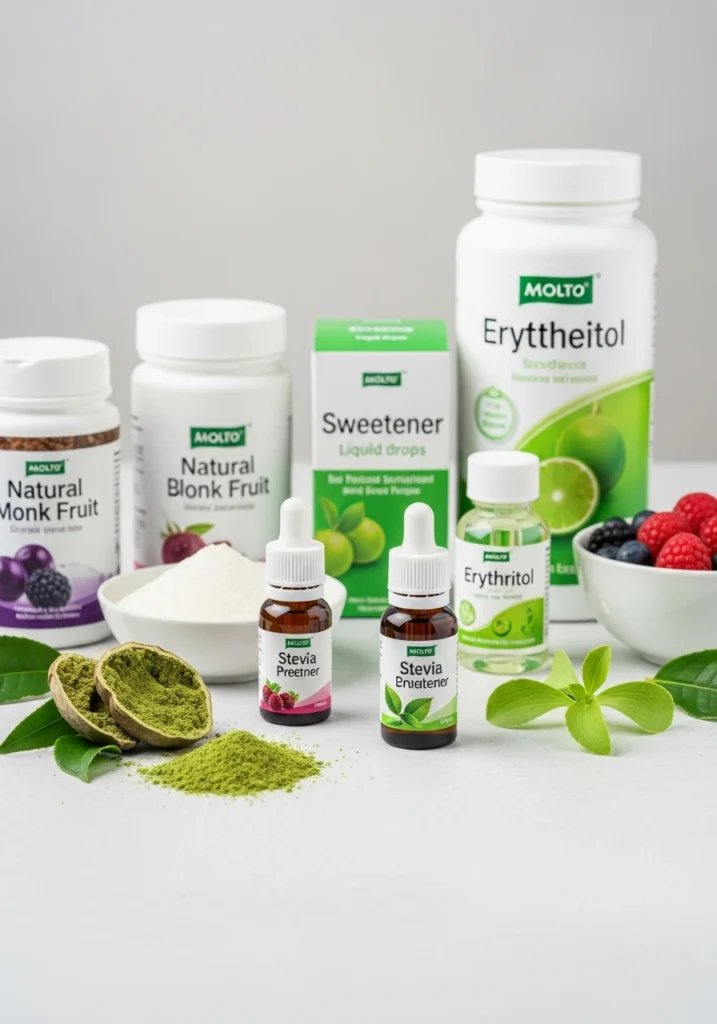
When looking at the entire landscape of non-nutritive sweeteners, pure monk fruit stands at the very top of the list for metabolic safety.
Stevia is a close second, offering identical glycemic benefits but a less favorable taste profile. Erythritol is also highly recommended when used in moderation to avoid digestive upset.
The ultimate goal is to find a natural, zero-calorie option that satisfies your sweet tooth without spiking your insulin or upsetting your stomach.
Monk Fruit Sugar for Diabetics: Practical Tips
Integrating this alternative into your daily routine requires a bit of practical strategy. Here are the best practices I share in my clinic:
- Choose pure extract when possible: Liquid drops are excellent for coffee and tea and contain zero bulking agents.
- Check labels for added sugars: Ruthlessly avoid anything listing maltodextrin, dextrose, or sucrose in the ingredients.
- Use in moderation: A zero-calorie sweetener is not a free pass to overeat highly processed, low-nutrient baked goods.
Does Monk Fruit Raise Blood Sugar? (Reddit vs Reality)
Online forums like Reddit are breeding grounds for both excellent community support and dangerous medical misinformation.
A common myth is that “it spikes insulin because your brain tastes sweetness.” As discussed earlier, clinical data simply do not support a significant cephalic insulin spike from mogrosides.
Another myth is that it is a dangerous “artificial chemical.” In reality, it is a naturally derived fruit extract that has been consumed safely in Asia for hundreds of years. Rely on clinical data, not anonymous internet comments.
Frequently Asked Questions
Does monk fruit spike blood sugar?
No. Pure extract has a glycemic index of exactly zero. Because it does not contain digestible carbohydrates, it passes through your system without causing any rapid elevation in your blood glucose levels.
Is monk fruit safe for diabetics?
Yes. It is widely considered safe and is recommended by many endocrinologists and dietitians as an excellent tool for managing type 2 diabetes and reducing overall sugar intake.
Does monk fruit contain sugar?
The pure extract does not contain any sugar. However, you must read the ingredient labels carefully, as many popular grocery store baking blends mix the extract with hidden sugars like dextrose to add bulk.
What are the side effects of monk fruit?
The pure extract rarely causes side effects. However, when it is blended with sugar alcohols like erythritol, consuming large amounts can lead to mild digestive issues such as bloating, gas, or stomach cramping.
Can I bake with monk fruit if I have diabetes?
Absolutely. Specialized baking blends that combine it with erythritol or allulose act as excellent 1-to-1 sugar replacements in recipes, allowing you to enjoy baked goods without compromising your metabolic goals.
Expert Medical Conclusion
Navigating the world of sugar substitutes can feel like walking through a minefield for anyone managing diabetes. As I frequently remind my patients in the clinic, the goal is not to eliminate all joy from your diet, but rather to make strategic, scientifically sound choices.
When it comes to the question of blood sugar, pure monk fruit extract stands out as one of the safest and most effective tools available today.
Because it contains zero digestible carbohydrates and boasts a glycemic index of zero, it allows you to enjoy sweet flavors without triggering the dangerous glucose and insulin spikes associated with refined sugar.
However, your long-term success depends entirely on your diligence as an informed consumer. The food industry frequently disguises cheap, high-glycemic fillers like maltodextrin and dextrose inside so-called “healthy monk fruit blends.” You must become a habitual label-reader to truly protect your metabolic health.
If you are newly diagnosed with prediabetes, type 2 diabetes, or are struggling with severe insulin resistance, I highly encourage you to safely experiment with pure monk fruit or clean erythritol blends.
Monitor your own body’s unique response using a home glucometer. Finally, always consult with your endocrinologist, primary care physician, or a registered dietitian before making significant overhauls to your nutritional plan.
You have the power to control your glucose—sometimes, it just takes finding the right ingredients.
Medical References:
Related Posts



MORE from Author
Read More As a physician specializing in exercise science and public health, I regularly consult patients who feel completely lost in the…
 Just last week, a 34-year-old patient named Clara sat in my clinic, feeling entirely overwhelmed by the modern fitness industry.…


 Hello, I am Dr. Kenji Sato, MD, specializing in sports medicine and performance optimization. In my sports clinic, I constantly…
- In my clinical practice as a physician focused on exercise science, I often tell patients that mastering fitness bench workouts…