
Does Aspartame Affect Blood Sugar? Science, Risks, and Safe Sweetener Choices

Walk down any grocery store aisle, and you’ll see “sugar-free” or “zero-calorie” labels on everything from yogurt to sparkling water. For millions of people living with prediabetes or Type 2 diabetes, these products are often seen as a dietary lifeline.
However, the question I hear most frequently in my clinic is a pointed one: Does aspartame affect blood sugar?
In my years of practice, I’ve found that patients are increasingly skeptical of “too-good-to-be-true” ingredients. There is a persistent worry that sugar substitutes raise blood sugar levels through some hidden biological backdoor.
While the marketing suggests a free pass for your sweet tooth, the science is more nuanced than a simple yes or no.
Understanding how your body processes these chemicals is essential for maintaining a healthy metabolic baseline. Whether you are trying to lose weight or keep your A1c in check, knowing the truth about aspartame’s impact on your glucose and insulin is the first step toward true health empowerment.
How Does Aspartame Affect Blood Sugar Levels?
To understand how does aspartame affect blood sugar, we first have to look at what it actually is. Unlike table sugar (sucrose), which is a carbohydrate, aspartame is technically a dipeptide. It is made of two amino acids: aspartic acid and phenylalanine. Because it is not a carbohydrate, your body does not break it down into glucose.
When you consume sugar, your blood glucose levels rise, prompting the pancreas to release insulin. However, when you consume aspartame, the metabolic pathway is entirely different. According to the American Diabetes Association—Food & Nutrition], aspartame is roughly 200 times sweeter than sugar, meaning only a tiny amount is needed to achieve the same taste.
This microscopic amount is digested in the small intestine and never actually enters the bloodstream as “sugar.” Therefore, in the vast majority of clinical settings, how does aspartame affect blood sugar levels is straightforward: it has a negligible direct impact.
It does not provide the “fuel” that leads to a traditional glucose spike seen after eating a candy bar.
Will Aspartame Raise Blood Sugar or Insulin?
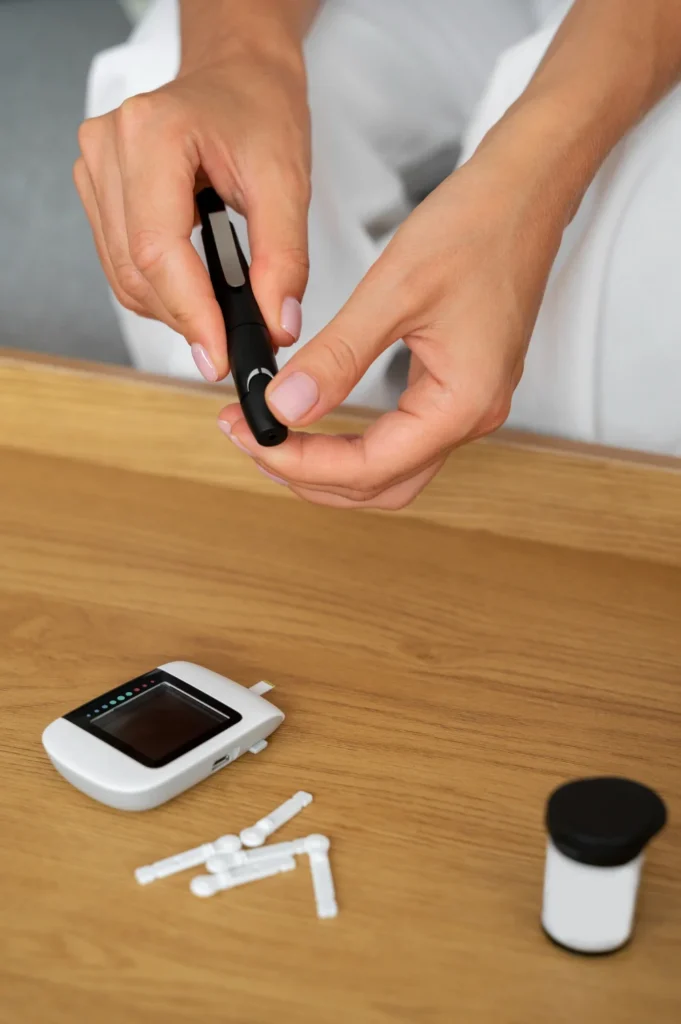
While aspartame doesn’t turn into glucose, many people still ask the following: “Will aspartame raise blood sugar or trigger an insulin spike?” This is where we look at the “Cephalic Phase Insulin Response.”
This theory suggests that just the taste of something sweet can trick your brain into telling your pancreas to release insulin in anticipation of sugar.
In my experience, this is a major point of anxiety for patients. I recently consulted with a patient named Marcus, a dedicated athlete who was terrified that his “Zero” energy drinks were causing his insulin to skyrocket.
We looked at his Continuous Glucose Monitor (CGM) data together. The results showed that his insulin levels remained stable.
The latest research from the Mayo Clinic—Artificial Sweeteners and Diabetes—supports this. Most human trials show that aspartame does not raise insulin levels in the short term. Unlike some other sweeteners, aspartame’s molecular structure doesn’t seem to trigger the same hormonal panic that sugar does.
However, “individual bio-individuality” is real. While the average person won’t see a spike, some individuals with high insulin sensitivity might experience a very minor, temporary shift. But for the general population, will aspartame spike blood sugar?
No, not in the way a carbohydrate-heavy snack would.
Does Diet Soda Raise Insulin or Blood Sugar?
The diet soda debate is arguably the most heated corner of nutritional science. Does diet soda raise insulin through some other mechanism? Some studies suggest that while the soda itself doesn’t have sugar, the phosphoric acid or other additives might subtly alter gut bacteria, which could indirectly lead to a sugar-free increase in blood glucose over time.
However, many of these “concerns” come from observational studies where people who drink diet soda also tend to eat more high-calorie foods elsewhere. This is known as “compensatory eating.” Someone might drink a diet soda so they feel “justified” in eating a large order of fries.
In controlled clinical trials, drinking a diet soda does not directly cause an insulin surge. If you are drinking a sugar-free beverage, you are effectively consuming flavored water from a glycemic perspective.
The real danger isn’t the insulin spike from the soda; it’s the psychological trap of craving more sweets later in the day. If diet soda makes you crave real sugar an hour later, that is when your blood sugar will eventually suffer.
Which Artificial Sweeteners Raise Blood Sugar?
When we discuss which artificial sweeteners raise blood sugar, we have to look beyond just aspartame. The market is flooded with different chemicals, and they are definitely not created equal. In this section, I want to break down the most common brands and how they behave in your body.
Aspartame (Equal/Blue Packets)
As we’ve established, aspartame is a protein-based sweetener. It is widely used in diet sodas and “blue packets.” It is one of the most studied food additives in history. For most diabetics, it is a safe choice because it has a glycemic index of zero. It does not provide the building blocks for glucose, making it a “neutral” choice for blood sugar management.
Sucralose (Splenda/Yellow Packets)
Sucralose is made from actual sugar molecules that have been chemically altered so the body can’t digest them. Does sucralose raise blood sugar in diabetics? For most, it does not. However, some newer research suggests that sucralose might have a more significant impact on the gut microbiome than aspartame.
In some cases, chronic use of sucralose has been linked to a slight increase in insulin resistance in certain individuals. While it won’t spike you immediately like a donut, its long-term effects on how you handle other sugars are still being investigated by researchers.
Saccharin (Sweet’N Low/Pink Packets)
Saccharin is the oldest artificial sweetener on the market. Like aspartame, it has a glycemic index of zero. While it was once controversial due to animal studies, it is generally recognized as safe for blood sugar. However, its bitter aftertaste often leads manufacturers to mix it with other “bulking agents” like dextrose or maltodextrin.
The Danger of Bulking Agents
This is a “doctor’s secret” you need to know. When you buy packets of Equal, Splenda, or Sweet’N Low, the sweetener itself is so potent that the packet would be empty if they only used the chemical. To fill the packet, companies add “bulking agents” like maltodextrin or dextrose.
These agents are carbohydrates. Maltodextrin actually has a higher glycemic index than table sugar! If you use ten packets of “sugar-free” sweetener in your coffee every day, those bulking agents can add up and absolutely cause a rise in your blood sugar. Always check the label for these hidden fillers.
Sugar Alcohols (Erythritol, Xylitol, Sorbitol)
While not “artificial” in the same way, sugar alcohols are common sugar substitutes. Erythritol is the most blood-sugar-friendly, as it is mostly absorbed in the small intestine and excreted unchanged. Sorbitol and xylitol, however, can have a mild glycemic impact and often cause digestive upset (bloating and laxative effects) if consumed in large quantities.
Does Aspartame Affect Insulin Resistance or Metabolism?
While the immediate impact on glucose is minimal, we must look at the long-term metabolic picture. Does aspartame affect glucose metabolism and appetite-regulating hormones? This is a question of “metabolic signaling.”
Some researchers argue that artificial sweeteners can confuse the gut’s “sweetness sensors.” Normally, sweetness signals incoming energy. When your body tastes sweetness (aspartame) but receives no calories, it may lead to an over-secretion of certain gut hormones like GLP-1.
Over time, do artificial sweeteners raise insulin resistance? The evidence in humans is still evolving. While short-term use is generally cleared by the FDA, chronic, heavy consumption may subtly alter your gut microbiome.
A disrupted microbiome can lead to low-grade inflammation, which is a known driver of insulin resistance. I tell my patients to view aspartame as a “bridge,” not a permanent destination. It helps you transition away from sugar, but water should always remain your primary source of hydration to keep your metabolism pristine.
Is Aspartame Good for Diabetes?
When patients ask if is aspartame good for diabetes, I prefer to use the term “harm reduction.” It is not a “superfood,” but it is significantly safer than consuming refined sugar for someone with insulin issues.
According to the Centers for Disease Control and Prevention (CDC)—Diabetes and Diet—managing your total carbohydrate intake is the priority. Aspartame allows you to enjoy a sweet taste without adding to your carbohydrate count.
However, the “safest” sweetener for diabetics is often a matter of personal tolerance. Many of my patients prefer stevia or monk fruit because they are plant-derived and have less “chemical” stigma.
What is the safest sweetener for diabetics? From a purely clinical standpoint, aspartame and stevia are both excellent choices for blood sugar stability. The key is moderation. The Acceptable Daily Intake (ADI) for aspartame is roughly 50 mg per kilogram of body weight—that is equivalent to about 18 to 20 cans of diet soda per day.
What Are the Three Worst Drinks for Blood Sugar?
To protect your health, you must know what to avoid. If you are struggling with your levels, these are the three worst drinks for blood sugar that I see in my practice every day.
First, regular soda is a metabolic nightmare. A single can contains roughly 10 teaspoons of sugar, which hits your bloodstream like a freight train. Second, “fancy” coffeehouse drinks. A large latte with flavored syrup and whipped cream can contain more sugar than three donuts.
Third, fruit juice concentrates. Many people think orange juice is healthy because it comes from fruit. In reality, it is concentrated sugar without the fiber of the whole fruit.
Even “no sugar added” juices can spike your glucose higher than a soda because the fruit sugars are so concentrated. If you have diabetes, these three drinks should be completely removed from your daily routine to avoid dangerous glucose swings.
What Is a Normal Blood Sugar Level?

Maintaining health requires knowing your target. What is a normal blood sugar level? This is the foundation of every conversation I have about metabolic health.
According to the [American Diabetes Association (ADA)—Understanding Your Numbers], a healthy fasting glucose level is between 70 and 99 mg/dL. If your numbers consistently fall above this, you may be dealing with prediabetes or diabetes.
I often have patients like Mrs. Gable, who felt “fine” but was shocked to find her fasting sugar at 112 mg/dL. We caught her prediabetes early, and by swapping her sugary tea for an aspartame-sweetened version, we brought her numbers back to normal within months.
Knowing what a healthy blood sugar range for adults is allows you to make informed decisions before a minor issue becomes a chronic disease. Refer to the table below for the standard diagnostic categories.
| Category | Fasting Glucose (mg/dL) | A1c Percentage (%) |
| Normal | 70–99 | Below 5.7 |
| Prediabetes | 100–125 | 5.7–6.4 |
| Diabetes | 126 or higher | 6.5 or higher |
Frequently Asked Questions
Does aspartame spike insulin?
Clinical studies show that aspartame does not cause a significant spike in insulin levels for the vast majority of people. It lacks the carbohydrates necessary to trigger a standard insulin response.
Is diet soda safe for diabetes?
Yes, diet soda is considered a safe “harm reduction” tool for people with diabetes. However, it should be consumed in moderation as part of a balanced diet that prioritizes water.
Do artificial sweeteners raise blood sugar?
Most artificial sweeteners, such as aspartame, sucralose, and saccharin, have a glycemic index of zero and do not directly raise blood sugar. Be wary of “bulking agents” like maltodextrin in packets.
Which sweetener is safest for diabetics?
Aspartame and stevia are among the safest and most researched. Many doctors prefer Stevia because it is plant-based, but both are effective for maintaining blood sugar stability.
Does aspartame raise blood pressure?
There is no strong clinical evidence suggesting that moderate aspartame intake raises blood pressure. However, some diet sodas contain sodium, which can impact blood pressure in sensitive individuals.
Conclusion
In conclusion, the science is clear: Does aspartame affect blood sugar in a way that should alarm you? For the vast majority of people, the answer is no. It provides a sweet alternative that keeps glucose and insulin levels stable, making it a valuable tool for diabetes management.
While it is not a “health food,” it is a significantly safer option than refined sugar. By understanding the nuances of how these sweeteners work—and staying mindful of hidden fillers—you can enjoy a sweeter life without compromising your metabolic health.
Authoritative References
- Nutrients—The Effect of Non-Nutritive Sweeteners on Body Weight and Glycemic Control
- Cell—Personalized microbiome-driven effects of non-nutritive sweeteners on human glucose tolerance
- dagensdiabetes.se double diabetes: the silent threat hiding in type 1 patients
- The BMJ—Association between intake of non-sugar sweeteners and health outcomes: systematic review
Related Posts






MORE from Author
Read More As a physician specializing in exercise science and public health, I regularly consult patients who feel completely lost in the…
 Just last week, a 34-year-old patient named Clara sat in my clinic, feeling entirely overwhelmed by the modern fitness industry.…


 Hello, I am Dr. Kenji Sato, MD, specializing in sports medicine and performance optimization. In my sports clinic, I constantly…
- In my clinical practice as a physician focused on exercise science, I often tell patients that mastering fitness bench workouts…