
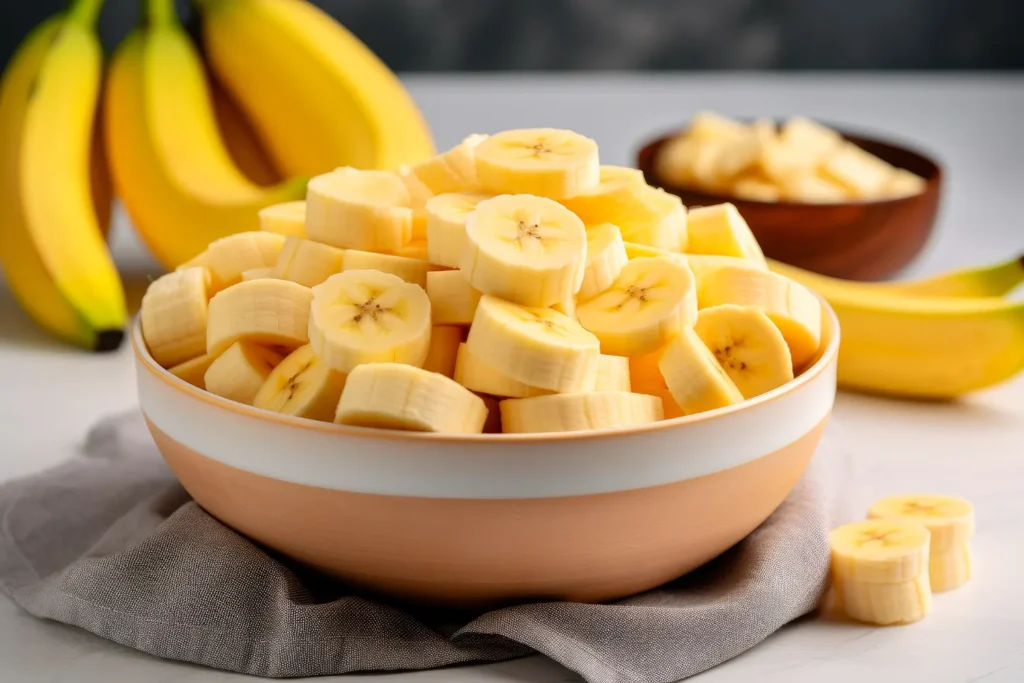
Do Bananas Raise Blood Sugar? A Doctor’s Guide for Diabetics
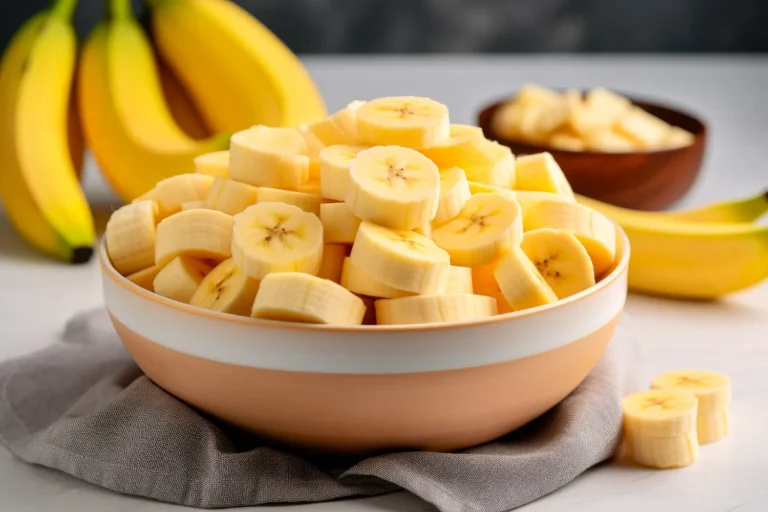
I frequently see patients completely panic when evaluating their daily fruit choices. Recently, my patient Thomas came into my endocrinology clinic holding his continuous glucose monitor (CGM) data in frustration.
He asked me a very common, yet crucial question: Do bananas raise blood sugar enough to justify cutting them out of my diet entirely?
After reviewing his readings, we discovered his mid-morning fruit habit was causing noticeable spikes, but the fruit itself wasn’t entirely to blame. The context of how he ate it mattered most. As a physician, I want to clarify exactly how this popular fruit interacts with your metabolic system.
TL;DR: Quick Clinical Overview
- Yes, bananas can raise blood sugar, but the specific effect depends heavily on fruit ripeness, your portion size, and meal pairings.
- Bananas possess a moderate glycemic index (GI), meaning they absorb more slowly than candy but faster than berries.
- Most people with diabetes can safely eat ½ to 1 whole banana when paired strategically with protein or fiber.
- They do not cause diabetes when consumed in moderation.
Do Bananas Raise Blood Sugar Levels?
The straightforward clinical answer is yes, because they are inherently rich in natural carbohydrates. Your digestive system meticulously breaks down these carbohydrates into glucose, which then enters your bloodstream.
However, the resulting increase in your glucose levels is usually moderate, not extreme. Unlike processed sweets or sugary sodas, this fruit contains vital dietary fiber that helps regulate digestion.
Therefore, eating one does not automatically guarantee a dangerous metabolic emergency. The key lies entirely in understanding how your unique body processes natural fructose and glucose.
How Much Do Bananas Raise Blood Sugar?
Determining the exact numerical impact requires looking at several distinct variables. When patients ask me how high their numbers will climb, I cannot give a single universal number. The impact is highly individualized and depends on four critical factors.
Table: Blood Sugar Impact Factors
| Factor | Metabolic Effect |
| Fruit Ripeness | Riper, brown-spotted fruit = significantly higher sugar spike. |
| Portion Size | Larger fruit = bigger carbohydrate load and higher spike. |
| Meal Pairing | Adding protein or healthy fat = reduces and delays the spike. |
| Individual Metabolism | Baseline insulin sensitivity varies widely from person to person. |
The Role of Ripeness
The physical ripeness of the fruit changes its internal chemical composition dramatically. When a banana is green, it consists primarily of resistant starch. Your body actually struggles to digest resistant starch, meaning it acts very similarly to dietary fiber.
Consequently, a green or slightly yellow banana will barely move your glucose needle. However, as the skin develops brown spots, those complex starches convert directly into simple, fast-acting sugars. A heavily spotted, overripe banana will hit your bloodstream almost as rapidly as a handful of crackers.
The Importance of Portion Control
Size absolutely matters when managing daily carbohydrate limits. A small, six-inch banana contains significantly fewer total carbs than an extra-large, nine-inch version. Your pancreas must produce enough insulin to match the exact carbohydrate load you ingest.
If you eat a massive portion, you overwhelm your body’s available insulin supply. Therefore, I frequently advise my patients to simply cut their fruit in half. Saving the other half for later prevents a sudden, overwhelming surge in your vascular system.
Do Bananas Raise Blood Sugar Quickly or Slowly?
To understand the speed of digestion, we rely on the Glycemic Index (GI). The GI strictly measures how fast a specific food elevates your circulating glucose on a scale from 0 to 100.
A standard, medium-ripe banana has a moderate glycemic index score ranging from 51 to 60. This firmly places it right in the middle of the metabolic spectrum. It digests significantly slower than pure sugary snacks or white bread.
However, it digests notably faster than low-carb vegetables or strictly protein-based foods. Therefore, you will likely see a gentle, rolling peak on your CGM rather than a violent, sharp spike.
Why Do Bananas Raise Blood Sugar?
The biological mechanism is entirely based on basic carbohydrate digestion. This tropical fruit naturally contains three distinct types of sugar: glucose, fructose, and sucrose.
When you chew and swallow the fruit, your stomach acids and intestinal enzymes break these complex structures apart. These newly freed sugar molecules pass directly through your intestinal walls and into your bloodstream.
Furthermore, as the fruit ripens, the protective fiber content effectively decreases. Lower fiber means less digestive friction, allowing those sugars to absorb with incredible speed.
How Much Sugar Is in a Banana?
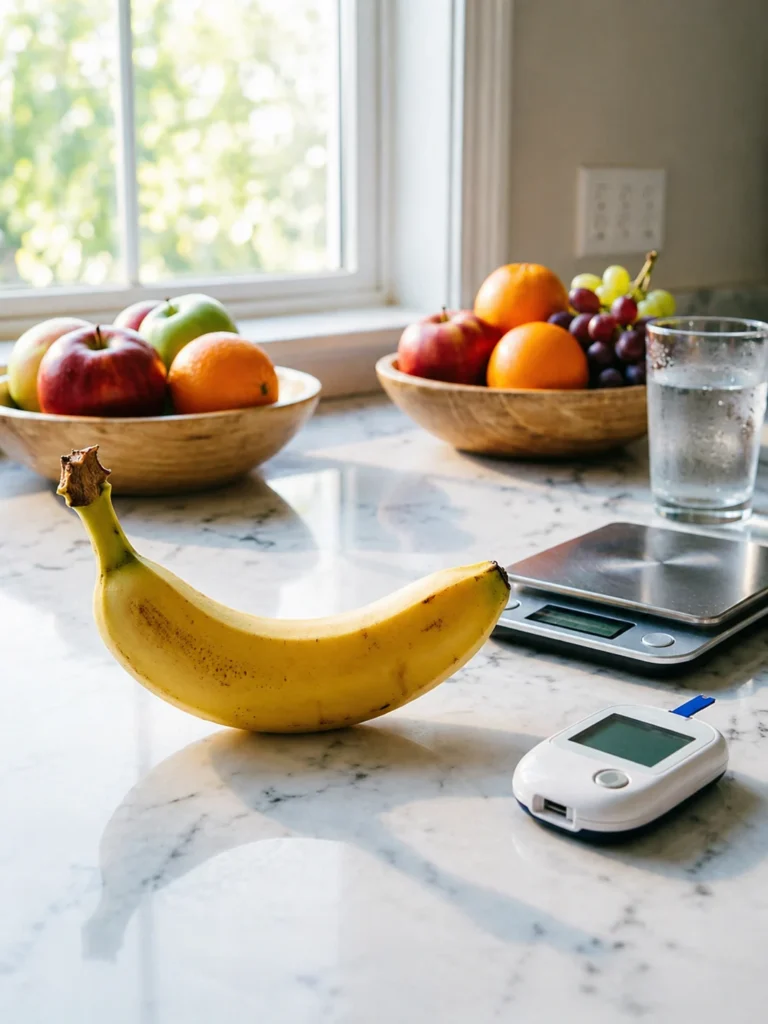
Understanding the exact nutritional breakdown helps you calculate your daily macros accurately. You must look at both the total sugars and the total carbohydrates to get the full picture.
Quick Nutritional Answer:
A standard medium banana (approximately 7 to 8 inches in length) contains:
- ~14 to 15 grams of total natural sugar.
- ~27 grams of total carbohydrates.
- ~3 grams of dietary fiber.
While 14 grams of sugar sounds intimidating to a diabetic patient, context is crucial. Because it is securely bound within natural plant fiber, your body processes it far more efficiently than 14 grams of added table sugar.
Do Bananas Spike Blood Sugar in Diabetics?
They certainly can raise your levels, but they rarely cause a dangerous “spike” if you employ strict portion control. A true spike usually implies an uncontrolled, rapid ascent that leaves you feeling fatigued or thirsty.
Whether you experience a gentle rise or a sharp spike depends heavily on your current A1C level. If your baseline insulin sensitivity is already severely compromised, your body will struggle more.
Additionally, meal timing plays a massive role in your body’s reaction. Eating this fruit completely alone on an empty stomach almost guarantees a sharper, faster glucose reaction.
Can Diabetics Eat Bananas?
The quick and definitive medical answer is yes, absolutely. You can enjoy them safely in moderation. Restricting all fruit out of fear often leads to unnecessary nutritional deficiencies and diet burnout.
Should Diabetics Eat Bananas?
I actively encourage my patients to incorporate them strategically because the nutritional benefits are profound. They are not just empty carbohydrate vessels.
Health Benefits:
- They provide excellent, heart-healthy dietary fiber.
- They are heavily packed with essential potassium.
- They deliver high amounts of vital Vitamin B6 for nerve health.
Potential Risks:
- Overconsumption inevitably leads to unwanted glucose rises.
- Eating them overripe maximizes the immediate carbohydrate burden.
Is Banana Bad for Diabetics?
This fruit is not inherently bad or toxic for your metabolic health. Labeling whole, unprocessed foods as “bad” creates a highly toxic diet culture.
The exact portion size and the specific context of your meal matter far more than the fruit itself. A small piece paired with a handful of almonds is actually a fantastic, stabilizing snack.
How Many Bananas Can a Diabetic Eat Per Day or Week?
Patients frequently ask me for a specific, mathematical limit to their fruit intake. While I prefer to personalize dietary plans based on individual metabolic data, strict general guidelines do exist. As a standard rule, I advise consuming no more than ½ to 1 small banana per day.
If we look at a weekly schedule, aiming for 3 to 5 whole bananas per week is a very safe, manageable target. This allows you to enjoy the nutritional benefits without constantly overwhelming your insulin response. If you maintain an active lifestyle, your muscles will absorb those carbohydrates much more efficiently.
Ultimately, your total daily carbohydrate budget dictates your exact limit. If you plan to eat a large serving of rice or pasta for dinner, you might want to skip the fruit that morning. Balancing your entire plate is the secret to long-term success.
Can Diabetics Eat Bananas Every Day?
Yes, you can theoretically eat them every single day if certain strict conditions are met. First, your overall baseline blood sugar must be well-controlled and stable. If your A1C is currently elevated, daily consumption might make stabilization much harder.
Second, you must remain incredibly disciplined regarding your portion limits. Eating half a slightly green banana every morning with a high-protein breakfast is perfectly fine. The fiber and protein will actively blunt the glucose absorption rate.
However, if eating one every day causes your glucose readings to creep upward over time, you must adjust. Always listen to what your personal glucometer or CGM data is actively telling you.
How Much Will One Banana Raise My Blood Sugar?
In my endocrinology practice, I analyze hundreds of continuous glucose monitor (CGM) graphs every week. When a patient eats a medium, moderately ripe banana on an empty stomach, I typically observe a 20 to 40 mg/dL increase.
However, this number fluctuates wildly depending on the individual’s unique level of insulin resistance. A newly diagnosed patient might see a 60 mg/dL surge, while a well-managed patient might only see a 15 mg/dL bump.
This is precisely why I encourage my patients to test their blood exactly two hours after eating. This simple at-home test reveals exactly how much that specific fruit impacts your personal metabolic system.
Is One Banana a Day Too Much Sugar?
For the average, healthy individual without metabolic dysfunction, absolutely not. The human body is perfectly equipped to process 15 grams of natural fruit sugar daily. In fact, the accompanying vitamins and fiber make it a highly beneficial daily habit.
For a patient managing diabetes, it simply depends on the rest of their daily menu. If that piece of fruit represents your only major carbohydrate source for the morning, it is perfectly safe.
Conversely, if you add it to a massive bowl of sweetened oatmeal and a glass of orange juice, it becomes dangerous. You have effectively stacked too many fast-acting carbohydrates together, which will inevitably overwhelm your pancreas.
Banana Sugar: Good or Bad?
We need to stop categorizing natural food sources as inherently “good” or “bad.” The sucrose and fructose found in whole fruit are completely natural energy sources. They are securely bundled within a complex matrix of water, vitamins, and cellular fiber.
This is vastly different from the highly processed, refined sugars found in sodas or candy bars. Processed sugars hit your liver and bloodstream instantly, causing massive hormonal disruption and fat storage.
Therefore, natural banana sugar is perfectly fine when consumed in moderation. You simply must respect its carbohydrate density and plan your meals accordingly.
Should You Eat a Banana If You Have High Blood Sugar?
If your glucose monitor is currently flashing a high reading (hyperglycemia), you must temporarily avoid all carbohydrate-heavy fruits. Eating any fast-acting carbohydrates during an active spike will only throw fuel on the metabolic fire.
If your numbers are elevated above your target range, drink two large glasses of plain water instead. Taking a brisk, 15-minute walk will also help your muscles burn off that excess circulating glucose.
Wait patiently until your levels stabilize back into a safe, normal range. Only then should you consider reintroducing fruit or other complex carbohydrates into your next meal.
Do Bananas Cause Diabetes?
This is one of the most pervasive and frustrating myths I encounter in clinical practice. There is absolutely zero scientific evidence suggesting that eating whole fruit causes this disease. Type 2 diabetes is a highly complex metabolic disorder with deep, systemic roots.
The true causes center entirely around chronic insulin resistance, genetic predispositions, and a sedentary lifestyle. A diet heavily dominated by ultra-processed foods, refined grains, and added sugars drives this insulin resistance.
Blaming a piece of natural fruit for a systemic metabolic failure is scientifically inaccurate. You can safely enjoy them knowing they are not the root cause of your condition.
Are Bananas Too High in Sugar?
Compared to other common fruits, they sit firmly in the middle of the sugar spectrum. They certainly contain more total carbohydrates than a handful of fresh raspberries or blackberries. Berries are universally recognized as the absolute best, lowest-sugar fruit option.
However, they contain significantly less concentrated sugar than sweet grapes, fresh figs, or dates. It is all about perspective and making informed, educated choices at the grocery store.
If you love them, keep them in your diet, but swap your other daily snacks for lower-sugar alternatives. This strategic nutritional trade-off allows you to enjoy what you love without compromising your health.
What Fruits Should Diabetics Limit?
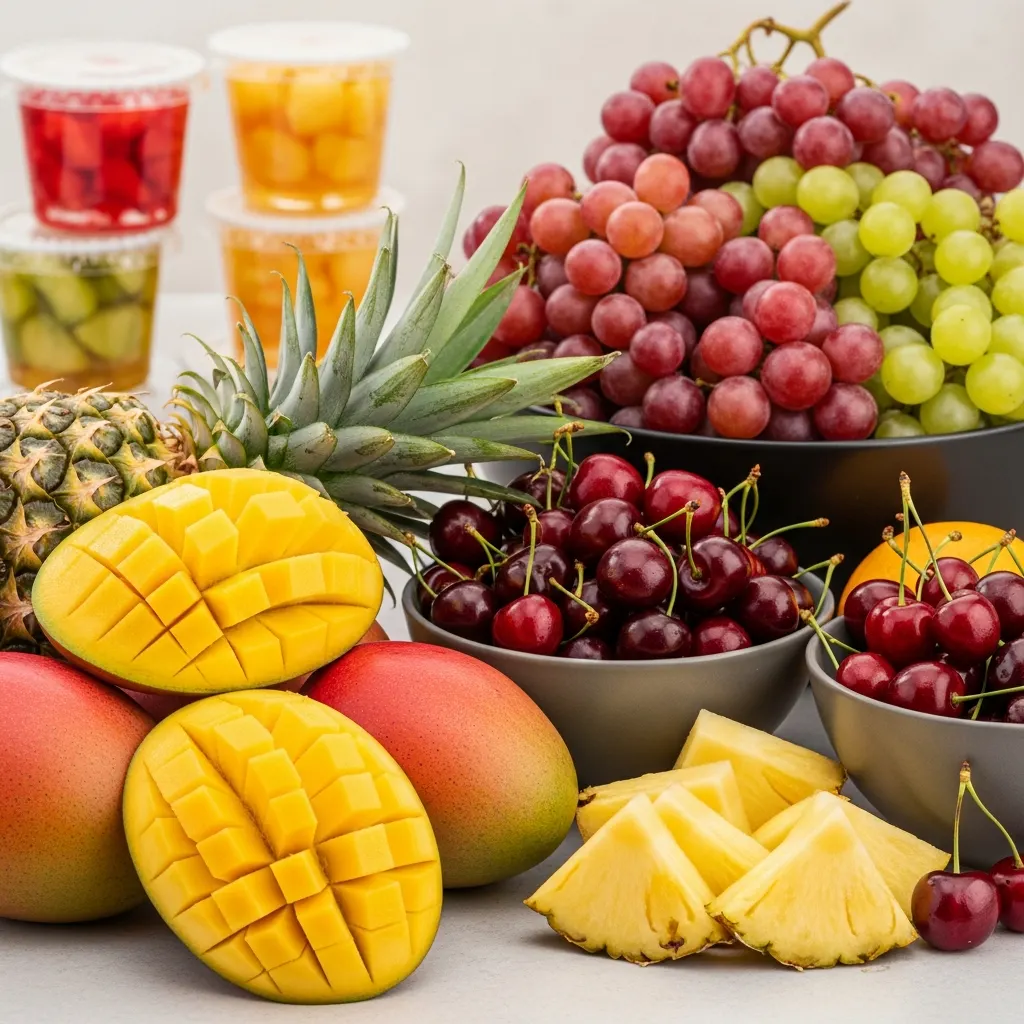
While I rarely tell patients to completely banish any whole foods, some fruits require extreme caution. Certain tropical and dense fruits possess incredibly high glycemic loads that hit your system like a freight train.
For example, very ripe mangoes, fresh pineapple, and sweet cherries will dramatically spike your readings. Similarly, a large bowl of seedless grapes provides almost no fiber to slow down their massive sugar content.
Furthermore, you must entirely avoid all canned fruits swimming in heavy, sugary syrups. Stick exclusively to fresh, whole produce, and prioritize berries, apples, and slightly green bananas for optimal control.
Do Bananas Raise Blood Pressure?
Many patients mistakenly believe that a sugar spike automatically causes a blood pressure spike. In reality, this specific fruit is highly beneficial for your cardiovascular health. They are heavily packed with potassium, a vital mineral that directly lowers your blood pressure.
Potassium naturally relaxes the walls of your blood vessels, allowing blood to flow with less physical resistance. Additionally, it helps your kidneys actively flush out excess, harmful sodium through your urine.
Therefore, incorporating them into a balanced diet actually protects your heart. Just ensure your portion sizes align tightly with your glucose management goals.
Best Ways to Eat Bananas Without Spiking Blood Sugar
Through years of clinical observation, I have identified exactly how to outsmart the carbohydrate spike. You can completely change how your body absorbs the fruit by making a few simple, strategic adjustments.
- Pair with Peanut Butter: The heavy, healthy fats and protein in nut butter drastically slow down sugar absorption.
- Eat Slightly Green Bananas: The high resistant starch acts like fiber, preventing a rapid glucose release.
- Combine with Greek Yogurt: High-protein plain yogurt buffers the fruit’s carbohydrates beautifully in your stomach.
- Never Eat on an Empty Stomach: Enjoy them as a dessert directly after a healthy, vegetable-heavy meal instead.
Frequently Asked Questions
Do bananas spike blood sugar?
They will raise your glucose levels, but they rarely cause a sharp, dangerous “spike” if portion-controlled. Eating them slightly green and pairing them with a healthy fat or protein significantly flattens the metabolic curve.
Can diabetics eat bananas every day?
Yes, if your overall condition is well-managed and your daily A1C levels remain stable. You must strictly limit yourself to a small portion, such as half a banana, and account for those carbohydrates in your daily meal plan.
How much sugar is in one banana?
A standard, medium-sized banana contains approximately 14 to 15 grams of natural sugar and roughly 27 grams of total carbohydrates. However, this sugar is bound by roughly 3 grams of dietary fiber, which aids in slower digestion.
Should I avoid bananas if I have diabetes?
No, you do not need to avoid them entirely. Restricting whole fruits often leads to unnecessary dietary frustration and missing out on vital nutrients like potassium and vitamin B6. Moderation and proper meal pairing are the ultimate keys to success.
What two fruits should a diabetic avoid?
While no fruit is strictly forbidden, patients should severely limit highly concentrated fruits like grapes and overripe mangoes. Additionally, absolutely avoid all canned fruits packaged in heavy, sweetened syrups, as they act like pure liquid sugar in the bloodstream.
The Expert Conclusion
Managing your metabolic health doesn’t mean you have to say goodbye to every sweet thing nature provides. In my years of clinical practice, I’ve found that the most successful patients aren’t the ones who restrict everything, but the ones who understand how to adapt.
Thomas, the patient I mentioned at the start of this guide, was able to keep his morning banana once he started pairing it with Greek yogurt and choosing slightly less ripe fruit. He didn’t have to sacrifice his favorite snack; he just had to upgrade his strategy.
Bananas are a nutritional powerhouse, not a dietary villain. They offer vital potassium and fiber that your heart and gut desperately need. By controlling your portions and paying attention to ripeness, you can enjoy these benefits without the metabolic stress.
If you’re still feeling unsure about how your body handles fruit, don’t guess—get real data. Use your glucometer, track your patterns, and most importantly, consult a board-certified endocrinologist for a personalized plan. Let’s focus on sustainable health, not restriction.
Medical References:
- Harvard T.H. Chan School of Public Health (Nutritional Authority): The Nutrition Source: Bananas
- American Diabetes Association (ADA – Clinical Guidelines): Best Fruit Choices For Diabetes
- PubMed / Journal of Food Science and Technology (Peer-Reviewed Study): Bioactive compounds in banana and their associated health benefits
- Frontiers in Nutrition (Peer-Reviewed Research): Health Benefits of Green Banana Consumption
Related Posts





MORE from Author
Read More I frequently see patients completely panic when evaluating their daily fruit choices. Recently, my patient Thomas came into my endocrinology…
 Artificial sweeteners promise the ultimate nutritional loophole: all the sweet taste you crave without the sugar, the calories, or the…
- If you have ever felt your heart race after a sugary snack, you might wonder—can sugar raise blood pressure? Most…
- Hello, I am Dr. Kenji Sato, MD. In my years of clinical practice, I have helped thousands of patients navigate…