Sleep Apnea Treatment Without CPAP: Best Alternatives, New Devices, and Natural Options
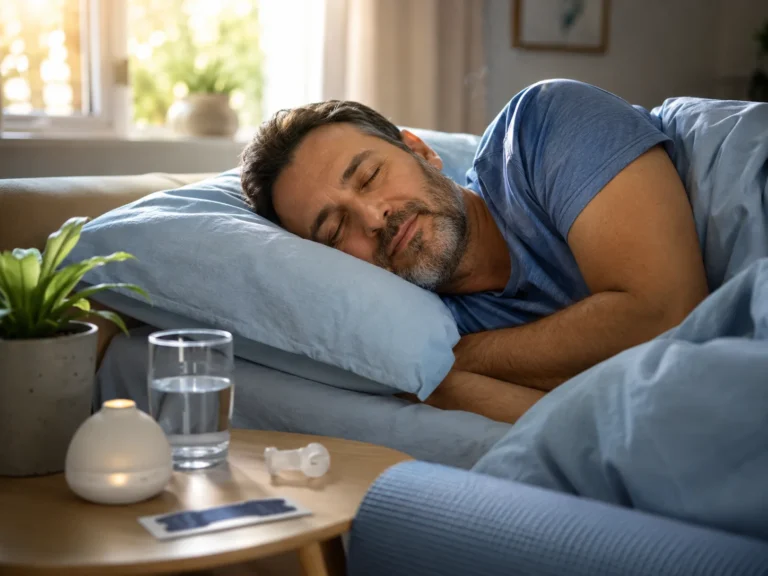
Welcome to our comprehensive guide on navigating and treating serious sleep disorders. Have you been diagnosed with a severe breathing issue at night but absolutely hate your breathing machine? You are definitely not alone in this struggle.
Many patients desperately seek a sleep apnea treatment without CPAP because they find the traditional masks highly claustrophobic or excessively noisy. As a medical professional, I completely understand this intense daily frustration. Recently, I interviewed a patient, Sarah, who had struggled for five years with mask leaks and skin irritation.
Therefore, I want to explore the absolute best alternatives currently available to you. We will discuss everything from advanced custom dental devices to highly innovative surgical implants that naturally stimulate your airway muscles. Understanding what is sleep apnea is the first step toward finding a cure that fits your lifestyle.
Consequently, you will quickly discover that a bulky bedside machine is not your only path to restful sleep. Furthermore, we will explore several powerful natural lifestyle changes that can significantly improve your nighttime breathing and overall cardiovascular health.
Mayo Clinic — Sleep Apnea: Diagnosis & Treatment
TL;DR: Quick Overview
- Core Fact: You do not necessarily have to use a CPAP machine to effectively treat every type of sleep apnea.
- Top Alternatives: Custom oral appliances, significant weight loss, positional therapy, and smart nerve stimulation implants are highly effective.
- Severity Matters: Natural home remedies often work well for mild cases, while severe cases usually require advanced devices or surgery.
- Innovative Tech: The FDA-approved Inspire implant uses tiny electrical pulses to naturally stimulate your tongue muscles and keep your airway open.
- Medical Guidance: Always consult a board-certified sleep specialist like Dr. Julian MD before abandoning your CPAP or attempting to self-treat.
What is Sleep Apnea?
Before exploring alternatives, we must understand exactly what condition we are attempting to treat. Obstructive Sleep Apnea (OSA) occurs when your throat muscles relax too much during the deep stages of sleep, leading to a physical blockage.
Consequently, your airway physically collapses under gravity, stopping your breath entirely for several seconds or minutes. On the other hand, Central Sleep Apnea (CSA) is fundamentally a neurological communication issue involving the brain.
In this specific case, your brain temporarily forgets to send the correct electrical breathing signals to your respiratory muscles. Untreated apnea is often linked to other issues, such as heart-failure-common-symptoms, making treatment non-negotiable.
PubMed Central — Management of mild obstructive sleep apnea
Why Some People Look for Sleep Apnea Treatment Without CPAP
Continuous Positive Airway Pressure (CPAP) is undoubtedly the clinical gold standard for managing severe airway collapse. However, long-term compliance rates are notoriously low because the machine can be highly uncomfortable for many users.
First of all, many anxious patients experience severe claustrophobia when wearing a tight silicone mask over their nose and mouth. Additionally, the constant, high-pressure air frequently causes severe dry mouth or chronic nasal congestion throughout the night.
Furthermore, traveling extensively with a bulky machine, distilled water, and various tangled cords is incredibly frustrating. In my clinical practice, I regularly hear exhausted patients say they feel physically tethered to their bed by the hose.
Because of these highly valid, everyday complaints, finding a comfortable, effective alternative is absolutely crucial. If you hate your machine so much that you refuse to wear it, you remain at risk for heart-disease-symptoms and long-term organ damage.
Mayo Clinic — Sleep apnea – Diagnosis and treatment
Best Sleep Apnea Treatment Without CPAP
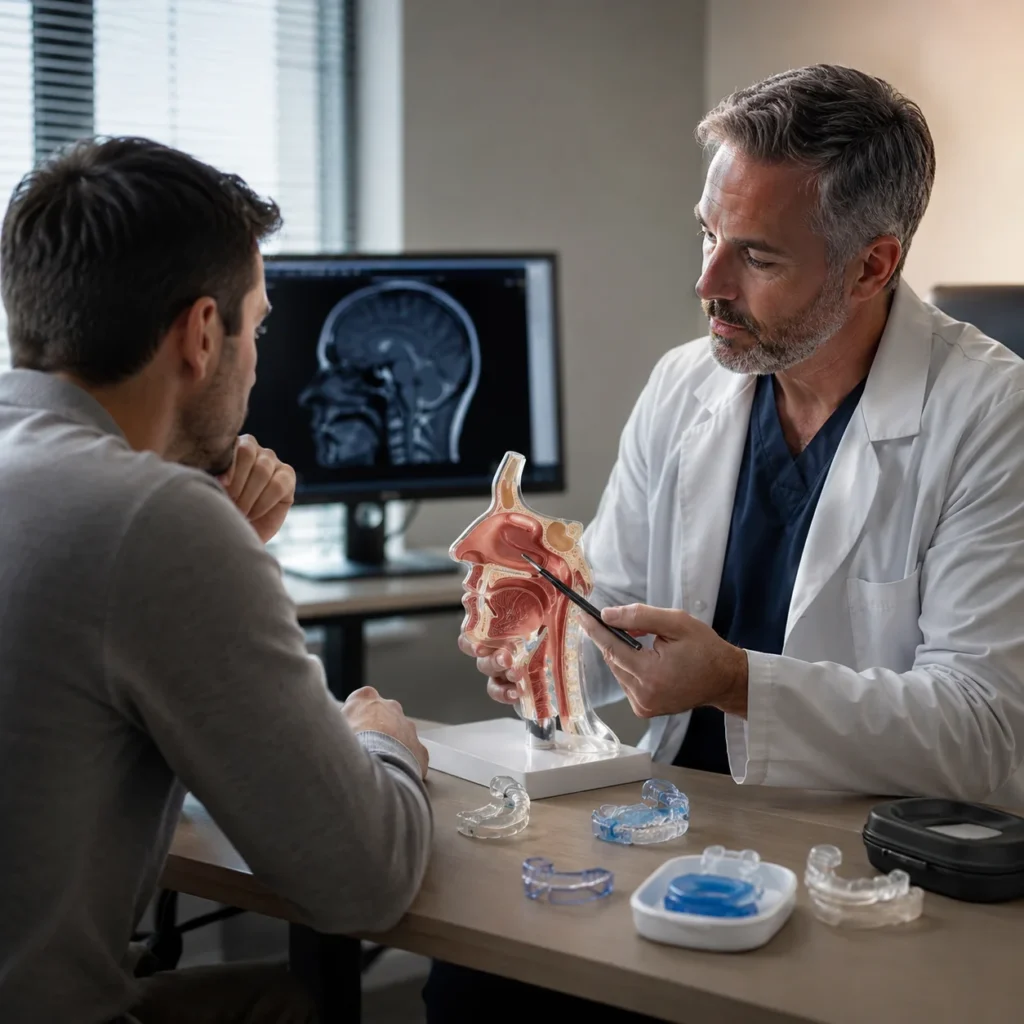
When frustrated patients ask me for the best sleep apnea treatment without CPAP, I always carefully analyze their specific airway anatomy. There is simply no single, universal solution that works perfectly for every individual case.
However, medical science now offers several highly effective, evidence-based alternatives that do not require a noisy bedside machine. First and foremost, custom oral appliance therapy is incredibly successful for many moderate cases.
Additionally, we frequently utilize specialized positional therapy devices that prevent patients from sleeping on their backs. Furthermore, learning how-to-stay-healthy through consistent lifestyle intervention can drastically reduce the severity of the obstruction.
Finally, advanced surgical interventions have evolved tremendously over the past few years to provide permanent relief. Instead of aggressively cutting tissue, we now use smart nerve stimulators to naturally maintain a perfectly open airway while you rest.
PubMed Central — Weight Loss and Obstructive Sleep Apnea
Sleep Apnea Mouth Guard and Oral Appliances (Detailed Guide)
A specialized, highly calibrated sleep apnea mouth guard is arguably the most popular CPAP alternative utilized worldwide. In the medical field, we refer to these specifically as Mandibular Advancement Devices (MADs).
These clever dental devices look very similar to a standard sports mouthguard or a clear orthodontic retainer worn at night. However, they work by gently and precisely pulling your entire lower jaw forward while you sleep peacefully.
Consequently, this slight forward movement physically opens up the tight space at the back of your throat. By preventing the tongue from falling backward, it effectively stops loud snoring and dangerous airway collapse for most mild-to-moderate sufferers.
It is incredibly important to note the massive difference between over-the-counter CPAP alternatives and clinical custom devices. Cheap, “boil-and-bite” mouthguards purchased from the local pharmacy are rarely effective and can lead to permanent jaw misalignment.
In stark contrast, a custom oral appliance crafted by a certified dental sleep medicine specialist is incredibly precise and comfortable. It is thoroughly clinically validated and is an excellent step in learning how-to-lower-blood-sugar by reducing nighttime stress hormones.
Inspire Sleep Apnea Treatment Without CPAP (Detailed Guide)
If you currently suffer from moderate to severe OSA, you absolutely must learn about the Inspire sleep apnea treatment without CPAP. This technology is a revolutionary approach to long-term airway management that doesn’t involve any external masks.
Instead of aggressively blowing forced air down your throat, Inspire utilizes a small, fully implantable device. A specialized surgeon places it carefully under the skin in your upper chest, much like a standard cardiac pacemaker.
While you sleep naturally, this smart, completely silent device continuously monitors your natural breathing patterns throughout the night. Right before you inhale, it sends a tiny, completely painless electrical pulse directly to your hypoglossal nerve.
This specific cranial nerve completely controls your tongue movement and upper airway muscle tone. Therefore, the gentle stimulation naturally flexes your tongue muscles, pulling them forward and completely out of your collapsed airway.
In my professional experience, patients love this device because it doesn’t require distilled water or hose cleaning. By ensuring stable oxygen levels, it can help prevent heart-attack-symptoms and long-term cardiovascular strain.
PubMed Central — Management of mild obstructive sleep apnea
Surgical Alternatives for Permanent Relief
For those seeking a more permanent anatomical fix, several surgical sleep apnea surgery options exist. These procedures are typically reserved for patients with distinct physical obstructions or those who have failed all other non-invasive therapies.
Uvulopalatopharyngoplasty (UPPP) is the most traditional surgical approach, where excess tissue is removed from the soft palate and throat. While effective for some, modern surgeons often prefer more targeted procedures with shorter recovery times.
Maxillomandibular Advancement (MMA) is a more intensive surgery that physically moves the upper and lower jaws forward. This drastically increases the size of the entire airway and has one of the highest success rates for curing severe obstructive apnea.
Nasal surgeries, such as septoplasty or turbinate reduction, can also be vital components of a comprehensive treatment plan. While they may not cure apnea alone, they significantly improve nasal airflow, making other treatments like oral appliances much more effective.
Cleveland Clinic — Obstructive Sleep Apnea (OSA)
How to Cure Sleep Apnea Naturally at Home Without CPAP
Many highly motivated patients desperately want to know how to cure sleep apnea naturally at home without CPAP. While achieving a true, permanent “cure” is difficult for anatomical cases, lifestyle changes are incredibly powerful.
First of all, achieving and maintaining significant weight loss is the strongest natural medical intervention. Incorporating healthy-living-recipes into your daily routine can help reduce the fat deposits around the neck that compress the airway.
Additionally, you absolutely must optimize your nightly sleep position using positional therapy. Sleeping strictly on your side drastically reduces the heavy gravitational pull that naturally collapses your relaxed airway tissues compared to sleeping on your back.
Furthermore, regular, intense aerobic exercise naturally tones your upper airway muscles and improves lung capacity. Discovering the benefits-of-exercise is essential for anyone looking to reduce their dependence on medical devices.
Finally, you must heavily reduce or completely eliminate your evening alcohol intake. Alcohol acts as a muscle relaxant that essentially paralyzes your throat muscles, guaranteeing severe snoring and dangerous breathing interruptions.
National Institute on Aging — A Good Night’s Sleep
New Sleep Apnea Treatment Without CPAP
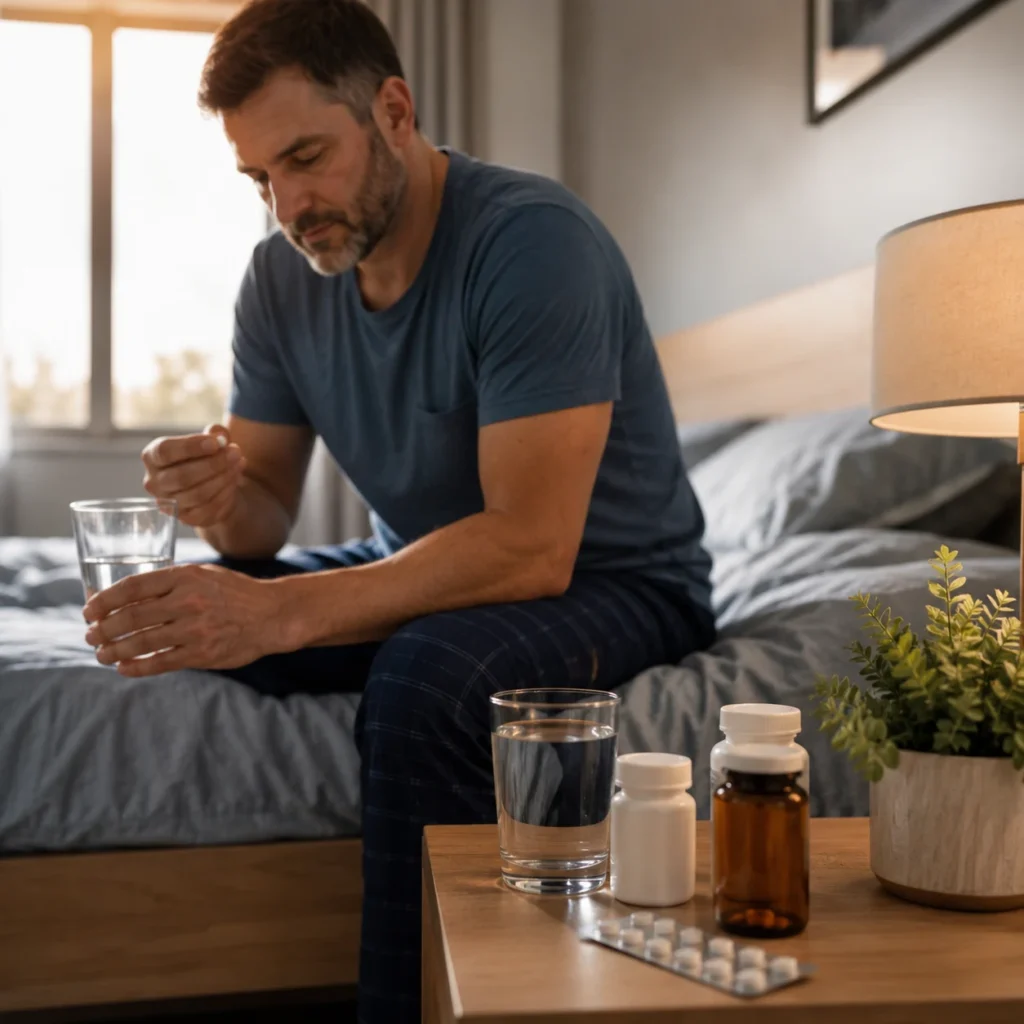
Modern medical technology is constantly evolving, rapidly bringing us fantastic new sleep apnea treatment without CPAP options. Researchers are currently focused on non-invasive muscle stimulation and comfortable wearable technology.
For instance, we now have access to innovative daytime tongue muscle stimulators. You simply use these small, handheld devices for just twenty minutes during the day to physically strengthen your weak airway muscles while you are awake.
As a direct result, your throat becomes much less likely to collapse under pressure during the night. Furthermore, Expiratory Positive Airway Pressure (EPAP) devices offer another brilliant, entirely hose-free solution for many.
These tiny, disposable adhesive valves fit securely directly over your nostrils before bed. They cleverly use your own exhalation pressure to create a natural back-pressure, which gently forces your airway to stay completely open.
Central Sleep Apnea Treatment Without CPAP
It is critically important to differentiate standard obstructive issues from central sleep apnea treatment without CPAP. Because central apnea is a neurological misfire, dental mouthguards or tongue stimulators usually will not work at all.
Instead, we must rigorously treat the underlying, systemic medical cause, such as congestive heart failure or kidney disease. Perfectly optimizing a patient’s medications can naturally stabilize their erratic nighttime breathing patterns over time.
Additionally, some complex central apnea patients respond well to simple, continuous nocturnal oxygen therapy. Keeping blood oxygen levels high prevents the brain from panicking and abruptly stopping the natural breathing cycle.
In many cases, addressing mental health and physical stress can also play a role in stabilization. Recognizing common-symptoms-of-depression is important as chronic sleep deprivation often mimics or exacerbates mood disorders.
American Heart Association — Central Sleep Apnea and Heart Failure
Frequently Asked Questions
What is the best alternative to CPAP?
The most effective medical alternatives highly depend on your exact diagnostic severity. However, custom oral appliances and the highly advanced Inspire hypoglossal nerve stimulator are currently considered the most successful, clinically proven options for treating moderate to severe obstructive sleep apnea.
Can sleep apnea go away without CPAP?
Yes, it is definitely possible for very mild, strictly positional cases. If a highly motivated patient achieves significant weight loss, practices strict side-sleeping, and entirely avoids evening alcohol, they can naturally reduce and sometimes completely eliminate their mild breathing pauses.
What is the newest treatment for sleep apnea?
Hypoglossal nerve stimulation, specifically the FDA-approved Inspire implant, is one of the newest and absolutely most revolutionary surgical therapies. Furthermore, highly innovative new daytime tongue muscle stimulators and disposable nasal EPAP valves are rapidly emerging as excellent, hose-free alternatives.
Are mouth guards effective for sleep apnea?
Yes, they are incredibly effective, provided they are professionally made by a specialist. A custom-fitted Mandibular Advancement Device (MAD) prescribed by a specialized, board-certified sleep dentist is highly successful for managing mild to moderate obstructive airway collapse.
Is sleep apnea medication treatment effective?
There is currently no medication that can physically cure the anatomical airway collapse. However, specialized doctors sometimes prescribe powerful wakefulness-promoting agents to manage lingering, severe daytime fatigue, or nasal steroids to drastically reduce inflammation and improve natural airflow.
Conclusion
Managing a highly complex, serious airway disorder can feel incredibly overwhelming, especially when you absolutely despise your noisy breathing machine. However, as medical science rapidly and aggressively advances, you no longer have to suffer in total silence or massively compromise your long-term heart health.
You must always remember that a bulky, restrictive bedside machine is absolutely not the only valid, clinically approved option available to you today. Whether you carefully choose a custom dental device, an innovative, surgically implanted nerve stimulator, or commit to massive, life-altering lifestyle changes, there is a highly personalized solution waiting for you.
The absolute most important step is maintaining open, highly honest communication with your dedicated medical team. If you simply cannot tolerate your machine, tell your physician immediately so you can safely and seamlessly transition to a highly effective alternative therapy.
Ultimately, aggressively treating your sleep disorder will drastically transform your daily energy levels, heavily boost your mood, and strictly protect your cardiovascular system. Explore these excellent, science-backed alternatives today, fiercely prioritize your health, and actively reclaim the deeply restorative, peaceful sleep you truly deserve.
Evidence-Based References
- PubMed — Oral appliance therapy for obstructive sleep apnea
- PubMed — Upper-airway stimulation for obstructive sleep apnea
- PubMed — Upper Airway Stimulation for Obstructive Sleep Apnea: 5-Year Outcomes
- PubMed — Long-term effect of weight loss on obstructive sleep apnea severity in obese patients with type 2 diabetes
- National Heart, Lung, and Blood Institute — Sleep Apnea Overview
- Centers for Disease Control and Prevention — Sleep and Sleep Disorders
- PubMed — Pharmacological treatment of obstructive sleep apnea
- Mayo Clinic — Sleep apnea – Diagnosis and treatment
- Johns Hopkins Medicine — Obstructive Sleep Apnea
- National Institutes of Health — Sleep Apnea Information Page
Related Posts
MORE from Author
Read More As a physician specializing in exercise science and public health, I regularly consult patients who feel completely lost in the…
 Just last week, a 34-year-old patient named Clara sat in my clinic, feeling entirely overwhelmed by the modern fitness industry.…
 Hello, I am Dr. Kenji Sato, MD, specializing in sports medicine and performance optimization. In my sports clinic, I constantly…
- In my clinical practice as a physician focused on exercise science, I often tell patients that mastering fitness bench workouts…