Fitness Plan for Women Beginners: Complete Workout Guide for Strength & Confidence

Just last week, a 34-year-old patient named Clara sat in my clinic, feeling entirely overwhelmed by the modern fitness industry. She wanted to build muscle and lose fatigue but was paralyzed by the complex, often dangerous routines promoted online.
During our interview, she confessed that entering a gym made her feel intensely anxious because she simply did not know where to start. I explained to Clara that she did not need extreme intensity; she needed a medically sound, structured fitness plan for women beginners.
We worked together to build a safe, progressive routine that respected her body’s starting point while challenging her muscles. Within twelve weeks, Clara not only built measurable physical strength but also reported a profound shift in her daily mental clarity and confidence.
This comprehensive 2026 guide provides the exact evidence-based framework I use with my patients. It is designed to help you build strength, improve bone density, and establish sustainable habits without burnout. For foundational guidance, see our fitness tips for beginners.
TL;DR Summary
- A safe fitness plan for beginners should prioritize three to four weekly workouts that blend strength training, cardiovascular health, and mandatory recovery [CDC: Physical Activity Guidelines].
- Women should heavily focus on full-body functional exercises, mastering proper biomechanical form before adding heavy weights [WHO: Global Activity Recommendations].
- By following a structured weekly workout schedule and a basic gym routine, you can safely progress your fitness, boost metabolism, and improve long-term health.
What Is the Best Fitness Plan for Women Beginners?
The best fitness plan for women beginners is one that balances full-body strength training with moderate cardiovascular exercise and adequate rest. It should never push a beginner to the point of extreme exhaustion or acute pain.
Instead, a proper beginner plan focuses on progressive overload—gradually increasing the challenge over time. Consistently working out three to four times per week yields the most sustainable physiological results. For gender-specific strategies, explore our fitness tips for women resource.
Why a Beginner Fitness Plan Is Important
Diving into advanced workouts without a foundational plan is a primary cause of acute orthopedic injuries in women. A structured plan safely prepares your tendons, ligaments, and central nervous system for physical stress.
Furthermore, having a set schedule dramatically reduces decision fatigue, making you much more likely to remain consistent. Consistency is the sole driver of metabolic adaptation and long-term fat loss.
Finally, a dedicated beginner plan ensures balanced muscle development. It prevents muscular imbalances that often lead to chronic posture issues and lower back pain. For comprehensive wellness integration, reference our benefits of exercise guide.
Weekly Workout Plan for Women Beginners
Establishing a predictable routine is the most critical step in your fitness journey. A weekly workout plan for women beginners must balance exertion with recovery to allow muscle fibers to heal.
If you work out every single day, your body never gets the opportunity to rebuild stronger tissues. Therefore, strategic rest days are just as important as the days you lift weights.
Day 1: Full Body Foundation
Your week should start with a comprehensive session targeting all major muscle groups. This sets a positive metabolic tone for the next seven days. Focus on compound movements like squats and modified push-ups. Keep the workout under 45 minutes to avoid central nervous system fatigue.
Day 2: Active Recovery and Light Cardio
After your first strength day, your muscles will likely feel stiff. Do not sit completely still; instead, engage in active recovery. A brisk 30-minute walk, a light cycling session, or gentle yoga will flush lactic acid from your muscles. This increases blood flow and speeds up the healing process safely.
Day 3: Complete Rest
This is a dedicated day for deep physical and mental recovery. Your body actively builds muscle during rest, not during the workout itself. Prioritize high-quality sleep and optimal hydration on this day.
Stretching is permissible, but avoid any strenuous physical exertion. For sleep optimization tips, see our how much sleep do I need guide.
Day 4: Full Body Strength Progression
Return to your strength exercises, but attempt to slightly improve your performance from Day 1. This could mean doing one extra repetition or lifting a slightly heavier dumbbell. This concept, known as progressive overload, is the medical secret to continuous physical improvement.
Day 5: Targeted Core and Flexibility
Focus this session on strengthening the deep abdominal muscles and pelvic floor, which are vital for women’s health. Perform planks, bird-dogs, and deep diaphragmatic breathing exercises.
Follow this with 15 minutes of deep stretching to improve joint mobility and flexibility. For targeted abdominal work, see our fitness abs exercises library.
Day 6: Moderate Cardiovascular Endurance
Dedicate this day to improving your heart and lung health. Engage in 30 to 40 minutes of sustained, moderate-intensity cardio. This could be swimming, dancing, or using the elliptical machine. You should be sweating but still able to hold a brief conversation.
Day 7: Complete Rest and Preparation
Use Sunday to completely rest your body and mentally prepare for the upcoming week. Meal prep your healthy proteins and pack your gym bag in advance.
This proactive habit eliminates excuses and guarantees you will stick to your workout schedule for beginner women. For sustainable lifestyle strategies, reference our healthy lifestyle habits resource.
Full Body Workout for Beginner Females
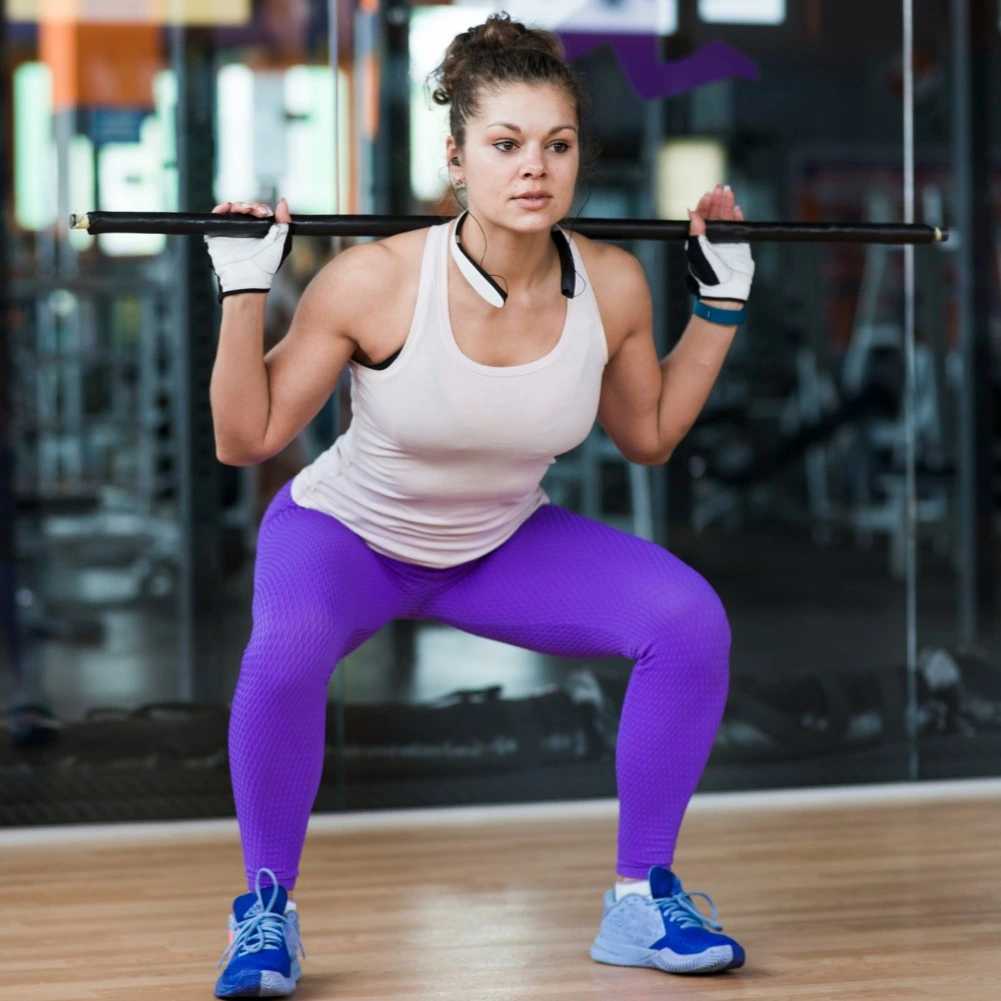
A highly effective full-body workout for beginner females revolves around functional movement patterns. These are exercises that mimic daily life activities, ensuring your gym strength translates to real-world capability.
You do not need complex machinery; mastering these four fundamental movements is entirely sufficient for your first few months. Focus intensely on the mind-muscle connection and your breathing cadence.
The Goblet Squat
Squats are the undisputed king of lower-body exercises, targeting the quadriceps, glutes, and core simultaneously. Hold a single, light dumbbell vertically against your chest like a goblet. Stand with your feet slightly wider than shoulder-width apart.
Push your hips back and bend your knees, lowering yourself as if sitting in a chair. Keep your chest tall and push through your heels to stand back up. For targeted leg development, see our fit legs workout guide.
Incline Push-Ups
Many women struggle with floor push-ups initially, but incline push-ups provide a safe, effective starting point. Place your hands shoulder-width apart on a stable bench, wall, or sturdy table. Step your feet back so your body forms a straight line.
Lower your chest to the edge of the bench, keeping your elbows tucked at a 45-degree angle. Press firmly back to the starting position to build essential chest and triceps strength.
Supported Dumbbell Rows
To combat the hunched posture caused by desk jobs, you must strengthen your back muscles. Place your left knee and left hand on a flat bench for support. Hold a dumbbell in your right hand, letting it hang straight down.
Pull the dumbbell up to your hip, squeezing your right shoulder blade toward your spine. Lower it slowly and repeat before switching sides. For lower-back-focused routines, see our fitness lower back pain resource.
Glute Bridges
Strong glutes protect your lower back and stabilize your pelvis. Lie flat on your back with your knees bent and feet flat on the floor, close to your hips. Press your heels firmly into the ground and squeeze your glutes to lift your hips toward the ceiling.
Your body should form a straight line from your shoulders to your knees. Hold for two seconds at the top, then slowly lower down. For targeted glute work, reference our fitness glutes guide.
Beginner Gym Workout Routine for Women
Transitioning from home workouts to a commercial gym can be intimidating, but a structured beginner gym workout routine plan eliminates that anxiety. When you walk onto the gym floor, having a precise list of exercises prevents you from wandering aimlessly.
Gyms offer a fantastic mix of guided machines and free weights, both of which are highly beneficial for a beginner female gym workout routine.
Starting with Gym Machines
For the first two weeks, prioritize selectorized machines. These machines guide your body through a fixed, safe range of motion, significantly reducing the risk of injury while your connective tissues adapt.
Excellent starting machines include the Leg Press, the Seated Cable Row, and the Lat Pulldown. Always read the instructional placards on the machines to ensure the seat is adjusted correctly for your height.
Introducing Free Weights
By your third week, you can slowly transition into the free weight area. Free weights force your deep stabilizing muscles to work harder, improving your overall balance. Start by claiming a small corner with a mat and a light pair of dumbbells.
Perform your goblet squats, lunges, and shoulder presses here. Remember, everyone in the free weight section was once a beginner too.
Gym Etiquette and Flow
Understanding basic gym etiquette makes the environment much more comfortable. Always bring a clean towel and wipe down every bench or machine after you use it. Do not hoard multiple sets of dumbbells at once.
Rest for 60 to 90 seconds between your sets, and feel free to politely ask gym staff for a quick demonstration if you are unsure how a machine operates.
Women’s Beginner Strength Training Routine
A proper women’s beginner strength training routine is crucial for long-term health, as it actively increases bone mineral density, preventing osteoporosis later in life.
Lifting weights also fundamentally changes your body composition by adding lean, metabolically active muscle. This means your body will naturally burn more calories at rest. Focus on performing 3 sets of 10 to 12 repetitions for each exercise to build a strong foundation.
Beginner Weight Workout for Women
When executing a beginner weight workout for women, leave your ego at the door and start with very light weights.
Your initial goal is flawless biomechanical form, not moving heavy loads. If you cannot complete 10 repetitions with perfect posture, the weight is too heavy. Slowly increase the weight only when the current load feels completely effortless by the final repetition.
Sample Workout Plan for Women
Having a visual guide helps solidify your weekly commitment. Use this sample workout plan for women as a baseline template, adjusting the days to fit your personal work schedule.
| Day | Workout Focus | Primary Exercises |
|---|---|---|
| Monday | Full Body Strength | Goblet Squats, Incline Push-ups, Rows |
| Tuesday | Light Cardio | 30-Min Brisk Walking or Cycling |
| Wednesday | Active Recovery | Gentle Yoga, Deep Stretching |
| Thursday | Full Body Strength | Glute Bridges, Dumbbell Lunges, Planks |
| Friday | Core & Mobility | Bird-Dogs, Pelvic Tilts, Foam Rolling |
| Saturday | Long Cardio | 45-Min Swimming or Dancing |
| Sunday | Complete Rest | Meal Prep and Hydration |
For a downloadable version, see our free fitness workout plan.
Cardio for Beginners (Women’s Focus)
Cardiovascular exercise strengthens the heart muscle and improves overall cellular energy production.
You do not need to run a marathon; low-impact options are highly effective and much safer for beginner joints. Brisk walking on an incline, stationary cycling, or even joining a beginner’s dance class are excellent ways to elevate your heart rate sustainably.
For heart-focused routines, explore our best exercise for heart health guide.
How to Progress Safely
Progressing too rapidly is the fastest route to a medical setback. You should only change one variable at a time: either increase the weight, increase the repetitions, or decrease the rest time.
Keep a detailed workout journal to track your daily performance. If your joints ache intensely the next day, you progressed too fast; if only your muscles feel mildly sore, your progression is perfect.
Common Mistakes Women Beginners Should Avoid
A massive mistake is intentionally skipping strength training out of a false fear of becoming “bulky”; women simply do not have the natural testosterone levels for sudden, massive muscle growth.
Another error is severe overtraining combined with chronic under-eating. Your body requires adequate calories and profound rest to actually build the physical fitness you are working so hard to achieve in the gym.
Nutrition Tips for Women Beginners

Exercise is only the stimulus; nutrition is the actual building block of recovery. You must prioritize high-quality protein intake (such as chicken, fish, tofu, or lentils) to repair damaged muscle fibers.
Do not strictly eliminate carbohydrates, as they are your brain and body’s primary energy source during a workout. Lastly, drink at least 80 to 100 ounces of water daily to keep your joints lubricated and flush out metabolic waste. For balanced eating strategies, reference our healthy diet resource.
Mental Health & Confidence Benefits
The psychological transformations of a fitness plan are often more profound than the physical ones.
Consistent weightlifting dramatically reduces clinical stress hormones like cortisol while flooding the brain with mood-elevating endorphins. Furthermore, the act of keeping a promise to yourself and physically lifting a weight you previously could not lift heavily builds undeniable self-esteem and daily confidence.
For targeted mental wellness strategies, see our how to improve mental wellness guide.
Timeline for Fitness Results
Patience is a clinical necessity when altering your body’s physiology. You will likely feel a surge in mental energy and better sleep within the first two weeks.
Noticeable increases in physical strength and minor changes in muscle tone typically emerge between weeks four and six. Significant, visible changes to your overall body composition and weight generally require eight to twelve weeks of strict consistency.
Frequently Asked Questions
What is the best time of day to exercise for fat loss?
The most effective time to exercise is the time you can stick to consistently every single day. While some minor metabolic advantages exist for morning workouts, your overall daily caloric expenditure and strict consistency matter far more than the clock.
How much water should I drink during a moderate workout?
You should aim to drink roughly 8 to 10 ounces of water every 20 minutes during moderate cardiovascular or strength training. Staying adequately hydrated prevents sudden muscle cramps and ensures your joints remain fully lubricated under physical stress.
Is it medically necessary to stretch before lifting weights?
Static stretching before lifting weights can actually temporarily weaken your muscles and should be avoided. Instead, you must perform a 5-to-10-minute dynamic warm-up, such as light walking or arm circles, to safely prepare your nervous system and connective tissues.
Can I effectively build muscle if I only work out at home?
Yes, you can absolutely build functional muscle at home using your own body weight, resistance bands, or a simple set of adjustable dumbbells. The key to home muscle growth is consistently utilizing progressive overload, which means making the exercises slightly harder over time. For bodyweight alternatives, explore our bodyweight fitness exercises library.
How many rest days do I really need each week?
For most beginners and intermediate individuals, two full rest days per week are clinically required to allow torn muscle fibers to fully repair and grow. Without adequate rest, you severely risk central nervous system burnout, chronic joint pain, and long-term injury.
Conclusion
Starting a fitness journey can feel incredibly daunting, but remember that every expert was once an absolute beginner. As I assured my patient, Clara, you do not need perfection; you only need persistent consistency.
By adopting a structured fitness plan for women beginners, prioritizing safe form, and allowing your body to recover, you are making a profound investment in your long-term health.
Step away from the confusing social media trends and focus on the medical basics of movement. Hydrate well, lift challenging but safe weights, and celebrate the small, daily victories.
Your body is incredibly resilient, and with this guide, you are fully equipped to build the strength and confidence you truly deserve. For a long-term strategy, see our how to start a healthy lifestyle guide.
Medical References & Further Reading:
- ACSM. Women’s Exercise Guidelines. acsm.org
- CDC. Physical Activity Guidelines. cdc.gov/physicalactivity
- WHO. Global Activity Recommendations. who.int
- PubMed. Exercise & Mental Health in Women. pubmed.ncbi.nlm.nih.gov
- Mayo Clinic. Safe Exercise for Beginners. mayoclinic.org
- Journal of Strength & Conditioning Research. Training Frequency. jsc-journal.com
- NIH. Injury Prevention in Exercise. nih.gov
- Harvard Health. Habit Formation. health.harvard.edu
- Sleep Foundation. Sleep & Recovery. sleepfoundation.org
- American Heart Association. Cardio Guidelines. heart.org
- NIH. Bone Health & Exercise. nih.gov
- Journal of Applied Physiology. Women’s Hormones. physiology.org
Related Posts
MORE from Author
Read More As a physician specializing in exercise science and public health, I regularly consult patients who feel completely lost in the…
 Just last week, a 34-year-old patient named Clara sat in my clinic, feeling entirely overwhelmed by the modern fitness industry.…
 Hello, I am Dr. Kenji Sato, MD, specializing in sports medicine and performance optimization. In my sports clinic, I constantly…
- In my clinical practice as a physician focused on exercise science, I often tell patients that mastering fitness bench workouts…