Fitness Recovery News: Latest Science, Trends, and Tools to Optimize Muscle Recovery

Hello, I am Dr. Kenji Sato, MD, specializing in sports medicine and performance optimization. In my sports clinic, I constantly see highly motivated athletes suffering from severe burnout, chronic joint pain, and torn ligaments.
Just last month, I worked with a marathon runner named David who was completely obsessed with training but entirely neglected his physical downtime.
When you ignore your body’s vital repair signals, your performance inevitably crashes. Keeping up with the latest fitness recovery news is not just for elite professionals; it is absolutely vital for anyone wanting longevity in their fitness journey.
We immediately restructured David’s routine to prioritize sleep and active recovery, and within weeks, his chronic knee pain vanished.
The science of how our bodies rebuild after intense exercise is rapidly evolving. From advanced high-tech sleep trackers to specialized commercial gym lounges, the recovery industry is booming.
In this comprehensive guide, we will break down the latest clinical science, the most effective tools, and the absolute best strategies to optimize your physical recovery.
TL;DR: Quick Summary
- Recovery is an absolute requirement for muscle growth and sports performance ACSM Guidelines.
- Proper sleep, nutrition, and active recovery remain your most critical pillars CDC Physical Activity.
- New technology, including wearables and gym recovery lounges, is highly trending.
- Most muscle groups require between 24 and 72 hours to fully recover Mayo Clinic.
- Severe overtraining without adequate rest drastically increases your risk of injury NIH Research.
What Is Recovery in Fitness?
Recovery in fitness refers directly to the biological process your body uses to repair damaged muscle fibers, restore depleted energy stores, and neurologically adapt after intense exercise Harvard Health.
It includes a vital combination of physical rest, proper nutrition, adequate sleep, and targeted active recovery strategies that actively improve athletic performance while significantly reducing your overall injury risk Cleveland Clinic.
Why Recovery Is a Rising Trend in Fitness
Historically, gym culture glorified severe overtraining and the dangerous “no pain, no gain” mentality. Fortunately, recent shifts in sports medicine have drastically increased public awareness of the severe dangers of chronic overtraining Johns Hopkins.
The explosive growth of accessible recovery tech, such as advanced wearables and percussive massage guns, has brought elite biohacking to the everyday gym-goer. Furthermore, professional athletes now openly share their rigorous, science-backed recovery protocols on social media, heavily influencing the general public.
People finally realize that you do not grow in the gym; you grow while you rest. For more foundational wellness strategies, explore these healthy lifestyle habits.
Fitness Recovery Science News: What the Latest Research Shows
Recent clinical studies from the NIH and the American College of Sports Medicine (ACSM) have completely revolutionized how we view post-workout repair PubMed Study. Current fitness recovery science news heavily emphasizes that sleep quality is the single most powerful recovery tool in existence Sleep Foundation.
Furthermore, new research highlights that strict protein timing is less critical than your total daily protein intake Journal of Strength & Conditioning. The science also shows that acute, short-term inflammation immediately following a workout is actually necessary to trigger muscle growth.
Therefore, aggressively suppressing all inflammation with massive doses of ibuprofen can actually hinder your physical progress British Journal of Sports Medicine.
What Are the 4 R’s of Recovery?
The 4 R’s of recovery are Rest, Refuel, Rehydrate, and Repair. Rest involves prioritizing deep, high-quality sleep. Learn more about how much sleep do I need for optimal recovery. Refueling means consuming adequate carbohydrates and proteins.
Rehydrate focuses on replacing lost fluids and vital electrolytes—check how much water should you drink to stay properly hydrated. Finally, Repair involves utilizing physical techniques like stretching or massage to support total muscle recovery and restore joint mobility.
Types of Fitness Recovery
To truly optimize your physical longevity, you must understand the distinct clinical categories of recovery. You cannot simply sit on the couch and expect maximum biological repair. A highly effective fitness routine meticulously balances these three core types.
Passive Recovery
Passive recovery means complete, absolute physical rest. The cornerstone of passive recovery is achieving seven to nine hours of high-quality, uninterrupted sleep each night.
During deep sleep, your pituitary gland heavily secretes human growth hormone (HGH), which is medically responsible for repairing torn muscle tissue WHO Guidelines. Complete days off from the gym also allow your central nervous system to reset safely.
Active Recovery
Unlike complete rest, active recovery involves very low-intensity physical movement designed to actively stimulate blood flow without heavily fatiguing the muscles. This gentle circulation actively flushes metabolic waste products, like lactic acid, out of the muscle tissues.
Clinical evidence proves that active recovery often reduces delayed onset muscle soreness (DOMS) much faster than strict passive rest American Heart Association. Remember, the benefits of exercise include enhanced recovery when done intelligently.
Assisted Recovery
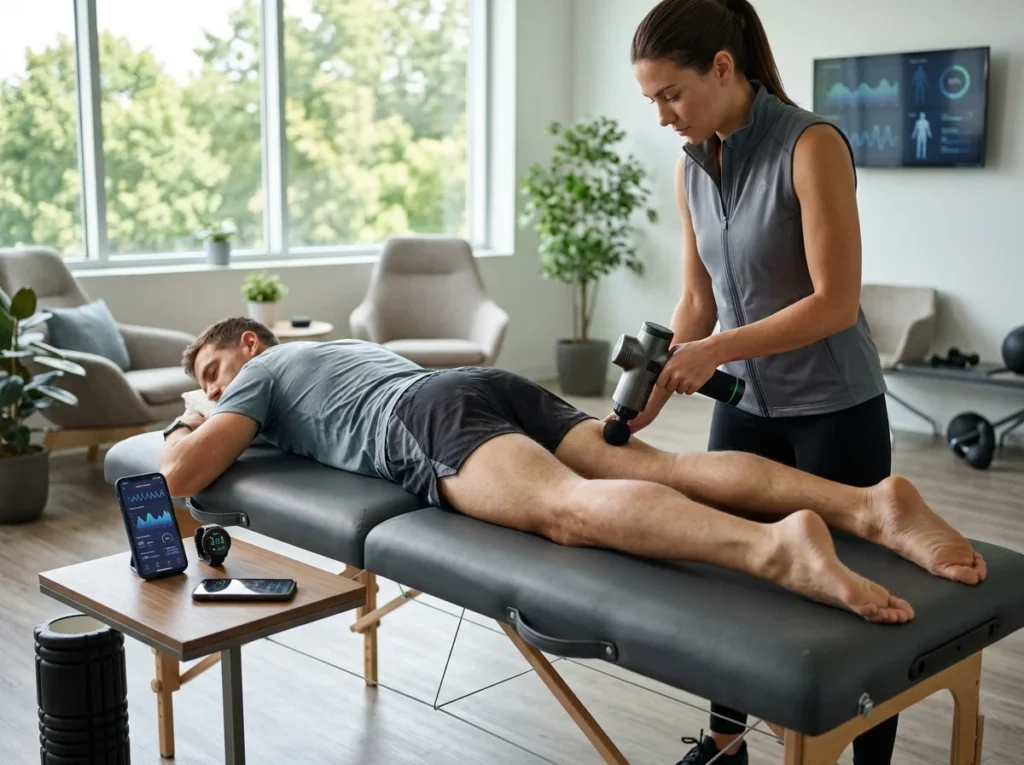
Assisted recovery involves using external tools, dedicated equipment, or clinical therapies to forcefully manipulate the soft tissues. This includes utilizing percussive massage guns, visiting specialized cryotherapy chambers, or receiving deep-tissue sports massages.
While highly effective for acute pain relief, assisted recovery should supplement, never replace, the foundational pillars of sleep and nutrition.
10 Active Recovery Workouts
If you want to implement the best fitness routines for recovery, keep your heart rate relatively low. Here are ten highly effective active recovery workouts:
- Brisk outdoor walking for 30 to 45 minutes.
- Restorative or gentle Hatha yoga.
- Light, continuous swimming or aqua jogging.
- Casual, low-resistance cycling on a stationary bike.
- Dedicated 20-minute full-body dynamic stretching.
- Tai Chi for gentle mobility and severe stress reduction.
- Beginner-level Pilates for deep core activation.
- Light rowing machine intervals focused on strict form.
- Mobility drills targeting the hips and thoracic spine.
- Using an elliptical trainer at the lowest possible resistance.
For more movement ideas, explore these bodyweight fitness exercises.
Fitness Recovery Routines and Programs
A structured recovery fitness program prevents you from accidentally overtraining. You must proactively plan your rest just as rigorously as you plan your workouts.
Clinically, I highly recommend implementing a strict “deload week” every four to six weeks. During a deload week, you purposefully drop your lifting volume and intensity by roughly forty percent.
This scheduled reduction allows your accumulated physical fatigue to dissipate, significantly preventing severe tendonitis and mental burnout. Learn how to deal with stress during intense training cycles.
Gym Recovery Lounges: What to Expect

Commercial gyms have heavily capitalized on the wellness trend by introducing specialized recovery spaces. Understanding what these lounges offer helps you maximize your monthly membership.
Planet Fitness Recovery Lounge
The Planet Fitness recovery lounge is a highly popular amenity for premium Black Card members. It typically features automated HydroMassage beds and advanced mechanical massage chairs.
These tools utilize water pressure or mechanical rollers to gently knead tight back and leg muscles, providing excellent, immediate relaxation after heavy lifting.
24 Hour Fitness Recovery Room
The 24 Hour Fitness recovery room often caters to a slightly more advanced athletic demographic. Many locations now feature specialized NormaTec compression therapy boots, which aggressively massage the legs to flush out severe fluid buildup.
Some premium locations have even partnered with external vendors to offer localized cryotherapy services.
EōS Fitness Recovery Room
Similar to other major chains, the EōS Fitness recovery room focuses heavily on accessibility and convenience. You will typically find an array of commercial-grade massage chairs and dedicated stretching areas.
Members frequently use this quiet zone to decompress neurologically after a highly stimulating, loud workout on the main gym floor.
LA Fitness Recovery Features
While amenities vary wildly by specific location, what a recovery check in LA Fitness usually refers to is their premium wellness offerings. Some newly renovated clubs are beginning to introduce high-tech recovery tools, including infrared saunas and dedicated soft-tissue mobility stations, allowing members to warm up tight tissues safely before and after training.
What Is Red Light Recovery at Planet Fitness?
Red light therapy utilizes specific, low-level wavelengths of red and near-infrared light to safely penetrate the skin and support cellular energy production. Clinically, it aims to reduce muscular inflammation, boost localized circulation, and promote faster tissue repair, though massive, long-term medical evidence regarding its total efficacy is still continually evolving NIH Light Therapy Research.
Fitness Recovery Equipment and Tools
The market for fitness recovery tools is massive and constantly expanding. Knowing which products actually deliver clinical results saves you significant money.
High-density foam rollers remain the absolute best, most cost-effective tool for daily myofascial release. Percussive massage guns (like the Theragun) provide rapid, targeted deep-tissue stimulation, effectively interrupting pain signals sent to the brain.
Pneumatic compression boots are incredibly popular among endurance runners for heavily reducing lower-limb swelling after long-distance training Spine Journal.
Best Recovery Equipment for Athletes
When looking for the best recovery equipment for athletes, professional-grade durability is vital. Elite athletes frequently rely on advanced modalities like electrical muscle stimulation (EMS) devices, such as the Marc Pro or Compex.
These devices safely send mild electrical currents directly into the muscle belly, forcing gentle, involuntary contractions that pump fresh, oxygenated blood into damaged tissues without requiring active movement.
Fitness Recovery Products: What Works?
Navigating fitness recovery products requires a highly skeptical, science-first approach. There is a massive difference between evidence-based tools and clever marketing hype.
Products that directly improve local circulation, such as heat pads or compression garments, have solid clinical backing for minor pain relief. However, expensive “detox” wraps or magnetic recovery bracelets severely lack credible, peer-reviewed medical evidence.
Always evaluate the cost versus the actual physiological benefit before making a heavy financial investment. For more health tips on smart purchasing decisions.
Muscle Recovery Supplements (Evidence-Based)
When evaluating muscle recovery supplements, you must stick to heavily researched, clinically proven ingredients. Disclaimer: The FDA does not rigorously regulate dietary supplements. Always consult your physician before use.
Whey protein isolate remains the absolute gold standard for rapidly delivering essential amino acids to torn muscles. Creatine monohydrate is the most heavily studied supplement globally, proven to drastically improve muscular energy recovery between heavy lifting sets ACSM Supplement Guidelines.
Finally, high-quality Omega-3 fish oil supplements are clinically excellent for reducing severe, systemic joint inflammation.
What Snacks Help Rebuild Muscle Tissue?
Protein-rich snacks are clinically essential to help rebuild torn muscle tissue, especially when consumed shortly after strenuous workouts. Excellent options include plain Greek yogurt, hard-boiled eggs, lean turkey slices, cottage cheese, or a high-quality whey protein shake paired with a fast-digesting carbohydrate like a banana. Explore healthy living recipes for more recovery-friendly meal ideas.
Muscle Recovery Time: What to Expect
Understanding your baseline gym muscle recovery time is crucial for intelligent programming. Typically, a moderately worked muscle requires between 24 and 72 hours to fully repair Mayo Clinic Recovery Guide.
However, this timeline is heavily influenced by total workout volume, your sleep quality, and your daily nutritional intake. If you train legs heavily on Monday, clinically, you should not perform another brutal leg session until at least Wednesday or Thursday to allow for total cellular regeneration.
Muscle Recovery Time by Age
You must actively adjust your expectations regarding muscle recovery time by age. As we naturally age, our baseline production of vital hormones like testosterone and HGH steadily declines Harvard Aging Research.
A 20-year-old might easily recover from a massive deadlift session in 48 hours, whereas a 50-year-old might require a full four to five days for the exact same routine. Older athletes must prioritize extended rest periods and heavily focus on joint mobility to maintain physical longevity safely.
Fitness Recovery Wearables & Tech News
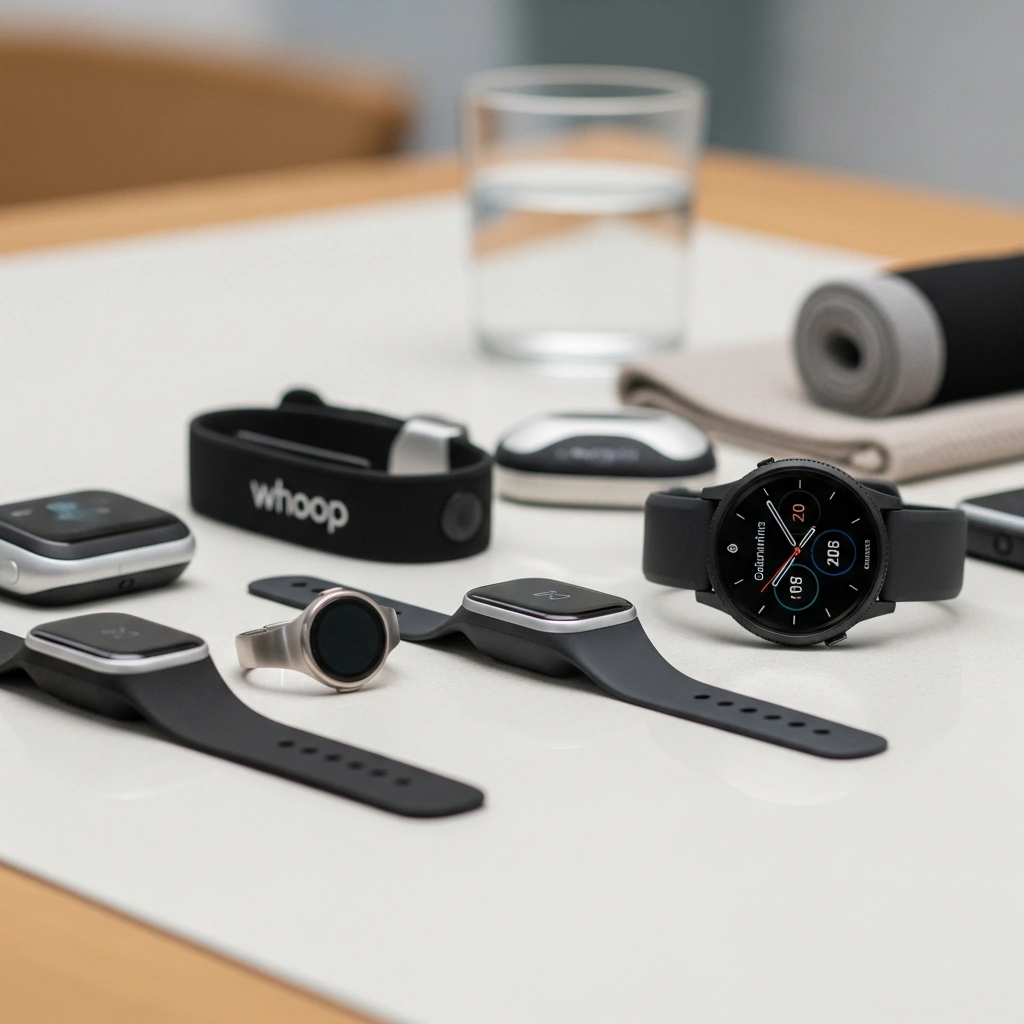
The latest fitness recovery wearable news revolves entirely around measuring internal nervous system stress. Modern devices no longer just count your daily steps; they actively monitor your physiological readiness to train CDC Wearable Tech.
These advanced trackers heavily utilize metrics like Heart Rate Variability (HRV), which measures the exact time intervals between your heartbeats. A high HRV clinically indicates that your nervous system is deeply recovered and fully ready for intense physical strain, while a low HRV signals massive fatigue, urging you to take a rest day.
Which Sleep Tracker Is Best for Fitness Recovery?
The best sleep tracker for fitness recovery accurately measures deep sleep stages, daily heart rate variability (HRV), and morning readiness metrics.
High-end wearables from highly reputable brands, such as the Oura Ring, the Whoop strap, or the latest Garmin smartwatches, currently provide the most clinically accurate recovery data on the commercial market. Learn about what is REM sleep to better understand your sleep metrics.
Fitness Recovery Centers & Services
If you search for a fitness recovery center near you, you will likely find specialized clinics offering extreme medical-grade modalities.
Dedicated cryotherapy centers expose your body to sub-zero temperatures for three minutes, theoretically reducing massive systemic inflammation and numbing painful nerve irritation. Other premium services include dedicated IV hydration therapy and clinical sports acupuncture.
While potentially beneficial for elite athletes, these expensive services are completely unnecessary if your basic sleep and nutrition are poor.
When to Use Recovery Accessories in Fitness
Timing is everything. Using a foam roller immediately before your workout is excellent for warming up tight fascia. However, utilizing heavy percussive massage or deep static stretching is clinically best saved for your post-workout window or dedicated active recovery days.
Aggressively stretching a cold muscle before lifting can actually decrease your total power output and slightly increase injury risk Cleveland Clinic Stretching Guide.
What Is the 3-3-3 Rule at the Gym?
The 3-3-3 rule refers to a highly simple, structured workout framework: performing exactly 3 distinct exercises, for 3 total sets, consisting of 3 minutes of continuous work or utilizing a strict 3-second lowering tempo.
This highly manageable format prevents massive central nervous system fatigue, making subsequent muscle recovery much faster and highly efficient for beginners.
Top Fitness Recovery Influencers on Instagram
Many athletes turn to the top fitness recovery influencers on Instagram for daily inspiration. Influencers like Dr. Kelly Starrett have done phenomenal work mainstreaming daily mobility and injury prevention.
However, you must exercise extreme caution. Many fitness influencers heavily promote unproven supplements or dangerous recovery trends strictly for financial sponsorship.
Always cross-reference influencer advice with verified clinical guidelines from licensed physical therapists or sports medicine physicians, Johns Hopkins Expert Advice.
Common Recovery Mistakes
In my medical practice, the most devastating mistake I see is completely skipping scheduled rest days out of a severe fear of losing progress. Your body literally breaks down in the gym; it only builds back up on the couch or in bed.
Another massive error is severely poor post-workout nutrition. If you do not consume adequate protein and carbohydrates after heavy exertion, your body will actually begin breaking down its own muscle tissue for emergency fuel.
Finally, an over-reliance on expensive gadgets while only sleeping five hours a night is a complete biological waste of time. Watch for signs of dehydration that can impair recovery.
Weekly Recovery Plan for Optimal Fitness
To safely balance intense physical stress with necessary biological adaptation, you need a rigid schedule. Here is a clinically sound example of a balanced weekly routine:
| Day | Workout Focus | Medical Goal |
|---|---|---|
| Mon, Wed, Fri | Heavy strength training or HIIT cardio | Build muscular strength & power |
| Tue, Thu | Active recovery (yoga, walking, foam rolling) | Enhance circulation & reduce soreness |
| Saturday | Fun, unstructured activity (hiking, sports) | Maintain movement enjoyment |
| Sunday | Complete passive rest + hydration + meal prep | Full nervous system reset |
This balanced approach aligns with broader strategies on how to stay healthy long-term.
Frequently Asked Questions
Exactly how long should a full muscle recovery take after lifting?
Clinically, a targeted muscle group typically requires between 24 and 72 hours to fully repair and grow after a heavy resistance training session ACSM Recovery Guidelines. If a muscle is still severely sore to the touch, it has not yet fully recovered.
Is active recovery absolutely necessary for building muscle?
While not strictly mandatory for raw growth, active recovery is highly recommended because it drastically improves local blood circulation, which actively shuttles vital nutrients into the muscle and clears out painful metabolic waste much faster than sitting entirely still PubMed Meta-Analysis.
Are expensive, high-tech recovery tools actually worth the money?
Some tools, like high-quality massage guns, are highly helpful for quick, localized pain relief. However, no expensive device will ever outperform or replace the massive biological benefits of eating a high-protein diet and sleeping eight hours a night Harvard Health.
Can you genuinely overtrain if you completely ignore recovery?
Yes, chronic overtraining is a severe clinical syndrome. Ignoring recovery leads to massive hormonal imbalances, deep central nervous system fatigue, chronic joint pain, severe sleep disturbances, and an incredibly high risk of tearing a muscle or ligament NIH Overtraining Research.
Should I stretch aggressively before or after my main workout?
You should strictly perform gentle, dynamic stretching (movement-based) before your workout to safely lubricate your joints.
Save all deep, aggressive static stretching (holding a position for thirty seconds) strictly for after your workout when your muscle tissues are heavily warmed and pliable American College of Sports Medicine.
Conclusion
As a sports medicine physician, I constantly remind my patients that true physical progress strictly happens outside the gym. Pushing your physical limits during a workout is only half of the biological equation; the other half is giving your body the exact time and nutrients it needs to repair.
Without adequate rest, your intense efforts will ultimately lead to severe joint burnout rather than actual muscular growth.
While it is incredibly exciting to follow the latest fitness recovery news and test out new high-tech gym lounges, you must never lose sight of the foundational physiological pillars.
No expensive cryotherapy chamber, advanced wearable, or percussive massage gun can ever replace the massive biological benefits of eight hours of deep sleep and a high-protein diet.
Listen closely to your body’s vital warning signs, and absolutely do not be afraid to take a scheduled rest day when your nervous system feels severely fatigued.
By strictly treating your physical recovery with the exact same clinical dedication as your workouts, you will successfully build a highly resilient, powerful body that performs optimally for decades to come. For more holistic wellness guidance, explore these fitness tips.
Medical References & Further Reading:
- ACSM. Recovery & Exercise Guidelines. acsm.org
- CDC. Physical Activity & Recovery. cdc.gov/physicalactivity
- Mayo Clinic. Muscle Recovery Basics. mayoclinic.org
- Harvard Health. Sleep & Athletic Performance. health.harvard.edu
- NIH. Exercise Recovery Research. nih.gov
- Cleveland Clinic. Post-Workout Care. clevelandclinic.org
- Johns Hopkins. Sports Medicine Insights. hopkinsmedicine.org
- American Heart Association. Fitness & Recovery. heart.org
- British Journal of Sports Medicine. Recovery Science. bjsm.bmj.com
- Journal of Strength & Conditioning. Muscle Repair Studies. jscr.nsca.org
- Sleep Foundation. Recovery Sleep Guidelines. sleepfoundation.org
- WHO. Physical Activity Recommendations. who.int
- PubMed. Recovery Meta-Analyses. pubmed.ncbi.nlm.nih.gov
- Spine Journal. Soft Tissue Recovery. spinejournal.com
Related Posts

MORE from Author
Read More As a physician specializing in exercise science and public health, I regularly consult patients who feel completely lost in the…
 Just last week, a 34-year-old patient named Clara sat in my clinic, feeling entirely overwhelmed by the modern fitness industry.…
 Hello, I am Dr. Kenji Sato, MD, specializing in sports medicine and performance optimization. In my sports clinic, I constantly…
- In my clinical practice as a physician focused on exercise science, I often tell patients that mastering fitness bench workouts…