Sleep Apnea Implant (Inspire Device, Cost, Surgery & Reviews)
If you have been struggling with chronic exhaustion and cannot tolerate traditional breathing machines, a sleep apnea implant might be the breakthrough you need. Finding an effective, long-term solution for nighttime airway blockages is essential for protecting your cardiovascular health and understanding exactly what is sleep apnea is your first step to recovery.
As a physician, I have spent years in clinical medicine evaluating patients who feel completely defeated by their sleep disorders. Just recently, I interviewed a patient who had suffered for a decade because they physically could not tolerate a CPAP mask. After undergoing minimally invasive implant surgery, their daytime energy returned entirely, completely transforming their quality of life.
Today, we will deeply explore how these advanced neurostimulation devices work, what the surgical process entails, and what you should expect regarding costs. This comprehensive guide will help you determine if you are a viable candidate for this life-changing medical technology.
Sleep Apnea Diagnosis and Treatment – Mayo Clinic
TL;DR: Quick Overview
A sleep apnea implant is a surgically embedded medical device designed to treat moderate to severe obstructive sleep apnea. It works by actively stimulating your airway muscles during sleep, preventing the relaxed tissues from collapsing and blocking your breath.
The most widely recognized system is the Inspire sleep apnea implant, which serves as a highly effective alternative for patients who cannot tolerate CPAP therapy. While it requires outpatient surgery and a significant financial investment, the long-term success rates are incredibly promising.
What Is the Sleep Apnea Implant?
When patients ask me about this technology, I explain that sleep apnea implant therapy is a revolutionary approach to airway management. Instead of forcing pressurized air down your throat like a CPAP machine, it works entirely from inside your body.
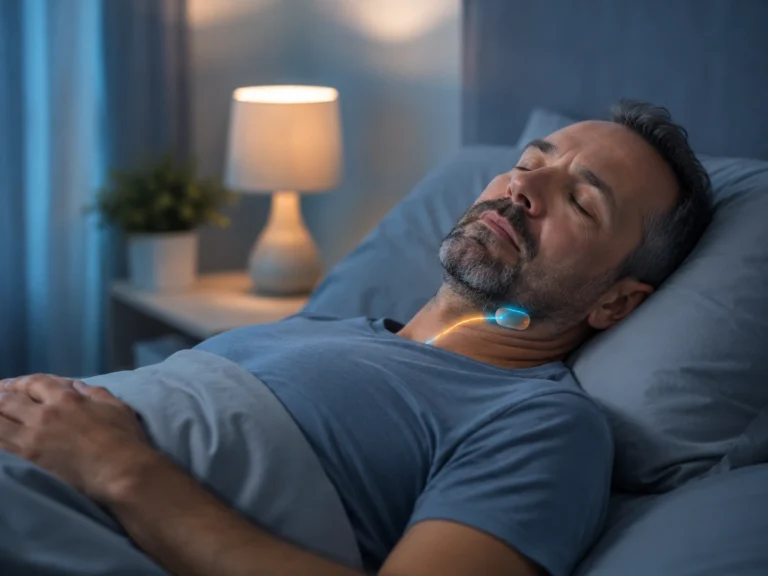
A sleep apnea implant is fundamentally a small, pacemaker-like neurostimulator placed just under the skin of your upper chest. It is formally known as a hypoglossal nerve stimulator because it directly interacts with the nerve controlling your tongue.
The primary sleep apnea implant name you will hear in clinical settings is the Inspire device, though new competitors are emerging. These devices represent a massive leap forward for patients who have failed all other conservative treatment methods.
Mayo Clinic — Obstructive sleep apnea
How Does the Sleep Apnea Implant Work?
Understanding how does the sleep apnea implant work helps alleviate much of the anxiety surrounding the surgical procedure. The sleep apnea implant device consists of three main components: a small generator, a breathing sensor, and a stimulation lead.
The generator is implanted in the upper right chest, while a sensing lead is placed between your rib muscles. This specific sensor continuously monitors your natural breathing rhythm and detects exactly when you are attempting to inhale to optimize how much deep sleep do you need for real rest.
As you take a breath, the device for sleep apnea implant sends a very mild electrical pulse up to the hypoglossal nerve in your neck. This gentle stimulation physically moves your tongue forward, keeping your airway completely open without waking you up.
Modern sleep apnea implant devices are entirely controlled by the patient using a small, handheld remote control. You simply turn the therapy on right before you go to sleep and turn it off when you wake up.
Mayo Clinic — Obstructive sleep apnea
Inspire Sleep Apnea Implant Explained
The inspire sleep apnea implant is currently the most recognizable and widely prescribed neurostimulator in the United States. It received formal FDA approval in 2014 and has since been implanted in tens of thousands of struggling patients globally.
When you choose the sleep apnea implant inspire system, you are selecting a device with over a decade of robust clinical safety data. The inspire sleep apnea device is specifically engineered to treat obstructive sleep apnea, not central sleep apnea.
Having an Inspire sleep apnea implant requires strict adherence to follow-up appointments so your doctor can fine-tune the electrical settings. It provides an incredibly elegant, mask-free solution that seamlessly integrates into a normal, active lifestyle.
American Academy of Sleep Medicine — Obstructive Sleep Apnea
Why Sleep Apnea Implant Therapy Is Important

Untreated sleep disorders place a massive, continuous strain on your heart and central nervous system every single night. When your airway collapses, your blood oxygen plummets, triggering dangerous symptoms of stress and anxiety like sudden adrenaline spikes and severe blood pressure shifts.
For patients who physically cannot wear a CPAP mask, sleep apnea implant therapy offers a critical, life-saving alternative. It directly mitigates the severe cardiovascular risks associated with untreated apnea, giving patients a powerful tool for how to prevent a heart attack.
By restoring normal, uninterrupted breathing patterns, this therapy significantly improves your cognitive function, memory, and daytime alertness.
Sleep Apnea and Heart Disease – American Heart Association
Who Is a Good Candidate for Inspire Therapy?
Not everyone with a snoring problem automatically qualifies for this advanced surgical intervention. To be considered for the implant, you must have a formal diagnosis of moderate to severe obstructive sleep apnea.
This means your Apnea-Hypopnea Index (AHI) must fall between 15 and 100 breathing interruptions per hour of sleep. Furthermore, you must have documented medical proof that you are physically unable to tolerate standard CPAP therapy.
Clinicians also strictly evaluate your Body Mass Index (BMI), as the device is less effective in patients with severe obesity; hence, learning how to maintain a healthy lifestyle and managing weight is crucial before approval.
Finally, you must undergo a drug-induced sleep endoscopy to ensure your specific airway anatomy collapses in a compatible manner.
Mayo Clinic — Obstructive sleep apnea
Sleep Apnea Implant Surgery
The surgery for sleep apnea implant placement is generally considered minimally invasive and is performed under general anesthesia. Most patients undergo sleep apnea implant surgery at an accredited hospital or specialized surgical center as an outpatient procedure.
The surgeon typically makes two small incisions: one under your chin to access the nerve, and one below your collarbone for the battery. The entire surgical process usually takes between two and three hours to safely connect and test the internal wires.
Recovery is generally straightforward; most patients experience mild neck soreness and require over-the-counter pain medication for a few days. You will not turn the device on immediately; the surgical sites must heal completely for about four weeks before activation.
Sleep Apnea Implant Cost & Insurance
Understanding the exact sleep apnea implant cost is crucial, as this is a highly advanced medical procedure. Without any insurance coverage, the total out-of-pocket cost of inspire sleep apnea implant surgery can easily range from $30,000 to $40,000.
This high sleep apnea implant price includes the expensive hardware, the surgeon’s fees, anesthesia, and the required hospital facility charges. However, because it is FDA-approved, the inspire sleep apnea implant cost is now widely covered by most major medical insurance providers.
Medicare and numerous commercial plans will authorize the surgery if you strictly meet all their documented medical criteria. Patients should work closely with their clinic’s billing department to secure a formal pre-authorization before scheduling the procedure.
Sleep Studies and Sleep Apnea Coverage – Medicare
Sleep Apnea Implant Success Rate
When evaluating medical interventions, looking at the objective Sleep apnea implant success rate is incredibly important. Clinical studies consistently show that over 75% of patients experience a massive, life-changing reduction in their nightly apnea events.
Most successful patients see their AHI score drop by more than half, moving them from severe apnea back into a healthy range.
Furthermore, patient satisfaction rates are exceptionally high, with many reporting a dramatic improvement in their daytime energy levels. Success is highly dependent on proper patient selection, meticulous surgical placement, and attending your scheduled device calibration appointments.
Inspire Sleep Apnea Implant Side Effects
Like any surgical intervention, there are potential inspire sleep apnea implant side effects that you must discuss with your doctor. During the initial adjustment phase, some patients experience mild tongue soreness or temporary weakness in their lower jaw muscles, which can sometimes trigger irritability or mimic common symptoms of depression due to fatigue from the adjustment period.
Because the device relies on electrical pulses, a small percentage of users report feeling an uncomfortable tingling sensation in their throat.
There is also a standard surgical risk of localized infection or minor bleeding near the specific incision sites on the chest and neck. If the internal battery generator moves slightly beneath the skin, it may cause minor physical discomfort when wearing tight clothing.
Sleep Apnea Implant Reviews & Patient Experiences
Reading honest sleep apnea implant reviews provides valuable insight into what living with the device is actually like. Many Sleep apnea implant reviews highlight the profound freedom of finally traveling without lugging a bulky CPAP machine through airport security.
If you browse a Sleep apnea implant reddit forum, you will find countless success stories of patients finally achieving deep, restorative rest. However, it is also important to acknowledge the occasional Inspire sleep apnea horror stories regarding surgical complications or device malfunctions.
While rare, some patients require a revision surgery if an internal wire becomes disconnected or if the stimulation causes chronic tongue abrasions.
New Sleep Apnea Implant Technologies
The medical field is rapidly advancing, introducing a highly competitive new sleep apnea implant landscape in 2026. Companies like Nyxoah have introduced the Genio system, which stimulates both sides of the hypoglossal nerve using an external, wearable battery patch.
Additionally, researchers have developed a specialized central sleep apnea implant called the Remede system specifically designed for patients exhibiting heart failure common symptoms.
This device stimulates the phrenic nerve in the chest to actively control the diaphragm, rather than the tongue. These emerging technologies provide critical options for patients whose anatomical structures do not qualify them for the standard Inspire system.
Sleep Apnea Implant vs CPAP
Choosing between treatments requires a clear understanding of your personal comfort levels and long-term medical compliance.
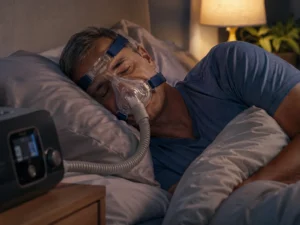
Mask Required: The sleep apnea implant requires no mask (therapy is entirely internal), while a standard CPAP machine requires a facial or nasal mask.
Surgery Needed: The implant requires outpatient implantation, whereas the CPAP is entirely non-invasive.
Long-Term Adherence: Adherence is very high with the implant (simply click a remote), but variable with CPAP, as many struggle with discomfort.
Upfront Financial Cost: The implant has high surgical and device costs, while the CPAP has lower initial equipment costs.
Sleep Apnea Mouth Guard vs Implant
For mild cases, many patients ask about a standard sleep apnea mouth guard before committing to major surgery. Oral appliances physically push your lower jaw forward to manually open the airway, which works well for minor snoring issues and falls under the umbrella of what is preventive dental care.
However, they can cause severe tooth shifting and chronic jaw joint pain if worn consistently over several years. Conversely, an implant provides active, dynamic muscle stimulation without putting any physical pressure on your fragile dental structures. While the implant is vastly more expensive, it is significantly more effective for severe cases of airway collapse.
Mayo Clinic — Sleep apnea – Diagnosis and treatment
Before and After Sleep Apnea Implant Therapy
The physical transformation witnessed before and after treatment is often incredibly profound for exhausted patients. Before the implant, patients typically suffer from crippling morning headaches, severe brain fog, and a total lack of motivation.
After proper device calibration, the loud, disruptive snoring almost entirely disappears, allowing their partners to finally sleep in the same room. Patients frequently report feeling years younger as their cardiovascular system finally recovers from the nightly stress of oxygen deprivation.
Sleep Apnea Implant CPT Codes & Billing
Navigating the financial landscape requires knowing the correct sleep apnea implant cpt code for your insurance claims. Medical billing departments typically use CPT code 64582 to specifically identify the surgical implantation of a hypoglossal nerve stimulator.
There are also specific codes used for the initial activation and the ongoing digital programming of the neurostimulator device. Always ensure your surgeon’s office submits these exact codes during the pre-authorization phase to avoid devastating surprise medical bills.
Finding Sleep Apnea Implant Specialists Near You

If you are ready for a consultation, searching for certified providers in your local area is your next crucial step. For example, finding an inspire sleep apnea implant pottstown or an inspire sleep apnea implant phoenixville clinic ensures you have access to local follow-up care.
Similarly, searching for a sleep apnea implant boca raton specialist will connect you directly with highly trained ENT surgeons. Always look for a comprehensive sleep medicine center that handles both the surgical implantation and the long-term device programming.
Benefits of Sleep Apnea Implant Therapy
The medical benefits of this therapy are backed by high levels of clinical evidence. It successfully reduces apnea events, which in turn lowers severe cardiovascular disease risks.
It also significantly improves better sleep quality, completely eliminating chronic daytime exhaustion. Furthermore, as a CPAP alternative, it provides incredible freedom from uncomfortable facial masks.
Risks & Safety Considerations
While highly effective, having a permanent medical device inside your chest carries specific, long-term safety considerations. Most modern implants are MRI-conditional, meaning you can only have specific types of MRI scans under very strict medical guidelines.
Furthermore, the internal battery generator does not last forever; it typically requires a minor surgical replacement every ten to eleven years. You must also commit to regular, annual check-ups with your sleep specialist to ensure the device is still firing properly, which perfectly highlights why is preventive care important for device longevity.
Centers for Disease Control and Prevention — Sleep and Sleep Disorders
When to See a Sleep Specialist
You should never ignore chronic, excessively loud snoring that regularly forces your spouse to sleep in a different bedroom because you both need to manage how much sleep do I need for daily functioning. If a family member has actively witnessed you stop breathing or gasp loudly for air, you need immediate medical attention.
Severe daytime fatigue that makes you accidentally nod off while driving is a massive, life-threatening clinical red flag. If you already have a CPAP machine but rip it off every single night in frustration, schedule a consultation to discuss implant therapy today.
Frequently Asked Questions
What is the Inspire sleep apnea implant?
It is a highly advanced, surgically implanted medical device that actively stimulates your hypoglossal nerve during deep sleep. This gentle electrical stimulation pushes your tongue forward, keeping your airway physically open without the need for a pressurized CPAP mask.
Is the sleep apnea implant safe?
Yes, for properly screened medical candidates, the procedure and the device are generally considered highly safe and are fully FDA-approved. It has over a decade of robust clinical safety data, though all surgical procedures carry minor risks of infection or localized pain.
How much does the sleep apnea implant cost?
Without any insurance, the complete surgical procedure and hardware typically cost between $30,000 and $40,000 in the United States. Fortunately, Medicare and most major commercial health insurance providers will cover the vast majority of these costs if you meet their strict clinical criteria.
Can the implant completely replace my CPAP machine?
Yes, the primary medical purpose of this specific device is to serve as a permanent replacement for patients who suffer from severe CPAP intolerance. Once the device is properly calibrated and successfully managing your airway, you can permanently retire your cumbersome breathing machine.
How long does the internal device battery actually last?
The generator implanted in your chest relies on a specialized, non-rechargeable battery that typically lasts between ten and eleven years. When the battery eventually depletes, you will require a very brief, minor outpatient surgery strictly to swap out the small generator unit.
Conclusion
Managing a severe sleep disorder often feels like a never-ending battle, especially when traditional therapies cause more frustration than actual relief.
However, sleep apnea implant therapy represents a massive technological leap forward, offering genuine hope to patients who physically cannot tolerate CPAP machines. By utilizing advanced neurostimulation, this elegant device works entirely within your body to keep your airway open and protect your cardiovascular health.
As a medical professional, I have seen firsthand how finding the right, personalized treatment can completely revitalize a patient’s entire outlook on life. While the upfront surgical requirements and financial considerations are significant, the long-term freedom from facial masks and tangled hoses is profoundly life-changing.
If you are exhausted, frustrated, and ready for a permanent change, do not let your condition go untreated. I strongly encourage you to speak with a board-certified sleep specialist or an ENT surgeon to determine if you meet the specific clinical criteria for implantation. Taking this proactive step today can finally restore the deep, restorative sleep your brain and body desperately require.
Evidence-Based References
- Mayo Clinic — Sleep apnea – Diagnosis and treatment
- National Heart, Lung, and Blood Institute — Sleep Apnea
- American Academy of Sleep Medicine — CPAP Therapy
- Johns Hopkins Medicine — The Dangers of Uncontrolled Sleep Apnea
- Centers for Disease Control and Prevention — Sleep and Sleep Disorders
- MedlinePlus — Sleep Apnea
- PMC — Pharmacological treatment for central sleep apnoea in adults
- CDC — Sleep and Sleep Disorders
- American Thoracic Society — Obstructive Sleep Apnea
- National Institute on Aging — A Good Night’s Sleep
Related Posts



MORE from Author
Read More As a physician specializing in exercise science and public health, I regularly consult patients who feel completely lost in the…
 Just last week, a 34-year-old patient named Clara sat in my clinic, feeling entirely overwhelmed by the modern fitness industry.…


 Hello, I am Dr. Kenji Sato, MD, specializing in sports medicine and performance optimization. In my sports clinic, I constantly…
- In my clinical practice as a physician focused on exercise science, I often tell patients that mastering fitness bench workouts…