Zepbound for Sleep Apnea: FDA Status, Insurance Coverage, Cost & Effectiveness (2026 Guide)

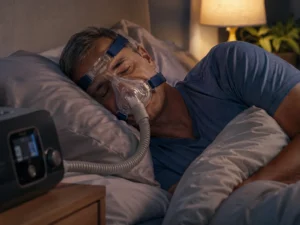
If you are struggling with severe daytime exhaustion and cannot tolerate a standard CPAP machine, finding an effective medical alternative is crucial for your long-term health. Understanding what is sleep apnea is the first step, but exploring modern treatments is where real progress begins.
Over the past few years, the use of zepbound for sleep apnea has sparked massive interest among struggling patients and clinicians alike.
As a medical doctor specializing in complex sleep disorders, I frequently evaluate patients who feel completely defeated by their heavy airway therapies. Recently, I interviewed a patient who achieved remarkable relief after incorporating this specific injectable medication into their comprehensive treatment plan.
Therefore, it is clinically essential to understand how this drug actually functions within the body. In this comprehensive 2026 guide, we will explore exactly how this medication impacts your airway stability, clarify its current regulatory status, and break down what you can expect regarding insurance coverage and monthly out-of-pocket costs.
TL;DR: Quick Overview
Zepbound (tirzepatide) first gained approval for chronic weight management. Then, the FDA officially expanded its use in late 2024. Now, it treats moderate-to-severe obstructive sleep apnea in obese adults.
This medication significantly improves your Apnea-Hypopnea Index (AHI). Specifically, it aggressively reduces visceral fat around your upper airway. Consequently, it lowers the frequency of nighttime breathing interruptions.
While highly effective, the Zepbound for sleep apnea cost is quite expensive. Furthermore, insurance coverage is rarely guaranteed. Your approval heavily depends on having a documented obesity diagnosis alongside your OSA.
Finally, remember this is not a permanent cure for central sleep apnea. Instead, doctors recommend it as a powerful adjunct therapy. It works best for patients who simply cannot tolerate traditional CPAP machines.
American Academy of Sleep Medicine — CPAP Therapy
What Is Zepbound and Is It Used for Sleep Apnea?
Patients constantly ask me, is zepbound for sleep apnea an actual, viable treatment option? First of all, Zepbound is the brand name for tirzepatide, a dual GLP-1 and GIP receptor agonist initially approved for chronic weight management.
Many people still believe it is strictly a cosmetic weight loss drug, which is a massive clinical misconception. In reality, Zepbound actively reduces dangerous visceral fat, particularly the heavy fatty tissues surrounding your neck and upper airway.
As a result, modern zepbound for sleep apnea reviews show dramatic, life-changing improvements in airway collapse. By directly addressing the root physiological cause of the obstruction, it serves as a highly effective, systemic treatment for obstructive sleep apnea.
Obstructive Sleep Apnea Symptoms and Causes – Mayo Clinic
How Does Zepbound Help Sleep Apnea?
Understanding how does zepbound help sleep apnea requires looking at the physical anatomy of your throat. When you carry excess weight, heavy fat deposits thicken the pharyngeal walls, making your airway highly susceptible to collapsing while you sleep.
The medication promotes substantial weight loss, which directly shrinks these obstructive pharyngeal fat pads over time. Consequently, your airway gains crucial structural stability, preventing the soft tissues from closing off and causing dangerous oxygen desaturation events. This structural change helps you achieve the optimal targets for how much deep sleep do you need each night.
Furthermore, patients tracking their zepbound for sleep apnea ahi scores experience massive, documented improvements. Those with moderate to severe obstructive sleep apnea often see their nighttime breathing pauses cut entirely in half, significantly improving daytime alertness.
American Thoracic Society — Obstructive Sleep Apnea
Zepbound vs Mounjaro for Sleep Apnea
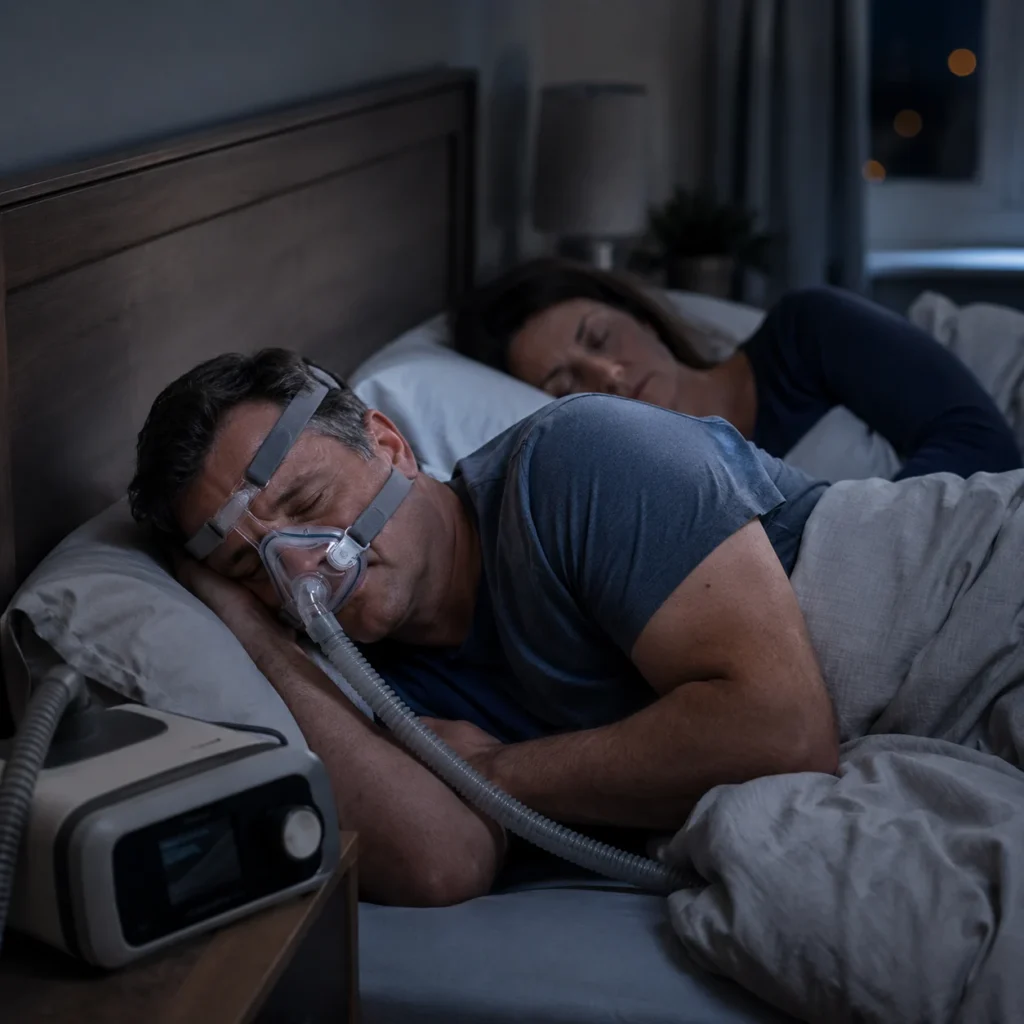
There is often deep confusion when discussing mounjaro for sleep apnea, as it contains the exact same active ingredient: tirzepatide. However, these two injectable medications have completely different FDA labeling and legally prescribed clinical uses.
Mounjaro was specifically approved by the FDA in 2022 to regulate and monitor what is normal blood sugar in adults suffering from Type 2 diabetes. Conversely, Zepbound is formulated and marketed specifically for chronic weight management and severe obesity-related comorbidities.
While patients frequently wonder when will mounjaro be approved for sleep apnea, it is unlikely to receive that specific label. Doctors primarily prescribe Zepbound when targeting sleep disorders explicitly linked to obesity, while Mounjaro remains strictly dedicated to diabetes management.
Johns Hopkins Medicine — The Dangers of Uncontrolled Sleep Apnea
Is Zepbound FDA Approved for Sleep Apnea?
Many outdated online resources state that there are no new FDA approved drugs for sleep apnea. However, I must gently correct this widespread misconception based on recent regulatory updates that occurred in late 2024.
The FDA officially approved Zepbound as a targeted treatment for moderate-to-severe obstructive sleep apnea specifically in adults who also have obesity. This acts as an excellent form of what is preventive care by proactively preventing future cardiovascular complications.
However, it is clinically crucial to understand that zepbound for sleep apnea fda approval strictly applies to patients with documented obesity. For patients with a normal BMI or central sleep apnea, standard CPAP therapy or surgery remains the primary medically approved intervention.
CDC — Sleep and Sleep Disorders
Zepbound for Sleep Apnea Cost (2026 Breakdown)
If you are seriously considering this medication, understanding the zepbound for sleep apnea cost is a critical first step. Without any commercial insurance assistance, the standard retail price for a one-month supply of injectable pens currently ranges from $900 to $1,300.
This remarkably high monthly zepbound for sleep apnea cost can be a massive financial barrier for many patients desperately seeking relief. Because it requires continuous, long-term use to maintain weight loss and airway stability, the annual financial commitment is quite substantial.
Fortunately, the pharmaceutical manufacturer frequently offers commercial savings cards to help eligible patients significantly reduce their initial out-of-pocket pharmacy expenses.
Zepbound Prices, Coupons and Savings Tips – GoodRx
Will Insurance Cover Zepbound for Sleep Apnea?
The most frequent question I hear during clinic hours is, will insurance cover zepbound for sleep apnea? The answer is unfortunately complex, as obtaining comprehensive zepbound for sleep apnea insurance coverage requires navigating strict, frustrating administrative hurdles.
Most health insurance companies will absolutely not approve the medication if it is prescribed solely for a standard sleep apnea diagnosis. Instead, they strictly require documented proof of obesity, typically defined as a Body Mass Index (BMI) of 30 or higher.
If your BMI is 27 or above, having a formal sleep apnea diagnosis significantly strengthens your chances of clinical approval. Ultimately, does insurance cover zepbound for sleep apnea depends entirely on successfully proving that obesity is severely compounding your breathing disorder.
Medicare, Medicaid & Private Insurance Coverage
Navigating specific plan requirements can be incredibly frustrating for patients actively seeking zepbound for sleep apnea coverage. For instance, if you are asking does medicare cover zepbound for sleep apnea, traditional Medicare Part D famously restricts all basic weight-loss drugs.
However, because the FDA officially recognized its cardiovascular and sleep benefits, zepbound for sleep apnea covered by medicare is slowly improving through specific medically necessary exceptions. Similarly, does medicaid cover zepbound for sleep apnea varies drastically by state, with several states completely excluding modern obesity medications.
Commercial insurance plans require extensive prior authorizations from your prescribing doctor. Whether you wonder does aetna cover zepbound for sleep apnea, or does cigna cover zepbound for sleep apnea, you must rigorously document failed lifestyle interventions. This strict documentation rule also applies if you ask does bcbs cover zepbound for sleep apnea or does anthem cover zepbound for sleep apnea.
Centers for Disease Control and Prevention — Sleep and Sleep Disorders
How to Get Zepbound for Sleep Apnea
Understanding how to get zepbound for sleep apnea requires diligently following a very specific, step-by-step clinical pathway. First of all, you must undergo a formal, in-lab or at-home sleep study to officially confirm your severe obstructive sleep apnea diagnosis.
Next, your medical provider must meticulously document your current BMI and explicitly record any previous, unsuccessful attempts at learning how to maintain a healthy lifestyle for weight loss. Without this documented history, securing formal zepbound approval for sleep apnea from your insurance provider is almost entirely impossible.
Finally, a specialized physician, such as a board-certified endocrinologist or a sleep medicine doctor, will formally submit a prior authorization request. Once completely approved, your local pharmacy will safely dispense the specialized, single-use injectable pens for your weekly subcutaneous doses.
Sleep Studies: What to Expect – Sleep Foundation
Zepbound for Sleep Apnea Side Effects

While the respiratory benefits are undeniably impressive, we must openly discuss potential zepbound for sleep apnea side effects. Because this potent medication fundamentally alters your digestion and brain chemistry, figuring out how to improve gut health naturally becomes vital to combat the common gastrointestinal distress.
Most patients report experiencing bouts of nausea, temporary vomiting, diarrhea, or severe constipation as their bodies desperately adjust to the shifting hormones. Furthermore, complete appetite loss is a standard physical response, which is exactly how the drug facilitates such rapid, massive weight reduction.
More seriously, there are rare clinical risks of developing acute pancreatitis or severe gallbladder issues requiring urgent surgical intervention. The medication also carries a strict black box warning regarding a potential risk for specific thyroid tumors, requiring very careful patient screening beforehand.
Zepbound Side Effects: Common, Severe, Long Term – Drugs.com
Clinical Evidence – Does Zepbound Improve Sleep Apnea?
When carefully reviewing the clinical data, the zepbound for sleep apnea reviews from the scientific and medical community are overwhelmingly positive. During the landmark SURMOUNT-OSA clinical trials, medical researchers tracked adults with obesity who suffered from moderate-to-severe nightly breathing interruptions.
The exhaustive studies revealed a massive, clinically significant reduction in the Apnea-Hypopnea Index (AHI) for patients successfully utilizing the medication. Specifically, many trial participants saw their hourly breathing interruptions drop by more than half over the strict course of 52 weeks, effectively diminishing dangerous heart disease common symptoms.
Furthermore, this immense physical improvement in airway stability directly correlated with the exact percentage of total body weight the patients lost. Consequently, patients reported achieving much deeper, restorative rest, alongside a major, life-saving reduction in cardiovascular strain, serving as a powerful method for how to prevent a heart attack.
National Institute on Aging — A Good Night’s Sleep
Medications for Sleep Apnea (Comparison Section)
Exhausted patients frequently ask me if there are simpler medications for sleep apnea that do not require painful weekly injections to help answer whether is 7 hours of sleep enough when you use them. Truthfully, there is currently no primary, curative oral pill designed solely to stop airway collapse without directly addressing underlying weight issues.
Historically, FDA approved drugs for sleep apnea were heavily limited to basic stimulant medications prescribed strictly to combat extreme daytime sleepiness. Drugs like modafinil help safely keep patients awake during the day but do absolutely nothing to stop the dangerous nighttime breathing pauses.
Therefore, Zepbound represents a monumental, historic shift in treating the actual anatomical cause of the disease rather than just masking the symptoms. Until revolutionary new oral medications are developed, injectable weight-loss drugs remain the most powerfully effective pharmacological adjunct to traditional CPAP therapies.
Zepbound vs Other Weight Loss Options for Sleep Apnea
When actively exploring permanent solutions for airway collapse, comparing this medication to other weight loss interventions is clinically essential. Traditional lifestyle changes, including implementing a rigorous, strictly healthy diet alongside daily exercise, remain the foundational recommendation for all sleep apnea patients.
However, achieving the massive, sustained weight reduction required to significantly lower your AHI score through diet alone is notoriously difficult. Bariatric surgery is another highly effective medical option, but it involves permanent anatomical changes and major surgical risks that heavily deter many patients.
Therefore, GLP-1 medications offer an excellent, highly effective non-surgical middle ground. They provide profound, surgery-like weight loss results while allowing anxious patients to safely avoid the operating room and lengthy hospital recoveries.
Who Should Consider Zepbound for Sleep Apnea?
Not every exhausted patient who snores loudly is a viable clinical candidate for this powerful systemic medication. It is primarily recommended for individuals actively suffering from diagnosed moderate-to-severe obstructive sleep apnea who also clearly meet the clinical criteria for obesity.
It is especially beneficial for frustrated patients who physically cannot tolerate wearing a standard, highly pressurized CPAP mask every single night. By utilizing this medication to rapidly reduce body weight, they can safely alleviate the mechanical pressure crushing their upper airway during sleep.
Conversely, patients diagnosed with central sleep apnea, where the brain simply fails to signal the breathing muscles, will not benefit from this drug. Likewise, individuals maintaining a completely healthy BMI should explore alternative medical treatments like custom oral appliances or targeted airway surgeries.
Frequently Asked Questions
Is Zepbound approved for sleep apnea?
Yes, the FDA officially approved Zepbound in late 2024 to formally treat moderate-to-severe obstructive sleep apnea specifically in adults with obesity. It was initially only approved for chronic weight management, but extensive clinical trials successfully proved its immense secondary benefits for treating sleep disorders.
Does insurance cover Zepbound for sleep apnea?
Insurance coverage typically requires your treating doctor to explicitly prove you have a clinical obesity diagnosis alongside your sleep apnea. Most major providers will absolutely not approve the expensive medication strictly for snoring; they require a comprehensive prior authorization carefully documenting your BMI.
How does Zepbound help sleep apnea?
The medication aggressively promotes substantial, rapid weight loss by safely mimicking natural hormones that control your overall appetite and digestion. Consequently, this sustained weight loss drastically reduces the excess fatty tissue heavily surrounding your throat, preventing your fragile airway from physically collapsing at night.
Is Mounjaro approved for sleep apnea?
No, Mounjaro is currently only FDA-approved to safely help manage blood sugar levels in patients struggling with Type 2 diabetes. While it contains the exact same active ingredient (tirzepatide), medical doctors primarily prescribe Zepbound when specifically targeting weight-induced severe sleep apnea.
What is the cost of Zepbound for sleep apnea?
Without any commercial insurance coverage, the standard retail cost for a single one-month supply usually ranges steeply between $900 and $1,300. However, Eli Lilly frequently provides highly beneficial manufacturer savings cards that can significantly lower the monthly out-of-pocket expenses for commercially insured patients.
Conclusion
Living with severe, untreated obstructive sleep apnea places a massive, incredibly dangerous burden on your cardiovascular system every single night. For many years, exhausted patients who physically could not tolerate bulky CPAP machines felt completely abandoned by the medical community.
However, the recent, groundbreaking introduction of zepbound for sleep apnea has completely shifted the entire respiratory treatment landscape in 2026. By directly and aggressively targeting the underlying obesity that physically crushes the upper airway, this medication offers an incredibly powerful, systemic clinical solution.
As a dedicated medical professional, I have witnessed firsthand how restoring healthy, uninterrupted breathing can entirely revitalize a patient’s physical and mental energy. While the monthly zepbound for sleep apnea cost certainly remains a significant financial hurdle, steadily growing insurance approvals are making it much more accessible today.
It is definitely not a magical, overnight cure, and it completely requires a firm commitment to long-term lifestyle changes and healthy eating habits. Furthermore, you must carefully and consistently monitor for potential gastrointestinal side effects during your initial dosage escalation phase.
If you currently have obesity and are desperately seeking a highly effective alternative to traditional breathing machines, please do not lose hope. I strongly encourage you to schedule a comprehensive consultation with a board-certified sleep specialist or endocrinologist today.
Discussing whether this highly advanced medication is clinically appropriate for your specific anatomy could be the vital first step toward finally reclaiming your restful nights.
Evidence-Based References
- U.S. Food and Drug Administration — FDA Approves First Medication for Obstructive Sleep Apnea
- National Institutes of Health — Tirzepatide for the Treatment of Obstructive Sleep Apnea and Obesity
- The New England Journal of Medicine — Tirzepatide for the Treatment of Obstructive Sleep Apnea and Obesity
- American Academy of Sleep Medicine — Sleep apnea and weight loss
- Mayo Clinic — Sleep apnea – Diagnosis and treatment
- Centers for Disease Control and Prevention — Sleep and Sleep DisordersMedlinePlus — Sleep Apnea
- National Heart, Lung, and Blood Institute — Sleep Apnea
- JAMA Network — Weight Loss and Obstructive Sleep Apnea
- American Thoracic Society — Obstructive Sleep Apnea in Adults
- Sleep Foundation — Zepbound for Sleep Apnea
Related Posts



MORE from Author
Read More As a physician specializing in exercise science and public health, I regularly consult patients who feel completely lost in the…
 Just last week, a 34-year-old patient named Clara sat in my clinic, feeling entirely overwhelmed by the modern fitness industry.…


 Hello, I am Dr. Kenji Sato, MD, specializing in sports medicine and performance optimization. In my sports clinic, I constantly…
- In my clinical practice as a physician focused on exercise science, I often tell patients that mastering fitness bench workouts…