
Does Sucralose Spike Blood Sugar? (2026 Evidence-Based Guide for Diabetics & Metabolic Health)
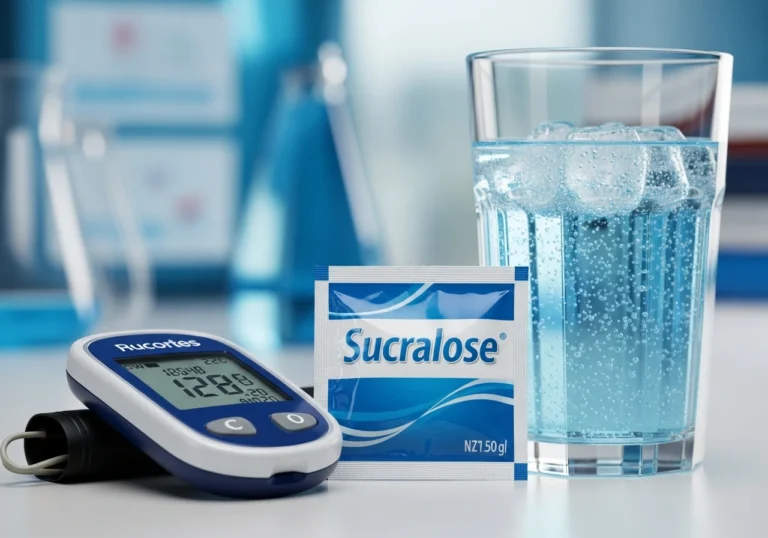
Sucralose is aggressively marketed worldwide as a zero-calorie sugar substitute, offering the promise of sweet indulgence without the metabolic consequences. Just last week, a patient of mine named David, a 55-year-old recently diagnosed with type 2 diabetes, sat in my clinic holding a diet soda.
He had been substituting all his sugary drinks with this popular alternative, but his morning glucose readings were still erratic. He looked at me and asked the critical question: Does sucralose spike blood sugar, or is there something else going on?
It is a question I hear almost daily in my endocrinology practice. Sucralose is widely used in everything from diet beverages and protein powders to “sugar-free” baked goods. It is incredibly popular among people with diabetes and those actively trying to lose weight.
However, the human metabolism is far more complex than a simple calorie equation. In this comprehensive guide, we will explore the evidence behind how this artificial sweetener impacts your blood sugar, your insulin response, your fasting goals, and your overall metabolic health.
TL;DR (The Bottom Line)
- Sucralose does not directly raise blood sugar in most people because it contains absolutely no digestible carbohydrates.
- However, it may indirectly affect your insulin response and alter your gut microbiome, especially in individuals with existing insulin resistance.
- Its ultimate metabolic impact varies heavily depending on the individual, their underlying health, and the frequency of use.
Does Sucralose Spike Blood Sugar?
For most people, sucralose does NOT spike blood sugar levels directly. Because the human body cannot break down the sucralose molecule, it passes through your digestive tract without being converted into glucose.
Therefore, when patients ask does sucralose raise blood sugar immediately after consumption, the physiological answer is usually no. It has negligible calories and zero carbohydrates.
However, we must look at the bigger picture. When my diabetic patients ask does sucralose raise blood sugar in diabetics, I have to explain that while the sweetener itself does not turn into glucose, the body’s hormonal reaction to intense sweetness can still cause minor glucose fluctuations indirectly.
Does Sucralose Spike Insulin?
While blood glucose might remain relatively flat, insulin is an entirely different story. Insulin is the hormone responsible for unlocking your cells to let glucose in, and it can be triggered by sensory inputs, not just calories.
Clinical Evidence Overview
Current clinical studies suggest that sucralose may trigger an insulin release in certain individuals. This is not a universal response, but it is highly documented in specific populations.
Specifically, this insulin response is far more likely to occur in people who struggle with obesity or those who already have established insulin resistance. In healthy, lean individuals, this response is often blunted or non-existent.
The Biological Mechanism
How does a zero-calorie substance trigger insulin? It comes down to your sweet taste receptors. When you consume something intensely sweet, receptors on your tongue and in your gut send a signal to your brain.
Your brain then signals your pancreas to prepare for an incoming sugar load that never actually arrives. This brain-gut signaling can result in a minor release of insulin, which answers the common question: does sucralose spike insulin? Yes, via neural anticipation rather than direct carbohydrate digestion.
Does Sucralose Affect Glycemic Response?
Your overall glycemic response is a combination of both your blood sugar levels and your insulin reaction following a meal or beverage.
As established, sucralose has a minimal direct glucose impact. You will not see a massive spike on a continuous glucose monitor purely from black coffee sweetened with pure sucralose drops.
However, because of the possible indirect metabolic signaling effects (the anticipatory insulin release), we cannot say it is entirely metabolically inert. Therefore, does sucralose affect glycemic response? Yes, but usually indirectly and to a much lesser degree than actual table sugar.
Does Sucralose Raise A1C Levels?
Your Hemoglobin A1C is a three-month average of your blood glucose levels. It is the gold standard for monitoring diabetes progression and overall metabolic health.
Currently, there is no strong clinical evidence to suggest a direct A1C increase from consuming this artificial sweetener in moderation. A single diet soda will not ruin your lab results.
But, as I warn my patients, long-term excessive intake may impact metabolic regulation. If heavy use leads to worsened insulin resistance over several years, your A1C could slowly creep up. So, does sucralose raise A1C levels directly? No, but it is not a magical shield against diabetes either.
Does Sucralose Cause Insulin Resistance?
This is perhaps the most hotly debated topic in modern endocrinology. Does consuming fake sugar actually make your cells more resistant to insulin over time?
Current research yields mixed findings. Some short-term trials show no negative effects, while longer observational studies suggest a correlation between heavy artificial sweetener use and metabolic decline.
The potential concerns stem from two main areas: gut microbiome disruption and altered glucose tolerance. If your body constantly pumps out insulin for fake sugar, your cells may eventually become “numb” to that insulin.
So, does sucralose cause insulin resistance? It may be a contributing factor in susceptible individuals when consumed in high amounts.
Does Sucralose Affect Metabolic Health?
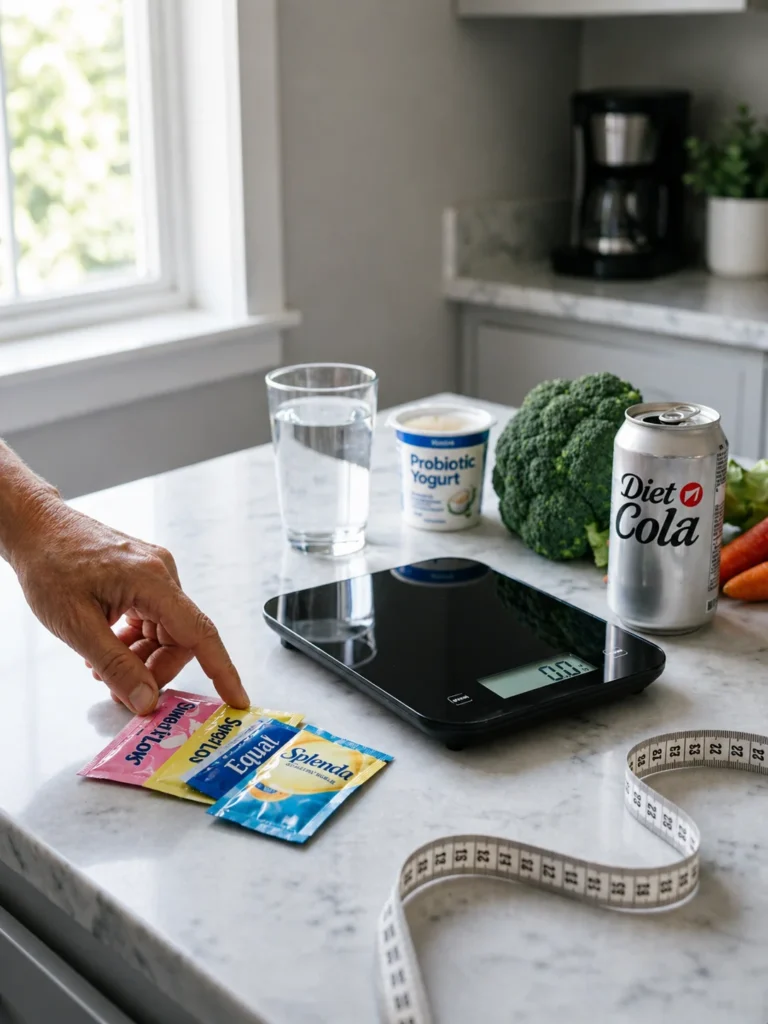
Metabolic health is not just about blood sugar; it encompasses your gut health, your weight, and your relationship with food.
Gut Microbiome Effects
Emerging data show that heavy consumption may alter gut bacteria composition. Sucralose can pass undigested into the colon, where it may negatively impact the beneficial bacteria that help regulate inflammation and glucose metabolism.
Appetite and Sweet Cravings
Many of my patients report that drinking diet soda makes them hungrier. Because it provides intense sweetness without caloric energy, it may increase sweet cravings in some users, leading them to overeat later in the day.
Body Weight Impact
When used strictly to replace high-calorie sugary beverages, the weight impact is usually neutral to slightly beneficial. However, if it drives increased cravings, it can indirectly stall weight loss. So, does sucralose affect metabolic health? Yes, primarily through the gut and appetite pathways.
Is Sucralose Good for People with Diabetes?
When David asked me if he should throw away his diet drinks, we had to weigh the pros and cons carefully.
The clear pros are that it is zero-calorie and causes no direct glucose spike. It allows diabetics to enjoy sweet flavors without an immediate hyperglycemic emergency.
The cons involve the potential insulin response and the possible long-term metabolic effects on the gut microbiome. Ultimately, is sucralose good for people with diabetes?
It is an acceptable stepping stone away from regular sugar, but water and unsweetened teas are always the superior choice for sucralose diabetes type 2 management.
Does Sucralose Break a Fast?
Intermittent fasting is incredibly popular for improving insulin sensitivity. Patients constantly ask me if their morning diet energy drink will ruin their fast.
Technically, because it contains no calories, it does NOT break a fasting state from a purely caloric or weight-loss perspective. You remain in a calorie deficit.
But, as we discussed, it may trigger insulin. If your goal for fasting is strict metabolic rest and keeping insulin absolutely flat, then yes, it could affect your metabolic fasting goals.
Therefore, does sucralose break a fast? It depends entirely on whether you are fasting for weight loss (no) or strict insulin control (potentially yes).
Comparison: Sucralose vs Other Sweeteners
When evaluating your pantry, it helps to know how sucralose stacks up against the competition. In my clinic, I frequently review continuous glucose monitor (CGM) data to see how different artificial and natural sweeteners behave in the real world.
Stevia and Glucose Impact
Stevia is a natural plant extract that has gained massive popularity. Patients often ask me, “Does stevia spike blood sugar as some artificial alternatives might?” Generally, the answer is no.
In fact, clinical research suggests that stevia may actually improve insulin sensitivity rather than hinder it. It does not trigger the same anticipatory insulin release, making it one of the safest options for those with severe insulin resistance.
Aspartame Effects
Aspartame is the classic sweetener found in most traditional diet sodas. Many wonder, does aspartame spike blood sugar in daily use? Physiologically, it has a minimal direct effect on your glucose numbers.
However, aspartame has a different chemical structure and breaks down into amino acids. While it will not cause a glycemic spike, some patients report headaches and increased hunger when consuming it in large, frequent quantities.
Acesulfame Potassium (Ace-K) Profile
Often blended with sucralose to mask any bitter aftertaste, Ace-K is heavily utilized in sports drinks and sugar-free syrups. If you are curious, does acesulfame potassium raise blood sugar? The direct answer is usually no.
Like sucralose, Ace-K contains no metabolizable carbohydrates. However, it also shares the potential for triggering an insulin response in sensitive individuals, meaning the two together in a diet soda could amplify that brain-gut hormonal signaling.
Top Choices for Metabolic Stability
Patients constantly ask me for a definitive list: what sweeteners don’t spike blood sugar or insulin under any circumstances? My top clinical recommendations are always naturally derived.
Pure stevia, pure monk fruit extract, and the sugar alcohol erythritol are the gold standards. These three pass through the body without triggering significant hormonal cascades or feeding harmful gut bacteria, keeping your metabolism incredibly stable.
Is Sucralose Worse for You Than Sugar?
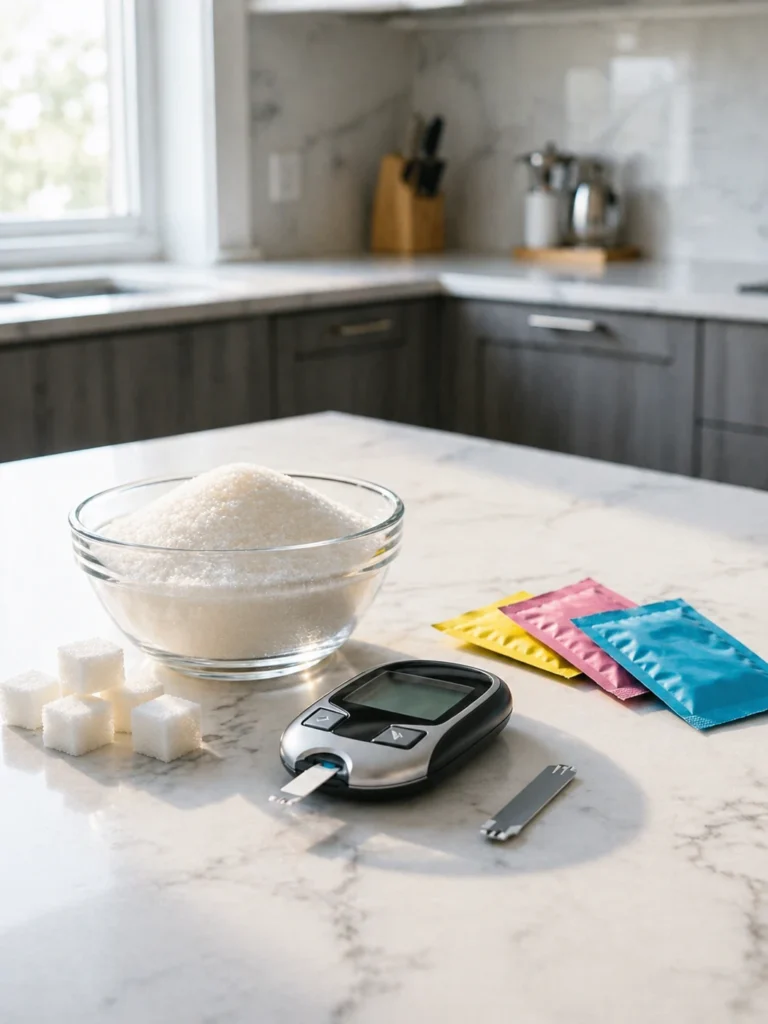
When the media publishes alarming headlines about artificial sweeteners, some patients consider going back to regular table sugar. They ask me bluntly: Is sucralose worse for you than sugar in the long run?
The Dangers of Regular Sugar
To answer this, we must look at the undeniable devastation regular sugar causes. Refined sugar rapidly raises your blood glucose, drives massive insulin spikes, promotes immediate fat storage, and directly increases your A1C over time.
Chronic sugar consumption is a primary driver of type 2 diabetes, non-alcoholic fatty liver disease, and systemic cardiovascular inflammation. Its dangers are heavily documented and absolute.
The Sucralose Profile
In contrast, sucralose provides no calories and has a vastly lower direct glycemic impact. It does not flood your liver with fructose or instantly spike your bloodstream with glucose.
The verdict? Sucralose is generally much better than regular sugar for immediate blood sugar control. However, it is not entirely risk-free due to its potential impact on the gut microbiome and insulin signaling. It is a harm-reduction tool, not a health supplement.
Does Sucralose Cause Inflammation Like Sugar?
Chronic inflammation is the root cause of almost all metabolic diseases. We know that high-sugar diets cause severe systemic inflammation.
So, does sucralose cause inflammation like sugar does? The current clinical evidence is limited and somewhat inconsistent, but it points to a different pathway.
Unlike sugar, which causes direct inflammatory damage to blood vessels, some data suggests sucralose may cause low-grade inflammation indirectly. By altering the balance of your gut bacteria, it can compromise your gut lining, potentially leading to a mild inflammatory response over years of heavy use.
Real-World Insights (User Concerns & Trends)
As a modern physician, I cannot ignore what my patients read online. Communities and forums are filled with anecdotal reports and intense debates about artificial sweeteners.
If you search does sucralose spike blood sugar reddit, you will find thousands of conflicting posts. Some users swear their CGM shows a massive spike after a zero-calorie energy drink, while others report perfectly flat lines.
This highlights the extreme individual variability in metabolic health. The “spikes” some users see are often the result of the cephalic phase insulin response or hidden carbohydrates (like maltodextrin) used as bulking agents in powdered sucralose packets, rather than the pure liquid sweetener itself.
Practical Recommendations (MD-Backed)
Instead of panicking over every ingredient, I encourage my patients to adopt a practical, personalized approach to their sweetener consumption.
Safe Usage Guidelines
Most healthy adults without metabolic dysfunction can use sucralose safely. If you are simply trying to reduce your overall daily calorie and sugar intake to lose a few pounds, it can be an effective transitional tool.
Populations Requiring Caution
I advise extreme caution for individuals with advanced insulin resistance, unmanaged type 2 diabetes, or chronic gut issues like Irritable Bowel Syndrome (IBS). In these populations, the potential downsides outweigh the benefits.
Best Practices for Daily Use
Use artificial sweeteners in strict moderation. Avoid ultra-processed “keto” or “sugar-free” junk foods that use sucralose to mask poor nutritional quality. Most importantly, use a glucometer to monitor your own unique blood glucose response.
Frequently Asked Questions
Does sucralose raise blood sugar directly?
No, it does not. Because sucralose contains zero digestible carbohydrates, your body cannot convert it into glucose. It passes through your digestive system without causing a direct, immediate spike in your blood sugar levels.
Can sucralose trigger an insulin spike?
It can in certain individuals. The intense sweetness of sucralose can trick your brain into anticipating a sugar load. This brain-gut signaling can prompt your pancreas to release a small amount of insulin, an effect most commonly seen in people who already have insulin resistance or obesity.
Is sucralose safe for people with type 2 diabetes?
Generally, yes. It is widely recommended as a harm-reduction tool to help diabetics transition away from highly refined table sugar. However, because it may alter the gut microbiome and affect insulin signaling over time, it should be used in moderation rather than consumed in large quantities daily.
Will consuming sucralose break my intermittent fast?
If you are fasting purely to maintain a calorie deficit for weight loss, sucralose will not break your fast because it has zero calories.
However, if your fasting goal is complete metabolic rest and keeping your insulin levels absolutely flat, the potential insulin response triggered by the sweet taste could disrupt those specific hormonal benefits.
What are the best alternatives to sucralose for metabolic health?
If you are looking for zero-calorie sweeteners that do not trigger an anticipatory insulin response, naturally derived options are the clinical gold standard. Pure stevia extract, pure monk fruit extract, and the sugar alcohol erythritol are the safest choices for maintaining strict metabolic and glycemic stability.
Expert Medical Conclusion
In the realm of endocrinology, we rarely deal in absolutes. Sucralose is not a metabolic poison, but it is also not a biologically inert free pass.
It remains a highly useful tool for reducing excessive sugar intake and managing immediate caloric loads. However, the emerging data surrounding its effects on insulin signaling and gut microbiome health cannot be ignored.
The best approach is entirely personalized. If you rely on multiple artificially sweetened beverages a day, try replacing a few with plain water, sparkling water, or naturally sweetened alternatives like stevia.
Listen to your body, test your glucose regularly, and prioritize whole, unrefined foods to build lasting metabolic resilience.
Authoritative References:
- National Library of Medicine (PubMed) – Sucralose Affects Glycemic and Hormonal Responses (Peer-Reviewed Clinical Study)
- World Health Organization (WHO) – Guideline on the Use of Non-Sugar Sweeteners
- Mayo Clinic – Artificial Sweeteners and Other Sugar Substitutes: Health Effects
- Harvard T.H. Chan School of Public Health – The Nutrition Source: Low-Calorie Sweeteners
Related Posts



MORE from Author
Read More As a physician specializing in exercise science and public health, I regularly consult patients who feel completely lost in the…
 Just last week, a 34-year-old patient named Clara sat in my clinic, feeling entirely overwhelmed by the modern fitness industry.…


 Hello, I am Dr. Kenji Sato, MD, specializing in sports medicine and performance optimization. In my sports clinic, I constantly…
- In my clinical practice as a physician focused on exercise science, I often tell patients that mastering fitness bench workouts…