
How to Increase Blood Sugar: Fast, Safe Ways to Treat Low Blood Sugar (Hypoglycemia)

Just last week, a patient of mine named Sarah experienced a terrifying moment in the middle of a busy grocery store. She suddenly felt dizzy, her hands began to shake uncontrollably, and she felt a cold sweat breaking out.
She was experiencing severe hypoglycemia, and in that moment of panic, she didn’t know the proper steps for how to increase blood sugar safely and effectively.
Sarah’s story is incredibly common, not just for people managing diabetes, but also for caregivers and occasionally those without chronic conditions.
When your glucose levels plummet, your brain and body are instantly deprived of their primary energy source. Knowing exactly what to do in these high-stress moments can quite literally save a life.
In this comprehensive guide, we will explore the precise, medically backed methods to treat low blood sugar quickly. You will learn the exact foods to reach for, the critical 15-15 rule, and how to stabilize your body once the immediate danger has passed.
Key Takeaways
As a physician, the most important lesson I can impart is that low blood sugar is a temporary emergency with highly effective solutions. Do not ignore the early warning signs like shaking or sweating.
Always treat a crash immediately with 15 grams of fast-acting, liquid, or simple carbohydrates. Never use high-fat foods like chocolate for an emergency rescue.
Finally, build a proactive lifestyle. Eat regular meals, partner closely with your healthcare provider to adjust your medications, and always keep emergency glucose tablets within arm’s reach.
What Is Low Blood Sugar (Hypoglycemia)?
Low blood sugar, clinically known as hypoglycemia, occurs when your blood glucose concentration drops below the normal, safe range. For most individuals, this dangerous threshold is defined as a reading below 70 mg/dL.
When your blood sugar drops this low, your body cannot function properly. Your cells are essentially starving for the energy they need to perform basic operations.
If you are wondering what level of low blood sugar is dangerous, anything under 70 mg/dL requires prompt, decisive treatment. Allowing levels to drop further can lead to severe neurological complications, fainting, or even seizures.
What Causes Low Blood Sugar?
Understanding the root triggers of hypoglycemia is the first step in long-term prevention. What causes low blood sugar without diabetes or with it often comes down to an imbalance between food intake and energy expenditure.
One of the most frequent causes is simply skipping meals or fasting for too long. If you do not provide your body with a steady supply of nutrients, your glucose reserves will eventually deplete.
For diabetic patients, taking excess insulin or the wrong dose of glucose-lowering medications is a primary trigger. Additionally, intense, unexpected exercise can burn through your sugar reserves rapidly.
Finally, consuming alcohol, especially on an empty stomach, heavily suppresses your liver’s ability to release backup glucose.
What Are 5 Signs Your Blood Sugar Is Too Low?
Recognizing the early warning signs is critical for treating the issue before it escalates. Your body will typically send out alarm signals when your brain senses an energy shortage.
Here are the top 5 signs your blood sugar is too low:
- Shakiness: Uncontrollable trembling in the hands or legs.
- Sweating: A sudden, cold, and clammy sweat, regardless of the room temperature.
- Dizziness: Feeling lightheaded, off-balance, or vertically unstable.
- Confusion: Difficulty concentrating, slurred speech, or sudden irritability.
- Rapid heartbeat: Feeling like your heart is pounding or racing in your chest.
How to Increase Blood Sugar Quickly

When you or a loved one hits a dangerously low number, hesitation is your worst enemy. The medical gold standard for how to increase blood sugar quickly is universally known as the 15-15 Rule.
This simple, effective protocol prevents you from over-treating the low, which can lead to a massive, unwanted sugar spike later.
The 15-15 Rule Protocol:
- Consume: Eat or drink exactly 15 grams of fast-acting carbohydrates.
- Wait: Set a timer and wait exactly 15 minutes to allow the sugar to enter your bloodstream.
- Recheck: Test your blood sugar levels again using a reliable glucose monitor.
- Repeat: If your blood sugar remains below 70 mg/dL, consume another 15 grams of carbs and repeat the process.
Fast-Acting Carbohydrates for Low Blood Sugar
To execute the 15-15 rule correctly, you need the right tools. Fast-acting carbohydrates for low blood sugar are simple sugars that require almost zero digestion.
Your body absorbs these simple sugars directly through the stomach lining, shooting them straight into the bloodstream. You should avoid anything complex or fiber-heavy during an emergency.
Excellent examples of exactly 15 grams of fast-acting carbs include:
- Three to four over-the-counter glucose tablets.
- One-half cup (4 ounces) of natural fruit juice, like apple or orange.
- One-half cup (4 ounces) of regular, non-diet soda.
- One tablespoon of pure honey or maple syrup.
What Foods Raise Blood Sugar Immediately?
When you are caught without medical glucose tablets, you must look to your pantry. If you want to know what foods raise blood sugar immediately, you must prioritize heavily refined carbohydrates.
The best emergency options are foods that contain simple, raw sugars. A small handful of hard candies, like jelly beans or Skittles, work exceptionally well.
A single slice of plain white bread or a few saltine crackers can also be processed rapidly. Always remember to chew solid foods thoroughly to speed up the digestive and absorption processes.
What to Eat When Blood Sugar Is Low
There is a major difference between the immediate rescue treatment and the follow-up care. What to eat when blood sugar is low initially is entirely different from what you should eat once you are safe.
After your blood sugar has successfully returned above 70 mg/dL, you must stabilize it. Simple sugars burn off very quickly, meaning you could crash again in an hour if you do not follow up properly.
To prevent a secondary crash, you must pair a complex carbohydrate with a solid protein source. The best snack for low blood sugar recovery includes options like whole-grain crackers with peanut butter, or a small bowl of Greek yogurt. The protein acts as an anchor, keeping your glucose levels steady for hours.
How to Increase Blood Sugar Level Immediately
In a severe emergency, the physical state of the carbohydrate heavily dictates the speed of recovery. If you are researching how to increase blood sugar level immediately, always opt for liquids over solids if possible.
Liquids like juice or regular soda do not need to be broken down mechanically by the stomach. They pass directly into the intestines, where absorption is near-instantaneous.
Most importantly, you must strictly avoid high-fat foods during the rescue phase. Fat drastically slows down digestion. Reaching for a chocolate bar or a scoop of ice cream might seem logical, but the high-fat content will trap the sugar in your stomach, delaying the life-saving glucose spike you desperately need.
How to Increase Blood Sugar Naturally
Many of my patients ask how to maintain safe levels without constantly relying on processed sugars or emergency tablets. If you want to know how to increase blood sugar level naturally, the secret lies in your daily meal timing.
You must establish a regular, predictable eating schedule. Skipping meals forces your liver to work overtime to keep your numbers up, which eventually leads to a crash.
To naturally support your glucose, build meals around complex carbohydrates, lean proteins, and healthy fats. Foods like oats, quinoa, and sweet potatoes release sugar slowly and steadily into your bloodstream, providing hours of natural energy.
How to Increase Blood Sugar with Food
If you feel your numbers drifting down slightly but are not in an immediate emergency, you can use whole foods to correct the course. How to increase blood sugar with food effectively requires understanding the glycemic index.
Reach for natural foods that break down quickly but still offer some nutritional value. A ripe banana, a handful of grapes, or a small serving of applesauce are excellent choices.
These natural fruits contain fructose and glucose, which your body can process rapidly to gently bring your numbers back into the safe zone without causing a massive, unhealthy spike.
How to Increase Blood Sugar in the Morning
Waking up feeling shaky, sweaty, or confused is a classic sign of morning hypoglycemia. To manage how to increase blood sugar in the morning, you must act immediately upon waking up.
Keep a small glass of juice or glucose tablets right on your nightstand. Do not wait to cook a full breakfast if your numbers are below 70 mg/dL; treat the low first with fast-acting carbs.
Once your levels stabilize, eat a balanced breakfast within the first hour of waking. Avoiding long morning fasts is critical for resetting your daily metabolic rhythm.
How to Increase Blood Sugar at Night
Nocturnal hypoglycemia—dropping dangerously low while asleep—is one of the most frightening experiences for my diabetic patients. How to increase blood sugar at night requires proactive prevention before your head hits the pillow.
Always check your glucose levels right before bed. If your reading is bordering on the low side (usually below 100 mg/dL before sleep), you must intervene.
Eat a small, targeted bedtime snack. The perfect combination is a complex carb and a healthy fat, such as a slice of whole-wheat toast with avocado, or a small apple with a handful of walnuts.
How to Increase Blood Sugar Levels Fast for Diabetics
For those with a clinical diagnosis, the stakes are significantly higher. How to increase sugar level for diabetic patient requires strict adherence to an emergency protocol.
Diabetics must always carry an emergency stash of fast-acting carbs, whether in their purse, car glovebox, or desk drawer. You simply cannot afford to be caught without a rapid rescue option.
Furthermore, if a diabetic patient loses consciousness due to low blood sugar, do not attempt to feed them food or drink, as they could choke. This requires the immediate use of a prescription glucagon emergency kit or a call to 911.
How to Increase Blood Sugar on Medications
Modern weight-loss and diabetes drugs have changed the landscape of endocrinology. Patients frequently ask how to increase blood sugar on Mounjaro, Ozempic, or fast-acting insulins when they drop too low.
These powerful medications actively suppress your appetite and lower glucose. If you experience frequent lows while on these drugs, use the standard 15-15 rule (juice or glucose tabs) to treat the immediate emergency.
However, you must contact your prescribing physician immediately afterward. Frequent lows mean your medication dosage is too high for your current diet and needs to be medically adjusted.
Low Blood Sugar Quick Fix
If you are looking for a low blood sugar quick fix, remember that speed is the only thing that matters. Forget about trying to eat a “healthy” snack during an active crash.
Grab 4 ounces of regular soda, a tablespoon of honey, or three glucose tablets. These are your medical tools for a quick fix.
Once you consume them, sit down, breathe, and give your body exactly 15 minutes to absorb the sugar before you attempt to eat anything else or resume your activities.
What to Do When Blood Sugar Is Low
When panic sets in, having a mental flowchart is vital. What to do when blood sugar is low can be broken down into a rigid, step-by-step process.
- Stop what you are doing: Pull over if driving, or sit down if standing.
- Check your levels: Confirm the low with a finger-prick or continuous glucose monitor.
- Consume 15g of fast carbs: Drink juice or chew glucose tablets.
- Wait and recheck: Wait 15 minutes and test again.
- Eat a stabilizing snack: Once above 70 mg/dL, eat protein and complex carbs to anchor your numbers.
Dangerous Low Blood Sugar Levels
It is crucial to know when a mild inconvenience becomes a medical emergency. Understanding what level of low blood sugar is dangerous dictates how aggressively you must respond.
Clinically, any reading below 70 mg/dL is considered low and requires the 15-15 rule treatment. However, if your blood sugar drops below 54 mg/dL, you are in the severe hypoglycemia danger zone.
At 54 mg/dL or lower, your brain is severely deprived of energy. This level requires urgent medical attention, the assistance of a caregiver, or the administration of emergency glucagon to prevent seizures or a coma.
How to Prevent Low Blood Sugar
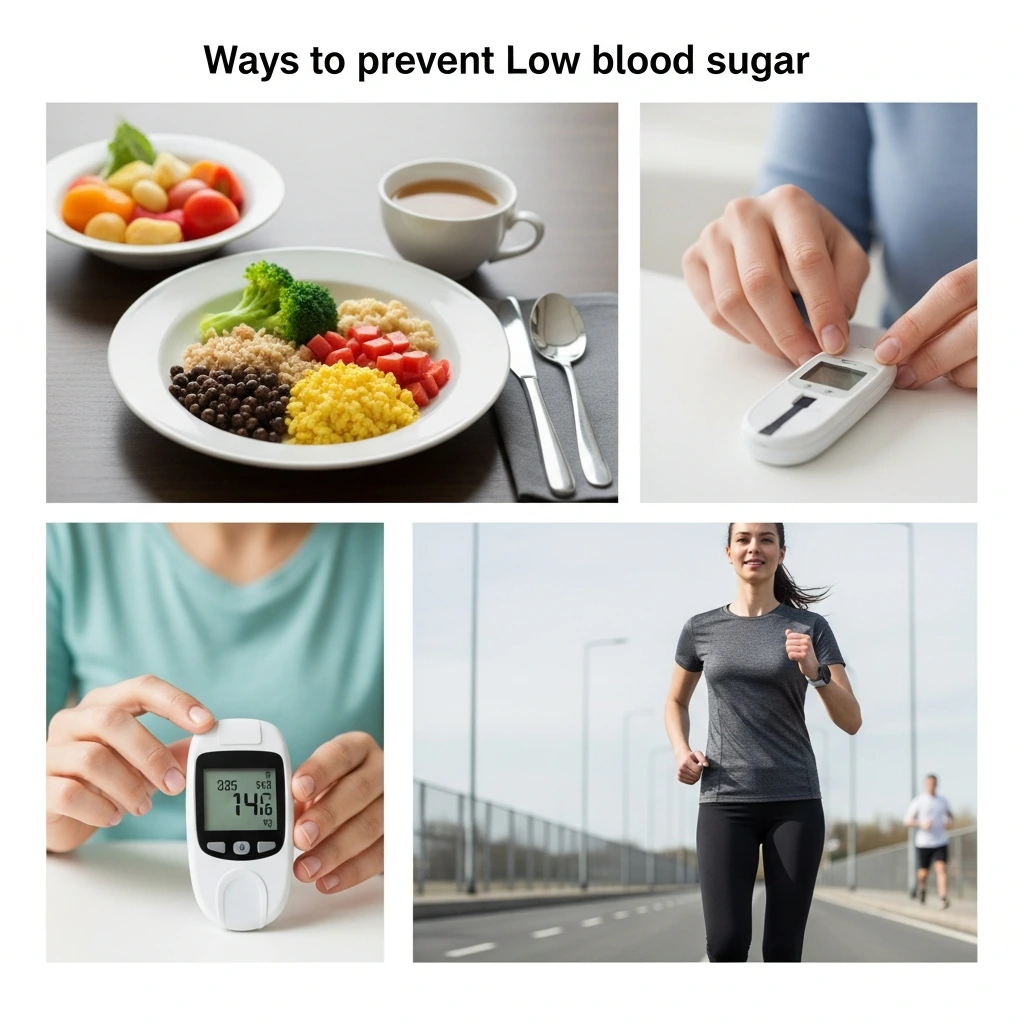
Treating a low is stressful; preventing it is empowering. To keep your numbers stable, you must become hyper-aware of your body’s daily patterns.
Eat consistent, regular meals, and never skip carbohydrates entirely if you are on glucose-lowering medications. Always adjust your medication doses with your doctor if your lifestyle or diet changes.
Most importantly, test your blood sugar frequently. The more data you have about how your body responds to food and stress, the easier it is to catch a dropping number before it becomes a crisis.
How to Control Blood Sugar Levels
Long-term stability is the ultimate goal of endocrinology. How to control blood sugar levels requires a holistic, 360-degree approach to your health.
Maintain a balanced diet rich in fiber, lean proteins, and healthy fats. Stay hydrated, as dehydration artificially concentrates the sugar in your blood.
Take your prescribed medications precisely as directed, and prioritize getting 7 to 8 hours of quality sleep every night to keep your insulin-regulating hormones functioning properly.
Exercise and Blood Sugar
Physical activity is essentially a miracle drug for your metabolism, but it requires careful management. Many patients ask, “How can I reduce my blood sugar levels if I exercise?” Exercise naturally pulls glucose out of your bloodstream to fuel your muscles. While this is great for lowering high blood sugar, it can easily trigger a dangerous low if you are not prepared.
Always check your glucose before a workout. If you are below 100 mg/dL, eat a small carbohydrate snack (like a piece of fruit) before you start exercising to give your muscles a safe buffer of energy.
Special Cases
How to Increase Blood Sugar in Dogs
Hypoglycemia does not just affect humans; our pets are highly susceptible to it too. How to increase blood sugar in dogs is a common, terrifying question for pet owners, especially those with small breeds or diabetic dogs.
If your dog is lethargic, shivering, or uncoordinated, rub a small amount of corn syrup or honey directly onto their gums. Do not force them to swallow liquids if they are disoriented.
This is a temporary rescue measure. You must immediately transport your dog to an emergency veterinary clinic, as prolonged low blood sugar is rapidly fatal in canines.
Action Plan: Emergency Hypoglycemia Checklist
- Carry Supplies: Never leave home without glucose tablets or hard candies.
- Know Your Symptoms: Memorize your personal warning signs (sweating, shaking, confusion).
- Act Quickly: Apply the 15-15 rule immediately; do not wait to see if you feel better.
- Inform Others: Teach your family, friends, and coworkers where you keep your emergency sugar and how to help you if you become confused.
Frequently Asked Questions
How can I raise my blood sugar fast?
The fastest medical method is to consume 15 grams of simple, liquid carbohydrates. Drink 4 ounces of fruit juice or regular soda, or thoroughly chew 3 to 4 glucose tablets. These liquids enter the bloodstream almost instantly because they require no mechanical digestion.
What foods raise blood sugar immediately?
Prioritize foods containing pure, simple sugars with no fat or fiber. Excellent choices include hard candies (like jelly beans), pure honey, maple syrup, or even a tablespoon of table sugar dissolved in water. Avoid chocolate or cake during an emergency, as their fat content slows down sugar absorption.
What is the best snack for low blood sugar recovery?
Once your levels are above 70 mg/dL, you need a “stabilizing” snack to prevent a second crash. The best option combines complex carbs and protein, such as whole-grain crackers with peanut butter, a small turkey sandwich, or Greek yogurt.
How do I increase my blood sugar levels in the morning?
If you wake up low, treat it immediately with glucose tablets or juice kept at your bedside. Do not wait to cook a meal. Once stable, eat a balanced breakfast within 30 minutes to reset your metabolic rhythm for the day.
When should I seek emergency medical help?
You must call 911 immediately if the person loses consciousness, experiences a seizure, or is too confused to swallow safely. Additionally, seek help if blood sugar levels do not rise above 70 mg/dL after three attempts of the 15-15 rule.
The Expert Conclusion
Managing blood sugar is often compared to walking a tightrope. In my years practicing endocrinology, I have seen that the fear of “going low” can be just as stressful as the disease itself. However, as I told my patient Sarah after her grocery store scare, hypoglycemia is a manageable challenge when you have the right clinical tools and a calm, decisive plan.
The most vital lesson to remember is that speed and simplicity are your best friends during a crash. When your glucose levels drop, your body is in an emergency state; that is not the time for “healthy” high-fiber snacks or complex meals. Reach for the simple sugars, follow the 15-15 rule precisely, and always prioritize stabilizing your levels before you return to your busy day.
By staying vigilant, keeping your emergency supplies stocked, and monitoring your patterns, you can take the “fear factor” out of your diagnosis. You are the primary advocate for your own health. With the right preparation, you can handle any dip in your levels with confidence and safety.
Authoritative References:
- American Diabetes Association (ADA): Hypoglycemia (Low Blood Glucose) Treatment & Symptoms
- National Institutes of Health (NIH): Low Blood Sugar: Causes and Management
- Centers for Disease Control and Prevention (CDC): Treatment of Low Blood Sugar (Hypoglycemia)
- Mayo Clinic: Hypoglycemia – Symptoms, Causes, and Fast-Acting Carbs
Related Posts




MORE from Author
Read More As a physician specializing in exercise science and public health, I regularly consult patients who feel completely lost in the…
 Just last week, a 34-year-old patient named Clara sat in my clinic, feeling entirely overwhelmed by the modern fitness industry.…


 Hello, I am Dr. Kenji Sato, MD, specializing in sports medicine and performance optimization. In my sports clinic, I constantly…
- In my clinical practice as a physician focused on exercise science, I often tell patients that mastering fitness bench workouts…