
Early Signs of Heart Disease: Symptoms, Warning Signs & Early Detection

As a board-certified MD specializing in cardiology and preventive medicine, I spend a significant portion of my clinical practice educating patients on how to recognize the very early signs of heart disease.
Cardiovascular illness rarely happens overnight; it usually sends subtle, easily dismissed warning signals months or even years before a major cardiac event occurs.Unfortunately, because these initial symptoms are often vague—like feeling overly tired or slightly breathless—many patients chalk them up to simple aging or stress.
This delay in seeking medical evaluation allows the underlying arterial damage to progress to dangerous, sometimes irreversible, stages. Through decades of treating cardiovascular patients, I have learned that symptom recognition is the absolute most powerful tool for survival.
This comprehensive guide will detail the exact early symptoms to watch for, how they differ between men and women, and the immediate steps you must take to protect your heart.
TL;DR: Quick Overview
- Early heart disease symptoms are frequently subtle, including mild chest discomfort, unusual fatigue, and sudden shortness of breath.
- Women often experience atypical warning signs, such as jaw pain or nausea, rather than classic chest pressure.
- The earliest stages begin silently with plaque buildup that slowly reduces the vital blood flow to your cardiac tissue.
- Recognizing these signs early and seeking medical intervention can successfully prevent major heart attacks and permanent structural damage.
What Are the Early Signs of Heart Disease?
Early signs of heart disease include profound fatigue, mild chest discomfort, sudden shortness of breath, irregular heartbeats, and reduced exercise tolerance. These symptoms frequently appear well before serious cardiac events occur, acting as critical warning signals that your heart muscle is actively struggling for adequate oxygen.
Early Signs of Heart Disease
Recognizing the full spectrum of potential symptoms is vital, as the disease presents differently in every single patient.
Most Common Early Symptoms
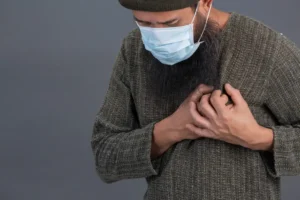
Chest discomfort is the most frequently reported symptom, but it rarely starts as the severe, crushing pain seen in movies. Patients often describe it as a dull ache, a feeling of tightness, or a sensation that someone is pressing on their chest.
Profound, unexplainable fatigue is another massive red flag; if you suddenly feel exhausted after routine activities you previously handled easily, your heart may be struggling.
Shortness of breath, especially when lying flat or during light exertion, indicates that fluid might be backing up due to poor pumping efficiency. Finally, unexplained dizzy spells or feeling lightheaded suggests your brain is temporarily not receiving enough blood pressure from the heart.
Warning: Early Signs of Heart Disease
While some symptoms are mild, others demand immediate clinical attention before a fatal event occurs.
Red Flag Symptoms
If you experience sudden chest pressure that feels heavy or squeezing, you must treat it as a medical emergency immediately.
Pain that radiates from your chest directly into your left arm, neck, or back is a classic warning sign of active cardiac ischemia. Sudden, profound weakness, accompanied by breaking out in a cold sweat, often signals that a heart attack is actively beginning.
Early Signs of Heart Disease in Women
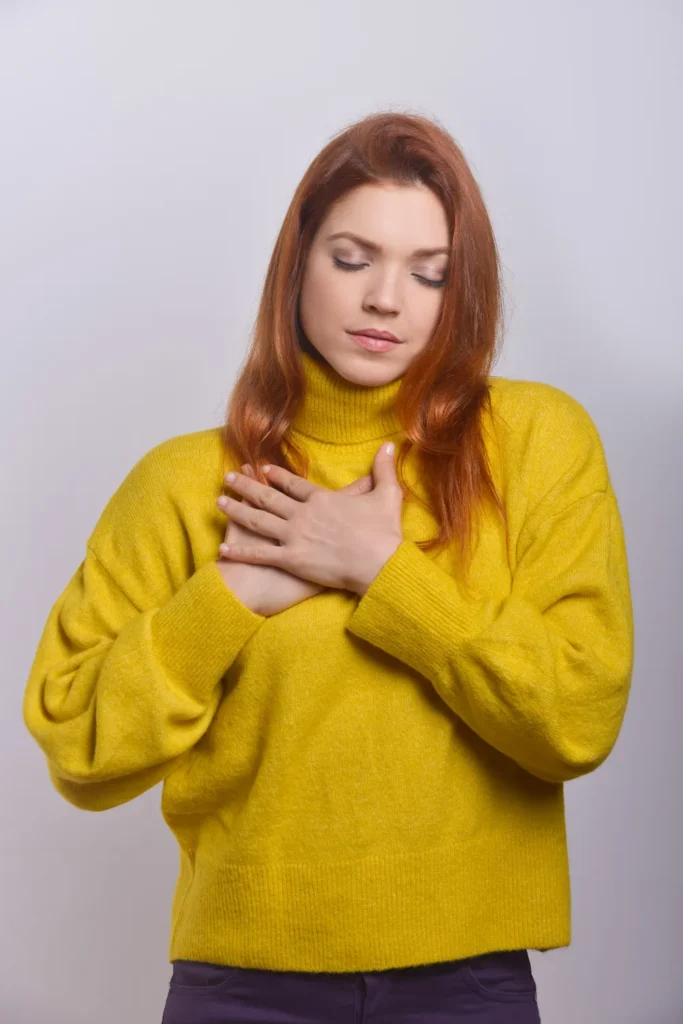
For decades, medical research heavily focused on male symptoms, leading many women to completely misunderstand their own critical warning signs.
Unique Female Symptoms
Women are significantly more likely to experience what we call “atypical” cardiac symptoms rather than the classic Hollywood chest-clutching pain. Severe nausea, vomiting, or what feels like intense indigestion are frequently reported by female patients right before a cardiac event.
Unexplained pain radiating specifically into the jaw or the upper back is another critical, yet easily dismissed, female symptom. Furthermore, days or weeks of unusual, crushing fatigue that prevents normal daily activities is a primary warning sign for women.
Heart Problem Symptoms in Females
The biological reasons why female symptoms present so differently are rooted deeply in specific anatomical and hormonal factors.
Female hormones, particularly estrogen, offer significant vascular protection until menopause, at which point the cardiovascular risk profile drastically alters.
Additionally, women are more prone to microvascular disease, where the tiny, branching arteries in the heart become blocked, causing different pain patterns than major vessel blockages.
Early Signs of Heart Disease in Men
Men tend to experience the more “classic” symptoms that are historically associated with acute cardiovascular distress.
Typical Male Symptoms
The most dominant symptom for men is distinct chest pain, often described as a heavy weight or strict band tightening around the chest.
This chest discomfort frequently occurs alongside a sudden, unexplainable shortness of breath, even while completely resting. Profuse, cold sweating without any physical exertion or heat exposure is another hallmark male warning sign.
Early Stages of Heart Disease
Understanding the silent progression of this illness helps explain why preventive screenings are absolutely mandatory.
Beginning Stages
Long before you feel any physical pain, microscopic damage occurs to the inner lining of your coronary arteries (endothelial dysfunction).Cholesterol plaque begins to aggressively build up at these damaged sites, slowly hardening and restricting the necessary space for blood flow.
As the blood volume drops, the heart muscle slowly becomes starved of oxygen, setting the stage for eventual physical symptoms.
Causes of Heart Disease
This condition is primarily driven by a combination of long-term lifestyle choices and specific underlying metabolic conditions.
Major Risk Factors
Chronic high blood pressure is a massive driver, as the intense physical force constantly tears at the delicate walls of your arteries. High levels of circulating LDL (bad) cholesterol provide the exact sticky material needed to build dangerous arterial blockages.
Smoking tobacco introduces highly inflammatory chemicals into the bloodstream, which rapidly accelerates the entire plaque-building process. Finally, poorly managed diabetes severely damages all blood vessels, making them rigid and highly prone to massive blockages.
Signs of Serious Heart Problems
You must know the difference between a symptom you should discuss at your next appointment and a symptom requiring an ambulance.
Emergency Symptoms
Severe, crushing chest pain that lasts longer than five consecutive minutes is the absolute strongest indicator of an active heart attack.If you suddenly faint or completely lose consciousness, it means your heart’s electrical system or pumping ability has critically failed.
Sudden, severe difficulty breathing, as if you are suffocating or drowning in your own fluids, requires immediate emergency room intervention.
How to Recognize Heart Problems Early
Being hyper-aware of your own baseline physical abilities is your best defense against missing subtle early warning signs.
Key Clues
A sudden, sharp reduction in your physical stamina is a massive clue; if walking to the mailbox suddenly leaves you breathless, do not ignore it.Persistent fatigue that does not improve with adequate sleep or rest strongly suggests your heart is physically struggling to meet your body’s metabolic demands.
Facial Signs of Heart Problems
While less common, certain physical changes in your face can occasionally hint at underlying cardiovascular distress.Some patients develop an unusually pale or gray skin tone when their cardiac output drops significantly.
Severe swelling or puffiness around the eyes and face can indicate that poor heart function is causing massive fluid retention. Cyanosis, which is a distinctly bluish tint to the lips or skin, means your blood is desperately lacking oxygen.
Early Signs of Cardiac Problems vs Other Conditions
Because many cardiac symptoms are vague, they are frequently confused with less serious medical issues. Severe anxiety or panic attacks can mimic a heart attack perfectly, causing rapid heart rates, chest tightness, and shortness of breath.
Similarly, musculoskeletal pain in the chest wall, often from heavy lifting or coughing, is frequently mistaken for deep cardiac pain.
Prenuvo Scans & Early Detection
Whole-body MRI scans, like Prenuvo, are becoming increasingly popular for patients seeking proactive health evaluations.
Imaging Role
These advanced imaging techniques can potentially detect structural abnormalities or early signs of vascular disease before physical symptoms arise.They provide a high-resolution, non-invasive look at your internal organs, offering a broad overview of your current physical state.
Limitations
However, these scans absolutely cannot replace a dedicated, clinical cardiovascular evaluation by a board-certified cardiologist.
They do not measure your heart’s electrical activity (like an ECG) or how well your heart handles physical stress, which are critical diagnostic metrics.
How to Reverse Early Signs of Heart Disease
If caught in the very beginning stages, you can take aggressive action to halt and sometimes partially reverse the arterial damage.
Lifestyle Changes
A strict, heart-healthy diet focusing heavily on plant-based foods, lean proteins, and minimal saturated fats is absolutely foundational.Daily, supervised cardiovascular exercise naturally lowers blood pressure, improves vascular elasticity, and heavily promotes collateral blood flow.
Immediate and permanent smoking cessation is non-negotiable; continuing to use tobacco actively neutralizes most medical treatments.
Medical Treatment
Pharmacologic therapy is almost always required to rapidly stabilize the cardiovascular environment and prevent further plaque growth.
Statins are universally prescribed to aggressively lower LDL cholesterol and physically stabilize existing, fragile arterial plaques. We also heavily prioritize medications to strictly control your daily resting blood pressure and fasting blood sugar levels.
Heart Disease Treatment
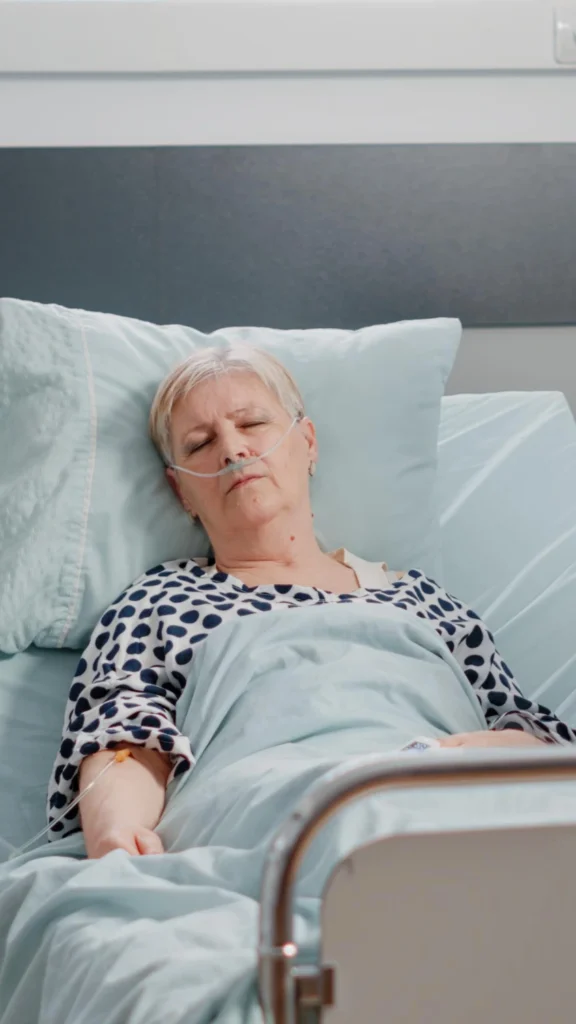
Modern cardiology utilizes a comprehensive, multi-tiered approach to manage symptoms and dramatically extend patient lifespans.The initial phase always relies on a strict combination of aggressive lifestyle modifications and targeted daily medications to reduce cardiac workload.
When blockages become too severe for medications alone, we utilize advanced surgical procedures like angioplasty or bypass surgery to mechanically restore vital blood flow.
Prevention Strategies
Preventing cardiovascular illness is significantly easier and safer than trying to treat it after a major cardiac event occurs.Maintaining a nutrient-dense, low-sodium diet is your first line of defense against dangerous plaque buildup and hypertension.
Committing to at least 150 minutes of moderate aerobic activity every week keeps your heart muscle strong and your blood vessels highly flexible.
Finally, chronic stress heavily elevates your resting heart rate and blood pressure, making daily stress management techniques absolutely vital for long-term health.
When to See a Doctor
Never attempt to “tough out” chest discomfort or sudden changes in your normal breathing patterns.If you have a strong family history of heart disease, you must schedule preventive screenings even if you feel completely healthy.
Any persistent, unexplained symptoms—like profound fatigue, chest tightness, or frequent dizzy spells—warrant an immediate, comprehensive evaluation by a medical professional.
Common Mistakes to Avoid
In my clinical experience, patient denial and hesitation are the absolute biggest hurdles to successful cardiac treatment.The most fatal mistake is actively ignoring mild, early symptoms because you assume you are too young or too fit to have heart problems.
Delaying emergency care when you feel severe chest pressure often results in massive, permanent death of the cardiac muscle tissue.
Frequently Asked Questions
What are the earliest signs of heart disease?
The earliest indicators are often subtle and include profound, unexplained fatigue, mild chest discomfort or tightness, and sudden shortness of breath during routine activities.
Are symptoms different in women?
Yes, women frequently experience atypical symptoms, such as severe nausea, profound fatigue, or sharp pain radiating into the jaw and upper back, rather than classic chest-crushing pressure.
Can early heart disease be reversed?
If caught in the very early stages, aggressive lifestyle modifications, strict dietary changes, and modern medications can significantly slow or partially reverse the dangerous progression of arterial plaque.
When should I go to the emergency room?
You must seek immediate emergency care if you experience severe chest pain lasting more than five minutes, sudden fainting, or extreme difficulty breathing that does not improve with rest.
Does anxiety feel like heart disease?
Severe anxiety and panic attacks can closely mimic cardiovascular symptoms, causing rapid heartbeats and chest tightness, but true cardiac pain typically worsens specifically with physical exertion.
Conclusion
Recognizing the early signs of heart disease is the most critical step you can take to protect your life and your long-term health. Never ignore subtle changes in your body, such as unexplainable fatigue, sudden breathlessness, or mild chest pressure, assuming they will just pass.
By understanding your specific risk factors and knowing when to seek immediate medical attention, you can prevent catastrophic cardiac events. Commit to routine medical screenings, embrace a heart-healthy lifestyle, and always advocate for your own cardiovascular health.
Evidence-Based References:
- American Heart Association (AHA) – Warning Signs of a Heart Attack
- Centers for Disease Control and Prevention (CDC) – About Heart Disease
- National Heart, Lung, and Blood Institute (NHLBI) – Heart Attack Symptoms
- World Health Organization (WHO) – Cardiovascular Diseases
- Cleveland Clinic – Heart Disease
Related Posts


MORE from Author
Read More As a physician specializing in exercise science and public health, I regularly consult patients who feel completely lost in the…
 Just last week, a 34-year-old patient named Clara sat in my clinic, feeling entirely overwhelmed by the modern fitness industry.…


 Hello, I am Dr. Kenji Sato, MD, specializing in sports medicine and performance optimization. In my sports clinic, I constantly…
- In my clinical practice as a physician focused on exercise science, I often tell patients that mastering fitness bench workouts…