
Heart Attack Medication: Emergency Drugs, Treatment & Prevention Guide

When a cardiovascular emergency strikes, immediate medical intervention remains the primary factor that determines survival and recovery. Understanding the correct heart attack medication is essential for anyone at risk of cardiovascular disease. Rapidly administering specific drugs halts muscle damage and restores vital blood flow to the heart.
Emergency medical responders and hospital staff rely on a highly specific sequence of pharmacological treatments to stabilize patients. These medications work through various mechanisms, from thinning the blood to reducing the heart’s immediate oxygen demand.
Beyond the emergency room, a strict regimen of daily medications forms the foundation of long-term survival. This comprehensive guide details the emergency protocols, the standard cardiac drug list, and the preventive therapies that modern cardiologists use today.
TL;DR Overview
- Core Drugs: Essential heart medications include aspirin, nitroglycerin, beta-blockers, statins, and anticoagulants.
- Emergency Action: Emergency responders use these treatments to immediately restore blood flow and stop blood clots from expanding.
- Daily Prevention: Taking long-term pharmacological therapy drastically reduces your risk of experiencing future cardiovascular events.
- Tailored Care: Doctors choose specific medications based on symptom severity, individual patient risk factors, and strict hospital protocols.
What Is Heart Attack Medication?
Physicians use specialized heart attack medications during and after a myocardial infarction to restore blood flow and reduce heart damage. These powerful pharmacological agents prevent blood clots from expanding and stabilize the heart rhythm. Furthermore, they significantly lower the risk of future cardiac events by protecting the blood vessels.
Heart Attack Medication Treatment Overview
Cardiologists divide the treatment protocol for a cardiac event into distinct, time-sensitive phases. Emergency responders prioritize immediate stabilization upon their first contact with the patient.
After the team stabilizes the patient, doctors shift their primary focus to blood clot management in the cardiac catheterization lab. Finally, the medical staff implements long-term prevention strategies before discharging the patient from the hospital.
Heart Attack Medication First Aid
Administering the correct medication during the first few minutes of a cardiac event drastically improves survival rates. Paramedics follow strict clinical guidelines to deliver these emergency drugs safely and effectively.
Aspirin (Key First-Line Drug)
Aspirin serves as the most critical first-aid medication that emergency teams administer during a suspected myocardial infarction. It immediately stops blood platelets from clumping together, which prevents the existing clot from growing larger.
Emergency dispatchers typically instruct patients to chew a full-dose or baby aspirin rather than swallow it whole. Chewing the tablet allows the tissues in the mouth to absorb the medication rapidly and deliver it straight into the bloodstream.
Nitroglycerin
Nitroglycerin acts as a powerful vasodilator that quickly opens restricted blood vessels to improve overall blood flow. It effectively reduces the heavy workload on the heart muscle and gives patients rapid relief from severe chest pain.
Oxygen & Supportive Care
While not a traditional pill, paramedics often provide supplemental oxygen if the patient’s blood oxygen levels fall below normal. This supportive care ensures that the undamaged heart tissue receives enough oxygen to continue pumping effectively.
Emergency Medication for Heart Attack
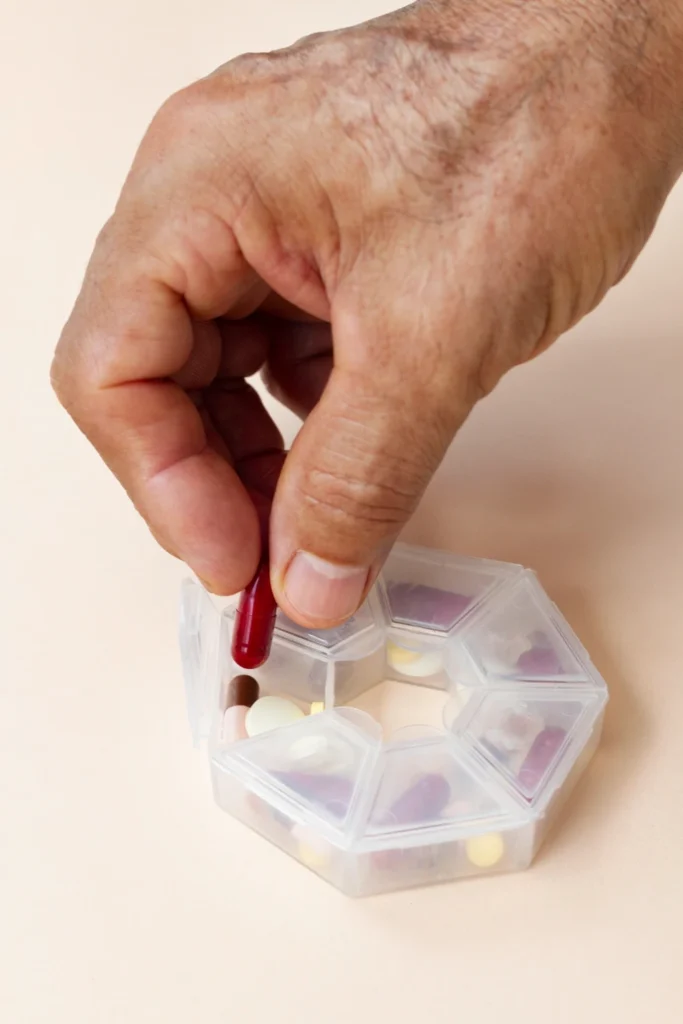
The initial drug combination that doctors give in the emergency department sets the stage for physical recovery. Medical professionals universally rely on aspirin and nitroglycerin as their first line of defense for acute chest pain.
Once the patient arrives inside the hospital, physicians introduce powerful intravenous antiplatelet agents and anticoagulants to stabilize the cardiovascular system. Critical care nurses strictly control and monitor these aggressive medications throughout the patient’s stay.
Heart Attack Medication in Addition to Aspirin
Aspirin alone rarely possesses enough power to completely dissolve a massive arterial blockage. Doctors prescribe additional antiplatelet drugs like clopidogrel or ticagrelor to provide robust dual antiplatelet therapy.
Hospital staff also introduce intravenous heparin to fundamentally alter the blood’s chemical clotting cascade. Furthermore, doctors may administer beta-blockers early to slow the heart rate and reduce mechanical stress on the damaged muscle.
Nitrate Heart Attack Medication Explained
Pharmaceutical companies designed nitrates specifically to relax the smooth muscle tissue lining the blood vessels. When these medications dilate the vessels, oxygen-rich blood bypasses partial blockages much easier.
This rapid dilation directly reduces the crushing chest pain associated with an active myocardial infarction. Pharmacies offer nitrates in sublingual tablets, oral sprays, or continuous intravenous drips depending on the patient’s condition.
Nitroglycerin Heart Attack Medication
Doctors consider nitroglycerin the most widely recognized nitrate medication used in cardiovascular emergency medicine. It functions as a fast-acting compound that provides almost instantaneous relief when a patient places it under the tongue.
Emergency responders rely heavily on nitroglycerin to buy crucial time while transporting the patient to a cardiac care center. Cardiologists also routinely prescribe it for patients to keep at home if they suffer from chronic angina.
Heart Attack Medication List
A comprehensive cardiovascular treatment plan utilizes multiple drug classes working together in perfect synergy. This combination therapy ensures that the medications protect and optimize every aspect of the cardiovascular system. The following sections detail the core medications that doctors use in modern cardiac care.
Antiplatelets
Antiplatelet medications form the absolute foundation of modern heart attack treatment and prevention. These drugs stop blood platelets from sticking together and forming dangerous clots inside narrowed arteries.
While aspirin serves as the most common over-the-counter option, cardiologists prescribe stronger variants like clopidogrel for patients with coronary stents. By keeping the blood cells slippery, antiplatelets ensure that blood flows smoothly past metallic stents and hardened plaque.
Anticoagulants
Anticoagulants, commonly known as blood thinners, operate differently than antiplatelets by directly targeting chemical clotting proteins. Emergency room doctors frequently use intravenous heparin during the acute phase of a heart attack to stop new clots from forming.
For long-term management, cardiologists prescribe oral anticoagulants like warfarin or modern direct oral anticoagulants (DOACs). Doctors must monitor these medications carefully to balance clot prevention against the risk of internal bleeding.
Beta-blockers
Beta-blockers fundamentally alter how the human heart responds to adrenaline and severe stress hormones. By blocking these specific receptors, the medication forces the heart to beat slower and with much less forceful contractions.
Cardiologists frequently prescribe metoprolol and carvedilol immediately following a cardiac event to prevent dangerous arrhythmias. Medical studies prove that long-term beta-blocker therapy significantly increases survival rates and improves overall heart function.
Statins
Statins function as aggressive lipid-lowering medications that target cholesterol production directly in the liver. They actively lower low-density lipoprotein (LDL), which forms the primary component of dangerous arterial plaque.
Beyond lowering cholesterol, statins deliver a crucial anti-inflammatory effect directly to the blood vessel walls. This action stabilizes existing plaque deposits, making them far less likely to rupture and trigger a secondary cardiovascular event.
Heart Attack Medication Names
Patients should actively familiarize themselves with both the generic and brand names of their personal prescriptions. Doctors commonly prescribe antiplatelets like aspirin and Plavix (clopidogrel).
Common nitrates include Nitrostat (nitroglycerin), while popular beta-blockers include Lopressor (metoprolol). Pharmacies dispense Lipitor (atorvastatin) and Crestor (rosuvastatin) as the most widely used statin medications globally.
Post Heart Attack Medication
Surviving the initial medical emergency represents only the first step in a lifelong cardiovascular journey. Post-infarction care requires patients to commit strictly to daily, long-term pharmacological therapy.
Cardiologists almost always include a high-dose statin, a beta-blocker, and a daily antiplatelet medication in standard post-care regimens. Doctors also introduce angiotensin-converting enzyme (ACE) inhibitors to relax blood vessels and lower systemic blood pressure safely.
After Heart Attack Medication
Cardiologists design specific post-discharge medications precisely to prevent a recurrence of the illness. These drugs work silently in the background to stabilize the damaged heart muscle and completely halt the progression of atherosclerosis.
Patients must strictly adhere to this daily medication schedule to ensure their long-term survival. Skipping doses dramatically increases a person’s risk of facing a secondary, potentially fatal cardiovascular crisis.
Mild Heart Attack Medication
Even a “mild” heart attack, often classified clinically as an NSTEMI, requires aggressive medical management from a cardiac team. The heart muscle still suffers permanent cellular damage that demands immediate therapeutic support.
Doctors use the exact same drug classes for mild events as they do for massive infarctions, including antiplatelets, statins, and beta-blockers. Physicians simply adjust the specific dosages based on the exact severity of the blockage and the patient’s overall health profile.
Prevent Heart Attack Medication
Preventive cardiology relies heavily on doctors controlling the body’s baseline metabolic numbers. Medical professionals know that high blood pressure and elevated cholesterol act as the primary drivers of arterial plaque formation.
Physicians prescribe cholesterol-lowering statins and various blood pressure medications to keep these metrics in a perfectly safe range. Patients who manage these two factors aggressively can effectively halt the progression of their coronary artery disease.
Medication for Heart Failure
When a massive infarction severely damages the heart’s pumping capacity, the patient often develops congestive heart failure. Cardiologists prescribe a highly specialized subset of cardiovascular medications to help the body manage fluid retention.
Doctors prescribe diuretics to help the kidneys flush excess fluid from the patient’s lungs and lower extremities. They also utilize ACE inhibitors and specific beta-blockers to help the weakened heart muscle pump blood much more efficiently.
Emergency Tablet for Heart Attack
When individuals ask pharmacists about an emergency tablet, they almost universally refer to standard aspirin. It remains the most accessible and effective over-the-counter intervention available for sudden cardiac symptoms.
Chewing a 325mg aspirin tablet immediately upon experiencing severe chest pain physically alters the course of the attack. Emergency dispatchers worldwide give this standard advice to callers while they wait for an ambulance to arrive.
Which Medicine Is Best for Heart Attack?

Doctors know that no single “best” medicine cures a cardiovascular event completely on its own. Medical treatment relies entirely on a coordinated combination therapy approach that utilizes multiple drug classes.
Cardiologists build the most effective treatment plan strictly based on the clinical scenario, the patient’s vital signs, and the blockage location. A drug that perfectly corrects one patient’s electrical rhythm might cause a dangerous reaction in another patient’s blood pressure.
Pharmacology Cardiac Medication Chart
This reference table outlines the fundamental drug classes that doctors use in cardiovascular medicine.
| Drug Class | Primary Purpose | Common Example |
| Antiplatelets | Prevent initial clot formation | Aspirin, Clopidogrel |
| Beta-blockers | Reduce heart rate and workload | Metoprolol |
| Statins | Lower cholesterol and stabilize plaque | Atorvastatin |
| Nitrates | Dilate blood vessels and relieving chest pain | Nitroglycerin |
| ACE Inhibitors | Lower blood pressure and protect muscle | Lisinopril |
6 Types of Heart Medications
Cardiology relies on six primary pillars of pharmacological treatment to save patients’ lives. Doctors prescribe antiplatelets to stop cell clumping and anticoagulants to alter the body’s blood chemistry.
Beta-blockers slow the beating heart, while ACE inhibitors actively relax the arterial walls. Finally, statins control dangerous cholesterol levels, and nitrates provide immediate physical relief for restricted blood flow.
Alphabetical List of Heart Medications
A simplified alphabetical reference helps patients track their specific daily prescriptions. Aspirin starts the list as the primary antiplatelet defense mechanism.
Atorvastatin manages cholesterol production, while clopidogrel provides secondary clot prevention. Metoprolol manages the heart’s electrical rhythm, and nitroglycerin acts as the patient’s emergency vasodilator.
Most Common Cardiac Medications List
If you look inside the medicine cabinet of any cardiac survivor, you will easily find a remarkably consistent drug profile. Survivors universally take aspirin for daily blood thinning.
Cardiologists mandate statins for lipid control and prescribe beta-blockers to keep the patient’s resting heart rate stable. This specific trio of medications represents the global standard of care in modern preventive cardiology.
Bayer Heart Attack Medication
Many patients search specifically for Bayer products regarding heart health due to decades of successful pharmaceutical marketing. Bayer simply operates as a prominent manufacturer strongly associated with commercial aspirin products.
The FDA universally approves aspirin itself for emergency cardiac use and secondary prevention. Pharmaceutical companies do not hide a secretive “new heart attack drug” exclusively branded as a Bayer-only emergency treatment.
Medication for Heart Attack: Naloxone
Medical professionals must critically clarify severe medical misinformation regarding emergency pharmaceuticals. Paramedics use Naloxone (often branded as Narcan) as a specialized medication exclusively to reverse fatal opioid overdoses.
Doctors absolutely do not use Naloxone to treat a myocardial infarction or clear coronary artery blockages. Administering Naloxone during a cardiac event will never restore blood flow or dissolve a cholesterol-based clot.
List of Expensive Drugs for Heart Disease
While generic statins and aspirin remain highly affordable, advanced cardiovascular pharmacology includes several high-cost specialty treatments. Doctors prescribe highly expensive injectable drugs called PCSK9 inhibitors, such as evolocumab, when standard statins fail to lower cholesterol.
Advanced direct oral anticoagulants (DOACs) like apixaban also carry a significant monthly cost compared to older drugs like warfarin. These specialized medications offer extreme efficacy but require patients to carefully navigate their financial healthcare options.
Can Medications Prevent a Heart Attack?
Yes, daily pharmacological therapy works incredibly well at preventing primary and secondary cardiac events. Medications actively alter the biological environment inside your blood vessels, which makes clot formation significantly less likely.
By taking drugs that keep your blood pressure normalized and your cholesterol artificially low, you successfully neutralize the physical triggers for a heart attack. Prevention heavily relies on you taking these medications exactly as your doctor prescribed without taking unapproved breaks.
When to Seek Emergency Care
You must never rely on your daily medications to stop an active, sudden cardiac event. If you experience crushing chest pain that radiates into your arm or jaw, you need immediate hospital intervention.
Sudden shortness of breath, profound dizziness, and unexplained cold sweats act as critical warning signs. Dial emergency services immediately, chew an aspirin if the dispatcher advises it, and wait calmly for professional medical help.
Frequently Asked Questions
What is the first medication for a heart attack?
Aspirin is universally the most common first-line emergency medication administered for sudden cardiac symptoms. Chewing the tablet allows it to quickly enter the bloodstream and prevent existing blood clots from expanding.
Can medications stop a heart attack entirely?
Medications alone cannot always stop a massive infarction once a major artery is fully blocked. They help reduce ongoing muscle damage, but they must be combined with mechanical interventions like emergency stent placement.
What drugs are used after a heart attack?
Survivors are typically prescribed a combination of statins, beta-blockers, and dual antiplatelet therapy. This specific pharmacological cocktail stabilizes the heart muscle and drastically reduces the risk of a secondary cardiovascular event.
Is nitroglycerin safe to take every day?
Nitroglycerin is generally used as an as-needed rescue medication for acute chest pain (angina). Patients using long-acting daily nitrates must follow strict dosing schedules to prevent their bodies from building a chemical tolerance.
Why do they give blood thinners for a heart attack?
A heart attack is fundamentally caused by a blood clot forming over a ruptured cholesterol plaque. Blood thinners and anticoagulants stop this clotting process, allowing doctors time to physically remove the blockage.
Conclusion
Navigating cardiovascular pharmacology is an essential part of surviving and managing heart disease. Every heart attack medication—from the aspirin chewed in the ambulance to the complex anticoagulants administered in the ICU—serves a distinct, life-saving purpose. Understanding how these drugs preserve your heart muscle reinforces why strict medical compliance is so critical.
Transitioning from emergency care to long-term home management requires total dedication to your daily regimen. Drugs like statins, beta-blockers, and antiplatelets work silently to rebuild cardiovascular resilience and prevent future blockages. Treat this schedule as a protective medical shield, not a burden.
You must never discontinue these medications without medical supervision, as doing so can trigger an immediate, life-threatening cardiac crisis.
It is completely valid to feel overwhelmed by side effects, dosages, or prescription costs, but you must maintain open communication with your cardiology team. If a specific pill causes physical discomfort, your doctor can almost always provide a safe, effective alternative.
Modern medical science has made surviving a massive cardiac event highly probable. By combining the correct pharmacological support with a heart-healthy diet and active lifestyle, you can confidently protect your heart for decades to come.
Evidence-Based References:
Related Posts






MORE from Author
Read More As a physician specializing in exercise science and public health, I regularly consult patients who feel completely lost in the…
 Just last week, a 34-year-old patient named Clara sat in my clinic, feeling entirely overwhelmed by the modern fitness industry.…


 Hello, I am Dr. Kenji Sato, MD, specializing in sports medicine and performance optimization. In my sports clinic, I constantly…
- In my clinical practice as a physician focused on exercise science, I often tell patients that mastering fitness bench workouts…