
What Causes a Heart Attack? Top Risk Factors, Triggers, and Prevention Tips

You probably wonder what causes a heart attack sometimes. Many people blame stress alone. Truthfully, the real drivers run deeper. Arteries narrow slowly over time. Cholesterol builds up silently inside. Blood flow is restricted without warning. Suddenly, your heart muscle starves.
We often ask what triggers a heart attack. The answers matter greatly for prevention. I will break down every major factor clearly. You will learn hidden risks, too. Finally, you will spot early warnings. Stay with me here today. Your heart health depends on these facts. Knowledge truly empowers your daily choices now.
What Causes a Heart Attack?
You probably know heart attacks are scary. Yet many folks never learn what causes a heart attack in real life. I see patients daily who blame stress alone. Truthfully, the real drivers run much deeper. Arteries narrow slowly over time. Cholesterol builds up silently. Blood flow is restricted without warning.
Suddenly, your heart muscle starves. We often wonder what triggers a heart attack without signs. The answers matter greatly. Prevention works when you understand the mechanics. I will break down every major factor clearly. You will learn the hidden risks, too.
Finally, you will spot early warnings before damage spreads. Stay with me here. Your heart health depends on these facts. Let’s explore exactly how this condition develops. Knowledge truly empowers your daily choices.
What Happens During a Heart Attack?
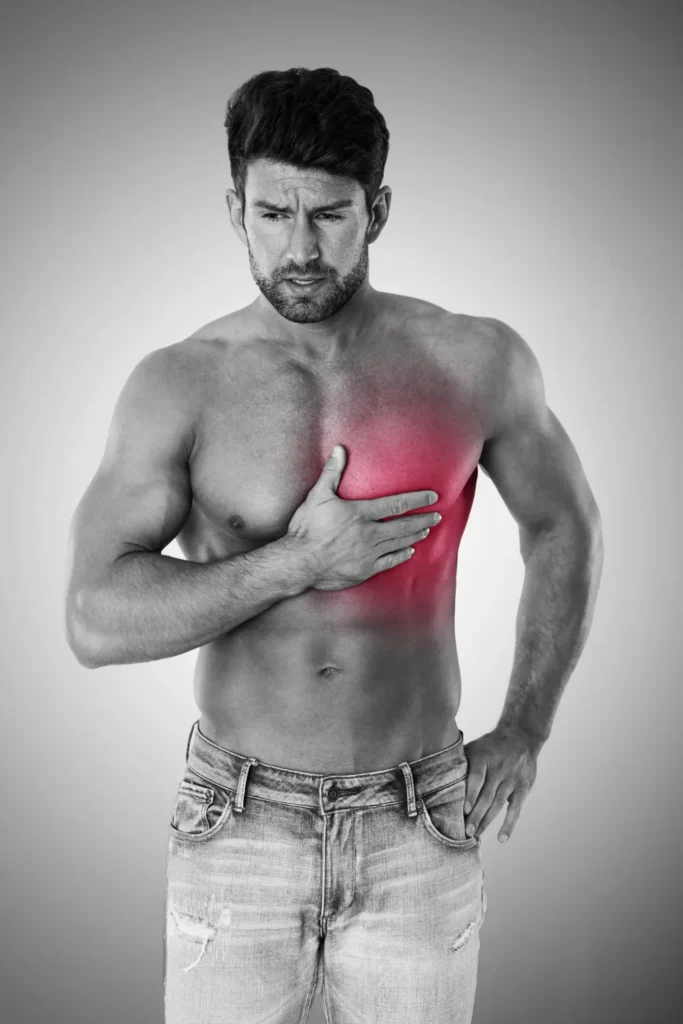
Understanding the core mechanism helps greatly. Coronary arteries deliver oxygen-rich blood constantly. Plaque accumulates slowly inside these vessels. Fatty deposits create thick walls over decades. Eventually, that plaque ruptures unexpectedly. Your immune system rushes to heal the tear.
Blood platelets clump together rapidly. A large clot forms in seconds. This blockage stops blood flow completely. Cardiac tissue starts dying immediately. Permanent damage occurs without fast treatment. That cellular loss weakens your entire pump. You feel intense pressure or sharp pain.
Your muscles struggle to function normally. Many patients panic during this event. Early intervention saves muscle tissue every time. Doctors measure specific enzyme spikes to confirm injury. Time remains your greatest ally here. Every minute matters during this crisis.
Top 5 Causes of Heart Attacks
Research clearly highlights five primary drivers. Coronary artery disease leads this list every time. Narrowed vessels restrict circulation permanently. High blood pressure damages arterial walls consistently. Your heart works far too hard. This strain causes structural weakening over the years.
Smoking accelerates plaque buildup dramatically. Toxins inflame delicate tissue instantly. Diabetes disrupts sugar metabolism severely. Excess glucose harms nerve endings directly. High cholesterol fuels fatty deposits rapidly. LDL particles stick to the vessel linings. These factors combine to create danger.
Genetics plays a role here, too. Family history increases your baseline risk significantly. Lifestyle choices amplify these genetic tendencies. You can control most of these variables. Awareness changes outcomes completely. I often remind patients that small daily habits matter most.
Walking daily lowers blood pressure naturally. Choosing whole grains stabilizes insulin levels effectively. Cutting processed foods reduces cholesterol quickly. These simple steps reverse early damage.
Why Causes of Heart Attack in Women Matter
Women face unique cardiovascular challenges. Hormonal fluctuations significantly alter arterial health. Estrogen protects younger vessels naturally. Menopause removes that protective shield quickly. Blood pressure often rises after fifty. Pregnancy adds tremendous physical stress.
Preeclampsia damages the endothelial linings permanently. Autoimmune conditions hit women far more often. Lupus creates chronic inflammation throughout the body. Rheumatoid arthritis accelerates plaque formation directly. Many female patients experience subtle warnings.
Fatigue replaces classic chest pain entirely. Nausea and jaw discomfort appear frequently. Doctors sometimes miss these signals initially. You must track your own symptoms carefully. Family planning history matters greatly. Early deliveries indicate higher future risks.
Polycystic ovary syndrome increases metabolic strain. Women often downplay their discomfort. Please listen to your body always. Early screening saves lives regularly.
What Causes Heart Attacks in Young People?
Young adults rarely expect cardiac events. Yet the numbers rise steadily today. Genetic disorders drive many early tragedies. Familial hypercholesterolemia skyrockets LDL levels immediately. Congenital artery defects restrict flow from birth. Cocaine and methamphetamine cause sudden spasms.
These stimulants constrict vessels violently. High-stress careers push young bodies too far. Chronic anxiety elevates cortisol continuously. Sleep deprivation damages recovery processes severely. Fast food diets fuel rapid plaque growth. Young athletes sometimes hide underlying conditions.
Undiagnosed hypertrophic cardiomyopathy triggers fatal events. Viral infections inflame the heart muscle directly. Myocarditis weakens the pumping strength unexpectedly. Family screening matters enormously here. You cannot ignore recurring chest tightness. Regular checkups catch hidden defects early.
Young patients often survive faster. They recover well with timely care. Prevention starts before age thirty consistently.
Can a Heart Attack Happen Without Blocked Arteries?
Many assume blockages cause every event. Yet non-obstructive attacks occur regularly. Coronary artery spasms strike without warning. Vessels constrict suddenly and restrict flow. Stress triggers these intense contractions instantly. Microvascular disease damages tiny capillaries deeply.
Oxygen delivery fails despite clear main arteries. Women suffer this condition disproportionately often. Spontaneous coronary artery dissection tears vessel walls. Pregnancy and extreme exertion increase this risk. The tear creates a flap that blocks flow. Standard angiograms miss these hidden issues. Doctors use specialized imaging for diagnosis. Inflammation plays a massive role here.
Chronic stress elevates inflammatory markers constantly. You must consider these silent drivers. Unexplained symptoms deserve thorough investigation. Alternative therapies target microvascular health effectively. Lifestyle changes improve endothelial function dramatically.
What Causes Heart Attacks During Sleep or Surgery?
Nighttime cardiac events feel terrifying. Circadian rhythms naturally influence blood pressure. Early morning hours increase clotting factors. Oxygen levels dip during sleep apnea. The brain triggers adrenaline surges repeatedly. This constant strain exhausts the heart.
Surgical stress overwhelms the entire system. Anesthesia alters hemodynamics significantly. Blood loss drops oxygen delivery rapidly. Postoperative pain spikes cortisol levels dangerously. Blood clots form more easily after procedures. Patients already possess underlying vulnerabilities.
The operating room adds extreme demands. Careful monitoring prevents most tragedies. Cardiac clearance exams screen high-risk patients beforehand. You must discuss your history openly. Prehab exercises strengthen the heart significantly. Proper medication management reduces complications safely. Trust your surgical team completely.
Why Heart Attack Causes in Men Require Attention
Men face higher baseline risks earlier. Testosterone influences fat distribution directly. Visceral fat surrounds organs dangerously. This fat constantly releases inflammatory cytokines. Men often ignore early warning signs. Cultural expectations discourage medical visits.
Wait until pain becomes unbearable. Occupational stress adds silent pressure. High-stakes jobs increase blood pressure daily. Alcohol consumption patterns worsen liver function. Metabolic syndrome develops faster in males. Competitive environments drive unhealthy habits.
You must monitor your stress responses closely. Regular physical exams catch silent changes. Lipid panels reveal hidden dangers accurately. Early intervention works incredibly well. Men live longer when they prioritize screening. Health remains your greatest asset always.
Early Warning Signs Before a Heart Attack
Your body rarely attacks without warning. Six key signals appear weeks ahead. Unusual fatigue strikes without physical exertion. Your muscles tire far too quickly. Mild chest discomfort feels like heavy pressure. Pain radiates down your left arm frequently. Shortness of breath happens during simple tasks.
Restless sleep disrupts your nightly recovery. Nausea mimics severe indigestion perfectly. Cold sweats appear without clear triggers. Many patients dismiss these symptoms entirely. They attribute them to aging or stress. You should never ignore persistent patterns.
Keep a symptom journal carefully. Track frequency and intensity daily. Share these notes with your physician immediately. Early detection prevents permanent damage completely. Prevention starts with honest observation.
Risk Factors That Increase Heart Attack Risk
Baseline vitals reveal hidden dangers instantly. Normal blood pressure stays near 120 over 80. Consistent readings above 130 indicate strain. A resting heart rate between 60 and 100 beats per minute functions optimally. Elevated rates signal chronic stress clearly. Oxygen saturation should remain above 95 percent.
Lower levels indicate poor circulation or lung issues. Normal respiration ranges from 12 to 20 breaths. Rapid breathing often masks cardiovascular strain. Obesity increases the mechanical workload significantly. Sedentary habits weaken cardiac muscles directly.
Processed diets spike triglyceride levels rapidly. Chronic inflammation damages arterial integrity slowly. You must establish healthy baselines early. Regular tracking reveals dangerous trends quickly. Lifestyle adjustments reverse most abnormalities effectively. Prevention demands consistent daily commitment.
How to Prevent a Heart Attack
Proactive strategies save countless lives daily. Heart attack prevention starts with simple choices. Mediterranean diets protect arterial linings effectively. Omega-3 fatty acids reduce inflammation naturally. Daily aerobic exercise strengthens cardiac output significantly.
Walking briskly lowers blood pressure quickly. Smoking cessation repairs endothelial tissue within weeks. You will notice improved circulation rapidly. Stress management techniques lower cortisol consistently. Meditation practices improve heart rate variability. Regular screenings catch lipid abnormalities early. Annual checkups establish crucial health baselines. I recently counseled a patient named Marcus.
He reversed early plaque through strict lifestyle changes. He tracked his daily steps meticulously. His commitment transformed his prognosis entirely. You can achieve similar results consistently. Small daily actions compound over the years. Your future self will thank you.
Heart Attack Treatment and Emergency Response

Immediate action determines survival odds. Call emergency services at the first sign. Chew aspirin while waiting for responders. This antiplatelet slows clot expansion rapidly. Paramedics administer oxygen and nitroglycerin immediately. They monitor heart rhythms continuously.
Hospital teams perform emergency angioplasty quickly. Stents restore blood flow permanently. Blood thinners prevent further blockages safely. Beta-blockers reduce cardiac workload effectively. Statins stabilize dangerous plaque deposits. Cardiac rehabilitation begins after stabilization.
Exercise programs rebuild strength gradually. Psychological support addresses trauma thoroughly. You must follow discharge instructions carefully. Medication adherence prevents recurrence reliably. Recovery takes time and patience. Consistent follow-up ensures lasting health improvements.
Frequently Asked Questions
What triggers a sudden cardiac event?
Extreme stress or sudden physical exertion often sparks immediate artery spasms. Blood pressure spikes rapidly. Plaque ruptures without warning. Clotting factors surge dramatically. These factors combine instantly to block flow.
Can a healthy person experience cardiac damage?
Undiagnosed genetic conditions often hide behind a fit appearance. Intense exercise unmasks congenital defects. Hidden inflammation damages vessels silently. Regular screening catches these risks early.
How do you recognize early warning signals?
Watch for unexplained fatigue and jaw discomfort. Track shortness of breath during mild activity. Note persistent indigestion that defies medication. Document these patterns for your doctor immediately.
Does chronic anxiety increase cardiac strain?
Prolonged stress elevates cortisol and adrenaline continuously. These hormones constrict arteries regularly. Heart rate variability drops significantly. Over time, inflammation damages tissue permanently. Mindfulness practices reverse this trend effectively.
How can natural habits lower your risk?
Prioritize whole foods and consistent movement. Eliminate tobacco products completely. Practice daily relaxation techniques. Maintain a healthy weight steadily. Regular sleep cycles restore cardiovascular balance naturally.
Conclusion
Understanding what causes a heart attack empowers your daily choices. You now hold crucial knowledge about triggers, demographics, and early signs. Prevention remains your strongest weapon against cardiac decline. Track your vitals consistently.
Listen closely to your body’s subtle messages. Small lifestyle shifts yield massive long-term benefits. Consult a healthcare professional for personalized guidance. Your heart deserves consistent care and attention today.
Authoritative References
- Mayo Clinic – Clinically reviewed explanation of heart attack pathophysiology, symptoms, and emergency response protocols.
- Centers for Disease Control and Prevention (CDC) – Data-driven analysis of modifiable and non-modifiable heart disease risk factors.
- Circulation (American Heart Association Journal) – Peer-reviewed research on coronary artery disease pathophysiology and plaque rupture mechanisms.
- National Heart, Lung, and Blood Institute (NIH) – Evidence-based breakdown of coronary artery disease as the primary cause of myocardial infarction.
Related Posts





MORE from Author
Read More As a physician specializing in exercise science and public health, I regularly consult patients who feel completely lost in the…
 Just last week, a 34-year-old patient named Clara sat in my clinic, feeling entirely overwhelmed by the modern fitness industry.…


 Hello, I am Dr. Kenji Sato, MD, specializing in sports medicine and performance optimization. In my sports clinic, I constantly…
- In my clinical practice as a physician focused on exercise science, I often tell patients that mastering fitness bench workouts…