
First Signs of Heart Attack: Early Symptoms You Should Never Ignore

As an emergency cardiologist, the most frequent question I receive is how to recognize the first signs of heart attack before a tragedy occurs. Many patients falsely believe that a cardiovascular crisis only happens suddenly, striking without warning.
The medical reality is completely different from what you see in dramatic movies and television shows. Your body is highly intelligent and usually sends out critical distress signals long before the cardiac muscle begins to die.
Unfortunately, millions of people frequently ignore these early biological warnings every single year. They often dismiss their vague chest discomfort or profound exhaustion as simple indigestion, severe stress, or just getting older.
This dangerous psychological denial prevents patients from seeking life-saving medical intervention when they need it most. The underlying cause, a silent buildup of cholesterol plaque inside the arteries, takes decades to develop.
In this comprehensive medical guide, we will explore exactly how these critical symptoms present across different genders. By learning to decode your body’s early alarm system, you can take immediate action and prevent fatal damage.
TL;DR: Quick Overview
- The first signs of a heart attack often include chest discomfort, fatigue, and shortness of breath.
- Symptoms can appear hours, days, or even weeks before the actual medical emergency.
- Women may experience more subtle signs like nausea, back pain, and profound exhaustion.
- Immediate medical attention is the absolute key to saving cardiac tissue and saving lives.
What Are the First Signs of a Heart Attack?
Many people expect a sudden, massive pain that knocks them to the floor. The reality of what the first signs of a heart attack are is usually much more subtle. Your body often sends quiet warning signals that something is wrong with your cardiovascular system.
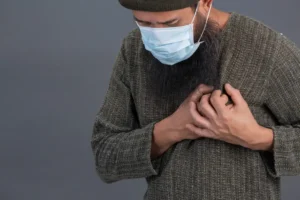
Patients frequently describe a vague feeling of pressure or squeezing in the center of the chest. This discomfort might last for a few minutes, go away, and then return later. What are the first signs of a heart attack beyond the chest? You must also watch for these critical indicators:
- Chest pain or pressure
- Shortness of breath
- Unusual, unexplained fatigue
- Nausea or cold sweats
Early Indicators of Heart Attack
You might assume a cardiovascular emergency happens completely out of the blue. Medical science shows that early indicators of heart attack can present days or weeks in advance. Your body struggles to compensate for decreasing blood flow long before a full blockage occurs.
These early indications of heart attack often mimic less serious conditions like the flu or stress. You might feel unusually exhausted after doing normal, everyday chores like sweeping the floor.
These beginning signs of heart attack demand your immediate attention, especially if you have known risk factors. Do not brush off prolonged fatigue or mild chest tightness as simple aging or indigestion.
Early Stages of a Heart Attack (What Happens in the Body)

To understand the physical symptoms, you need to know what happens inside your blood vessels. The early stages of heart attack begin with a slow, silent buildup of cholesterol plaque.
This waxy substance slowly narrows the inner walls of your vital coronary arteries over many years.As the plaque grows thicker, it severely restricts the oxygen-rich blood reaching your cardiac muscle. This reduced blood flow causes the early chest tightness and fatigue you might feel during exercise.
A partial blockage creates a highly dangerous environment where the unstable plaque can suddenly rupture. When the plaque breaks open, a blood clot forms rapidly, leading to a complete vascular emergency.
First Signs of Heart Attack in Women
Female cardiovascular emergencies frequently present very differently than the classic textbook cases. The first signs of heart attack in women are notoriously subtle and often misunderstood by patients. Women are much more likely to experience atypical symptoms that do not involve crushing chest pain.
If you are wondering about the first signs of a heart attack in women, look for profound exhaustion. Many female patients report feeling so tired they cannot even make a bed or walk to the mailbox. This extreme fatigue can start weeks before the actual cardiac event takes place.
Additionally, the first signs of heart attack in a woman frequently involve severe gastrointestinal distress. Unexplained nausea, vomiting, and sharp abdominal pain are very common pre-heart attack symptoms female patients report.
Pain might also radiate to the upper back, both shoulders, or the lower jaw. Recognizing these first signs of heart attack in females prevents fatal delays in emergency treatment.
First Signs of Heart Attack in Men
Male patients generally experience the more traditional, widely recognized cardiovascular warning signals. The first signs of heart attack in men usually center around intense, undeniable chest discomfort. Men frequently describe the sensation as a heavy elephant sitting directly on their breastbone.
This heavy pressure or squeezing pain often radiates from the chest down the left arm. Knowing the first signs of heart attack in male patients also involves watching for physical distress signs. A sudden, drenching cold sweat without any physical exertion is a massive clinical red flag.
Furthermore, the first signs of heart attack in man often include a sudden inability to catch their breath. This shortness of breath can occur with or without the classic chest pressure. Male patients must never try to “tough out” these severe physical warnings alone.
Feeling Sick Before a Heart Attack
Many patients visit the emergency room convinced they simply ate something bad. Feeling sick before heart attack is incredibly common and frequently leads to dangerous misdiagnoses.
The heart and the stomach share similar nerve pathways, which confuses the brain during a crisis.Patients often experience severe indigestion, heartburn, or a sudden urge to vomit.
This gastrointestinal distress occurs because the failing heart struggles to pump blood to the digestive organs. Never ignore sudden, severe nausea that happens alongside a cold sweat or unusual fatigue.
Heart Attack Symptoms & Vital Signs
When you suspect a cardiovascular emergency, observing physical changes is incredibly important. You must monitor specific heart attack symptoms vital signs to understand the severity of the situation.
A patient’s pulse and blood pressure often fluctuate wildly during an acute cardiac event.You might notice an extremely elevated resting heart rate, known clinically as tachycardia.
The heart pumps frantically to compensate for the sudden lack of oxygenated blood. Conversely, the pulse might become dangerously slow or completely irregular if the electrical system fails.
Blood pressure readings can also be highly deceptive during a vascular crisis. While pain often causes blood pressure to spike, a failing heart muscle can cause it to plummet. Never rely solely on a home blood pressure cuff to rule out a medical emergency.
Sudden Heart Attack in Women & Adults
Tragically, not every patient receives advanced warning signals before a major cardiac event. A sudden heart attack in women and men can occur without any prior chest pain or fatigue.
These silent blockages are incredibly dangerous because they offer no time for early medical intervention. A sudden heart attack in adults often happens when a soft, vulnerable cholesterol plaque suddenly ruptures.
This violent rupture causes a massive blood clot to form instantly, blocking the entire artery within minutes. The patient goes from feeling perfectly normal to facing a life-threatening crisis instantly.
Since warning signs are not guaranteed, aggressive risk factor management is your only true defense. Controlling your blood sugar, lowering your cholesterol, and quitting smoking prevents these sudden ruptures. Routine physical exams help doctors identify silent blockages before they turn deadly.
Why Early Signs Are Often Missed
Many patients tragically delay seeking life-saving treatment for several hours or even days. The primary reason is that early symptoms are often mild and easily confused with minor ailments. People naturally assume their chest tightness is just a pulled muscle from lifting groceries.
Misinterpretation of symptoms is especially common among younger adults and female patients. Because they do not fit the traditional high-risk profile, they deny the possibility of a cardiac event. This dangerous psychological denial allows the heart muscle to sustain irreversible physical damage.
What to Do at the First Signs of a Heart Attack
Knowing exactly how to react during a suspected crisis can literally save a life. What to do with the first signs of a heart attack depends entirely on speed and decisive action. You must immediately stop whatever physical activity you are doing and sit down to rest.
Call your local emergency medical services instantly; never try to drive yourself to the nearest hospital. Paramedics can begin life-saving treatment inside the ambulance and alert the emergency room. If you are not allergic, thoroughly chew one standard adult aspirin while waiting for help.
Heart Attack Causes
Understanding the exact biological heart attack causes is essential for effective prevention and long-term survival. The absolute primary driver of cardiovascular emergencies is a chronic disease process known as atherosclerosis.
This complex biological condition develops silently over several decades without causing any noticeable pain.Atherosclerosis involves the gradual buildup of fatty deposits, cholesterol, and cellular waste products inside your arteries.
These toxic deposits harden over time, forming thick structures called arterial plaques. As these plaques grow larger, they severely narrow the internal pathway of the coronary arteries.This dangerous narrowing drastically reduces the vital supply of oxygen-rich blood reaching the cardiac muscle tissue.
However, the exact moment of a cardiovascular emergency is usually triggered by a plaque rupture. The fibrous cap covering the cholesterol plaque suddenly tears open, exposing the toxic core to your bloodstream.
Your body reacts to this sudden tear exactly like it reacts to a cut on your finger. Blood platelets rush to the injury site and rapidly form a massive blood clot to seal the rupture.
Unfortunately, inside a narrow coronary artery, this defensive clot completely blocks all forward blood flow instantly.Without fresh oxygen, the affected section of the heart muscle begins to die within a matter of minutes.
Other less common causes include severe spasms of a coronary artery that temporarily shut down blood flow. Illicit drug use, particularly cocaine, frequently triggers these violent, fatal arterial spasms in younger patients.
Rarely, a sudden tear in the actual wall of the coronary artery, called spontaneous coronary artery dissection, occurs.
Regardless of the exact mechanism, the end result is always severe oxygen deprivation and permanent muscle damage. Managing high blood pressure, elevated LDL cholesterol, and chronic inflammation is vital to stopping this destructive process.
Heart Attack Tests
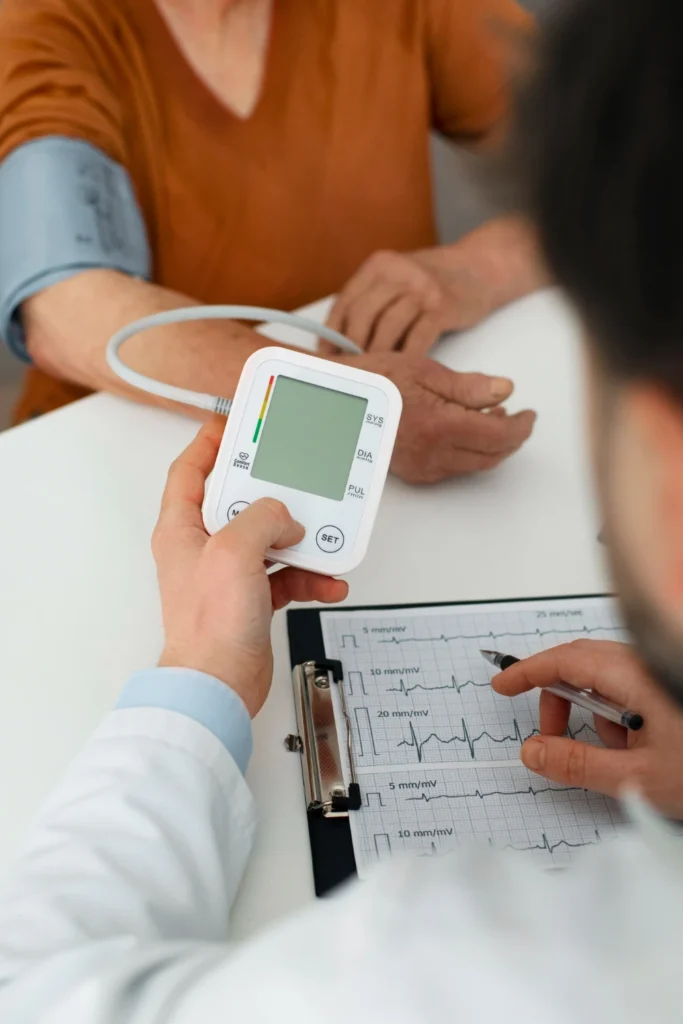
When you arrive at the emergency room, doctors must confirm the diagnosis rapidly. A heart attack test involves several different medical tools used simultaneously to assess cardiac damage. The most immediate and critical diagnostic tool is the twelve-lead electrocardiogram.
An electrocardiogram measures the electrical activity of your heart and detects active muscle injury instantly. Emergency physicians also rely heavily on highly specific blood tests to confirm cellular damage.
When cardiac muscle cells die, they release a specific protein called troponin directly into the bloodstream.Measuring these troponin levels helps doctors determine the exact size and severity of the infarction.
Furthermore, hospitals use advanced imaging techniques like echocardiograms to visualize the heart’s pumping function. In critical cases, an urgent coronary angiogram is performed to physically locate the exact arterial blockage.
Heart Attack Treatment
The ultimate goal of any heart attack treatment is to restore blood flow immediately to save cardiac tissue. Medical professionals use the phrase “time is muscle” to emphasize the extreme urgency of these interventions.
Immediate treatment begins in the ambulance with supplemental oxygen, aspirin, and pain-relieving medications like nitroglycerin.
Nitroglycerin actively widens the blood vessels, temporarily improving blood flow and reducing the heart’s workload.
Once inside the emergency department, doctors may administer powerful clot-busting medications called thrombolytics. These intravenous drugs dissolve the dangerous blood clot, restoring vital circulation to the dying muscle cells.
However, the gold standard treatment for a severe blockage is a procedure called percutaneous coronary intervention.
During this minimally invasive procedure, a cardiologist threads a thin catheter through a blood vessel to the heart. A tiny, deflated balloon at the tip of the catheter is carefully positioned directly inside the blocked artery.
The doctor inflates the balloon rapidly, physically crushing the cholesterol plaque against the artery walls. To keep the newly opened artery from collapsing, a tiny wire mesh tube called a stent is permanently implanted.
These modern stents are often coated with specific medications to prevent future scar tissue from forming.In cases where multiple major arteries are severely blocked, emergency coronary artery bypass grafting is required.
This major open-heart surgery involves taking a healthy blood vessel from the leg or chest to bypass the blockage. Following any of these acute procedures, patients require aggressive, lifelong medication management.
Doctors routinely prescribe beta-blockers to slow the heart rate and reduce its daily physical demand. ACE inhibitors are also heavily utilized to lower systemic blood pressure and prevent abnormal heart remodeling.
Finally, high-dose statin therapy is absolutely mandatory to stabilize remaining plaques and drastically lower LDL cholesterol levels.
When to Seek Immediate Medical Help
You should never gamble with your life by waiting to see if chest pain improves on its own. Seek immediate medical help if you experience chest discomfort that lasts longer than five consecutive minutes.
You must also call emergency services if mild chest pressure is accompanied by severe shortness of breath.
Sudden fainting, intense dizziness, and unexplained cold sweats are also massive clinical red flags. Do not ignore these severe symptoms; immediate professional medical evaluation is absolutely necessary for your survival.
Risk Factors Table
Understanding your personal vulnerability is the first step in effective cardiovascular disease prevention. The following table highlights the most dangerous elements that contribute to arterial blockages.
| Risk Factor | Biological Impact on Heart | Clinical Severity |
| Active Tobacco Smoking | Severely damages arterial lining and thickens blood | Extremely High |
| Untreated Hypertension | Forces heart to overwork and damages vessel walls | Very High |
| High LDL Cholesterol | Directly forms the dangerous plaques inside arteries | Very High |
| Type 2 Diabetes | Increases systemic inflammation and accelerates plaque growth | High |
| Sedentary Lifestyle | Weakens heart muscle and promotes weight gain | Moderate to High |
FAQs
What are the earliest signs of a cardiovascular crisis?
The absolute earliest warning signals usually involve mild chest discomfort, unusual fatigue, and noticeable shortness of breath. These subtle indicators can present themselves several days or even weeks before a complete arterial blockage occurs.
Do cardiac emergency symptoms differ in women?
Yes, female patients frequently experience much more subtle physical warning signs than their male counterparts. Women are highly prone to experiencing severe exhaustion, sudden nausea, and pain radiating into the back or jaw.
Can you feel physically sick before a blockage happens?
Yes, severe gastrointestinal distress is an incredibly common physiological precursor to a major vascular emergency. Patients often suffer from intense indigestion, heartburn, and sudden vomiting as the heart muscle struggles for oxygen.
How do doctors quickly diagnose an arterial blockage?
Emergency physicians rely on a rapid electrocardiogram to assess the heart’s immediate electrical activity and detect injury. They also draw blood to check for elevated troponin levels, which confirm active cardiac muscle cell death.
Why is chewing aspirin recommended during an emergency?
Chewing a standard aspirin tablet rapidly introduces a powerful antiplatelet medication directly into your bloodstream. This medicine actively prevents the deadly blood clot from growing larger, preserving critical blood flow to the heart.
Conclusion
Recognizing the very first signs of a cardiovascular emergency is a vital skill that can save your life. You must never ignore subtle warnings like unexplained fatigue, sudden nausea, or mild chest pressure.
The dangerous biological process of plaque buildup happens silently, making early symptom detection your best defence. Whether you are a man or a woman, trusting your body’s distress signals and seeking immediate medical care is paramount.
Remember that rapid emergency treatment minimizes permanent muscle damage and drastically improves long-term survival rates. Prioritize your cardiovascular health today by managing your clinical risk factors and consulting your doctor regularly.
Evidence-Based References:
Related Posts


MORE from Author
Read More As a physician specializing in exercise science and public health, I regularly consult patients who feel completely lost in the…
 Just last week, a 34-year-old patient named Clara sat in my clinic, feeling entirely overwhelmed by the modern fitness industry.…

 Hello, I am Dr. Kenji Sato, MD, specializing in sports medicine and performance optimization. In my sports clinic, I constantly…
- In my clinical practice as a physician focused on exercise science, I often tell patients that mastering fitness bench workouts…