
Ginger and Turmeric Benefits: Tea, Shots, Weight Loss & Immunity Guide
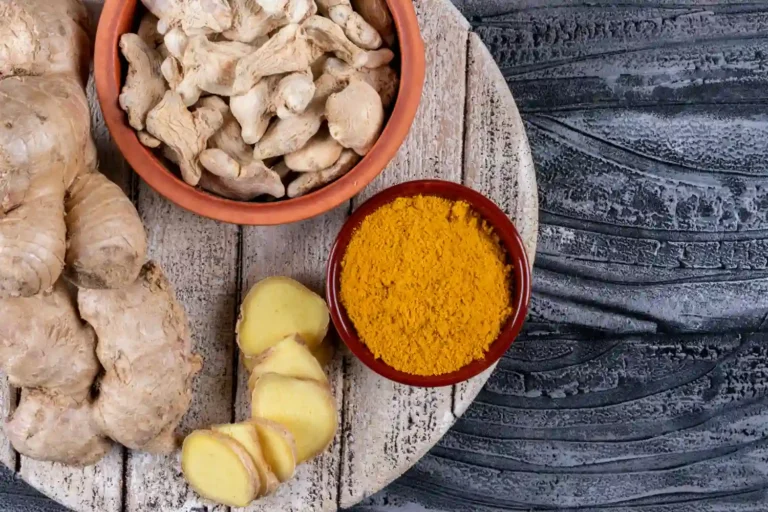
In my medical practice, I often encounter patients like Marcus, a high-performing professional who struggled with chronic fatigue and persistent joint stiffness. Instead of relying solely on temporary fixes, we explored the significant ginger and turmeric benefits available through targeted nutrition.
Within weeks of adding these roots to his daily routine, Marcus reported a noticeable decrease in morning stiffness and a boost in his overall vitality.
As a physician, I prioritize evidence-based interventions, and few natural remedies have as much clinical backing as these two rhizomes. They are not just kitchen spices; they are powerful biological agents that can modulate inflammation and support systemic health.
This guide will provide a deep dive into how you can use these “golden roots” to transform your well-being.
TL;DR SUMMARY
Ginger and turmeric provide powerful anti-inflammatory and antioxidant effects through their active compounds, gingerol and curcumin. Together, they support immune function, enhance digestion, and may assist in weight management.
For maximum effectiveness, turmeric should always be consumed with black pepper to ensure proper absorption into the bloodstream.
What Are the Benefits of Ginger and Turmeric?
To understand what are the benefits of ginger and turmeric, we must look at the specific chemical compounds found within these plants. Turmeric contains curcuminoids, the most famous being curcumin. Ginger contains gingerols, shogaols, and zingerone.
According to the National Center for Complementary and Integrative Health, these compounds are potent bioactive substances. Curcumin is widely recognized for its ability to block NF-kB, a molecule that travels into the nuclei of your cells and turns on genes related to inflammation.
Taking turmeric and ginger together creates a synergistic effect. While turmeric focuses on systemic inflammatory pathways, ginger excels at improving gastrointestinal motility and soothing the digestive tract.
This combination ensures that your body is not only fighting inflammation but also absorbing nutrients efficiently.
Why Is Ginger and Turmeric Nutrition Important?

In the modern world, chronic low-grade inflammation is a silent driver of many metabolic diseases. Integrating the health benefits of ginger and turmeric is important because it offers a natural way to mitigate this stress. These roots act as natural “biological response modifiers.”
In my experience, patients who prioritize these functional foods often require fewer over-the-counter anti-inflammatories.
This is crucial because long-term use of synthetic NSAIDs can lead to gut lining issues. Ginger and turmeric, conversely, actually support the integrity of the stomach lining while reducing pain.
Furthermore, the antioxidant capacity of these roots protects your DNA from oxidative damage. By neutralizing free radicals, ginger and turmeric help maintain cellular health, which is the foundation of longevity and disease prevention.
Top 10 Science-Backed Benefits of Ginger and Turmeric
When people ask what benefits turmeric and ginger have, I like to break it down into ten primary categories. Each of these is supported by clinical trials and nutritional research.
1. Significant Reduction in Inflammation
The primary reason most people turn to these roots is for their anti-inflammatory prowess. Curcumin is so effective that some studies suggest it matches the potency of some anti-inflammatory drugs without the side effects. It targets multiple pathways at the molecular level.
2. Powerful Immune System Support
Both roots have antimicrobial and antiviral properties. Ginger helps flush out toxins and cleanse the lymphatic system. Turmeric supports the activation of T-cells and B-cells, which are the primary “soldiers” of your immune response.
3. Relief from Nausea and Digestive Distress
Ginger is clinically proven as a treatment for various forms of nausea, including motion sickness and morning sickness. It works by accelerating gastric emptying, which helps move food through the digestive tract more comfortably.
4. Support for Joint Health and Mobility
For patients with osteoarthritis, the combination of ginger and turmeric can be life-changing. By reducing the production of inflammatory cytokines in the joints, these roots help maintain cartilage and improve the range of motion.
5. Enhancement of Metabolic Health
Turmeric has been shown to improve insulin sensitivity and lipid metabolism. This is essential for preventing metabolic syndrome. Ginger contributes by helping to regulate blood sugar levels, preventing the “spikes” that lead to fat storage.
6. High Antioxidant Protection
Oxidative stress is a primary driver of aging and disease. These roots boost the body’s own antioxidant enzymes, such as glutathione. This creates a double defense: they neutralize free radicals directly and stimulate the body’s internal protective mechanisms.
7. Cardiovascular Health Support
Turmeric improves the function of the endothelium, which is the lining of your blood vessels. Dysfunction in this lining is a major cause of heart disease. Ginger helps by improving circulation and potentially reducing “bad” LDL cholesterol.
8. Cognitive Protection and Brain Health
Curcumin can increase levels of brain-derived neurotrophic factor (BDNF), a growth hormone that functions in your brain. Higher levels of BDNF are linked to improved memory and a reduced risk of degenerative brain conditions.
9. Management of Blood Sugar Levels
Ginger has been shown to lower fasting blood sugar in people with Type 2 diabetes. Improving the uptake of glucose into muscle cells without requiring extra insulin, it helps maintain a stable internal environment.
10. Accelerated Post-Exercise Recovery
Athletes often use ginger and turmeric to reduce delayed onset muscle soreness (DOMS). The anti-inflammatory properties help repair micro-tears in muscle tissue more quickly, allowing for more consistent training schedules.
Ginger and Turmeric Tea Benefits
Brewing a warm cup of tea is one of the most accessible ways to enjoy these roots. The ginger and turmeric tea benefits are particularly potent when the tea is consumed consistently. Warm water helps extract the active oils from the ginger, making them more bioavailable.
One of the most frequent questions I get is about the benefits of ginger and turmeric tea before bed. Unlike coffee or traditional teas, this blend is caffeine-free and soothing. The ginger helps settle any evening indigestion, while the turmeric works overnight to lower systemic inflammation while you sleep.
What are the benefits of ginger and turmeric tea for long-term health? Regular consumption has been linked to better skin clarity and reduced seasonal allergies. The heat of the tea also acts as a natural decongestant, making it an ideal choice during the winter months.
Ginger and Turmeric Shots: Benefits and Recipe
For those who prefer a concentrated burst of nutrients, ginger and turmeric shots are the answer. These are highly popular in wellness circles because they provide a massive dose of gingerol and curcumin in a small, 2-ounce serving.
The benefits of ginger and turmeric shots include an immediate “wake-up” for the digestive system and a rapid boost to the immune response. Many of my patients take these shots at the first sign of a cold or flu to prevent the illness from taking hold.
Dr. Thorne’s Wellness Shot Recipe
- Ingredients: 2 inches of fresh ginger, 2 inches of fresh turmeric, 1 lemon (juiced), and a pinch of black pepper.
- Method: Run the roots and lemon through a juicer. If you don’t have a juicer, blend with a splash of water and strain through a cheesecloth.
- Pro Tip: Always add that pinch of black pepper; it increases curcumin absorption by up to 2,000%.
Ginger and Turmeric for Weight Loss and Metabolism
Many individuals utilize ginger and turmeric for body composition goals. While they are not “fat burners” in a magical sense, they address the underlying issues that make weight loss difficult, such as chronic inflammation and insulin resistance.
The ginger and turmeric benefits for weight loss are largely due to their thermogenic properties. Ginger, in particular, has a thermic effect on food, meaning the body burns more calories just to process it. It also acts as a natural appetite suppressant by increasing satiety levels.
When you add cayenne pepper, ginger, and turmeric to the mix, you further boost the metabolism. Cayenne contains capsaicin, which triggers the body to burn fat for heat. This trio—ginger, turmeric, and cayenne—is a powerful tool for anyone looking to support their metabolic rate naturally.
Best Ingredient Combinations with Ginger and Turmeric
To maximize the efficacy of these roots, they should be paired with other functional ingredients. The synergy between different foods can drastically change how your body processes the active compounds.
Lemon, Ginger, and Turmeric
Lemon adds a massive dose of vitamin C, which works alongside the roots to strengthen the immune system. The acidity of the lemon also helps the body absorb the minerals found in the turmeric root more effectively.
Black Pepper and Turmeric
This is the most critical combination. Black pepper contains piperine, a compound that inhibits the metabolic pathway that would otherwise flush curcumin out of your system. Without black pepper, you are likely wasting the majority of the turmeric you consume.
Cinnamon, Ginger, and Turmeric
Cinnamon is a powerful blood sugar stabilizer. When combined with the anti-inflammatory power of ginger and turmeric, it creates a blend that is excellent for heart health and metabolic regulation. This combination is delicious in “Golden Milk.”
Garlic, Ginger, and Turmeric
This is the “Triple Threat” of natural medicine. Garlic contains allicin, which has profound antibacterial properties. In my clinic, I recommend this combination (often added to bone broth, ginger, and turmeric) for patients recovering from infections or surgeries.
Ginger and Turmeric Benefits for Men and Women
The physiological impact of these roots can vary slightly by gender. In women, the ginger and turmeric benefits are often related to hormonal balance and reproductive health. Curcumin can help ease the inflammatory pain associated with menstrual cycles.
What does turmeric do for the female body specifically? It acts as a mild phytoestrogen and can help regulate irregular cycles. It also supports liver health, which is the primary organ responsible for breaking down and “clearing” excess hormones from the system.
For men, the ginger and turmeric benefits for men are often focused on cardiovascular health and prostate support. Chronic inflammation in the prostate is a common concern as men age, and the systemic anti-inflammatory effects of curcumin can provide a protective layer of defense.
Ginger and Turmeric for Skin and Beauty
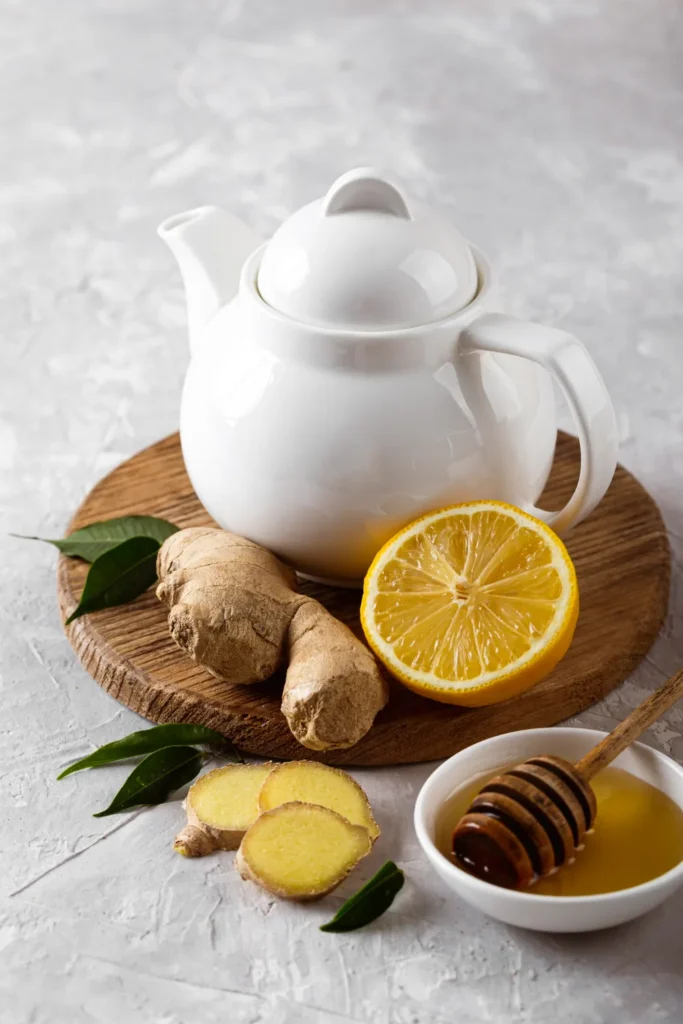
The ginger and turmeric benefits for skin are highly sought after in the natural beauty world. Because skin issues like acne, eczema, and psoriasis are fundamentally inflammatory, the internal use of these roots can clear up the complexion from the inside out.
Ginger improves circulation, ensuring that the skin receives a fresh supply of oxygen and nutrients. Turmeric helps reduce the redness and swelling associated with breakouts. Many of my patients report a “natural glow” after just a month of daily ginger and turmeric consumption.
Side Effects and Safety of Ginger and Turmeric
As much as I advocate for these roots, we must discuss turmeric and ginger side effects. While generally safe, they can be problematic in high doses. Because they both have mild blood-thinning properties, they should not be mixed with anticoagulant medications like Warfarin or aspirin without medical supervision.
The Cleveland Clinic also warns that excessive turmeric can cause stomach upset or diarrhea in sensitive individuals. Furthermore, what cannot be mixed with turmeric includes certain chemotherapy drugs and medications that reduce stomach acid, as turmeric may interfere with their efficacy.
If you are pregnant or nursing, always consult your doctor before taking high-dose ginger and turmeric supplements. While culinary amounts are perfectly safe, concentrated extracts can have a much more powerful effect on the body’s systems.
Frequently Asked Questions
Can you eat ginger and turmeric together?
Yes, and you should! They work synergistically to cover more inflammatory pathways and improve overall digestive health than either root could do alone.
Do ginger and turmeric detox the body?
While “detox” is a buzzword, these roots do support the liver and kidneys, which are the body’s natural detoxification organs. They help these organs function more efficiently.
What are turmeric, ginger, and black pepper good for?
This is the “Gold Standard” combination for reducing joint pain, improving immunity, and ensuring that your body actually absorbs the curcumin found in turmeric.
Are ginger and turmeric good for you?
In clinical amounts and culinary doses, they are two of the most beneficial plants on Earth for reducing chronic inflammation and protecting against metabolic disease.
Is it better to use fresh or powdered roots?
Fresh roots contain more volatile oils, while powders are more concentrated. Both are effective, but fresh is often preferred for teas and shots for the best flavor and potency.
Conclusion
Harnessing the ginger and turmeric benefits is one of the most effective, science-backed ways to support your health naturally. Whether you are looking to soothe your joints, boost your immunity, or improve your metabolic health, these two roots provide a foundation for systemic wellness.
Start small—perhaps with a daily tea or a morning wellness shot—and stay consistent. Your body will thank you for the golden protection these rhizomes provide.
Authoritative References
- Zingiberaceae extracts for pain: a systematic review and meta-analysis
- Safety and anti-inflammatory activity of curcumin: a component of turmeric (Curcuma longa)
- Zingiber Officinale Roscoe: The Antiarthritic Potential of a Popular Spice—Preclinical and Clinical Evidence
- Wound Repair and Regeneration (via PMC): A combination of curcumin and ginger extract improves abrasion wound healing in corticosteroid-damaged hairless rat skin
- Scientific Reports (via PMC): A triple-blind randomized controlled trial on the effects of turmeric versus ginger on inflammatory biomarkers
Related Posts






MORE from Author
Read More As a physician specializing in exercise science and public health, I regularly consult patients who feel completely lost in the…
 Just last week, a 34-year-old patient named Clara sat in my clinic, feeling entirely overwhelmed by the modern fitness industry.…


 Hello, I am Dr. Kenji Sato, MD, specializing in sports medicine and performance optimization. In my sports clinic, I constantly…
- In my clinical practice as a physician focused on exercise science, I often tell patients that mastering fitness bench workouts…