
How to Improve Eye Health: Foods, Habits & Vision Tips
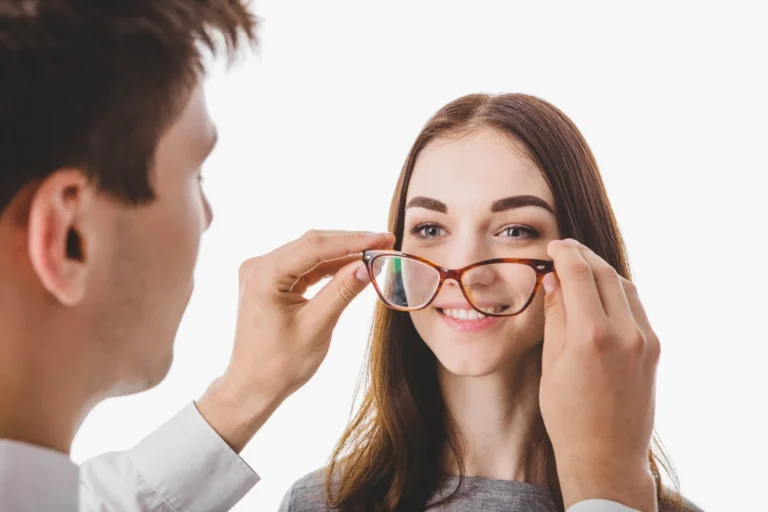
When you notice your vision getting blurry after a long day of work, you might start wondering how to improve eye health. The truth is, our eyes are under more strain today than ever before due to constant screen time, environmental factors, and poor dietary choices.
While you cannot magically reverse certain genetic vision conditions, you can absolutely protect and optimize your current eyesight.
In my years of practice, I, Dr. Julian Thorne, have seen countless patients ignore their vision until a serious problem arises. Your eyes require specific nutrients, adequate rest, and protective habits to function properly.
This guide will walk you through the science-backed methods and daily lifestyle habits to maintain your vision and protect your eye health for the long haul.
TL;DR SUMMARY
Protecting your vision requires a proactive approach to your daily routine. Top daily eye care habits include taking frequent screen breaks, wearing UV-blocking sunglasses, and eating a diet rich in lutein and omega-3s.
While you cannot cure refractive errors without medical intervention, these natural strategies will prevent further vision deterioration and maintain optimal eye health.
Why Eye Health Matters for Vision and Overall Health
Understanding how to improve eye health and vision is about much more than just seeing clearly without glasses. Your eyes are complex organs that require a significant amount of your body’s energy and blood flow.
When your eye health declines, it can often be an early indicator of other systemic issues like diabetes or hypertension.
Aging naturally affects the eyes, leading to conditions like presbyopia (difficulty seeing close up) or cataracts. However, modern lifestyle factors have accelerated many of these age-related changes.
Constant screen exposure exposes our eyes to blue light and reduces our blink rate, leading to severe dryness and digital eye strain.
If you want to know how to maintain healthy eyesight throughout your life, you must adopt a preventative mindset. Waiting for your vision to blur or your eyes to ache means the damage is already occurring. Proactive care is the only reliable way to keep your eyes functioning at their best.
Daily Habits That Improve Eye Health
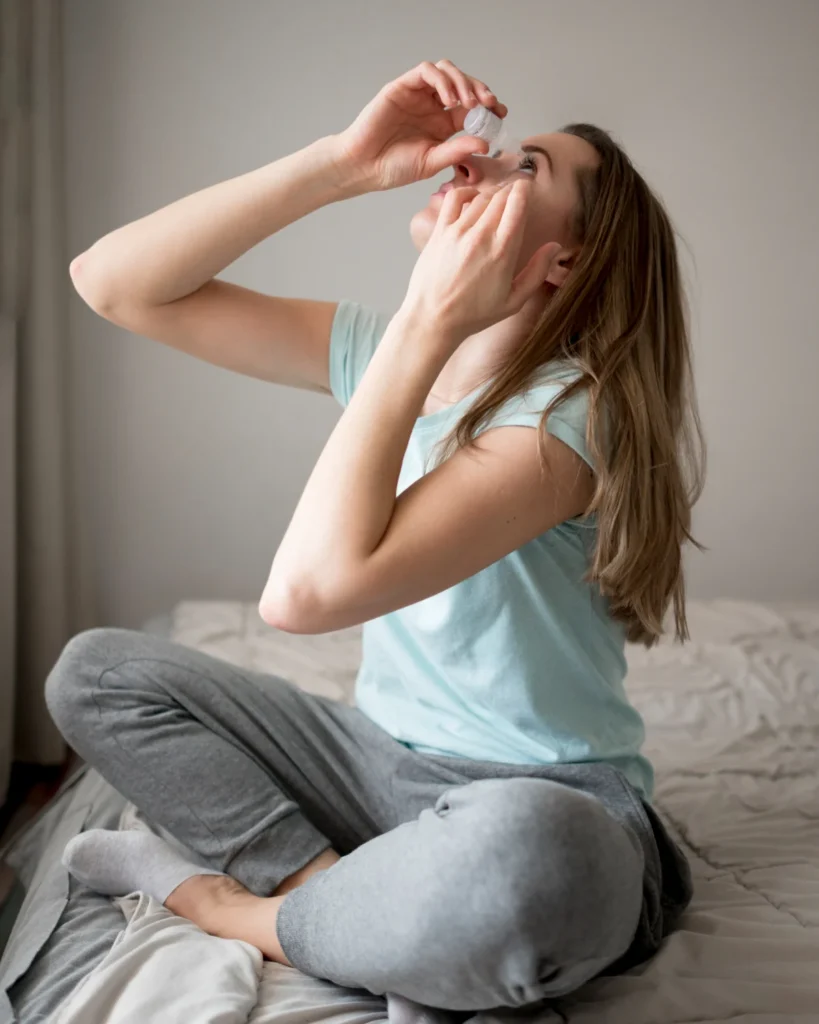
Learning how to take care of your eyes daily is the foundation of long-term vision protection. You do not need an overly complicated routine to see benefits. Incorporating a few specific practices into your daily life can drastically reduce eye strain. Here are the most effective ways to take care of your eyes.
Follow the 10-10-10 Rule
Digital eye strain is one of the most common complaints I hear in my clinic. When patients ask what the 10-10-10 rule for eyes is, I explain that it is a simple mechanism to force your eye muscles to relax.
Every 10 minutes of looking at a screen, you should look at an object at least 10 feet away. You must hold your focus on that distant object for a minimum of 10 seconds. This brief pause prevents the focusing muscles inside your eye from locking up and causing tension headaches.
Blink Frequently
It sounds incredibly basic, but most of us forget to blink when staring at digital devices. Studies show our blink rate drops by half when we are looking at a computer or smartphone.
This reduction in blinking causes the tear film on the surface of the eye to evaporate rapidly. Making a conscious effort to blink fully and frequently keeps your eyes lubricated and prevents gritty, dry eye symptoms.
Wear Protective Eyewear
UV radiation from the sun doesn’t just damage your skin; it is highly destructive to your eyes. Prolonged UV exposure accelerates the formation of cataracts and increases the risk of macular degeneration.
Whenever you are outdoors, wear sunglasses that block 100% of UVA and UVB rays. Additionally, if you work in construction or laboratories or play contact sports, safety goggles are non-negotiable for preventing traumatic eye injuries.
Get Regular Eye Exams
Many people skip their eye exams because they feel their vision is “fine.” However, comprehensive eye exams do more than just check if you need glasses.
An optometrist or ophthalmologist looks at the blood vessels and nerves inside your eye. This supports early detection of silent diseases like glaucoma, which often presents no symptoms until permanent vision loss has occurred.
Best Foods for Eye Health and Vision
Nutrition is arguably the most powerful tool you have when researching how to improve eye health. The tiny blood vessels in your macula require specific vitamins and antioxidants to clear out cellular waste. If you are looking for foods for eye health, you must focus on nutrient density.
Recently, a patient of mine named Robert came in complaining of poor night vision and chronic dry eyes. After a thorough examination, I asked him about his diet, which consisted mostly of processed foods.
I explained what foods are good for How to Improve Eye Health, and put him on a specific nutritional plan. Within three months, his dry eye symptoms had improved dramatically.
If you want to know the 12 best foods for eye health, start by incorporating leafy greens like spinach, kale, and Swiss chard. These are packed with lutein and zeaxanthin, two antioxidants that act as natural sunblock for your retina.
Next, add omega-3 fatty acids to your diet. Salmon, mackerel, and tuna help protect against dry eyes and macular degeneration. If you are a vegetarian, chia seeds and flaxseeds are excellent alternatives.
Eggs are another superfood for your vision, containing zinc, which helps your body absorb lutein. Citrus fruits like oranges and grapefruits provide the vitamin C needed to maintain the health of your eye’s blood vessels.
Finally, nuts and seeds, particularly almonds and sunflower seeds, offer vitamin E, which protects your cells from free radical damage.
Worst Foods for Eye Health
Just as some foods heal, others can accelerate vision decline. When discussing the worst foods for eye health, high-glycemic and highly processed items top the list.
Sugary drinks and sodas cause rapid spikes in blood sugar, which, over time, can damage the delicate blood vessels in the retina. This is exactly how diabetic retinopathy develops.
Ultra-processed foods and high-sodium snacks also pose a significant threat. Excess salt can lead to hypertension, restricting blood flow to the eyes and potentially leading to hypertensive retinopathy.
How to Improve Eyesight
There is a lot of misinformation online regarding how to improve eyesight. Many programs promise that if you do specific “eye yoga” exercises, you can throw away your prescription glasses.
As a medical professional, I must clarify what actually works. You cannot reshape your cornea or change the physical length of your eyeball—which are the causes of nearsightedness and farsightedness—with diet or exercise.
However, you can improve eyesight permanently in terms of functional clarity and stamina. By reducing eye strain, improving tear film quality, and optimizing your diet, your eyes will feel less tired, and your vision will be sharper and more focused throughout the day.
Can You Fix Bad Eyesight Without Glasses?
A common question in my practice is, “Can you fix bad eyesight without glasses?” Patients often ask if refusing to wear their prescribed lenses will force their eyes to “work harder” and eventually heal.
This is a dangerous myth. Can not wearing glasses improve eyesight? No, it cannot. Squinting and straining to see will only cause severe headaches, neck pain, and worsening eye fatigue.
While glasses do not “cure” your eyes, they provide the correct optical focus so your visual system can relax. If you truly want to fix a refractive error without glasses, surgical options like LASIK or PRK are the only medically proven pathways.
How to Prevent Eyesight From Getting Worse
Once you reach adulthood, your prescription should generally stabilize. If you are wondering how to prevent eyesight from getting worse, the focus must be on environmental management.
How to stop eyesight from getting worse largely involves managing how you interact with screens. Follow the 10-10-10 rule rigorously, and ensure your computer monitor is at an arm’s length and slightly below eye level.
Additionally, UV protection and managing systemic health conditions like high blood pressure and diabetes are critical. Uncontrolled blood sugar is one of the fastest ways to permanently damage your vision.
How Sleep Affects Eye Health
Many people do not realize how to improve sleep for eye health, or why it matters. During the REM sleep, your eyes are lubricated and cleared of irritants that have accumulated during the day.
Sleep deprivation effects on the eyes are immediate. You may experience twitching eyelids (myokymia), redness, and a gritty sensation.
Chronic lack of sleep also prevents the optic nerve from fully resting, leading to severe eye fatigue the following morning. Aim for 7 to 8 hours of quality sleep to give your eyes the recovery time they need.
Is Exercise Good for Eye Health?
When asked, “Is exercise good for your eyes?” the answer is a resounding yes. Cardiovascular exercise increases blood circulation throughout your entire body, including the tiny capillaries in your retina.
This increased blood flow benefits the optic nerve and helps lower intraocular pressure. High eye pressure is a primary risk factor for glaucoma.
Regular aerobic exercise has also been linked to a reduced risk of age-related macular degeneration. A brisk 30-minute walk a few times a week is enough to see these protective benefits.
Eye Nerve Health and Vision Protection
Your optic nerve is the critical cable that sends visual data from your eye to your brain. Learning how to improve eye nerve health is vital, as damage to this nerve is often irreversible.
Nutrients play a massive role here. B-complex vitamins, particularly B12 and B1, are essential for nerve function and protection. A deficiency in these vitamins can lead to optic neuropathy.
Maintaining healthy blood circulation is equally important. Conditions that restrict blood flow, like high cholesterol or smoking, slowly starve the optic nerve of oxygen, leading to gradual vision loss.
Warning Signs of Poor Eye Health
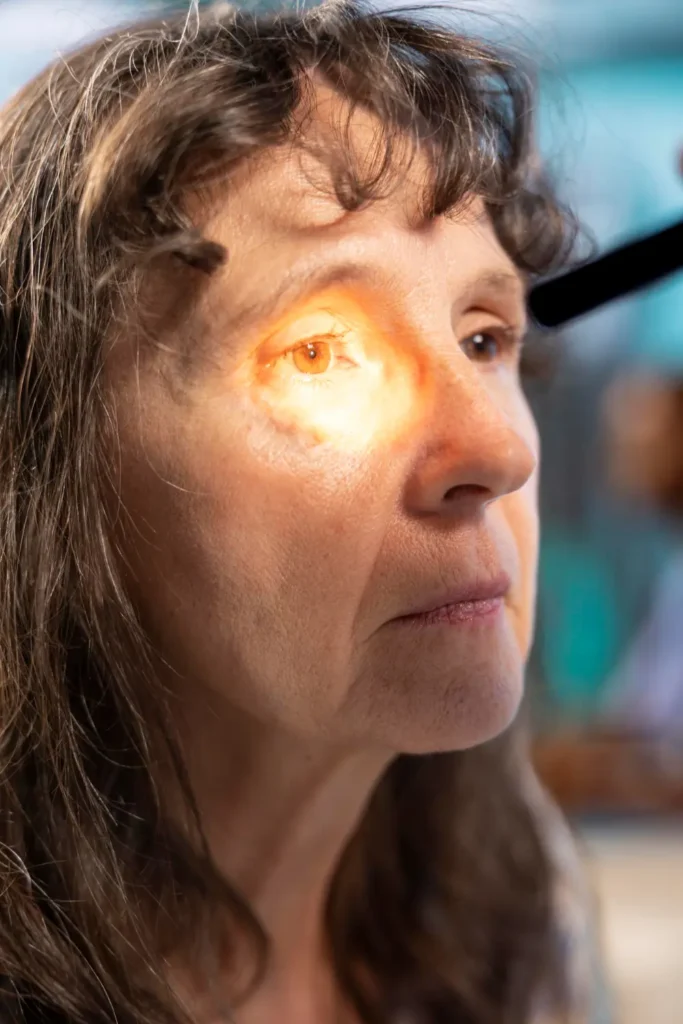
You must learn to listen to your eyes. Catching symptoms early is the best way to prevent permanent damage.
Blurry vision that comes on suddenly is a major red flag and requires immediate medical attention. Similarly, if you experience sharp or dull eye pain, do not ignore it.
Sudden light sensitivity, seeing flashes of light, or a sudden increase in “floaters” (dark spots drifting across your vision) can indicate a retinal tear or detachment. If you experience any of these, contact an ophthalmologist immediately for a thorough evaluation.
How to Improve Eyesight at Home
Taking action in your own living space is highly effective. If you want to know how to improve eyesight at home, start with lighting adjustments.
Never read or work on a computer in a pitch-black room. The high contrast forces your pupils to work overtime. Keep a soft ambient light on to reduce the strain.
Take frequent screen breaks and practice good eye hygiene. Wash your hands before touching your face, and always remove makeup before bed to prevent clogged oil glands along your lash line, which can lead to styes and dry eyes.
Frequently Asked Questions
How can I improve my eyesight?
You can improve functional eyesight by eating a diet rich in lutein and omega-3s, taking regular breaks from digital screens, and wearing UV-protective sunglasses outdoors.
How to improve vision in 7 days?
It is not scientifically possible to permanently change your eye prescription in 7 days. However, you can significantly reduce blurriness caused by digital eye strain and dry eyes within a week by heavily hydrating and following the 10-10-10 rule.
How can I protect my vision?
Protect your vision by getting an annual comprehensive eye exam, managing systemic health issues like diabetes, and wearing protective eyewear when exposed to the sun or hazardous work environments.
What foods improve eyesight without glasses?
Foods high in vitamin A, lutein, and omega-3s—like carrots, spinach, salmon, and eggs—support the health of the retina and macula, though they will not cure the need for prescription glasses.
Conclusion
Protecting your vision is a lifelong commitment that pays incredible dividends. By integrating the right foods, respecting the limits of your screen time, and understanding the physical needs of your eyes, you can maintain sharp, comfortable vision for decades.
Do not wait for your vision to fail before you start caring for it; implement these natural strategies today.
Authoritative References
- National Eye Institute (NEI) / AREDS2 Trial: Age-Related Eye Disease Studies (AREDS/AREDS2) and Nutritional Supplements
- BMJ Open Ophthalmology: Digital eye strain: prevalence, measurement and amelioration
- Investigative Ophthalmology & Visual Science (IOVS): Associations Between Physical Activity and Glaucoma
- BMJ Open: Exploring computer vision syndrome and screen exposure: a cross-sectional study
Related Posts






MORE from Author
Read More As a physician specializing in exercise science and public health, I regularly consult patients who feel completely lost in the…
 Just last week, a 34-year-old patient named Clara sat in my clinic, feeling entirely overwhelmed by the modern fitness industry.…


 Hello, I am Dr. Kenji Sato, MD, specializing in sports medicine and performance optimization. In my sports clinic, I constantly…
- In my clinical practice as a physician focused on exercise science, I often tell patients that mastering fitness bench workouts…